Total Quality Management: Culture as Strategy
Table of Contents
1. Executive Summary
Definition and core value. Total Quality Management (TQM) is a management approach to long-term success through customer satisfaction. It involves all members of an organization participating in improving processes, products, services, and the culture in which they work.
2. The Friction (The Problem)
Why this is hard. The 'Not My Job' Syndrome. In traditional companies, quality is the responsibility of the 'Quality Department'. Workers on the line hide defects to meet quotas. TQM breaks this by making quality everyone's responsibility, from the CEO to the janitor.

Figure 2: Visualizing the strategic problem.
3. Theoretical Background
The Mechanics. Origins in the 1950s (Deming, Juran, Feigenbaum). * Customer-Focused: The customer determines the level of quality. * Total Employee Involvement: Empowerment and training. * Process-Centered: Good processes yield good results. * Integrated System: Breaking down silos. * Continuous Improvement: Kaizen.
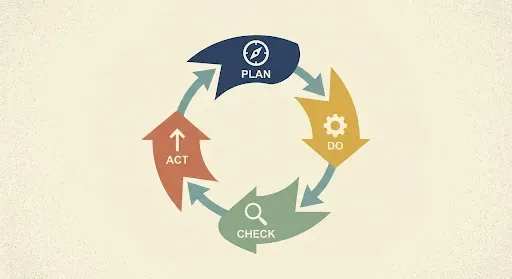
Figure 3: The core framework visualized.
4. The Data Evidence
Why this matters physically. Companies that successfully implement TQM see an average increase in stock price of 38% over a 5-year period compared to peers. In service industries, a 5% increase in customer retention (a core TQM metric) can increase profits by 25% to 95%.
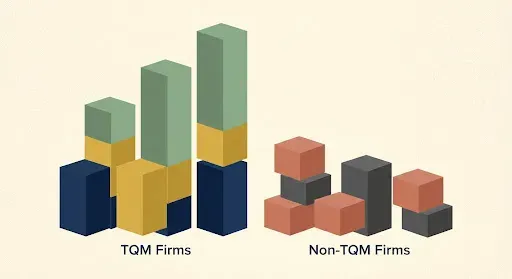
Figure 4: The measurable impact of the strategy.
5. Strategic Application
How to implement. Implementing TQM: * Quality Circles: Weekly meetings where drivers discuss safety and efficiency ideas. * Gemba Walks: Managers walk the warehouse floor to understand the actual work. * Training: investing in skills so employees can spot errors themselves. * Supplier Partnerships: Treating vendors as partners in quality, not just cost centers.
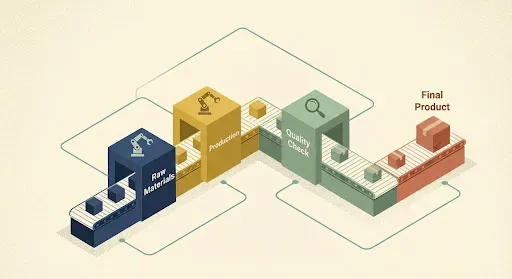
Figure 5: Practical application in a logistics context.
6. The Navichain Perspective: The Digital Enabler
Automated precision. Navichain democratizes quality. Our mobile app empowers the driver (the frontline worker) to report issues (damaged cargo, wrong address) instantly. We turn every employee into a Quality Assurance agent, feeding real-time data back to the 'Integrated System'.

Figure 6: How Navichain's digital platform operationalizes this strategy.
7. Real-World Success Stories
Case Studies. * Toyota: The gold standard of TQM. Any worker can stop the assembly line (Andon Cord) if they see a defect. * Ford: Adopted TQM in the 80s with the slogan 'Quality is Job 1', rescuing the company from near-bankruptcy. * Xerox: Won the Malcolm Baldrige National Quality Award after reinventing itself through TQM to compete with Japanese rivals.
8. Strategic Takeaway

Conclusion. Quality isn't a department; it's a mindset. TQM ensures that doing it right the first time is the only way business is done.
9. References
Verified links. * American Society for Quality (ASQ). (n.d.). Learn About Quality. View Resource * Harvard Business Review. (n.d.). Quality Management. View Resource * Juran Institute. (n.d.). Juran Trilogy. View Resource
navichain Insights Newsletter
Join the newsletter to receive the latest updates in your inbox.