The Financial Black Box: How Disconnected Operations Hide True Profitability in SME Logistics
Table of Contents
The Financial Black Box: How Disconnected Operations Hide True Profitability
The €10,000 error: Why the gap between 'job done' and 'invoice sent' is your most dangerous liability
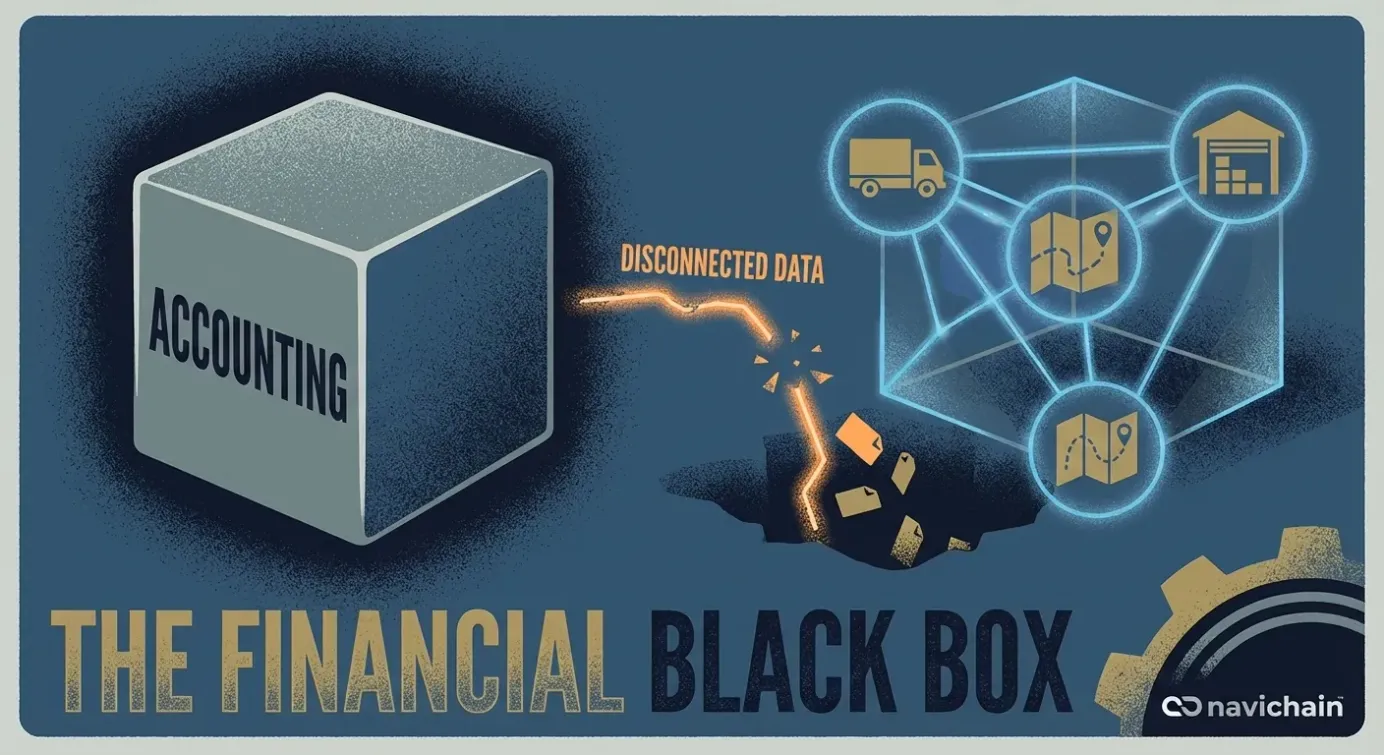
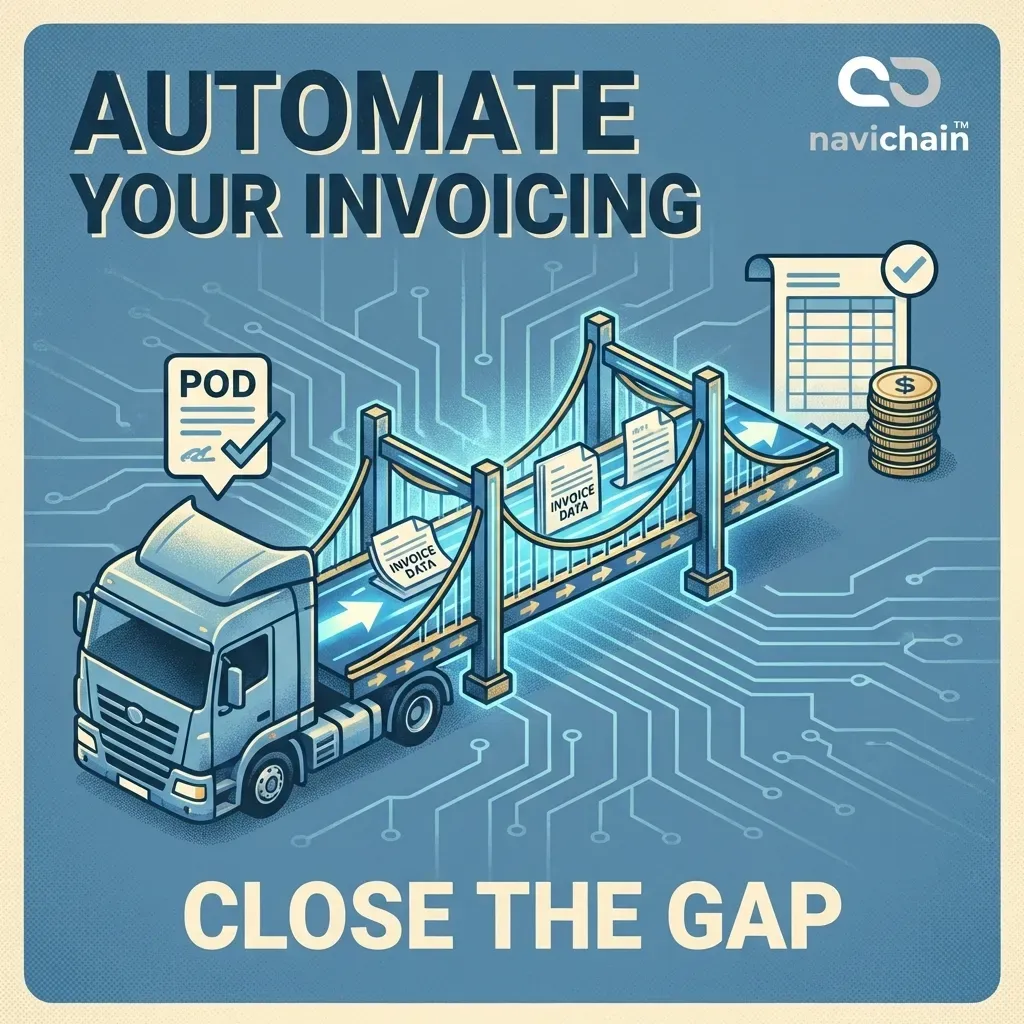
Fig 1: For the owner or manager of a small to medium-sized (SME) logistics firm, the day is a series of fires. For the owner or manager of a small to medium-sized (SME) logistics firm, the day is a series of fires. A driver is delayed, a key client changes an order, fuel costs spike. But the most insidious fire—the one that smolders quietly, consuming margin and cash flow—is the administrative chasm between a completed delivery and a paid invoice. Your operational team confirms a 'Proof of Delivery' (POD) in your Transport Management System (TMS). This is a moment of success. Yet, for many firms, this success triggers a costly and high-risk manual process. That POD data—customer ID, job number, agreed-upon rates, accessorial charges—must be manually re-keyed into a separate accounting application. A recent European Small Business Alliance report noted that invoice processing delays and errors are a primary driver of cash flow problems for over 60% of transport SMEs. This isn't just a delay; it's a strategic vulnerability. A single 'fat-finger' error in re-keying data can lead to a disputed invoice, consuming days of administrative time to resolve and damaging client trust. A €10,000 invoice keyed as €1,000 can go unnoticed for weeks. Conversely, an overcharge creates conflict. This is the daily reality of the financial black box. This paper argues that for SME logistics firms to survive and thrive, they must abandon the belief that operations and finance are separate functions. The solution is not a new accounting system. The solution is a Data Integration Strategy that transforms your operational platform into the engine of your financial workflow.
Deconstructing the problem: The three myths of the financial black box
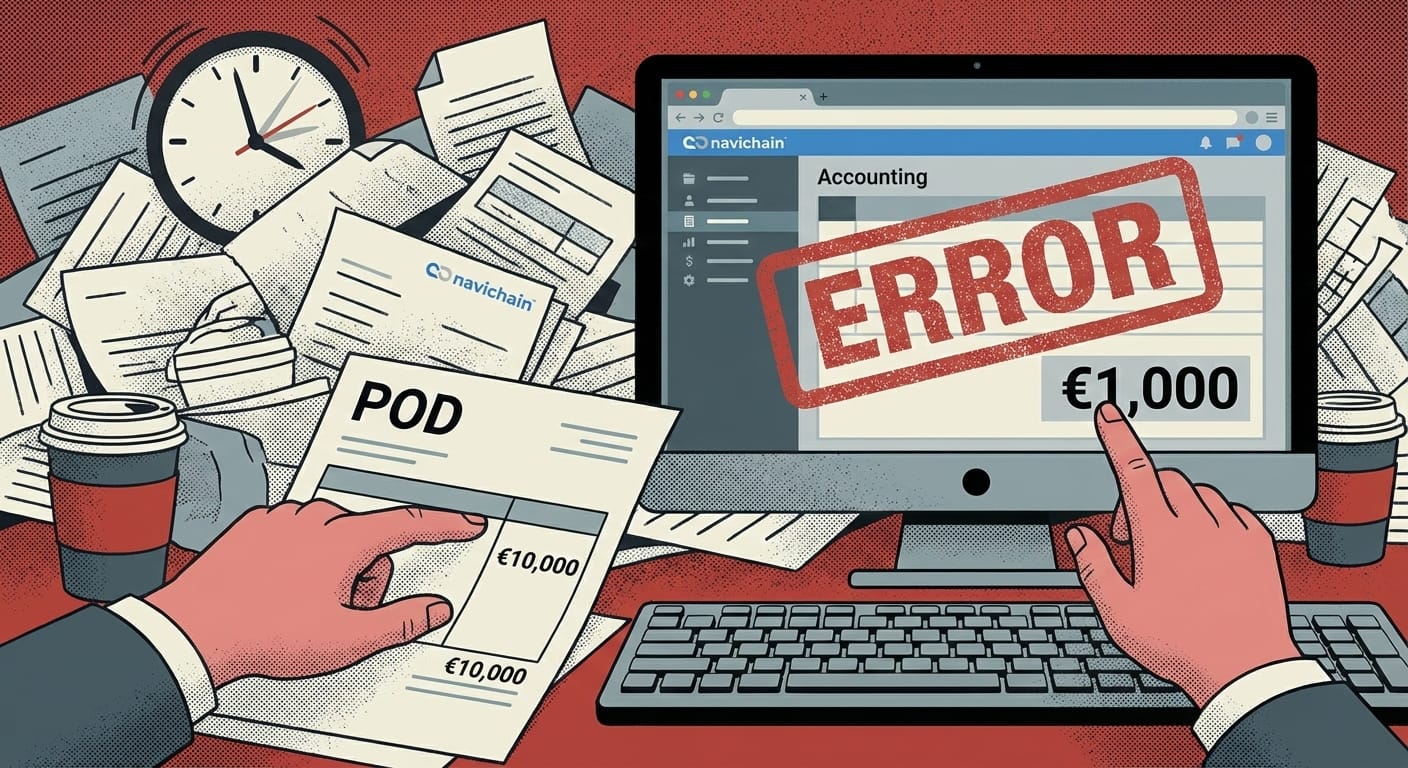
Frustrated by endless manual data entry and reconciliation, the logistics manager struggles to bridge the gap between operations and finance.
The persistence of this operational-financial gap is not due to a lack of effort. It is upheld by three pervasive, and dangerous, industry myths.
Myth 1: The 'two-system fallacy'
The most common myth is that operations (TMS, WMS) and finance (accounting) are naturally separate worlds that require separate systems. Operations, the thinking goes, is about 'moving things,' while finance is about 'counting money.' This fallacy forces your business to operate with two competing 'sources of truth.' When a customer disputes an invoice, which system is correct? The TMS, which has the original order and the POD, or the accounting system, which has the invoice that was sent? This disconnect creates strategic friction. As a manager, you cannot get a simple, real-time answer to the most important question: "Which jobs, customers, and lanes are actually profitable?" Without an integrated view, you are making strategic decisions based on guesswork.
Myth 2: The 'acceptable cost' of manual work
Many SMEs view the manual re-keying of data as a fixed, 'acceptable' cost of doing business. This is a profound miscalculation. The true cost is not just the salary of the administrator performing the task. Research from industry analysts Ti Insight suggests that the total cost of manual data entry, including error correction, dispute resolution, and delayed cash flow, can amount to as much as 3-5% of an SME's annual revenue. Consider: * Direct Labor: An employee spending 20 hours per week on manual reconciliation is half an FTE dedicated not to growth, but to redundant work.
- Error Cost: The time spent finding and fixing a single data entry error is often 10x the time it took to make the error.
- Opportunity Cost: The cash that is tied up in unbilled or disputed invoices is 'dead money.' It cannot be used to pay for fuel, invest in new assets, or make payroll. There is no 'acceptable cost' for systemic inefficiency. It is a direct drain on profitability.
Myth 3: The 'compliance shield' fallacy
Finally, many leaders believe that keeping their accounting system completely isolated provides a 'compliance shield.' The logic is that by walling off the financial ledger, they are protecting it. In the modern European regulatory landscape (especially under GDPR), the opposite is true. Manually transferring sensitive customer and financial data between systems—often via spreadsheets, emails, or printouts—is a massive compliance and security risk. This 'human integration' method creates multiple, unsecured copies of data, making it impossible to audit and proving a clear chain of custody. A secure, automated, and well-documented API connection between two systems is infinitely more secure and compliant than a human with 'copy-paste' access to both.
The path forward: The 'data-first financial workflow' framework
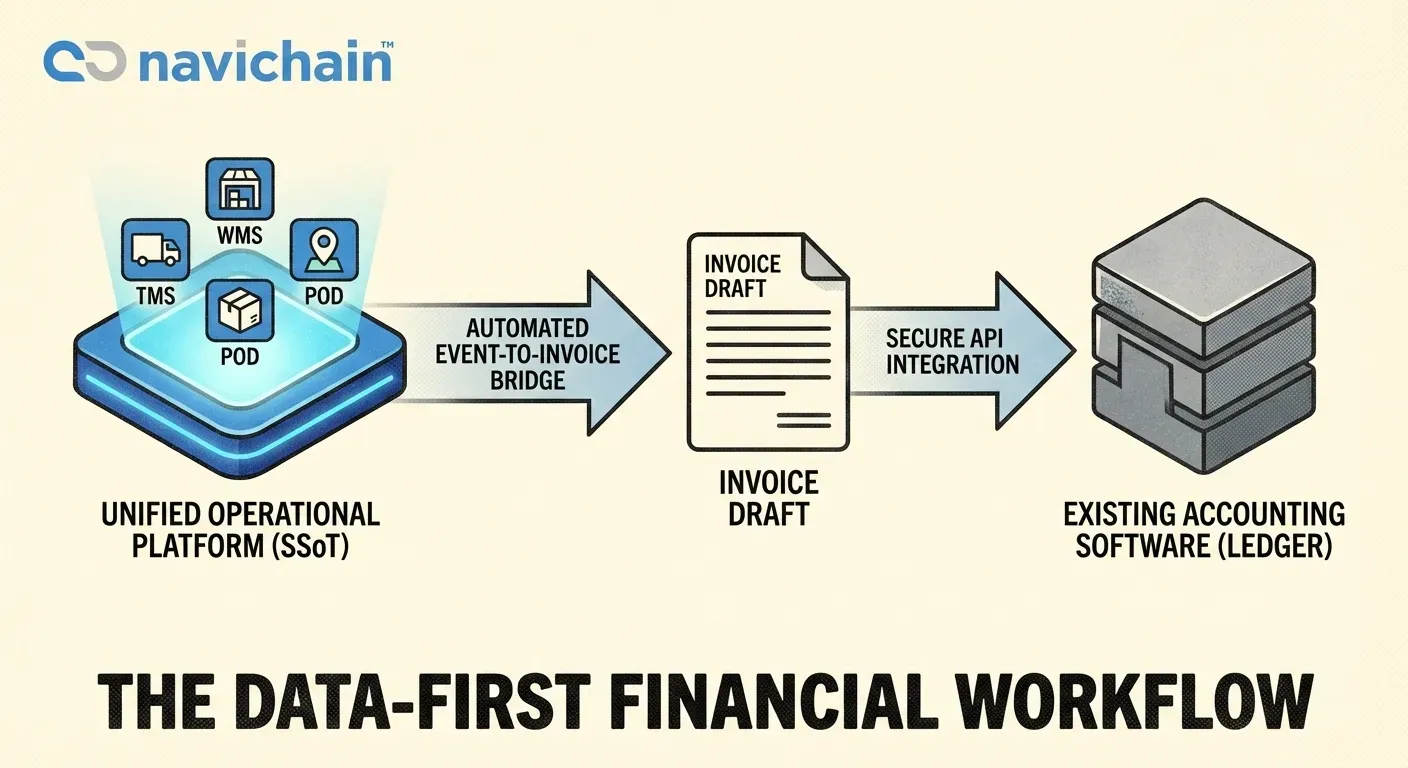
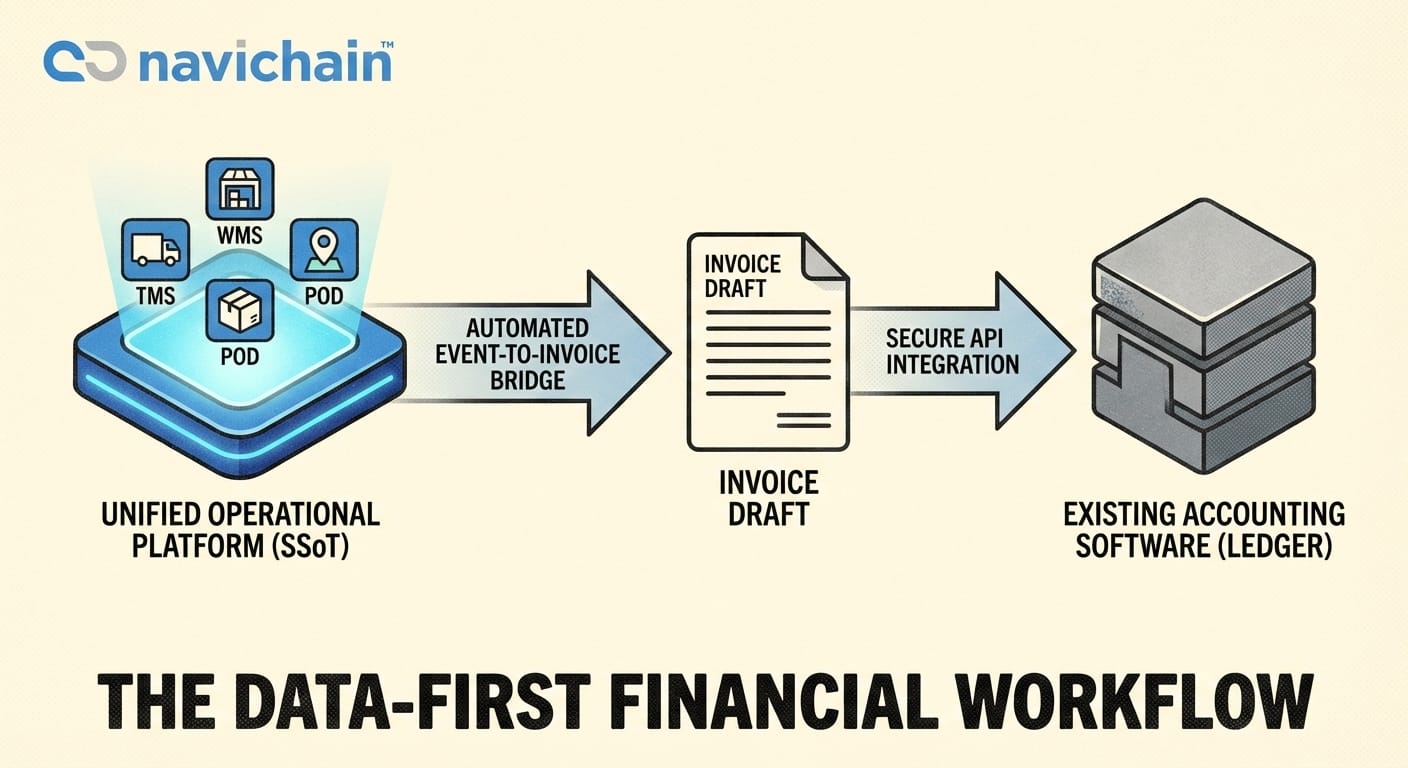
Fig 2: To break out of the financial black box, SMEs must adopt a new strategic framework: The Data-First Financial Workflow.
The 'Data-First Financial Workflow' framework provides a strategic roadmap for SMEs to connect their financial and operational data, breaking down the financial black box.
To break out of the financial black box, SMEs must adopt a new strategic framework: The Data-First Financial Workflow. This framework is not about replacing your tools, but about connecting them intelligently. It consists of three pillars.
Fig 3: To break out of the financial black box, SMEs must adopt a new strategic framework: The Data-First Financial Workflow.
Pillar 1: Establish a single source of truth (SSoT)
All financial reconciliation must begin from a single, undeniable source of truth. In logistics, this SSoT must be your operational platform (i.e., your unified TMS/WMS/Order Management system). Why? Because this is where the billable event happens. The customer, the order, the rate, the route, the POD, and any accessorial charges (like waiting time or special handling) are all captured at the point of execution. Your accounting system only knows what it is told. Your operational system knows what happened. By designating the operational platform as the SSoT, you eliminate all arguments. The data captured in the TMS is the data that will be used for billing. Period.
Pillar 2: Automate the 'event-to-invoice' bridge
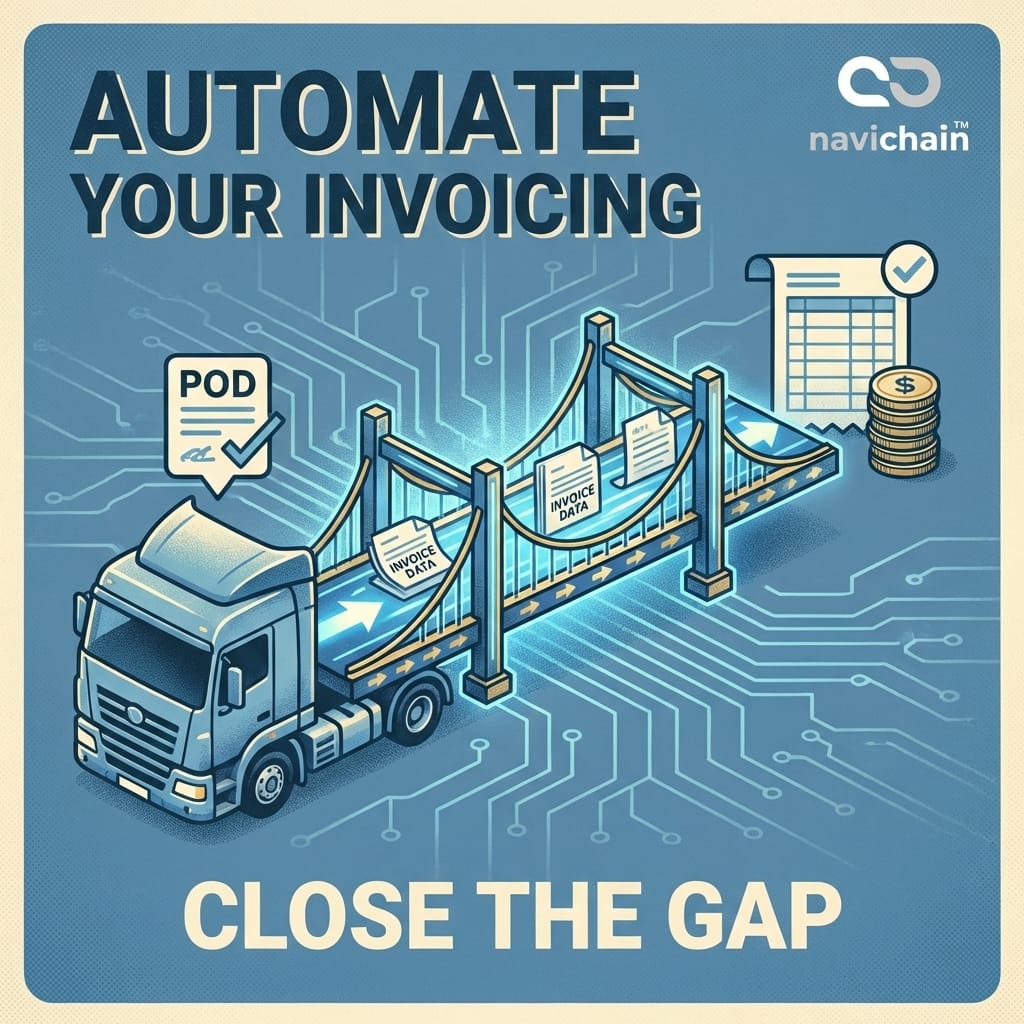
Once the SSoT is established, the next step is to build an automated bridge that connects operational events to financial actions. This is the core of the Data Integration Strategy. Instead of a human manually reviewing a POD and creating an invoice, the system does it automatically based on pre-defined rules.
- The Trigger: The 'event' is defined. For example:
Event = 'POD Status changed to Confirmed'. - The Action: This trigger automatically fires an action. For example:
Action = 'Generate Customer Invoice Draft'. Using modern APIs (Application Programming Interfaces), the operational system automatically creates a complete, line-item-correct invoice draft. This draft can then be reviewed by a human for a final check (a 'human-in-the-loop' model) or, for trusted clients, be approved and sent automatically. This single change cuts the 'job done-to-invoice sent' time from days to minutes.
Pillar 3: Integrate, don't recreate
This is the most critical and misunderstood pillar. This framework does not require you to abandon your existing accounting software. Your accounting application (e.g., Fortnox, Visma, Xero) is excellent at its job: managing the general ledger, performing bank reconciliation, and generating financial statements. It should continue to do so. The integration strategy is about feeding this system the correct data from your operational SSoT. The workflow is as follows: 1. Job Executed (in TMS). 2. Invoice Draft Generated (in TMS, via 'Event-to-Invoice' bridge). 3. Invoice Approved (in TMS). 4. Integration Sends Data: A secure API connection or pre-built connector sends the finalized invoice data (Customer, Amount, VAT, Ledger Codes) directly to the accounting application. Your accounting system now has a perfect, error-free record of the invoice for its ledger, and your operational system has a matching record tied to the specific job. You have eliminated manual entry, preserved data integrity, and maintained the separation of concerns between operational execution and financial reporting.
From diagnosis to design: The blueprint for a resilient logistics operating system
Fig 4: A truly resilient, data-driven logistics operation for an SME must be built on three core principles.
Adopting the 'Data-First Financial Workflow' is a strategy, but executing it requires the right technological foundation. A truly resilient, data-driven logistics operation for an SME must be built on three core principles.
Schematic illustrating the data flow and integration points within a unified logistics operating system, highlighting the interconnectedness of transportation, warehousing, order management, and billing.
Principle 1 - unified operational fabric
To establish a Single Source of Truth (Pillar 1), you cannot have your data fragmented across a separate TMS, a separate WMS, and a separate billing spreadsheet. You need a unified operational fabric—a single platform where Transportation, Warehouse, Order, and Billing Management work as one. This platform acts as the 'central nervous system' for the entire business, ensuring that when a billable event occurs in the warehouse, the transport and billing functions know about it instantly.
Principle 2 - secure data architecture and control
This unified data, especially when it includes sensitive financial information, is your most valuable asset. For European SMEs, true operational resilience requires complete control over this data environment. This means your data must be stored and processed under your own region's legal jurisdiction (e.g., within the EU/Sweden) on secure, and ideally Self-Hosted, infrastructure. This architecture ensures straightforward GDPR compliance, minimizes exposure to the complexities of international data transfer regulations (like the former Privacy Shield), and gives you absolute data sovereignty.
Principle 3 - embedded analytic intelligence
The final principle is to make this newly unified data work for you. A resilient platform must have an embedded intelligence or Integrated AI layer. This AI must be able to analyze the unified data from Principle 1, within the secure environment of Principle 2. By connecting operational actions (e.g., route-taken, time-at-dock) to financial outcomes (e.g., final invoice amount, margin), this AI can finally answer the question: "Where are we really making and losing money?" It moves you from reactive reporting to predictive, strategic insight.
References/sources
- Transport & Logistics Institute (TLI): "The SME Squeeze: Administrative Overheads in European Logistics." (2024). http://example.com/tli-report-2024
- European Small Business Alliance (ESBA): "Cash Flow Challenges in the European Transport Sector." (2023). http://example.com/esba-cashflow-report
- Ti Insight: "The Hidden Costs of Disconnected Logistics Systems." (2024). http://example.com/ti-insight-data-silos
- IRU (International Road Transport Union): "Digitalization in Commercial Road Transport." (2023). http://example.com/iru-digitalization-2023
- Eurostat: "Digitalisation in enterprises - statistics." (2024 data). http://example.com/eurostat-digitalisation
Fig 4: Adopting the 'Data-First Financial Workflow' is a strategy, but executing it requires the right technological foundation.
Enabling the blueprint: The navichain SaaS unified logistics platform
Fig 5: The navichain SaaS platform was purpose-built to embody these principles and democratize this level of technology for SMEs.
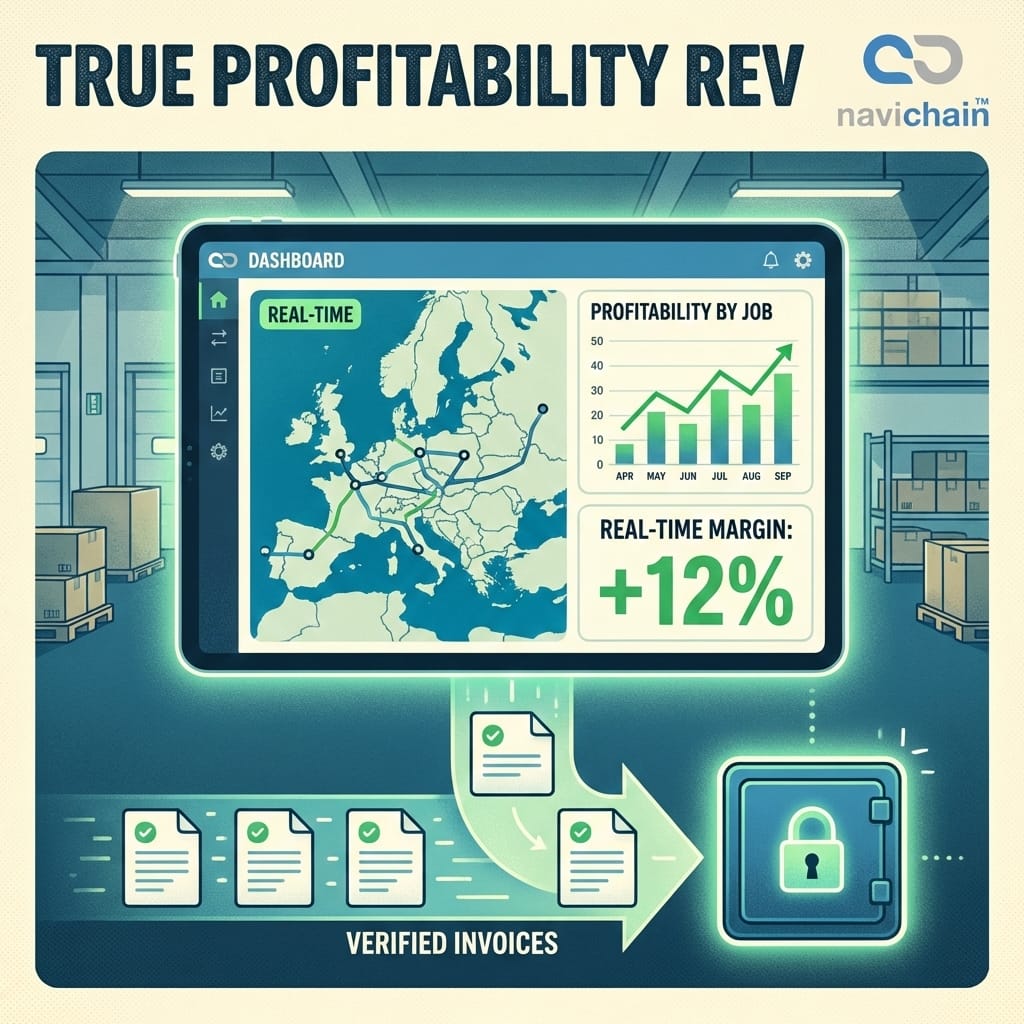
A unified platform like navichain helps SMEs break down the "financial black box" effect, providing clear visibility into true profitability by connecting previously siloed operational data.
This white paper has outlined a strategic blueprint for solving the operational-financial disconnect. The navichain SaaS platform was purpose-built to embody these principles and democratize this level of technology for SMEs. Navichain is not a collection of separate tools. It is a single, unified logistics operating system where Transportation Management (TMS), Warehouse Management (WMS), Asset Management, Billing Management, and Order Management work as one. This creates the Single Source of Truth required for Pillar 1 of our framework. We fulfill Principle 2 through our core differentiator: our entire platform is hosted on our own secure, Self-Hosted infrastructure in Sweden. This ensures maximum data security and control. For our clients, this means straightforward GDPR compliance and the peace of mind that their sensitive operational and financial data remains strictly within Swedish/EU jurisdiction, free from international data transfer complexities. 3. Providing Embedded Analytic Intelligence: Navichain delivers on Principle 3 with our integrated AI, which runs on the same secure Swedish infrastructure. This AI analyzes your unified operational and financial data to unlock unique efficiencies, identify profitability trends, and provide the strategic insight that is impossible when data is trapped in silos. Solving Your Invoicing Challenge: Specifically for the challenge of integrating with accounting, navichain SaaS provides the "Integrate, Don't Recreate" model out of the box. Our platform features pre-built connectors for major accounting applications, serving as the secure, automated 'Event-to-Invoice' bridge. This allows you to manage billing from your operational SSoT while seamlessly and accurately populating your financial ledger, eliminating manual work and closing the financial black box for good.
Navichain's unified platform provides a single source of truth by integrating TMS, WMS, Asset Management, Billing Management, and Order Management into one logistics operating system.
Navichain centralizes TMS, WMS, Asset Management, Billing, and Order Management into a single, secure logistics operating system, providing a unified data view for enhanced insights and control.
Ready to optimise your supply chain?
navichain Insights Newsletter
Join the newsletter to receive the latest updates in your inbox.