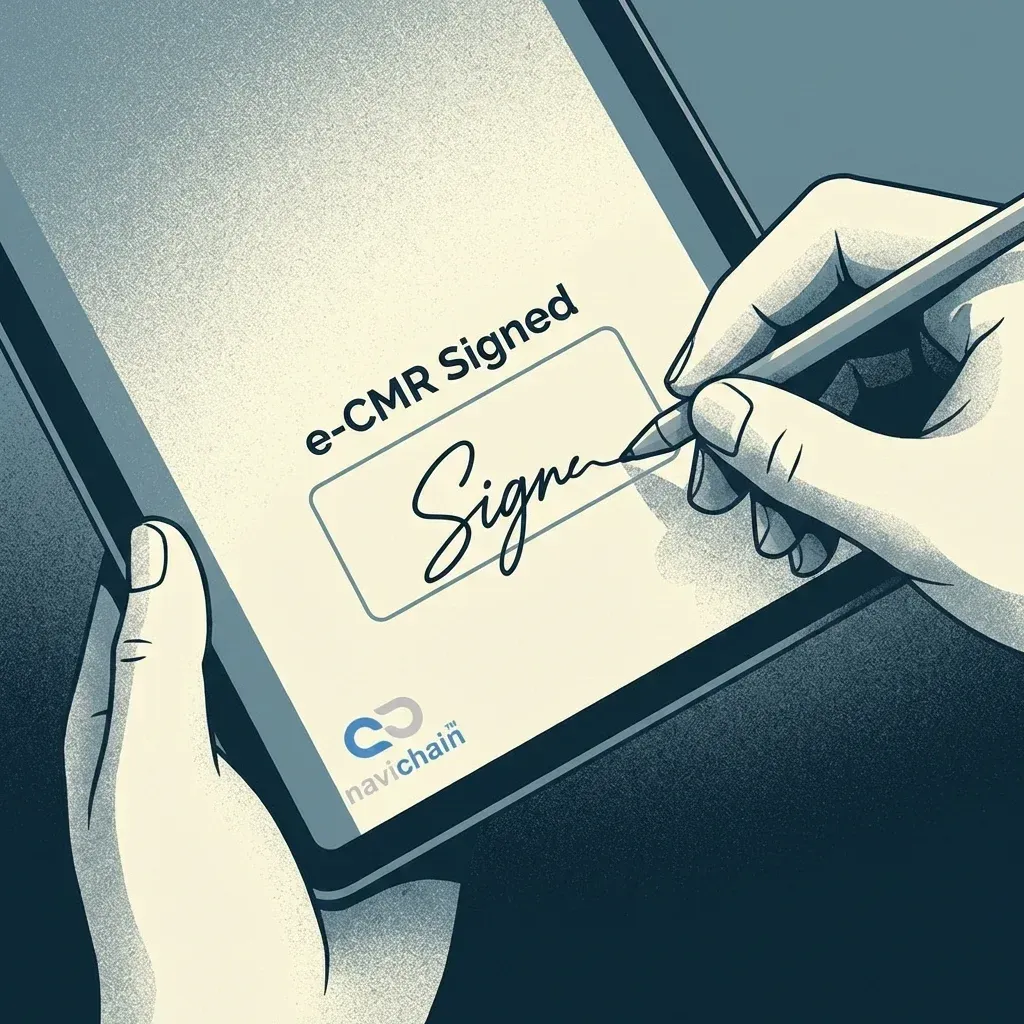
The e-CMR Opportunity: Unlocking Efficiency and Boosting Customer Satisfaction for Your Business
Table of Contents
Executive Summary
This white paper explores how e-CMR transforms European SME logistics, boosting both operational efficiency and customer satisfaction. By digitizing consignment notes, e-CMR streamlines administrative tasks, reduces errors, and accelerates invoicing, freeing up valuable resources. Furthermore, real-time shipment visibility enhances transparency and proactive communication, significantly improving the customer experience. Integrated within a unified logistics platform, e-CMR provides a secure and streamlined solution for supply chain optimization. Discover how embracing e-CMR delivers tangible benefits to your bottom line and strengthens customer relationships, offering a competitive edge in today's demanding logistics landscape.
European SME hauliers stand at the cusp of a digital revolution with e-CMR adoption, poised to unlock significant operational efficiencies and enhanced customer satisfaction. But for businesses relying on disconnected systems, simply implementing an e-CMR solution risks creating data silos and hindering true progress. This white paper unveils a strategic framework for approaching e-CMR not as an isolated tool, but as the cornerstone of a unified, streamlined, and customer-centric logistics operation, where efficiency and satisfaction, not just compliance, are the primary drivers.
The e-CMR Opportunity: Unlocking Efficiency and Boosting Customer Satisfaction for Your Business
European SME hauliers are facing increasing pressure to digitize, and the transition to mandatory e-CMR adoption appears to be a promising move toward streamlining operations. With strong support from the EU to drastically reduce administrative overhead, the potential benefits are undeniable. However, this transition can present unforeseen challenges. For businesses operating with fragmented systems—separate TMS, billing, and telematics—simply adding a third-party e-CMR solution can create new data bottlenecks and hinder true efficiency gains. This white paper presents a strategic framework for approaching e-CMR not as a stand-alone tool, but as the catalyst for building a unified, streamlined, and customer-centric logistics operation. We argue that operational efficiency and customer satisfaction are the ultimate goals.
The €4 billion promise: Why e-CMR is an inevitable shift
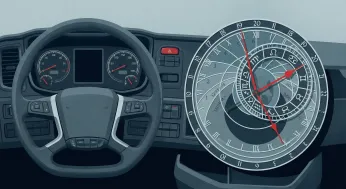
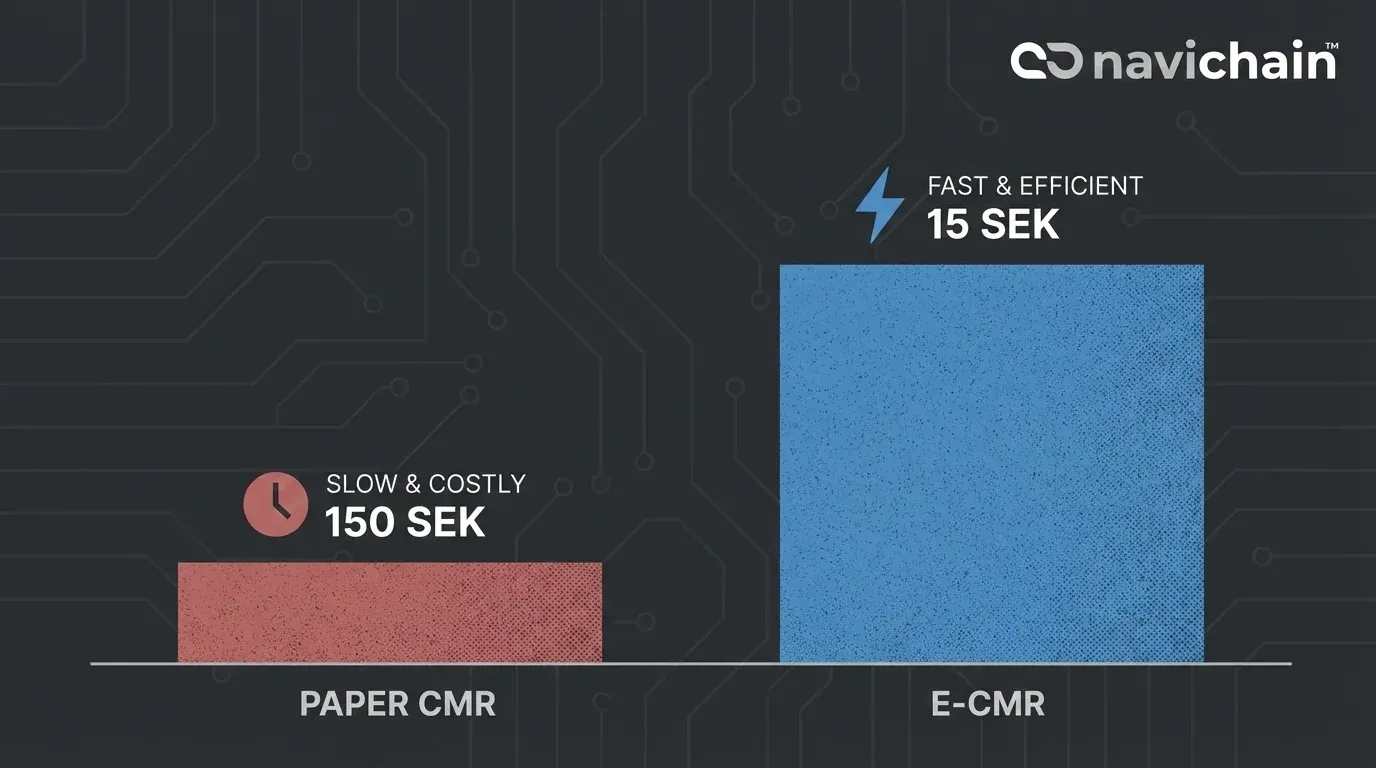
Fig 1: For decades, the standard CMR consignment note—a multi-part paper form—has been the bureaucratic backbone of European cross-border road transport. For decades, the standard CMR consignment note—a multi-part paper form—has been the bureaucratic backbone of European cross-border road transport. It is a physical record that is often a source of immense friction. It introduces delays, administrative overhead, manual data entry errors, and protracted billing cycles. The move to its digital successor, the e-CMR, is not a question of 'if' but 'when'. The International Road Transport Union (IRU) and the European Commission have championed the e-CMR protocol as a cornerstone of logistics digitization. The potential upside is compelling: authorities project that a full transition could slash administrative costs by up to €4.5 billion annually. For an SME haulier grappling with razor-thin margins, fuel volatility, and driver shortages, the promise of faster invoicing, real-time data, and reduced paperwork is more than attractive; it's a lifeline. As more EU member states ratify and implement the e-CMR protocol, with a push towards mandatory adoption under the Electronic Freight Transport Information (eFTI) regulation, the pressure to comply is mounting. SMEs are now searching for solutions, often turning to third-party apps and bolt-on software to become 'e-CMR compliant'. This is where the opportunity, and the potential pitfalls, begin. In the rush to solve a paperwork problem, many SMEs are unknowingly missing the chance to truly optimize their operations and enhance customer experience.
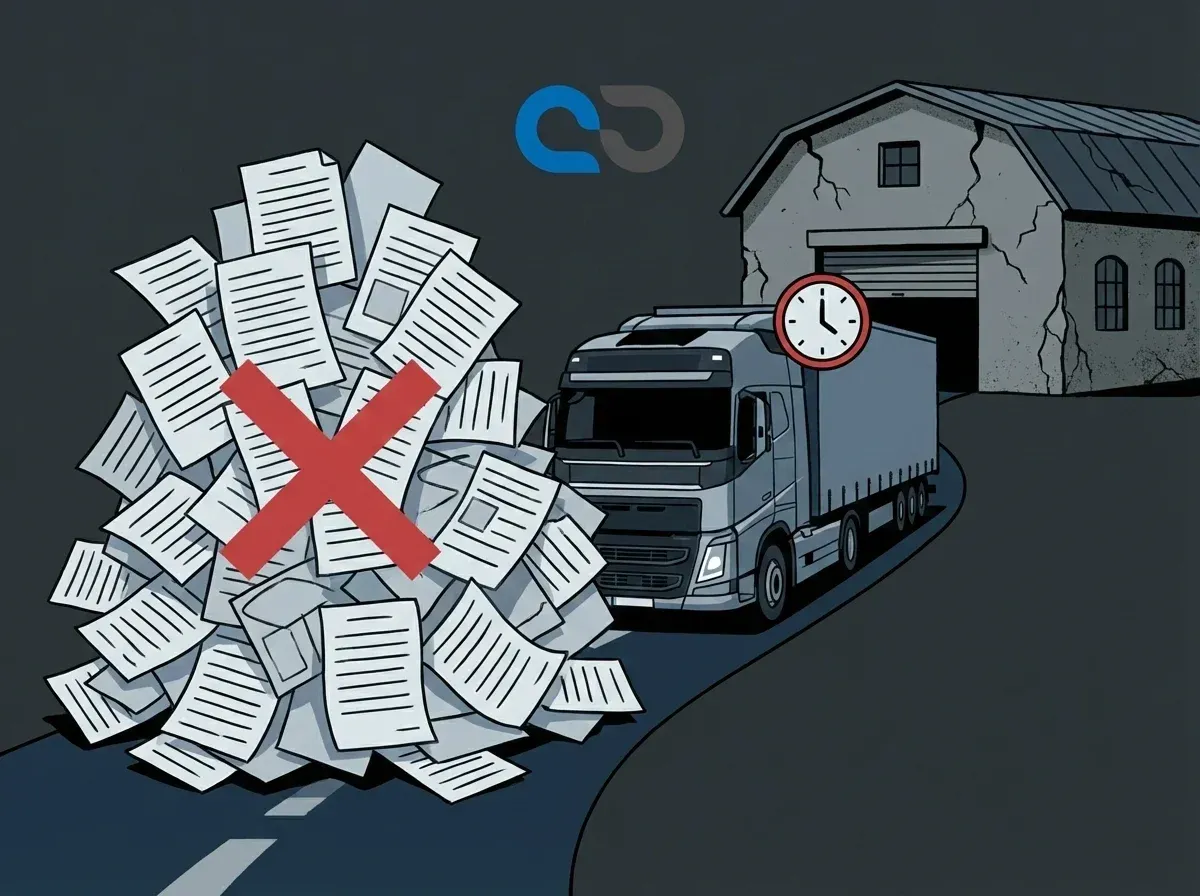
The multi-part CMR form, while familiar, exemplifies the paper-based processes contributing to inefficiencies that e-CMR aims to resolve.
The strategic opportunity: Why is a simple digital document so powerful?
Fig 2: The central thesis of this paper is this: For European SME hauliers, e-CMR compliance is a strategic catalyst. The central thesis of this paper is this: For European SME hauliers, e-CMR adoption is a strategic catalyst. It's not just about digitization; it's about unlocking operational efficiency and elevating customer satisfaction by streamlining processes and providing real-time visibility. The opportunity lies in the potential to transform how SMEs operate. Managers need to see the challenge not just as 'How do I create a digital consignment note?' but as 'How do I integrate this new tool into my existing systems to create a seamless, efficient, and customer-focused operation?' When an SME adopts a well-integrated e-CMR solution, they are not just solving a data problem; they are streamlining their entire operation. Integrating an e-CMR solution into a unified system of TMS, telematics, a WMS, and billing creates three critical, interconnected benefits.
Benefit 1: Seamless Interoperability (the 'Efficiency Engine')
Fig 1: In a unified technology environment, this simple act becomes a streamlined process.
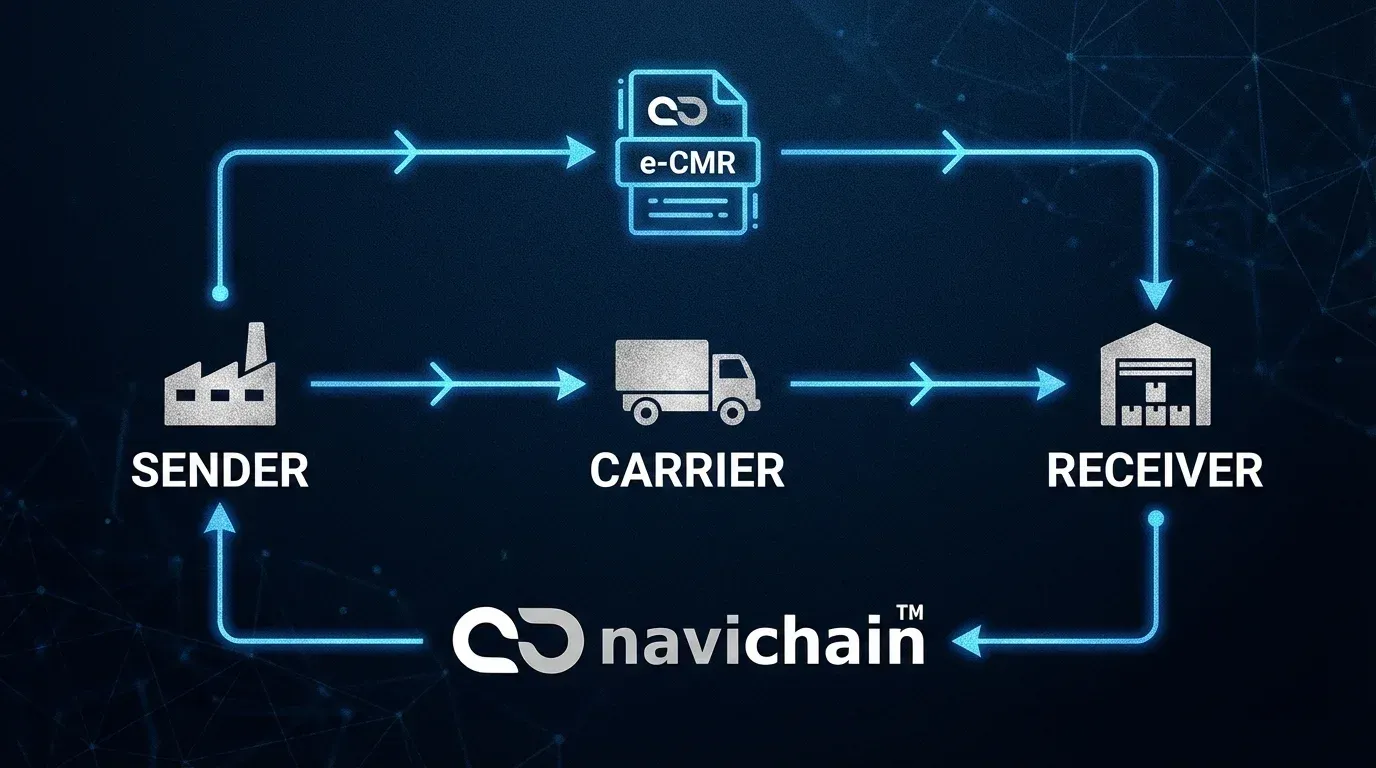
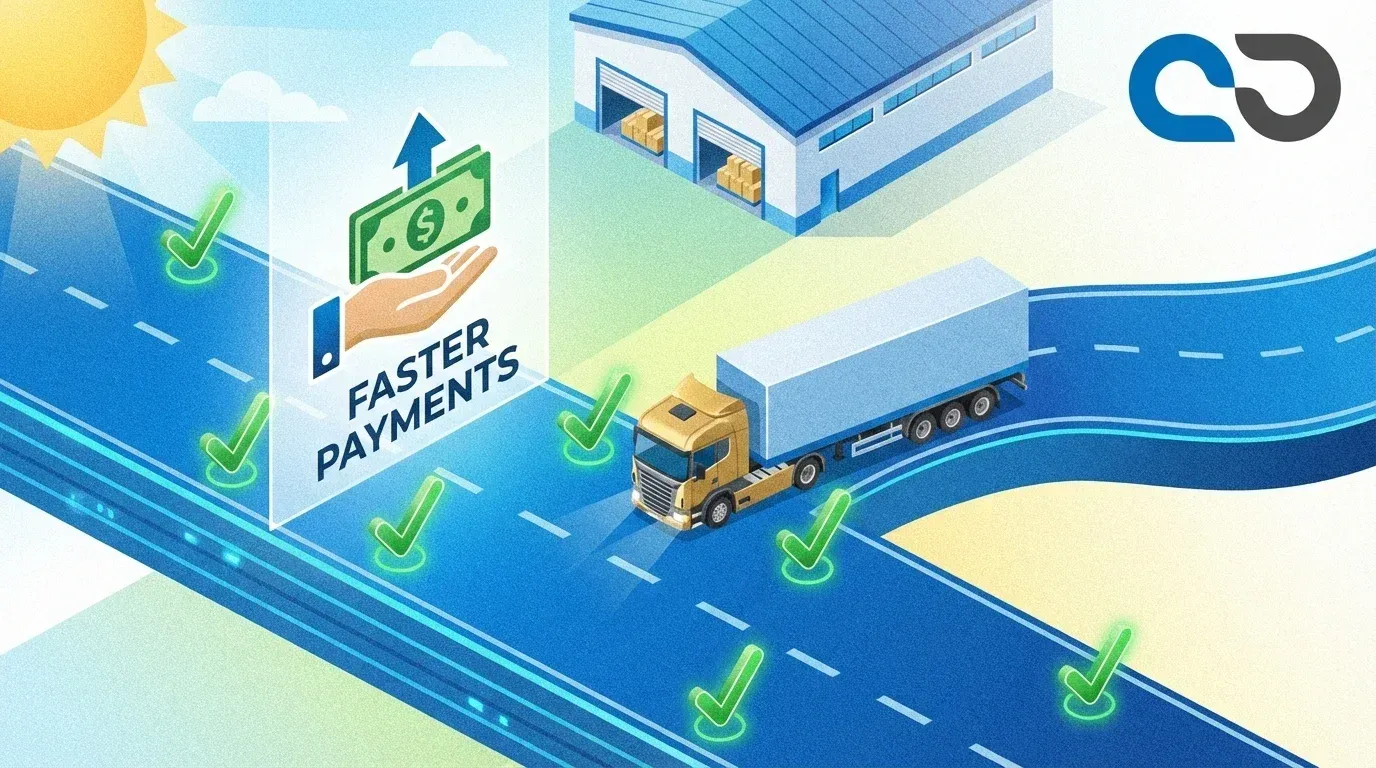
An e-CMR is not a static document. It is a dynamic, multi-party record that must be securely shared in real-time between the consignor, the carrier (you), and the consignee. In a unified technology environment, this simple act becomes a streamlined process. Consider the optimized reality: 1. Automated Data Transfer: A planner enters order details into the TMS. The relevant information (addresses, package details, quantities) automatically populates the e-CMR within the same system on the driver's tablet. 2. Real-Time Visibility: The e-CMR app confirms delivery, and this 'Proof of Delivery' (POD) data automatically flows back into the TMS to update the load status, triggering the billing system. 3. Automated Billing: The finance department no longer needs to manually retrieve the digital POD from a separate portal. The system automatically generates an invoice in the accounting software, significantly reducing billing cycles. This is true digitization. The e-CMR unifies the transport process, creating a central source of truth. The SME benefits from reduced manual reconciliation, accelerated invoicing, and improved data accuracy. The e-CMR becomes a core component of a seamless, efficient workflow.
Benefit 2: Enhanced Customer Experience (the 'Satisfaction Multiplier')
Beyond operational efficiency, e-CMR offers significant opportunities to improve customer satisfaction. Real-time tracking, immediate access to delivery information, and streamlined communication create a superior experience for your clients.
- Real-Time Updates: Customers can receive automatic notifications about the status of their shipment, providing greater transparency and peace of mind.
- Faster Issue Resolution: Digital documentation facilitates quicker identification and resolution of any delivery issues, leading to happier customers.
- Reduced Paperwork: Eliminating paper-based processes not only saves time but also presents a modern, environmentally conscious image to your customers.
By leveraging e-CMR effectively, SMEs can differentiate themselves in a competitive market and build stronger, more loyal customer relationships.
Benefit 3: Data-Driven Insights (the 'Optimization Accelerator')
Fig 2: The true long-term value of digitization is using unified data to make smarter decisions and improve service.
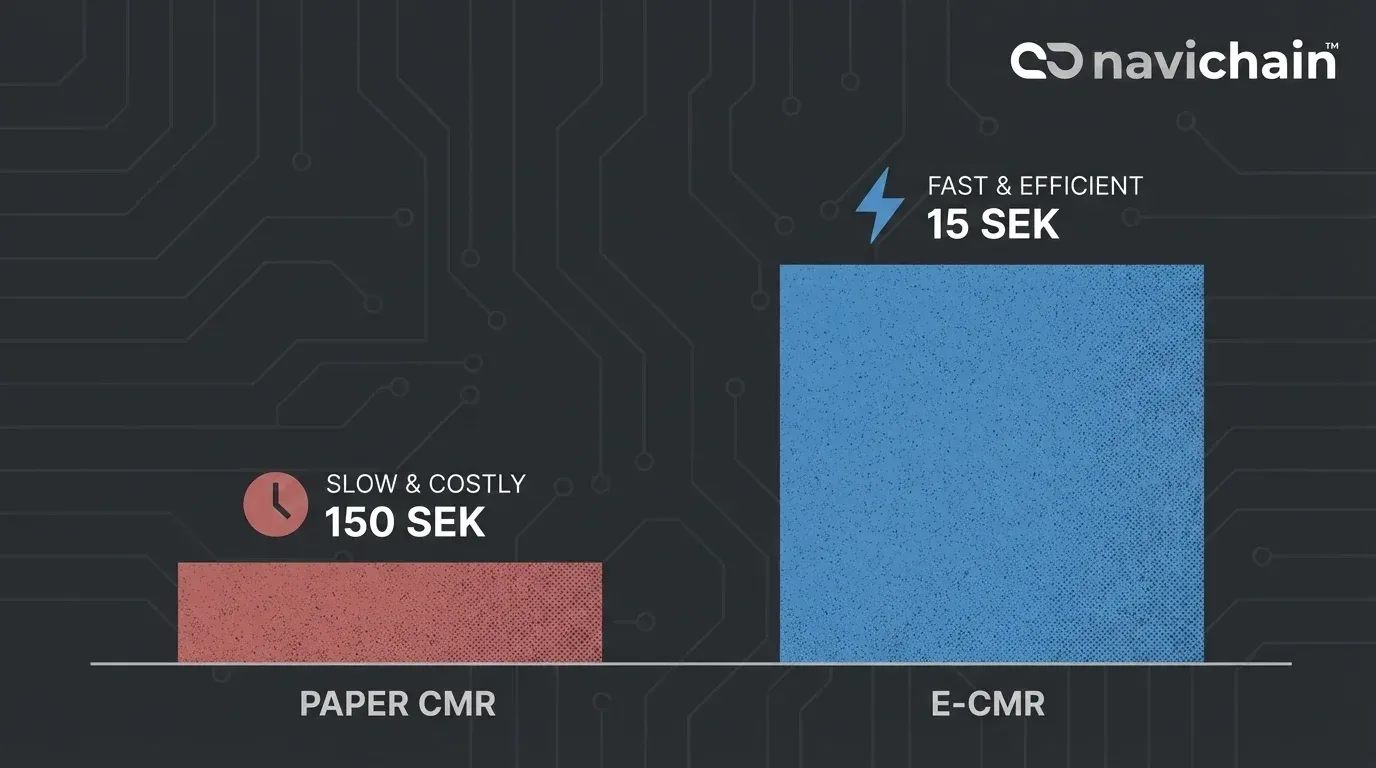
This chart illustrates how fragmented data systems prevent businesses from leveraging e-CMR data for strategic decision-making and comprehensive business insights.
When your systems are integrated, you unlock the true potential of your data. The data from your e-CMR (delivery times, exceptions, wait times at docks) is seamlessly connected to your TMS data (fuel costs, driver hours, route plans) and your billing data (invoice accuracy, time-to-payment). You can now answer fundamental business questions with confidence: * 'Which customers or routes are the most profitable, considering delivery exceptions and invoice disputes?' * 'Can we predict bottlenecks at a specific consignee's warehouse based on historical e-CMR data?' * 'How can we use real-time POD data to optimize cash flow by invoicing instantly?' By adopting a unified e-CMR solution, you are not just buying a new app; you are investing in the ability to gain valuable insights and continuously improve your operations.
From diagnosis to design: The blueprint for a resilient logistics operating system
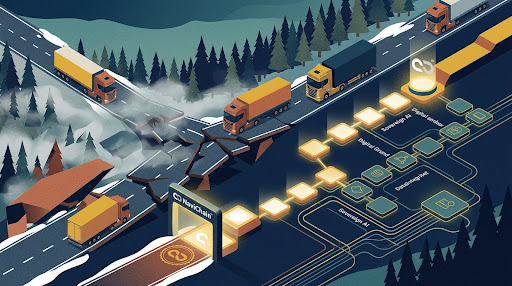
Fig 3: They reveal that the old model of bolting-on disparate applications is broken.
The challenges of e-CMR adoption are not technical problems; they are strategic ones. They reveal that the old model of bolting-on disparate applications is broken. To survive and thrive, SMEs need to move from a fragmented 'app-stack' to a unified 'operating system'. Solving the e-CMR opportunity requires a strategic blueprint, one built on three core principles. This framework provides a mental checklist for evaluating any solution.
Principle 1: Unified operational fabric
This principle addresses the need for Seamless Interoperability. A modern logistics platform must not simply 'integrate' with other systems; it must be the system. The e-CMR function cannot be a bolt-on. It must be a native, core feature of a single, unified platform where your Transportation Management (TMS), Warehouse Management (WMS), Billing, and Order Management all function as one cohesive unit. Think of this as the 'central nervous system' for your operation. When a load is completed, the e-CMR's digital POD is the event that simultaneously updates the TMS, informs the WMS, and triggers the billing module to generate a verified invoice. There is no data re-entry, no reconciliation, and no silo. This creates a single source of truth, from order to invoice, eliminating administrative friction and errors.
Principle 2: Customer-Centric Data Transparency
Modern customers demand visibility. Look for a solution that empowers you to share real-time information about their shipments, including e-CMR data, effortlessly. This not only improves the customer experience but also reduces support inquiries and strengthens relationships.
Principle 3: Embedded Analytic Intelligence
This principle leverages Data-Driven Insights. The final component of a modern system is an embedded intelligence layer that runs within this secure environment. This allows you to analyze the complete, end-to-end data flow from your unified platform. It can correlate e-CMR delivery exceptions with TMS route planning to suggest more profitable routes. It can analyze billing data against POD time-stamps to predict cash flow. It moves you from reactive reporting to predictive insight, unlocking efficiencies that are simply invisible when your data is fragmented.
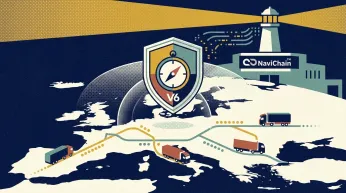
A vital aspect to consider, however, is where this data is stored. While data sovereignty might seem a secondary concern, European SMEs should be mindful of where their operational data, especially information included in e-CMRs, is physically located. Selecting a provider that stores data within the EU can offer marginal benefits in terms of regulatory alignment.
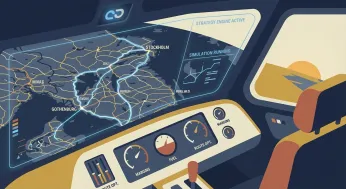
Fig 4: It can correlate e-CMR delivery exceptions with TMS route planning to suggest more profitable routes.
Schematic representation of AI-driven correlation between e-CMR data and TMS route planning, enabling optimization for increased profitability.
Conclusion
The future of SME logistics is here, and it's powered by unified data and customer-centricity. Navichain transcends the limitations of fragmented systems, offering a seamless, end-to-end solution that empowers you to not just participate, but to lead. By embracing a unified operational fabric and unlocking embedded analytic intelligence, you can transform your logistics from a cost center into a strategic advantage. Move beyond reactive problem-solving and towards predictive optimization. Join us in democratizing access to cutting-edge logistics technology and building a future where efficiency and customer satisfaction go hand in hand. The journey to a smarter, more resilient supply chain starts now.
References/sources
- IRU (International Road Transport Union). (2024). e-CMR: Benefits, Legal Framework and Adoption. Retrieved from https://www.iru.org/what-we-do/facilitating-trade-and-transit/e-cmr
- European Commission. (2023). Electronic Freight Transport Information (eFTI) Regulation. Retrieved from https://transport.ec.europa.eu/transport-themes/digital-transport-and-logistics/efti_en
- Official Journal of the European Union. (2016). General Data Protection Regulation (GDPR), REGULATION (EU) 2016/679. Retrieved from https://eur-lex.europa.eu/legal-content/EN/TXT/?uri=CELEX:32016R0679
- Ti Insight. (2024). European Road Freight Transport Market Report 2024. Retrieved from https://ti-insight.com/reports/european-road-freight-transport-2024/
- US Department of Justice. (2018). The CLOUD Act. Retrieved from https://www.justice.gov/opa/speech/file/1043516/download
Fig 4: The challenges of e-CMR adoption are not technical problems; they are strategic ones.
Enabling the blueprint: The navichain SaaS unified logistics platform
Fig 5: It is the exact design philosophy behind the navichain SaaS platform.
This white paper has outlined a strategic blueprint for SME hauliers to navigate the e-CMR opportunity. This framework—built on a Unified Operational Fabric, Customer-Centric Data Transparency, and Embedded Analytic Intelligence—is not theoretical. It is the exact design philosophy behind the navichain SaaS platform. We designed navichain SaaS from the ground up to embody these principles and solve the core challenges facing European SMEs.
- Embodying the Unified Operational Fabric: navichain SaaS is not a collection of modules; it is a single, unified logistics operating system. Our platform seamlessly integrates Transportation Management (TMS), Warehouse Management (WMS), Asset Management, Billing Management, and Order Management. The e-CMR function is a native component, not a third-party add-on. This ensures a single source of truth from order to cash, eliminating data silos and manual work entirely.
- Delivering True Customer-Centric Data Transparency: Navichain empowers you to provide customers with real-time updates and access to critical shipment information, fostering trust and strengthening relationships.
The navichain SaaS platform architecture, embodying the principles of a Unified Operational Fabric and Embedded Analytic Intelligence, ensures integrated logistics management for SME hauliers.
- Activating Embedded Analytic Intelligence: Because your data is unified, we can unlock its true value. Our platform includes integrated data analysis capabilities that allow you to perform deep analysis on your complete, unified operational data to uncover predictive insights and efficiencies you simply cannot see with fragmented systems. Navichain is also hosted on proprietary infrastructure in Sweden. Our mission is to democratize logistics technology for SMEs. We believe you shouldn't have to choose between efficiency and customer satisfaction. The navichain SaaS platform is designed to deliver both, empowering you to move beyond simple compliance and build a truly resilient and intelligent logistics operation.
navichain SaaS: A unified logistics operating system ensuring data efficiency and customer engagement.
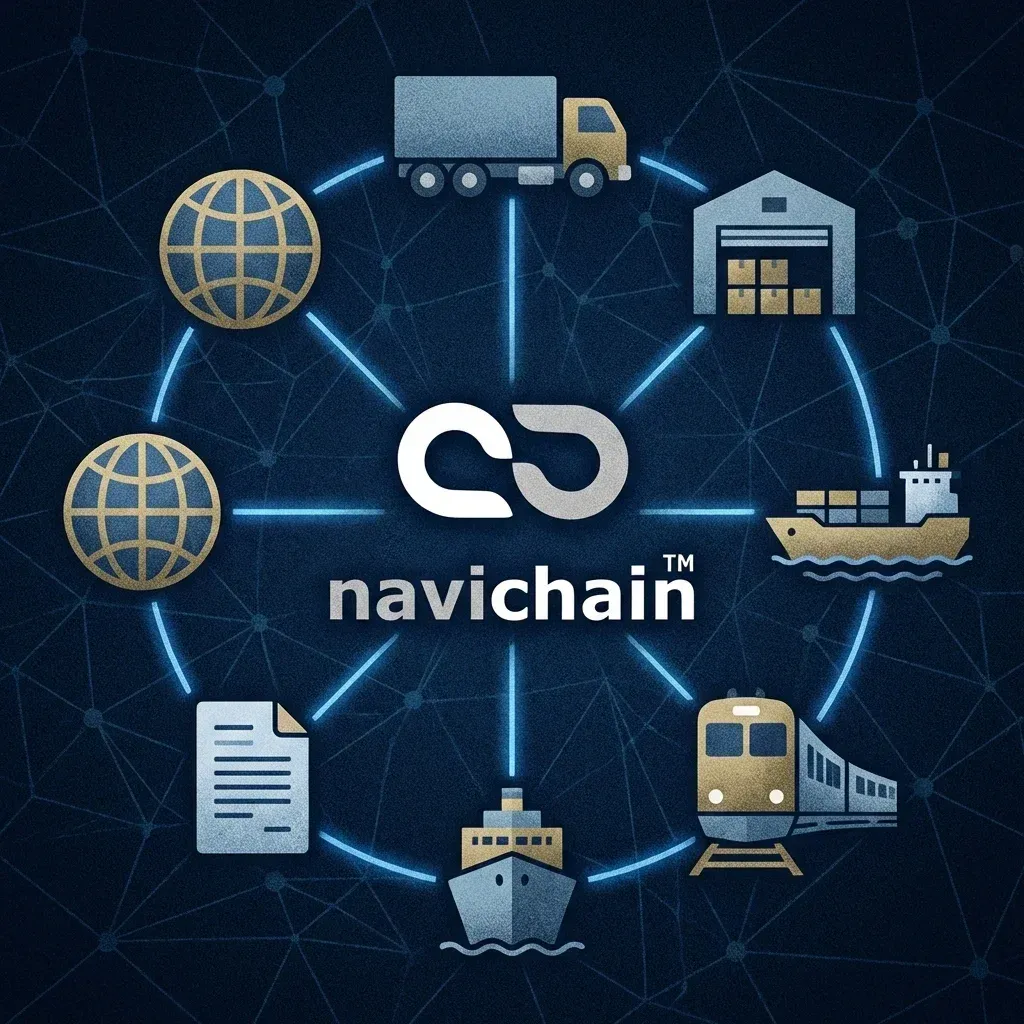
A visual representation of the navichain platform, illustrating its unified approach to logistics operations and embedded analytics.
Ready to optimise your supply chain?
navichain Insights Newsletter
Join the newsletter to receive the latest updates in your inbox.