The e-CMR Efficiency Revolution: Unlocking Value for European SMEs
Table of Contents
Executive Summary
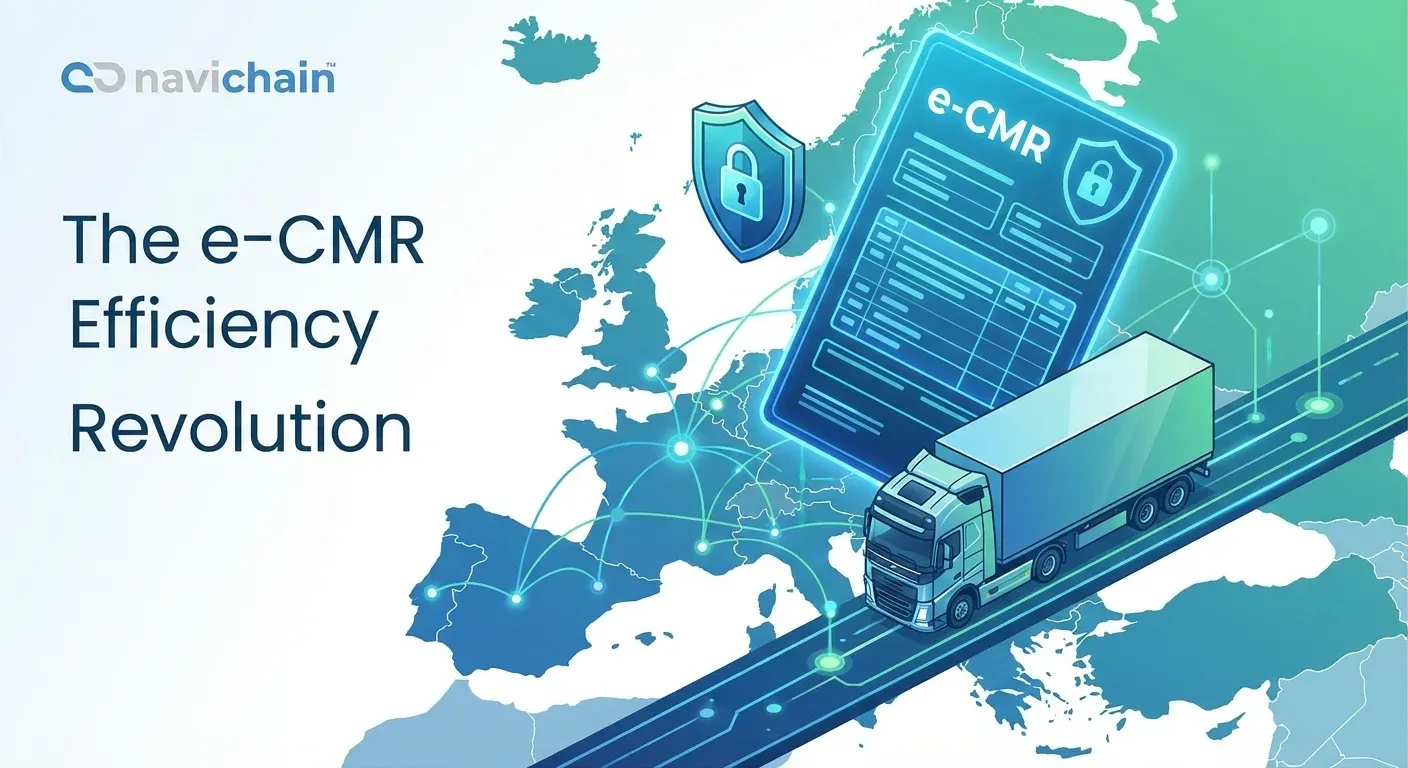
This white paper explores how European SMEs can leverage e-CMR to significantly boost operational efficiency and customer satisfaction. Implementing e-CMR streamlines logistics processes, reducing paperwork and administrative burdens. A unified, self-hosted platform further amplifies these benefits, centralizing critical data and enabling real-time visibility across the supply chain. This leads to faster delivery times, fewer errors, and improved communication, all contributing to enhanced customer satisfaction. By adopting e-CMR within a secure, self-hosted environment, SMEs gain a competitive edge through optimized operations and improved service delivery, fostering stronger customer relationships.
e-CMR is poised to unlock billions in savings for European SMEs by driving operational efficiency and enhancing customer satisfaction. But are you maximizing its full potential? Discover how a unified, self-hosted platform can deliver e-CMR benefits without compromising your operations or data security.
The e-CMR Efficiency Revolution: Unlocking Value for European SMEs
The push for full e-CMR adoption is intensifying across Europe, promising to save SMEs billions in administrative costs. With over 30 countries having ratified the protocol, digital consignment is no longer an option but an operational imperative. This paper presents a strategic framework for adopting e-CMR that enhances operational efficiency and customer satisfaction. It argues that for European SMEs, digital transformation requires a new model based on a unified, Self-Hosted logistics platform to truly reap the rewards. While data sovereignty offers marginal benefits, the real prize lies in streamlined operations and happier customers.
The inevitable digital leap: E-cmr's unquestionable value

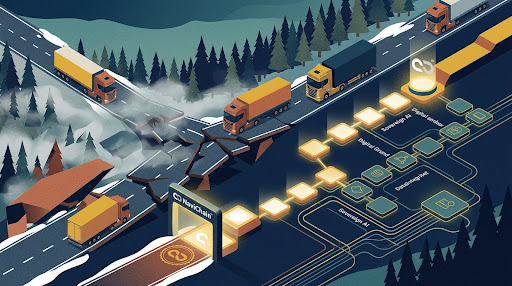
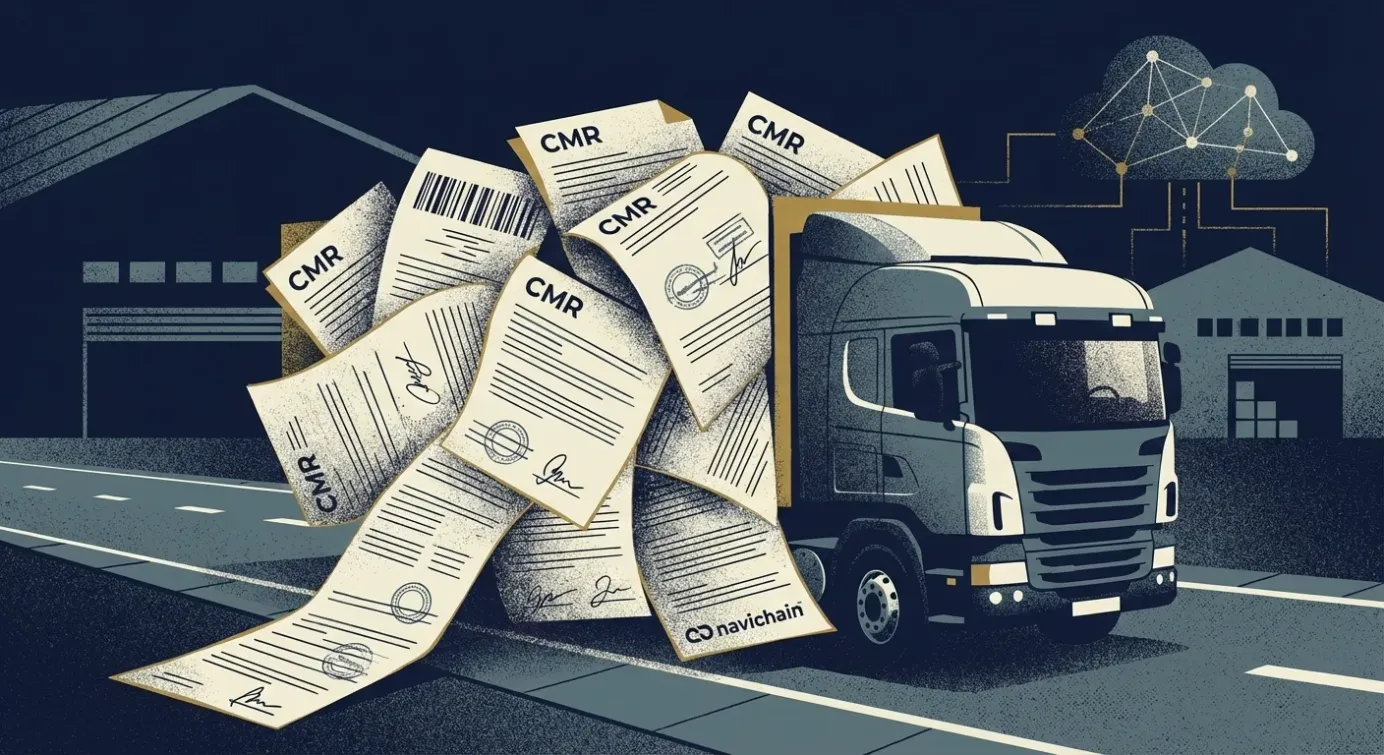
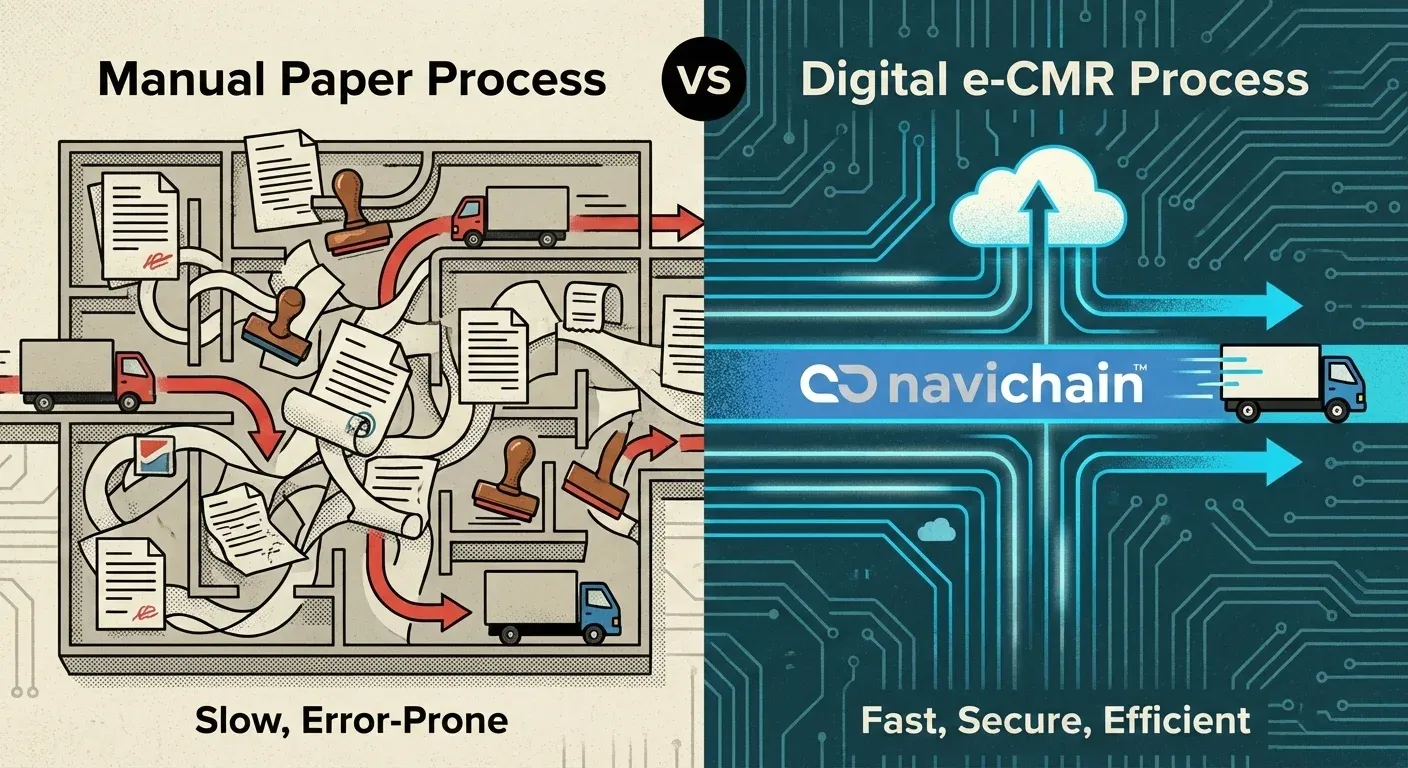
Fig 1: For decades, the physical CMR consignment note represented security but also inefficiency; e-CMR adoption addresses the latter.
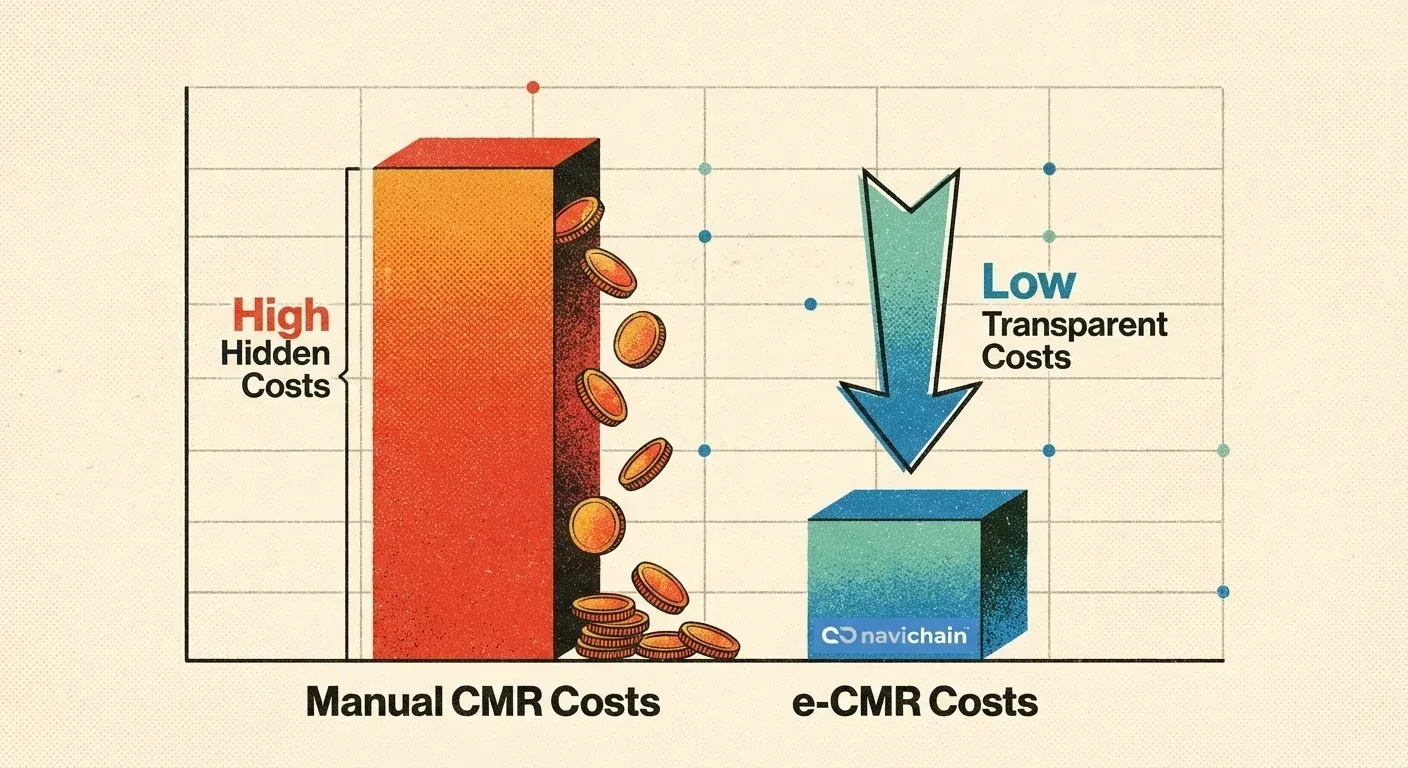
For decades, the physical CMR (Convention relative au contrat de transport international de marchandises par route) consignment note has been the immutable, paper-based backbone of European road freight. It is a symbol of tangible, cross-border agreement, but also one of profound inefficiency. The associated costs of printing, distributing, archiving, and manually processing these multi-part forms are a significant operational drain on Small to Medium-sized Enterprises (SMEs) already battling thin margins. The introduction of the e-CMR protocol, which gives the digital consignment note the same legal standing as its paper counterpart, is arguably the most significant regulatory efficiency gain for the industry this century. The benefits are clear, quantifiable, and compelling: * Cost Reduction: Industry analysis, including data from the IRU (International Road Transport Union), suggests that processing an e-CMR is up to four times cheaper than a paper-based one. This translates to an estimated saving of over €4.5 per consignment.
- Administrative Acceleration: Digital transmission means instant access for all parties—sender, carrier, and consignee. This eliminates postal delays, reduces manual data entry errors, and accelerates the entire billing cycle. Cash flow, the lifeblood of the SME, is directly and positively impacted.
- Real-Time Transparency: A digital note enables real-time updates and proof of delivery (e-POD). This data can be fed directly into Transportation Management (TMS) and Warehouse Management (WMS) systems, providing a level of visibility that is impossible with paper. This increased transparency directly translates into improved customer communication and satisfaction. With over 34 countries, including the vast majority of the EU, having ratified the protocol, the transition is no longer a question of if but when. The EU's Electronic Freight Transport Information (eFTI) regulation further mandates that all member states must have the capacity to accept digital consignment notes. For a pragmatic Operations Director at a Scandinavian haulage company, the directive is simple: adopt e-CMR to stay competitive and compliant. But how can SMEs maximize the benefits of e-CMR to achieve truly transformative results?
Beyond compliance: E-cmr as a driver of customer satisfaction
The central thesis of this paper is that for European SMEs, the urgent push to adopt e-CMR presents a significant opportunity to enhance customer satisfaction and build stronger client relationships. By streamlining processes and providing real-time visibility, e-CMR can be a powerful tool for improving the overall customer experience.
Understanding the customer value of e-cmr
First, we must understand the ways in which e-CMR adoption directly benefits customers. * Real-time Visibility: Customers gain access to real-time updates on the location and status of their shipments, reducing uncertainty and improving planning capabilities. * Faster Delivery Confirmation: e-CMR provides immediate proof of delivery (e-POD), eliminating delays in confirmation and ensuring prompt payment. * Reduced Errors: Digital data entry reduces the risk of errors compared to manual processes, leading to fewer disputes and smoother transactions. * Improved Communication: Real-time data allows for proactive communication with customers about potential delays or issues, fostering transparency and trust.
A visual representation of the data elements contained within an e-CMR, highlighting its potential for enhancing customer communication.
Leveraging e-cmr for competitive advantage
By focusing on customer satisfaction as a key driver of e-CMR adoption, SMEs can differentiate themselves from competitors and build stronger customer loyalty.
- Proactive Communication: Use real-time data from e-CMR to proactively update customers on the status of their shipments.
- Personalized Service: Tailor communication to individual customer needs and preferences.
- Data-Driven Insights: Analyze e-CMR data to identify areas for improvement in the customer experience.
The operational imperative: Maximizing efficiency with e-cmr
Fig 3: The true potential of e-CMR lies in its ability to streamline operations. The true potential of e-CMR lies in its ability to streamline operations.
- Reduced Paperwork: Eliminates the need for printing, distributing, and archiving paper documents.
- Automated Processes: Automates data entry and reduces manual errors.
- Faster Billing: Accelerates the billing cycle and improves cash flow.
- Improved Data Accuracy: Ensures data accuracy and reduces the risk of disputes.
From diagnosis to design: The blueprint for a resilient logistics operating system
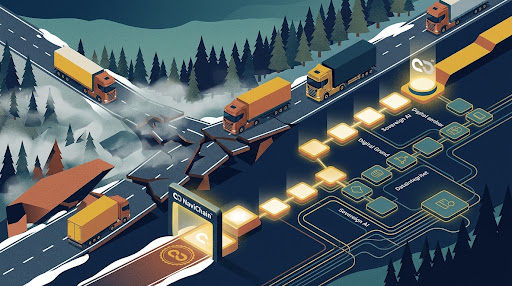
Fig 2: What is required is a holistic approach: a strategic blueprint for a modern logistics platform designed to solve these challenges from the ground up.
We have established that the digitization of compliance, specifically e-CMR, presents significant opportunities for operational efficiency and customer satisfaction. The ad-hoc adoption of disparate tools is no longer a viable strategy. What is required is a holistic approach: a strategic blueprint for a modern logistics platform designed to solve these challenges from the ground up. This blueprint is defined by three core principles that any effective, modern logistics platform for European SMEs must embody. These are the strategic imperatives for building a resilient, compliant, and competitive operation.
Principle 1: Unified operational fabric
The problem of data silos hinders operational efficiency and limits the potential for customer satisfaction. If your e-CMR system is a standalone application, it cannot effectively communicate with your core operations. This creates data fragmentation, manual re-entry, and a fractured audit trail. The first principle is the necessity of a single, integrated system where Transportation Management (TMS), Warehouse Management (WMS), Billing Management, and Order Management function as one cohesive unit. This "central nervous system" for your logistics operation ensures that an e-CMR is not just a digital document, but a live, integrated data point that automatically updates ETAs, triggers billing, and confirms inventory from a single source of truth.
Principle 2: Secure data architecture
This principle is the foundation for building trust with customers and ensuring operational resilience. Ensuring your operational data is stored and processed on secure infrastructure ensures the integrity of the data being shared. Choosing a platform based on secure architecture is not a technical detail; it is a foundational strategic decision for any European logistics company in the digital age.
Schematic illustrating the interconnectedness of TMS, WMS, Billing, and Order Management within a unified logistics platform.
Principle 3: Data-driven optimization
Once you have a unified operational fabric (Principle 1) built on a secure foundation (Principle 2), you unlock the true promise of digitization. The third principle is the necessity of data-driven insights that can analyze this unified, secure data. With the rise of e-CMR, you are no longer just collecting documents; you are collecting structured data. The system can analyze this data in real-time—within the secure environment—to optimize routes, predict maintenance, identify anomalies in billing, and uncover efficiencies that are invisible when data is trapped in silos. This is how you move from basic compliance to data-driven strategic advantage, improving service and customer satisfaction.
Fig 3: Once you have a unified operational fabric (Principle 1) built on a secure foundation (Principle 2), you unlock the true promise of digitization.
Conclusion
The future of logistics for European SMEs is here, and it's built on secure data and unified operations. Navichain empowers you to transcend the complexities of e-CMR compliance, transforming it from a potential pitfall into a powerful catalyst for growth. By democratizing access to sophisticated logistics technology, we're leveling the playing field, enabling you to optimize every facet of your supply chain. Embrace a future where efficiency and security are not mutually exclusive, but rather synergistic drivers of success. Unlock your potential with Navichain and lead the way in the next era of data-driven logistics excellence.
References/sources
- International Road Transport Union (IRU). (2024). e-CMR. Retrieved from https://www.iru.org/what-we-do/facilitating-trade-and-transit/e-cmr (Provides current status, benefits, and ratification list for the e-CMR protocol.)
- EUR-Lex. (2020). Regulation (EU) 2020/1056 on electronic freight transport information (eFTI). Retrieved from https://eur-lex.europa.eu/legal-content/EN/TXT/?uri=CELEX:32020R1056 (The EU regulation mandating the acceptance of electronic transport documents, including e-CMR.)
- European Data Protection Board (EDPB). (2020). Frequently Asked Questions on the judgment of the CJEU in Case C-311/18 - Data Protection Commissioner v Facebook Ireland Ltd and Maximillian Schrems. Retrieved from https://edpb.europa.eu/our-work-tools/our-documents/other/frequently-asked-questions-judgment-court-justice-european-union_en (Provides official guidance on the implications of the Schrems II ruling for data transfers.)
- US Department of Justice. (2018). The CLOUD Act. Retrieved from https://www.justice.gov/opa/press-release/file/1046331/download (Official text and explanation of the Clarifying Lawful Overseas Use of Data Act.)
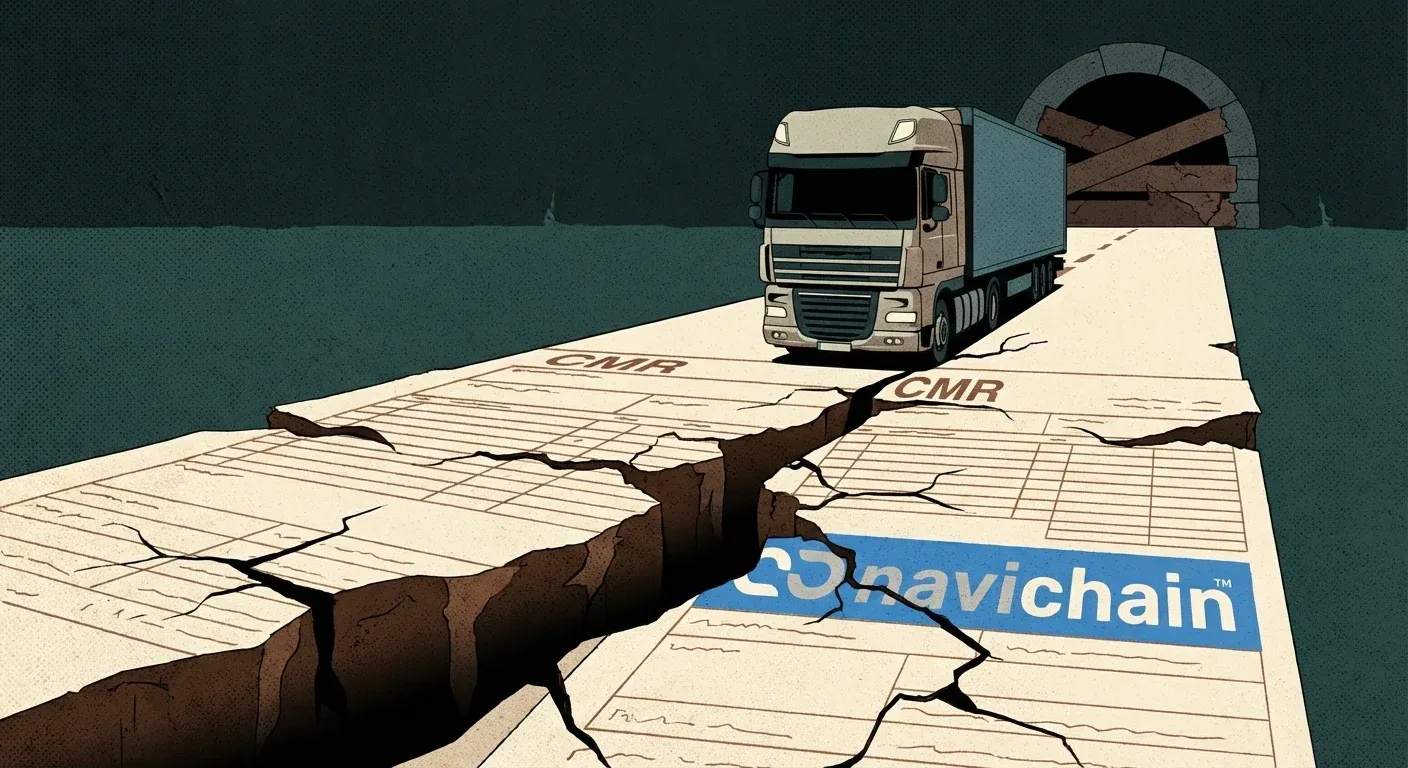
- European Data Protection Board (EDPB). (2020). Frequently Asked Questions on the judgment of the CJEU in Case C-311/18 - Data Protection Commissioner v Facebook Ireland Ltd and Maximillian Schrems. Retrieved from https://edpb.europa.eu/our-work-tools/our-documents/other/frequently-asked-questions-judgment-court-justice-european-union_en (Provides official guidance on the implications of the Schrems II ruling for data transfers.) Fig 4: We have established that the digitization of compliance, specifically e-CMR, is fraught with hidden data sovereignty risks.
Enabling the blueprint: The navichain SaaS unified logistics platform
Fig 4: The navichain SaaS platform is designed from the ground up to be the concrete realization of this exact framework.
This white paper has outlined a strategic blueprint for achieving operational efficiency and customer satisfaction with e-CMR, built on the principles of a Unified Operational Fabric, Secure Data Architecture, and Data-Driven Optimization. The navichain SaaS platform is designed from the ground up to be the concrete realization of this exact framework. We directly embody the principles required for European SMEs to thrive securely and efficiently in the digital age: * For 'Unified Operational Fabric': navichain SaaS is not a collection of separate modules. It is a single, unified logistics operating system that natively integrates Transportation Management (TMS), Warehouse Management (WMS), Asset Management, Billing, and Order Management. Your e-CMR data flows seamlessly from creation to billing, creating the single source of truth described in Principle 1.
- For 'Secure Data Architecture': This is our core foundation. The entire navichain SaaS platform is built on secure infrastructure and ensures the integrity of your data. While some systems require data to be stored externally, we've prioritized our structure to enable the data to be accessible with appropriate permissions while delivering your end to end logistics operations. This provides our foundation of trust and efficient risk management from Principle 2.
The navichain SaaS platform empowers businesses to realize the strategic blueprint for unified operations, integrating key operational elements for enhanced data control and security.
- For 'Data-Driven Optimization': Our platform features insights to analyze your operational data—including your e-CMR records—to unlock unique efficiencies, optimize operations, and make smarter decisions, improving service and customer satisfaction.
Our mission is to democratize logistics technology for SMEs. We believe you shouldn't have to choose between digital efficiency and data security. The navichain SaaS platform empowers you to achieve both, turning regulatory compliance from a strategic risk into your greatest competitive advantage.
The navichain SaaS platform provides a unified, secure, and data-driven logistics operating system, ensuring operational efficiency and customer satisfaction for European SMEs.
The navichain platform provides a holistic view of your logistics operations, facilitating secure, compliant, and efficient data management for European SMEs.
Ready to optimise your supply chain?
navichain Insights Newsletter
Join the newsletter to receive the latest updates in your inbox.