Sovereign Billing: Commanding Revenue Assurance
Table of Contents
In today's competitive logistics landscape, revenue leakage poses a significant threat. Disputed charges, inaccurate data, and manual processes erode profitability. The strategic imperative is to achieve absolute control over telematics data for revenue assurance. This white paper introduces Sovereign Billing, a paradigm empowering companies to command revenue streams. By building a self-hosted, telematics-driven rating engine, logistics companies can break free from third-party API constraints and manual input unreliability, establishing indisputable invoicing and maximized profitability. The objective is to ensure every mile, minute, and service is accurately captured and billed, without compromise, through data sovereignty.
The Precision Paradox
The logistics industry demands near-perfect operational precision. However, a critical vulnerability undermines these efforts: reliance on inherently imprecise data sources for billing. While technology has revolutionized fleet management and route optimization, the billing process often lags, susceptible to human error, manipulation, and third-party limitations. This disconnect creates a "Precision Paradox," where operational excellence is undermined by inaccurate billing.

This paradox manifests in several ways: * Manual mileage and delivery time recording, susceptible to errors and inflation. * Dependence on third-party APIs, introducing external dependencies, costs, and potential privacy concerns. * Lack of real-time visibility into vehicle location and activity, hindering accurate calculation of waiting times and demurrage charges.
The "Precision Paradox" highlights the need for a new approach leveraging real-time telematics data and advanced analytics to bridge the gap between desired accuracy and actual billing performance. Sovereign Billing offers a solution, a proactive measure for defense.
Data Sovereignty Gap
The current logistics billing landscape is riddled with vulnerabilities eroding profit margins: reliance on external services, dependence on manual input, and data fragmentation. These factors create inaccuracy, inefficiency, and lost revenue.
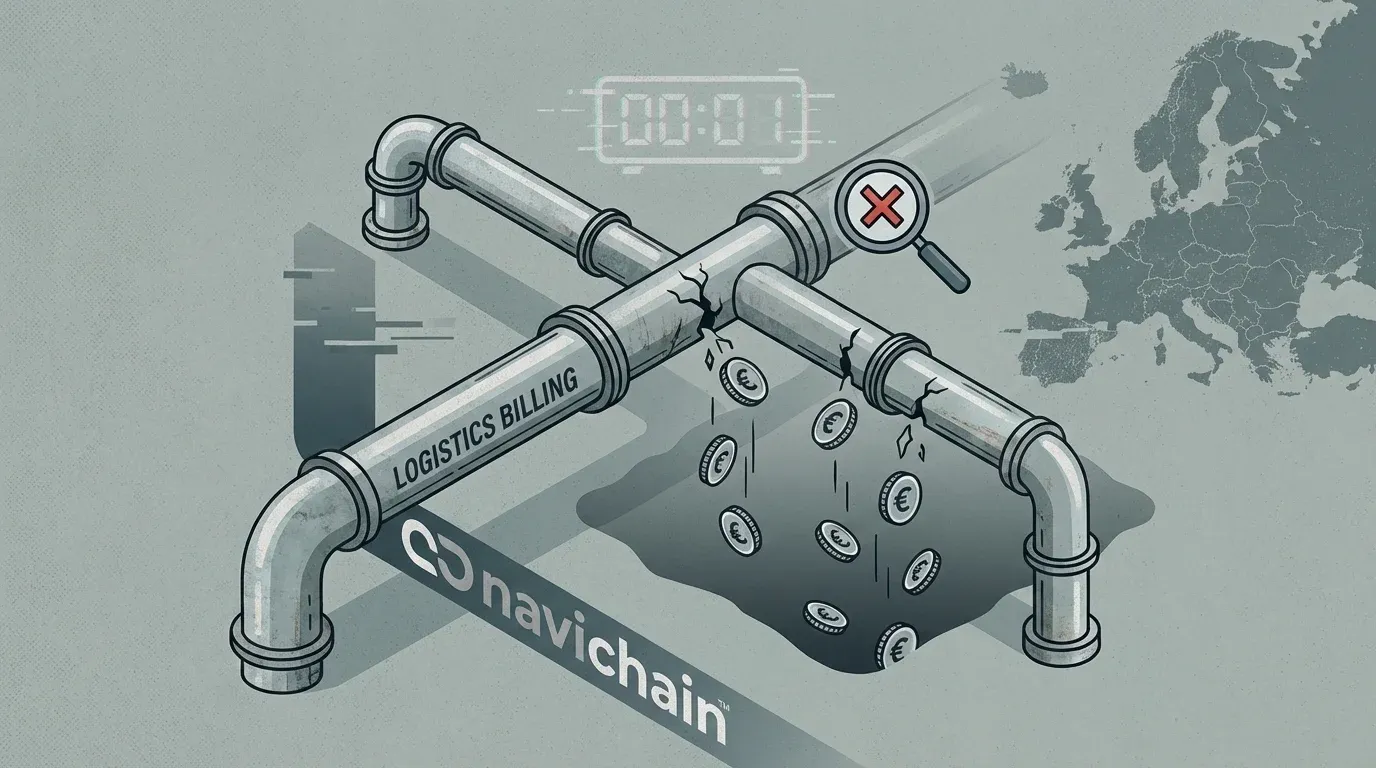
The Perils of External Service APIs:
While seemingly convenient, external APIs introduce problems: * Erosion of Data Sovereignty: Entrusting sensitive location data to external entities raises significant privacy and regulatory compliance issues. Logistics companies relinquish control over their data, potentially exposing themselves to security breaches and misuse of information. Legal and regulatory changes impacting API usage can lead to revenue loss. * Unpredictable Cost Overruns: API usage fees can escalate rapidly, particularly with high-volume transactions and complex calculations. The "pay-as-you-go" model can quickly become a financial liability, especially with dynamic routing and real-time geofencing. * Crippling Dependence on External Services: Service outages, API deprecations, and pricing model changes can disrupt billing processes and negatively impact revenue. Logistics companies become vulnerable to external providers' limitations, with no guaranteed SLAs or timely support. * Inflexible Customization and Lack of Control: Adapting external solutions to specific business needs, tariff structures, and specialized use cases can be challenging and costly. Logistics companies are often forced to compromise on functionality or incur significant customization expenses. * Inability to Audit Service Behavior: You are trusting the black box. If something goes wrong with geofencing, are you able to diagnose why?
The Pitfalls of Driver Manual Input: A Recipe for Inaccuracy and Dispute
Trusting drivers to accurately record mileage, waiting times, and other information is a recipe for inaccuracy and potential disputes: * Inevitable Human Error: Mistakes are inevitable, leading to incorrect invoices and lost revenue. * Opportunity for Manipulation: Drivers may intentionally or unintentionally misreport data, resulting in inaccurate billing. * Time-Consuming Reconciliation and Verification: Verifying manual input against other data sources is laborious and inefficient. This requires significant administrative overhead. How do you disprove a driver's claim that they waited 1 hour when you have no data to back that up? * Lack of Real-Time Visibility: Manual input typically occurs after the fact, providing no real-time visibility into vehicle location and activity.
Data Silos: The Barrier to Holistic Revenue Management
Data silos, where information is fragmented across disparate systems, prevent a holistic view of operations and hinder accurate billing: * Inconsistent Data and Reporting: Different systems may use different units of measurement, coding schemes, or data formats, leading to inconsistencies and errors in billing calculations. * Inefficient Data Integration: Integrating data from multiple sources can be complex and time-consuming, requiring specialized expertise and custom-built interfaces. * Limited Visibility and Analytics: Data silos prevent comprehensive analysis of operational performance and hinder the identification of revenue leakage opportunities. You cannot accurately compare driver data with telematics if they exist in separate databases.
These vulnerabilities lead to: * Costly Billing Disputes: Discrepancies between invoices and perceived service delivery result in costly disputes and damaged customer relationships. * Substantial Lost Revenue: Unbilled waiting time, underestimated mileage, uncaptured surcharges, and inaccurate fuel calculations contribute to significant revenue leakage. * Skyrocketing Administrative Costs: Resolving disputes, manually verifying billing data, and managing data silos consume valuable administrative resources, impacting profitability.
The Sovereign Billing Solution
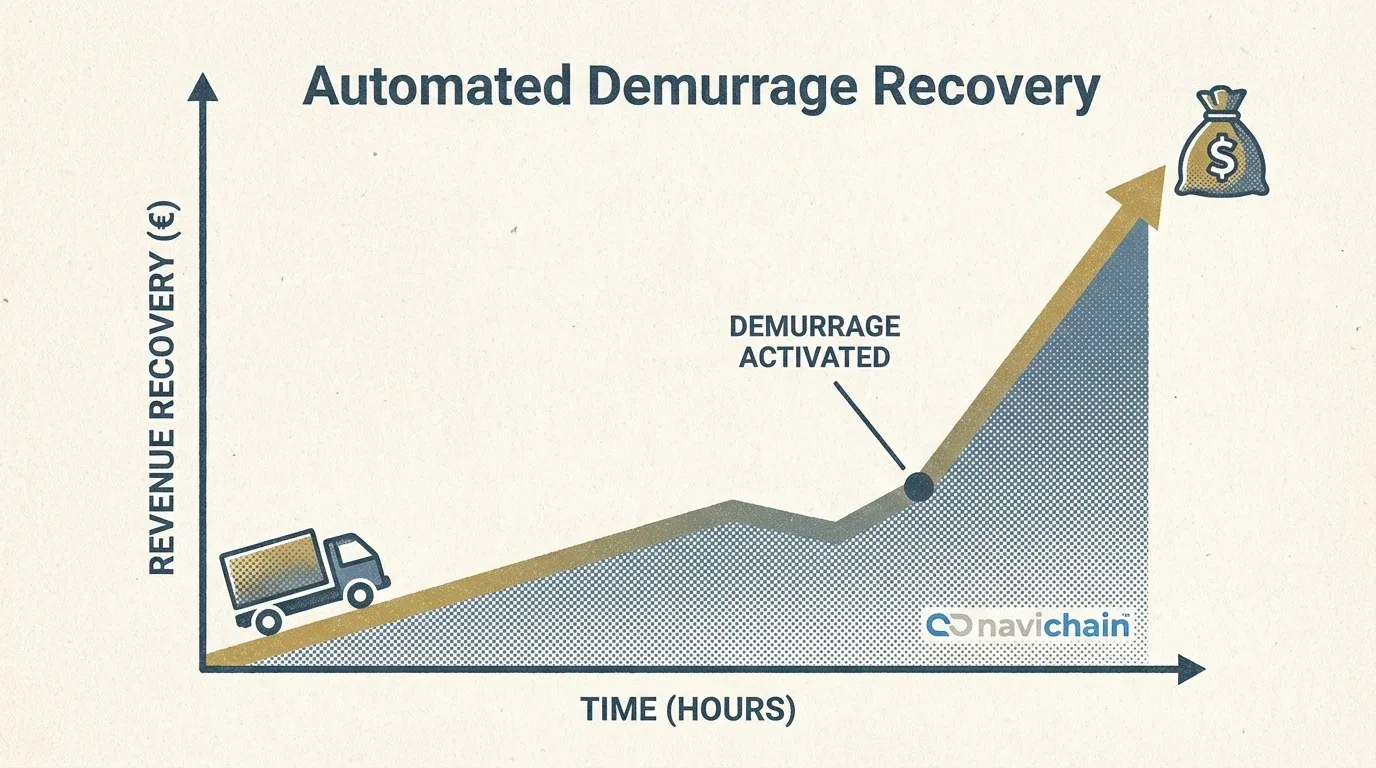
The solution lies in embracing Sovereign Billing – a self-contained, data-driven approach leveraging real-time telematics data and advanced analytics to automate invoice generation, ensure revenue accuracy, and provide irrefutable proof of service. This model involves internalizing functions traditionally outsourced, allowing companies to build a more cost-effective system enabling increased revenue capture. This solution provides:
- Uncompromising Data Sovereignty: Maintain complete control over sensitive location data, mitigating privacy risks and simplifying compliance with data protection regulations.
- High-Precision Geofencing: Accurately define billable zones, customer locations, and restricted areas using a Secure Spatial Engine.
- Real-Time, High-Frequency Location Tracking: Capture vehicle location data with high frequency using a Telematics Core.
- Automated Demurrage Calculation: Automatically calculate waiting time within geofenced areas, ensuring accurate billing for delays.
- Precise Distance Measurement: Calculate actual distance traveled based on high-resolution GPS data, eliminating inaccuracies associated with manual mileage estimates or less granular API calls.
- Flexible and Dynamic Rating Engine: Combine static goods data (weight/volume), dynamic telematics data (distance, waiting time), and manual extras (special handling fees) to generate accurate and comprehensive invoices.
- AI-Powered Reconciliation: Identify and resolve discrepancies between driver app data and telematics data using a open-weight AI models deployed entirely within a self-hosted, sovereign infrastructure for maximum data privacy and local execution Auditor, ensuring data integrity.
- End-to-End Encryption: Protecting data in transit and at rest with robust encryption protocols, safeguarding sensitive information from unauthorized access.
Operational Workflow
This section provides an overview of the operational workflow.
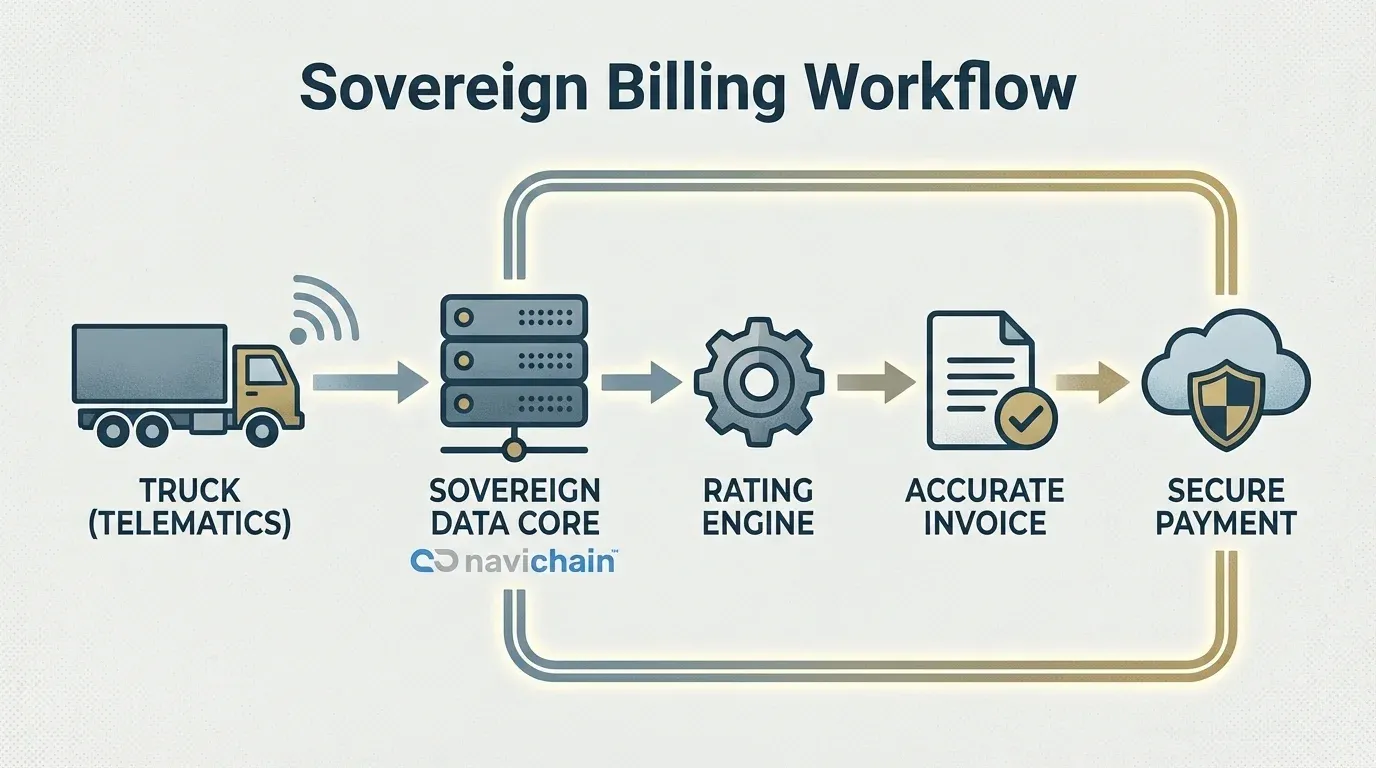
- Geofence Definition: Define geographic boundaries (e.g., customer locations, service areas) within the Secure Spatial Engine.
- Real-Time Tracking: Vehicles transmit location data in real-time to the Telematics Core.
- Proximity Detection: The Secure Spatial Engine detects when a vehicle enters or exits a defined geofence.
- Time Verification: A Sovereign Data Layer tracks the time a vehicle spends within a geofence using time-series data.
- Event Triggering: Entry and exit events trigger billing calculations based on pre-defined rules and rates.
- Data Reconciliation: The AI Auditor compares telematics data with driver-reported data, flagging discrepancies for review.
- Invoice Generation: The rating engine automatically generates accurate and transparent invoices based on verified data.
Business Impact
The telematics-driven rating engine delivers substantial business value by:
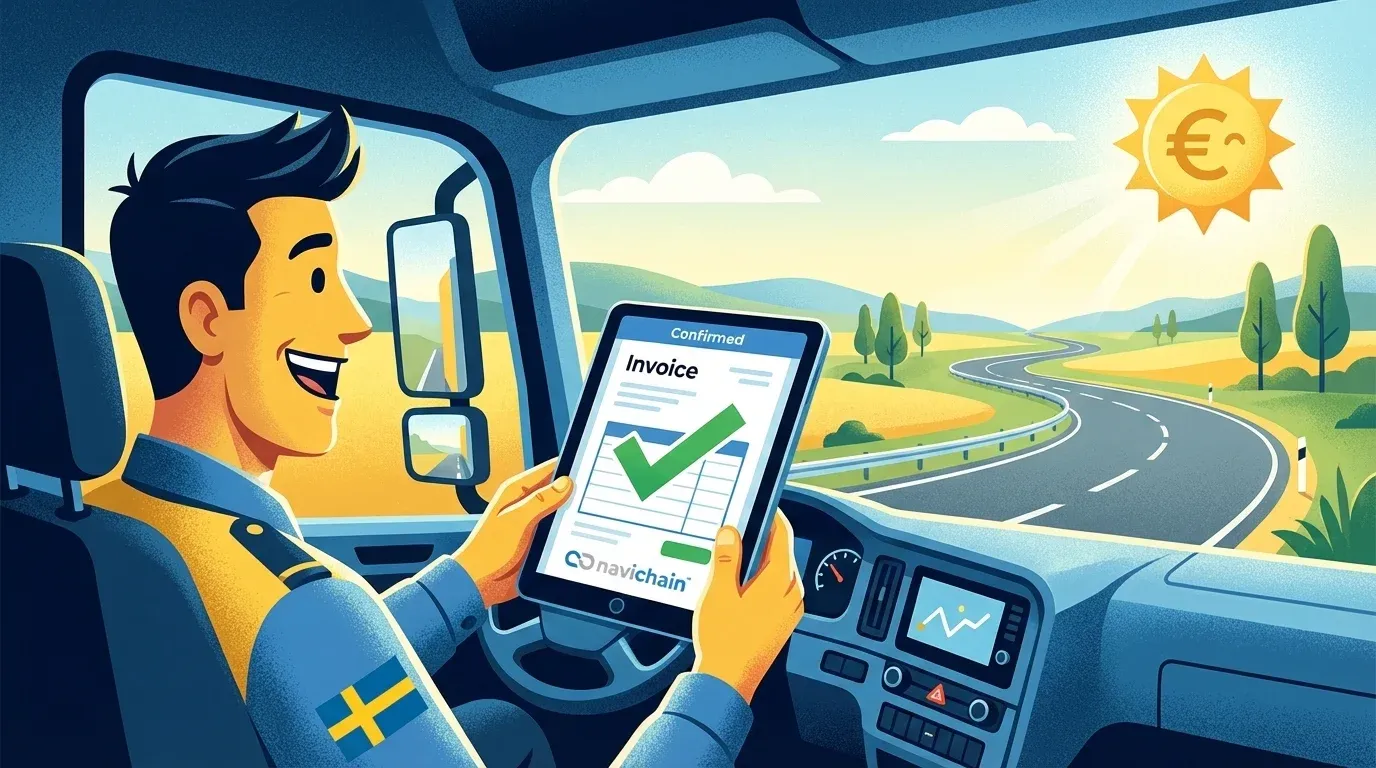
- Revenue Assurance ("Irrefutable Proof of Service"): Providing irrefutable proof of service delivery based on real-time telematics data, minimizing billing disputes and ensuring accurate revenue capture. The phrase "Our system shows X" becomes law.
- Automated Demurrage (The "Silent Revenue" Unleashed): Automatically calculating and billing for waiting time within geofenced areas, capturing previously unbilled revenue.
- Zero Dispute Invoicing (The Goal of Perfection): Generating accurate and transparent invoices based on verifiable data, reducing the incidence of billing disputes and improving customer satisfaction.
- Reduced Administrative Costs (Less Time Spent on Disputes): Automating invoice generation and dispute resolution, freeing up administrative resources for other value-added activities.
- Improved Customer Relationships (Transparency and Trust): Building trust and transparency with customers through accurate and verifiable billing practices.
Scenario: The 45-Minute Waiting Time Dispute
The Problem: A customer disputes a waiting time charge of 45 minutes, claiming the driver was unloaded immediately upon arrival. Traditionally, with manual logs, the logistics company would have no way to verify the claim and would likely have to write off the charge.
The Sovereign Billing Solution: The Secure Spatial Engine automatically captures the vehicle's arrival time at the customer's geofenced location. The Sovereign Data Layer shows the vehicle remained stationary within the geofence for 48 minutes before moving to the next delivery location.
The Resolution: Armed with this irrefutable data, the logistics company presents the customer with the telematics evidence. The customer, realizing the claim is unsustainable, accepts the waiting time charge.
The Outcome: The logistics company collects the full revenue for the waiting time, avoids a costly dispute, and reinforces trust with the customer by demonstrating the accuracy and transparency of its billing practices.
Future Outlook
The traditional approach to logistics billing is riddled with inefficiencies, inaccuracies, and vulnerabilities. By embracing Sovereign Billing and leveraging the power of a Secure Spatial Engine, a Telematics Core, an AI Auditor, and a Sovereign Data Layer, logistics companies can revolutionize their billing processes, unlock significant revenue opportunities, and build stronger customer relationships. This paradigm shift empowers businesses to reclaim control over their data, automate critical processes, and transition to a future of precise, transparent, and profitable billing. The future of logistics is here, and it's built on a foundation of data sovereignty.

Enabling the Vision: The Navichain Unified Logistics Platform
.jpeg)
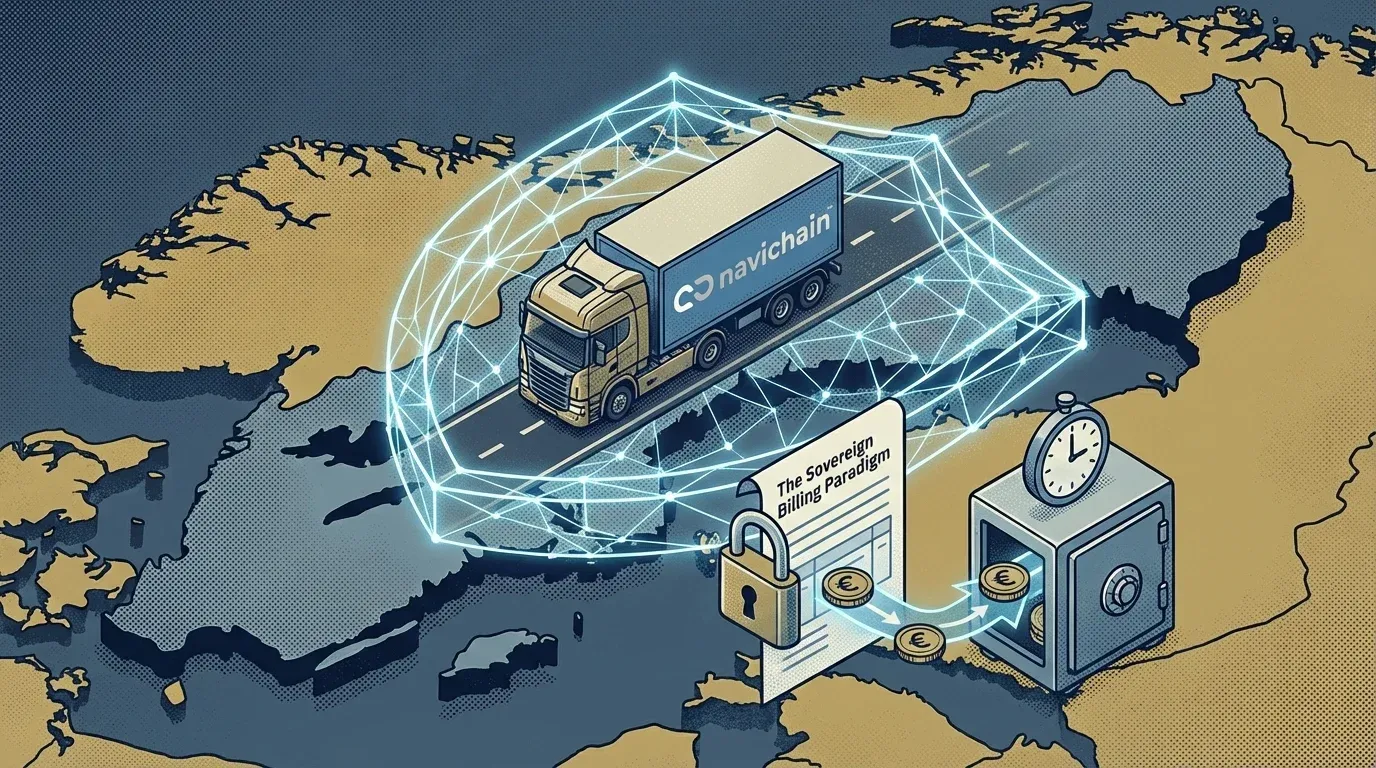
The "Sovereign Billing" paradigm requires a technology platform capable of overriding the limitations of fragmented data and third-party dependencies. Navichain SaaS is engineered specifically to deliver this capability, acting as a Unified Operating System for logistics that integrates telematics, operations, and finance into a single, sovereign core.
The Navichain Advantage
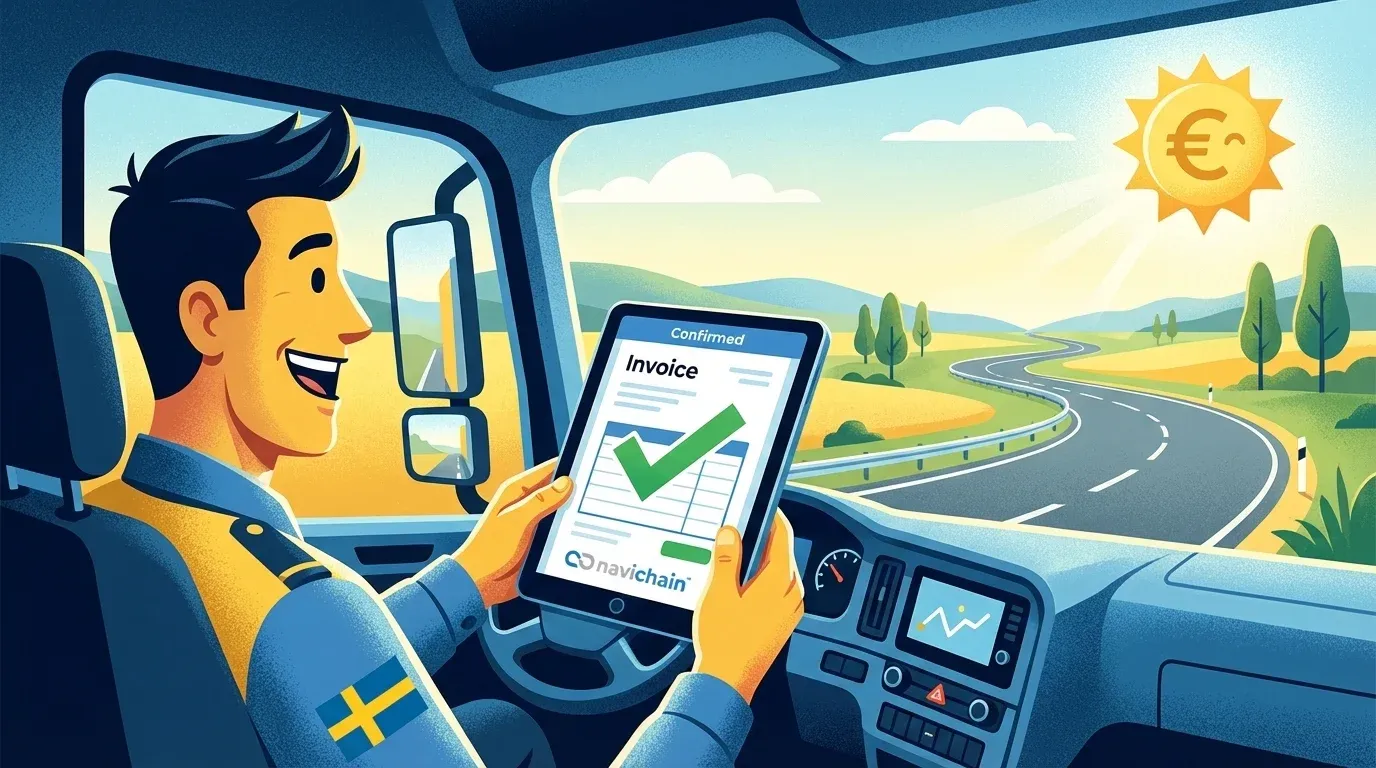
- Unified Operational Fabric: Navichain is not a set of disconnected modules. It seamlessly merges Transportation Management (TMS), Warehouse Management (WMS), and Billing into one continuum. Telematics data captured by the system flows instantly into the billing engine—no APIs, no spreadsheets, no data loss.
- True Data Sovereignty: Critical to the "Sovereign Billing" concept, Navichain is hosted entirely on proprietary infrastructure in Sweden. This ensures that your geofence definitions, customer data, and movement logs remain under strict EU jurisdiction, shielded from the reach of foreign data acts (such as the US CLOUD Act). Your data is your territory.
- Embedded Analytic Intelligence: Because the data is unified and sovereign, Navichain's embedded AI can perform continuous auditing without privacy risks. It acts as the "AI Auditor" described in this paper, automatically flagging waiting time discrepancies and verifying service delivery against geofence logs before an invoice is even generated.
Navichain empowers SMEs to move from passive data consumption to active Revenue Command, turning billing from a back-office headache into a strategic competitive advantage.
Reclaim your revenue. Start your trial today.
navichain Insights Newsletter
Join the newsletter to receive the latest updates in your inbox.