
Six Sigma: The Pursuit of Perfection
Table of Contents
1. Executive Summary
Definition and core value. Six Sigma is a set of techniques and tools for process improvement. It seeks to improve the quality of the output of a process by identifying and removing the causes of defects and minimizing variability in manufacturing and business processes.
2. The Friction (The Problem)
Why this is hard. The Hidden Factory. In many organizations, up to 40% of effort is spent fixing mistakes that shouldn't have happened. Rework, returns, and warranty claims are the 'Hidden Factory' that eats profit. Variability is the enemy; without Six Sigma, you are betting on luck, not process.

Figure 2: Visualizing the strategic problem.
3. Theoretical Background
The Mechanics. Developed by Motorola in 1986. A 'Sigma' rating indicates the yield of a process. * 6 Sigma: 3.4 defects per million opportunities (99.99966% perfection). * Methodology: DMAIC (Define, Measure, Analyze, Improve, Control). * Goal: To reduce process variation so that virtually all outputs meet customer specifications.
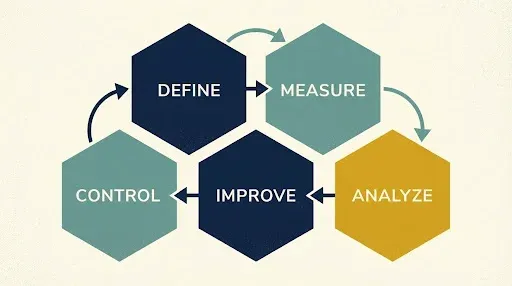
Figure 3: The core framework visualized.
4. The Data Evidence
Why this matters physically. General Electric estimated that Six Sigma saved them $12 billion over 5 years. In logistics, moving from a 3-Sigma process (93% accuracy) to 4-Sigma (99% accuracy) in order picking can save a mid-sized warehouse $500,000 annually in returns and reshipping costs.

Figure 4: The measurable impact of the strategy.
5. Strategic Application
How to implement. Six Sigma in Supply Chain: * Define: The problem is 'Late Deliveries'. * Measure: Track exact delivery times for 3 months. * Analyze: Root cause is 'Traffic at Gate 4'. * Improve: Implement appointment scheduling software. * Control: Monitor compliance weekly to ensure the fix sticks.

Figure 5: Practical application in a logistics context.
6. The Navichain Perspective: The Digital Enabler
Automated precision. Navichain provides the 'Measure' and 'Control' phases automatically. We log every digital interaction—order receipt, dispatch, delivery. This creates the massive dataset needed to run statistical analysis (Analyze) and allows for automated alerts (Control) if the process drifts out of spec.

Figure 6: How Navichain's digital platform operationalizes this strategy.
7. Real-World Success Stories
Case Studies. * Motorola: The birthplace of Six Sigma, saved $17 billion over two decades by applying it to manufacturing.\n Amazon: Uses Six Sigma ('Operational Excellence') to reduce 'Concessions' (refunds/replacements) to near zero.\n DHL: Uses DMAIC projects to optimize courier routes, reducing fuel consumption and improving on-time performance.
8. Strategic Takeaway

Conclusion. Perfection is impossible, but Six Sigma gets you close enough that your customers can't tell the difference.
9. References
Verified links. * American Society for Quality (ASQ). (n.d.). Learn About Quality. View Resource * Six Sigma Daily. (n.d.). News and Trends. View Resource * Harvard Business Review. (n.d.). Quality Management. View Resource
navichain Insights Newsletter
Join the newsletter to receive the latest updates in your inbox.