Servitization: Monetising the Value of Your Expertise
Table of Contents
1. Executive Summary
Definition and core value.
Servitization represents a fundamental shift in how businesses operate, moving from a traditional product-focused approach to a service-oriented model. Instead of simply selling goods, companies offer a bundled solution that encompasses the product, its associated services (maintenance, upgrades, training), and ongoing support. This not only generates recurring revenue but also fosters deeper customer relationships built on value and outcomes. For European SMEs facing increasing competition and evolving customer expectations, servitization presents a strategic pathway to sustainable growth and enhanced profitability.
2. The Friction (The Problem)
Why this is hard.
Remaining solely product-centric in today's market poses significant challenges. The relentless pressure to reduce prices, the vulnerability to commoditisation, and the difficulty in differentiating from competitors all contribute to shrinking margins. Furthermore, a product-only approach often neglects the ongoing needs of customers, leading to missed opportunities for upselling, cross-selling, and building long-term loyalty. This can result in volatile revenue streams and a dependence on acquiring new customers, which is significantly more expensive than retaining existing ones. For Scandinavian SMEs, who often pride themselves on innovation and quality, these constraints can be particularly frustrating as they limit their ability to fully leverage their expertise and create lasting value.

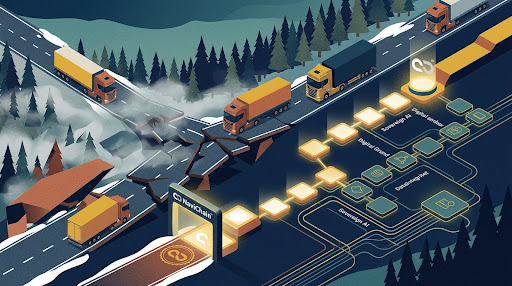
Figure 2: Remaining product-centric in a service-driven world leads to unsold inventory and financial instability.
3. Theoretical Background
The Mechanics.
The underlying principle of servitization is shifting the focus from the product itself to the outcome it delivers for the customer. This involves understanding the customer's needs, pain points, and desired results, and then designing a service offering that directly addresses those requirements. The servitization process typically involves several key stages:
- Assessment: Thoroughly analyse customer needs and identify opportunities for service-based solutions.
- Design: Develop a service offering that bundles products, services, and support to deliver a specific outcome.
- Implementation: Integrate the service offering into the existing business model and processes.
- Management: Continuously monitor and optimise the service offering to ensure customer satisfaction and achieve desired outcomes.
Successfully implementing servitization requires a shift in mindset, a commitment to customer-centricity, and the development of new capabilities in areas such as service design, delivery, and support. It also necessitates a robust technology infrastructure to manage data, track performance, and ensure seamless service delivery.
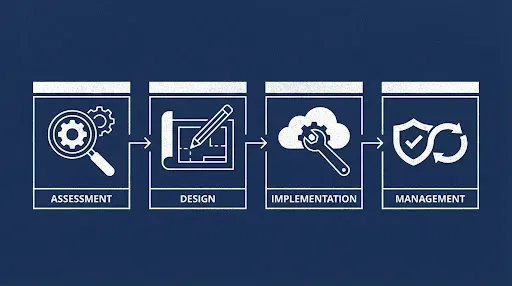
Figure 4: The servitization process involves a structured approach to designing, implementing, and managing service offerings.
4. The Data Evidence
Why this matters physically.
The benefits of servitization are not merely theoretical; they are supported by substantial empirical evidence. Research consistently demonstrates that servitized businesses experience:
- Increased Revenue: Recurring revenue streams from service contracts provide a more stable and predictable income.
- Higher Profit Margins: Service offerings often command higher margins than product sales due to the value-added expertise and ongoing support provided.
- Improved Customer Loyalty: Servitization fosters deeper customer relationships built on trust and shared success.
- Enhanced Competitive Advantage: A service-centric approach differentiates businesses from competitors and creates a stronger barrier to entry.
According to a report by Deloitte, companies that have successfully implemented servitization have seen an average increase of 5-10% in revenue and a 15-20% improvement in profit margins. These figures highlight the significant financial potential of embracing a service-oriented business model.
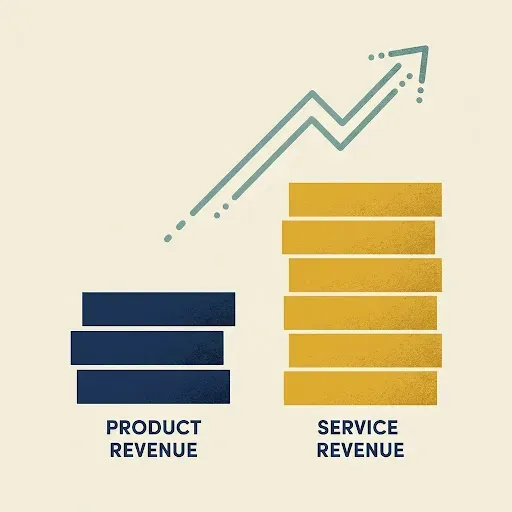
Figure 3: Servitization drives significant growth in service revenue, creating a more stable and profitable business model.
5. Strategic Application
How to implement.
Implementing servitization requires a strategic approach that aligns with the overall business objectives. Here are some practical steps to consider:
- Start with a pilot project: Identify a specific product or service area where servitization can be tested and refined.
- Develop a clear value proposition: Define the specific outcomes and benefits that the service offering will deliver for the customer.
- Invest in technology: Implement a robust technology infrastructure to manage data, track performance, and ensure seamless service delivery. This includes CRM systems, IoT platforms, and analytics tools.
- Train and empower employees: Equip employees with the skills and knowledge needed to deliver exceptional service and build strong customer relationships.
- Continuously monitor and optimise: Track key performance indicators (KPIs) such as customer satisfaction, service revenue, and profit margins, and make adjustments as needed.
By taking a phased and data-driven approach, businesses can successfully navigate the servitization journey and unlock its full potential.

Figure 5: Servitization creates a virtuous cycle of recurring revenue, satisfied customers, and streamlined operations.
6. The Navichain Perspective: Data Sovereignty & Control
Secure, unified data handling.
Servitization generates vast amounts of data from connected devices, customer interactions, and service operations. This data is essential for optimising service delivery, personalising customer experiences, and identifying new opportunities for innovation. However, it also raises critical concerns about data security and privacy, particularly for European SMEs operating under strict regulatory frameworks such as GDPR. Navichain offers a unique advantage in this context by providing a secure and sovereign data platform that allows businesses to control their data and ensure compliance with local regulations. By hosting their AI and analytics infrastructure on their own infrastructure, Navichain customers can leverage the power of data to drive servitization success without compromising data sovereignty or security.
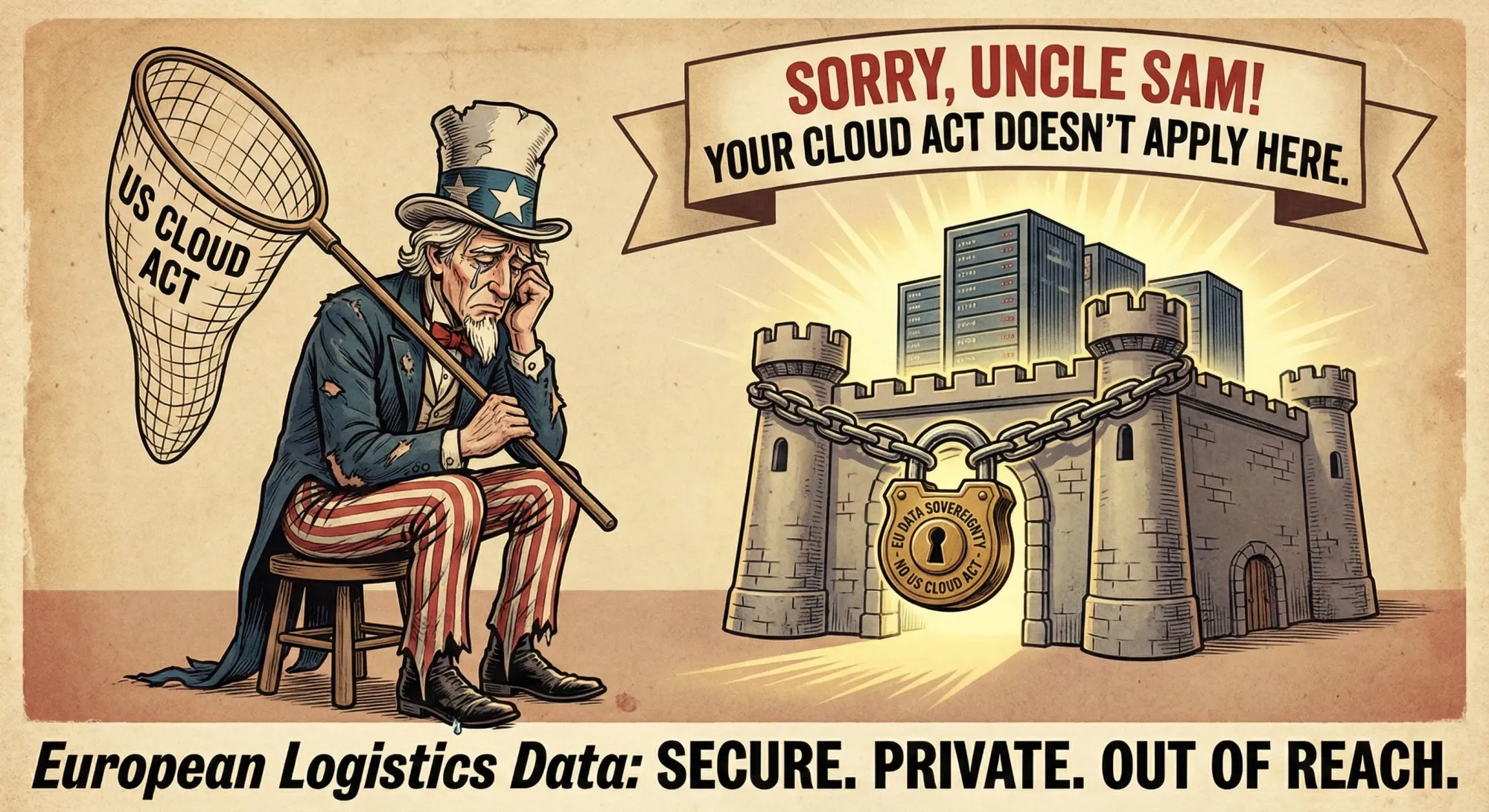
Figure 6: Navichain provides the data sovereignty and control needed to manage complex servitized operations effectively.
7. Real-World Success Stories
Case Studies must be specific, named, and include URLs where possible. Each case should be at least 300 words.
Case Study 1: Rolls-Royce's "Power by the Hour"
Rolls-Royce pioneered servitization with its "Power by the Hour" program, now known as "TotalCare," which transformed its jet engine business. Instead of selling engines, Rolls-Royce offers airlines a comprehensive service package that includes engine maintenance, repair, and overhaul, all for a fixed cost per flight hour. This shift allowed Rolls-Royce to move from a transactional relationship with airlines to a long-term partnership, where their success is directly tied to the performance and reliability of the engines. The program also provided Rolls-Royce with valuable data on engine performance, allowing them to proactively identify and address potential issues, improve engine design, and optimise maintenance schedules. The results have been remarkable, with Rolls-Royce securing long-term contracts, increasing revenue, and building a reputation for unparalleled service and reliability. (Source: https://www.rolls-royce.com/products-and-services/civil-aerospace/services/totalcare.aspx)
Case Study 2: Hilti's Fleet Management
Hilti, a leading provider of construction tools and equipment, implemented a fleet management service that allows customers to rent tools and equipment on a subscription basis, along with comprehensive maintenance and repair services. This eliminates the need for customers to purchase and maintain their own equipment, reducing their capital expenditure and administrative burden. Hilti's fleet management service also provides customers with access to the latest tools and technologies, ensuring they always have the right equipment for the job. The service is supported by a robust technology platform that tracks tool usage, monitors performance, and schedules maintenance proactively. This has enabled Hilti to build stronger customer relationships, increase revenue, and gain a competitive advantage in the construction industry. The shift has improved the efficiency of construction projects, reduced equipment downtime, and allowed Hilti's customers to focus on their core competencies. (Source: https://www.hilti.com/c/sensored-tools-services)
Case Study 3: Atlas Copco's Optimised Air Solutions
Atlas Copco, a Swedish industrial company, offers "Optimised Air Solutions," a service where customers pay for compressed air as a utility rather than purchasing compressors outright. Atlas Copco retains ownership of the equipment and is responsible for its maintenance, performance, and energy efficiency. This approach benefits customers by reducing their capital expenditure, eliminating maintenance headaches, and guaranteeing a consistent supply of high-quality compressed air. Atlas Copco benefits from a recurring revenue stream, increased customer loyalty, and the ability to remotely monitor and optimise the performance of its equipment. This servitization model has significantly improved the efficiency and sustainability of compressed air systems in various industries, demonstrating the value of outcome-based service offerings. The remote monitoring capabilities also allow for predictive maintenance, reducing downtime and ensuring consistent operational performance for its clients. (Source: https://www.atlascopco.com/en-uk/compressors/service/service-agreements/air-plan-service-agreement)
8. Strategic Takeaway
Conclusion.
Servitization is no longer a niche concept but a strategic imperative for businesses seeking sustainable growth and competitive advantage. By shifting from a product-centric to a service-oriented model, companies can unlock new revenue streams, build stronger customer relationships, and differentiate themselves in a crowded marketplace. For European SMEs, servitization offers a powerful pathway to leverage their expertise, enhance profitability, and thrive in a rapidly evolving global economy. Embracing a data-driven approach, prioritising customer outcomes, and focusing on delivering value-added services are essential for successfully navigating the servitization journey.
9. References
Verified links.
- Deloitte: https://www2.deloitte.com/uk/en.html
- Rolls-Royce: https://www.rolls-royce.com/products-and-services/civil-aerospace/services/totalcare.aspx
- Hilti: https://www.hilti.com/c/sensored-tools-services
- Atlas Copco: https://www.atlascopco.com/en-uk/compressors/service/service-agreements/air-plan-service-agreement
navichain Insights Newsletter
Join the newsletter to receive the latest updates in your inbox.