
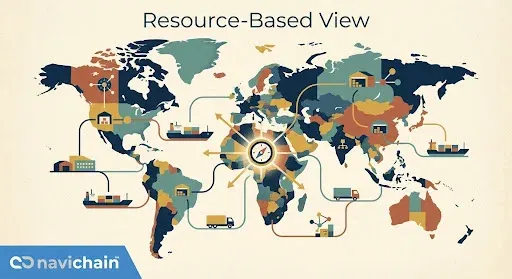
Resource-Based View (RBV): Strategic Advantage from Within
Table of Contents
1. Executive Summary
Definition and core value. The Resource-Based View (RBV) is a managerial framework used to determine the strategic resources a firm can exploit to achieve sustainable competitive advantage. It argues that competitive advantage comes not from external market positioning, but from internal resources that are Valuable, Rare, Inimitable, and Non-substitutable (VRIN).
2. The Friction (The Problem)
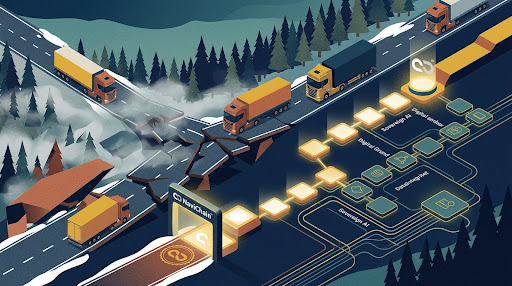
Why this is hard. The Copycat Trap. Companies often try to compete by copying the market leader's features or pricing. This is a race to the bottom. If your advantage can be bought off the shelf (e.g., standard software, rented trucks), it's not an advantage; it's table stakes.

Figure 2: Visualizing the strategic problem.
3. Theoretical Background
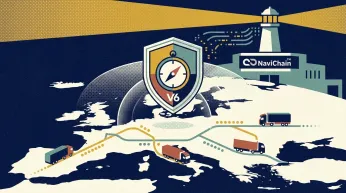
The Mechanics. Popularized by Jay Barney (1991). * Tangible Resources: Physical assets (fleet, warehouses) which are easy to value but easy to copy. * Intangible Resources: Brand reputation, intellectual property, culture. * The VRIO Framework: Is the resource Valuable? Rare? Costly to Imitate? Is the Organization organized to capture value?
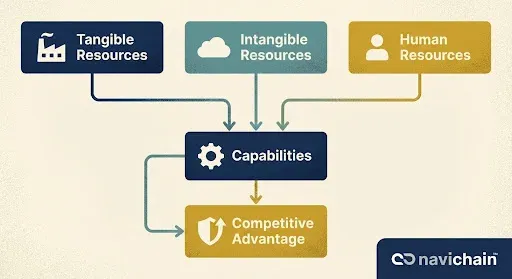
Figure 3: The core framework visualized.
4. The Data Evidence
Why this matters physically. Research indicates that internal firm effects (resources and capabilities) differ 3x more in explaining profit variance than market effects (industry positioning). Firms that successfully identify and leverage a 'Core Competence' grow revenue 15% faster than peers who chase market trends.
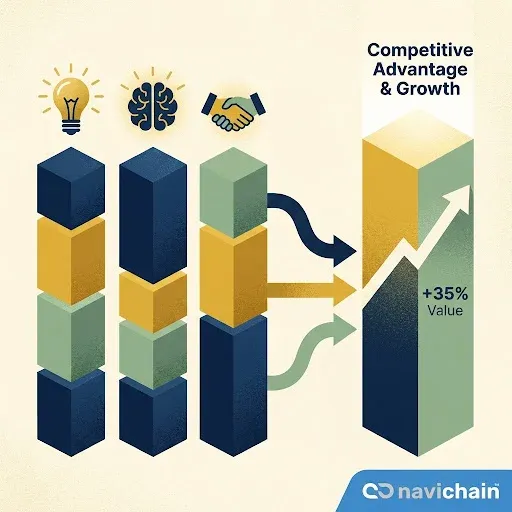
Figure 4: The measurable impact of the strategy.
5. Strategic Application
How to implement. Applying RBV in Logistics: * Audit: List your assets. A generic truck is not a strategic resource. A custom-built refrigerated trailer network for pharmaceuticals is. * Protect: Patent your proprietary routing algorithm. * Leverage: If your 'Rare' resource is driver retention (culture), build your sales pitch around reliability, not just price.
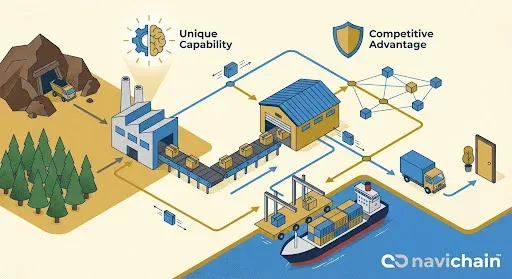
Figure 5: Practical application in a logistics context.
6. The Navichain Perspective: The Digital Enabler
Automated precision. Navichain turns operational data into a strategic resource. Your unique delivery patterns, customer interactions, and driver behaviors are captured in our system. This historical data becomes an 'Inimitable' asset—your competitors can buy the same trucks, but they cannot buy your data history.

Figure 6: How Navichain's digital platform operationalizes this strategy.
7. Real-World Success Stories
Case Studies. * Apple: Its ecosystem (iOS) is a classic VRIN resource; it is valuable, rare, hard to imitate, and organized to capture value. * Southwest Airlines: Its culture and turnaround processes were studied for decades but competitors failed to copy them because they were socially complex (Inimitable). * Zara: Its supply chain speed is a strategic resource that allows it to react to fashion trends weeks faster than rivals.
8. Strategic Takeaway

Conclusion. Stop looking at competitors. Look in the mirror. Your sustainable advantage is already in the building; you just need to identify and cultivate it.
9. References
Verified links. * Strategic Management Journal. (n.d.). Resource-Based Theory. View Resource * Harvard Business Review. (n.d.). Strategy. View Resource * McKinsey & Company. (n.d.). Strategy & Corporate Finance. View Resource
navichain Insights Newsletter
Join the newsletter to receive the latest updates in your inbox.



%3A%20Strategic%20Advantage%20from%20Within)