Predictive Maintenance: The End of Unplanned Downtime
Table of Contents
1. Executive Summary
Definition and core value. Predictive Maintenance (PdM) uses data-driven techniques to monitor the condition of equipment in real-time and predict when maintenance should be performed. It moves maintenance from 'Reactive' (fix it when it breaks) and 'Preventive' (fix it on a schedule) to 'Proactive' (fix it before it breaks).
2. The Friction (The Problem)
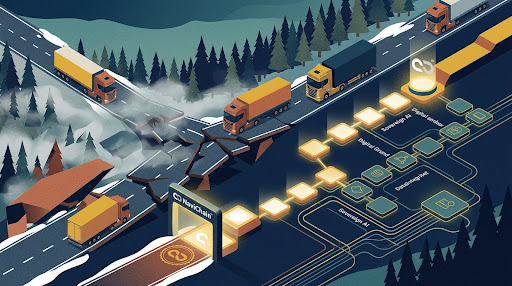
Why this is hard. The Cost of Failure. In logistics and manufacturing, an unplanned breakdown is a disaster. It stops the line, delays shipments, and incurs rush-repair costs. Relying on scheduled maintenance (Preventive) is wasteful (fixing things that aren't broken), while waiting for failure (Reactive) is dangerous.
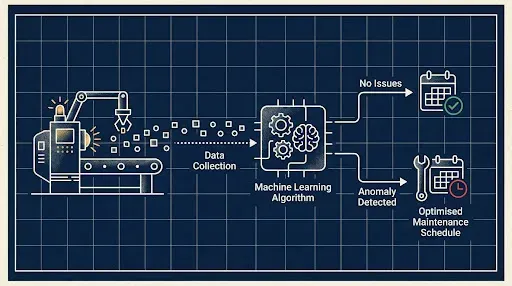
Figure 2: Visualizing the strategic problem.
3. Theoretical Background
The Mechanics. The P-F Curve (Potential Failure to Functional Failure): * Condition Monitoring: Sensors detect heat, vibration, or noise changes. * Alert: AI analyzes the trend and flags an anomaly. * Action: Maintenance is scheduled during planned downtime. * Result: The asset never actually fails in service.
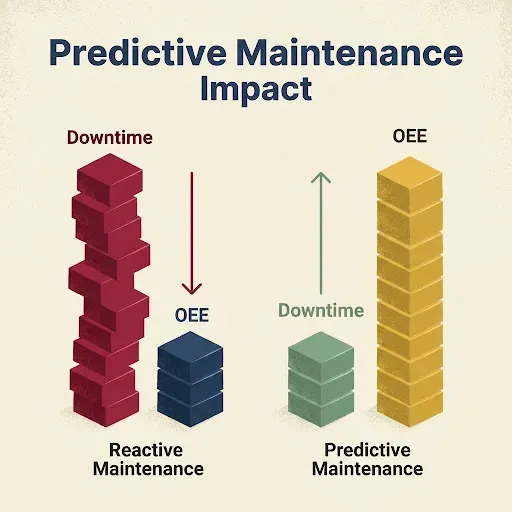
Figure 3: The core framework visualized.
4. The Data Evidence
Why this matters physically. Implementing PdM can reduce maintenance costs by 25-30%, eliminate breakdowns by 70-75%, and increase production metrics by 20-25%. For a trucking fleet, preventing one on-road breakdown saves an average of $2,000 in towing and repair, plus the saved cost of the late delivery.
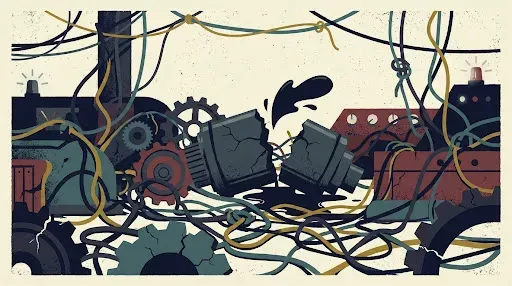
Figure 4: The measurable impact of the strategy.
5. Strategic Application
How to implement. PdM in Logistics: * Fleet: Telematics monitor engine fault codes and tire pressure in real-time. * Warehousing: IoT sensors on conveyor belts detect motor vibration indicating bearing wear. * Infrastructure: Smart cameras monitor yard gates for mechanical issues before they jam. * Cold Chain: Temperature sensors predict reefer unit failure before spoilage occurs.
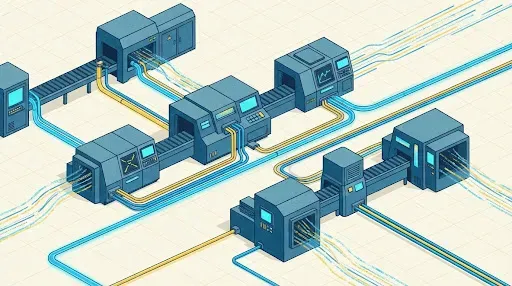
Figure 5: Practical application in a logistics context.
6. The Navichain Perspective: The Digital Enabler
Automated precision. Navichain provides the 'Central Nervous System' for PdM. We ingest the raw signals from your assets (trucks, forklifts, sensors) and visualize the health status in a unified dashboard. We turn 'Data' (Engine Temp: 105°C) into 'Action' (Create Work Order: Inspect Radiator).

Figure 6: How Navichain's digital platform operationalizes this strategy.
7. Real-World Success Stories
Case Studies. * Union Pacific: Uses infrared sensors and microphones along tracks to detect faulty wheel bearings on passing trains, preventing derailments. * Thyssenkrupp: Connected its elevators to the cloud (MAX), allowing technicians to arrive with the right spare part before the elevator breaks down. * Volvo Trucks: Its 'Uptime' service monitors vehicle data to predict component failure, routing the truck to a service center proactively.
8. Strategic Takeaway

Conclusion. Don't fix it when it breaks; fix it when the data tells you. Predictive Maintenance buys you the most valuable asset of all: Uptime.
9. References
Verified links. * Harvard Business Review. (n.d.). Operations Management. View Resource * Investopedia. (n.d.). Economic Order Quantity. View Resource * Council of Supply Chain Management Professionals. (n.d.). View Resource
navichain Insights Newsletter
Join the newsletter to receive the latest updates in your inbox.