Porter's Generic Strategies: A Comprehensive Guide
Table of Contents
Definition: Porter's Generic Strategies describe three distinct approaches to achieving a sustainable competitive advantage in an industry: Cost Leadership, Differentiation, and Focus. These strategies, introduced by Michael Porter in his book "Competitive Advantage," provide a framework for businesses to define their competitive position and develop a strategy to outperform rivals.
The Friction: Strategic Misalignment
A common misconception is that Porter's strategies are mutually exclusive at the company level. While it's true that a single business unit should focus on one strategy, larger companies may pursue different strategies in different divisions or product lines. However, clarity at the business unit level is essential.

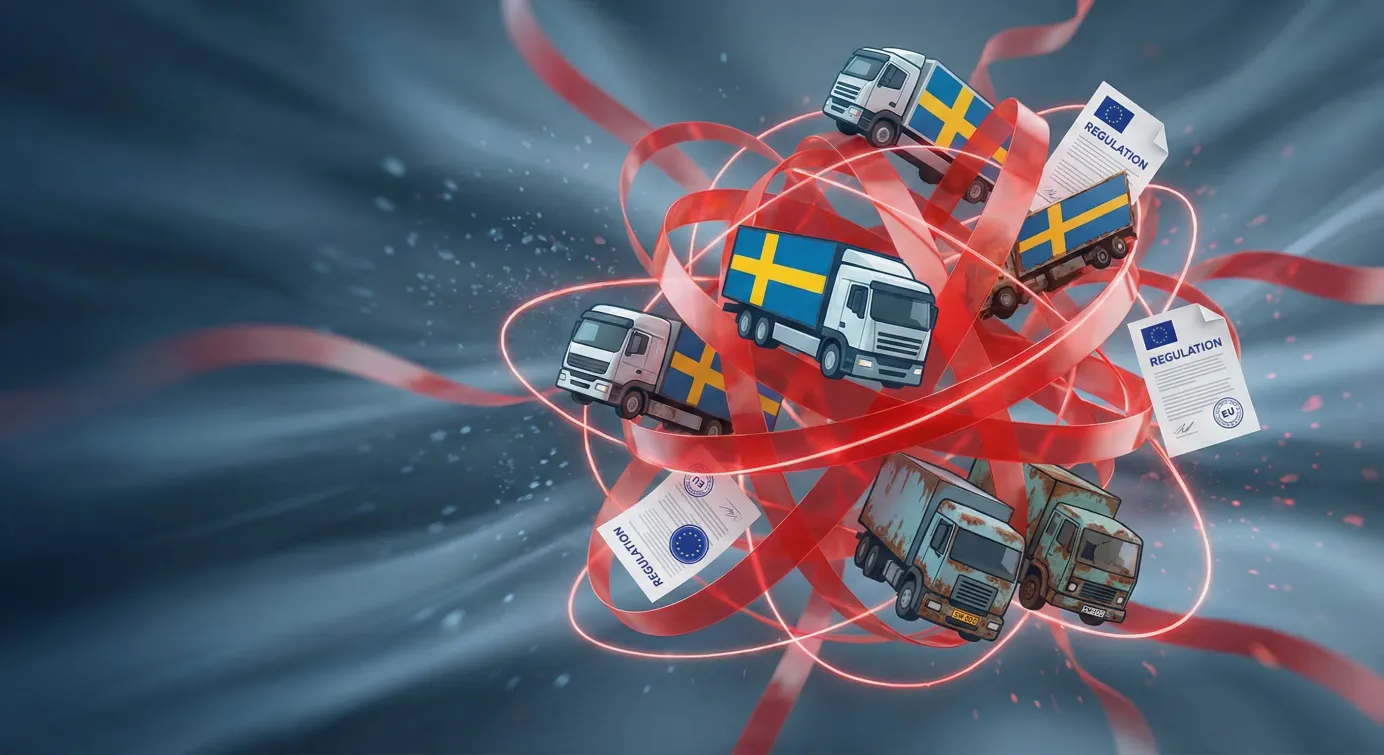
Figure 2: The friction of a poorly defined or executed logistics strategy.
The most dangerous pitfall is attempting to be "all things to all people." This often results in being "stuck in the middle," lacking a clear competitive advantage. Companies must make deliberate choices and invest in the capabilities that support their chosen strategy. Without this clarity, organizations often find themselves with conflicting goals, inefficient operations, and a diluted brand message.
Strategic Pathways: This abstract illustration visualizes the "friction" of a poorly defined strategy. The knotted ropes symbolize the chaos, inefficiency, and conflicting goals that arise when a logistics SME attempts to be "all things to all people."
The Mechanism: Porter's Framework
Porter's framework proposes that a company must choose one of these three strategies to pursue a competitive advantage. Trying to pursue multiple strategies simultaneously can lead to being "stuck in the middle," lacking a clear competitive edge.
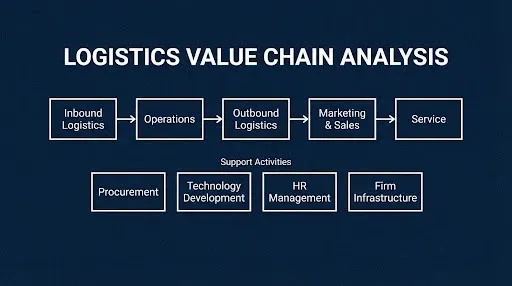
Figure 3: A simplified value chain schematic for strategic decision-making in logistics.
Cost Leadership: Achieving the lowest cost of operation in the industry. This involves efficiency, scale, tight cost control, and minimizing expenses. *
Differentiation: Creating a product or service that is perceived as unique in the industry. This can be based on brand image, technology, customer service, or features.
Focus: Concentrating on a specific niche market or customer segment. This can be further divided into Cost Focus (achieving cost leadership within a niche) and Differentiation Focus (offering a unique product or service to a niche).
The core mechanism involves analyzing the industry structure, identifying potential sources of competitive advantage, and aligning the company's resources and capabilities to pursue the chosen strategy. It's a constant process of evaluation, adaptation, and execution.
The Data: The Cost of Ambiguity
It's also important to remember that industry dynamics change over time. A strategy that was successful in the past may not be effective in the future. Companies must constantly monitor their environment and adapt their strategies accordingly.
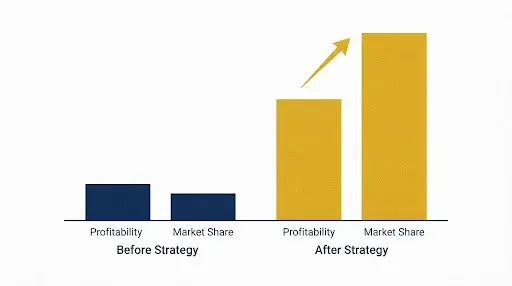
Figure 4: Data illustrating the positive impact of strategic clarity on key business metrics.
Finally, Cost Leadership does not mean simply slashing prices. It means achieving lower costs through superior efficiency and process optimization, allowing the company to offer competitive prices while maintaining profitability. A price war based on unsustainably low prices is not a Cost Leadership strategy. Data shows that companies with a clearly defined strategy consistently outperform those that drift between approaches, enjoying higher margins and greater market stability.
Strategic Application: Logistics in Practice
Porter's Generic Strategies are widely used across industries, including logistics. Here are some examples:

Figure 5: The outcome of a well-defined and executed Porter's Generic Strategy in a logistics SME.
* Cost Leadership in Logistics: A freight company might pursue cost leadership by investing heavily in technology to optimize routing, fuel consumption, and warehouse operations. This allows them to offer lower prices than competitors and win a larger share of the market. Companies like Amazon often leverage scale and tech for cost leadership in their logistics operations.
* Differentiation in Logistics: A delivery service might differentiate itself by offering premium customer service, real-time tracking, and specialized handling for fragile or high-value goods. This allows them to charge a premium price and attract customers who value reliability and quality. Consider DHL's express services or specialized temperature-controlled pharmaceutical transport.
* Focus Strategy in Logistics: A trucking company might focus on a specific niche market, such as transporting oversized or hazardous materials. This allows them to develop specialized expertise and equipment, and command higher prices than general freight carriers. Alternatively, a company might focus on a geographic niche, offering specialized cross-border transport between two specific countries.
Let's consider the example of transporting temperature-sensitive pharmaceuticals. A Cost Leadership approach might involve using standard refrigerated trucks on common routes, focusing on efficiency and high volume. A Differentiation strategy might involve real-time temperature monitoring, redundant cooling systems, and specialized packaging to guarantee product integrity. A Focus strategy might involve specializing in the transport of specific types of pharmaceuticals with unique temperature requirements.
The Navichain Perspective: The Digital Sovereign Hub
Modern digital tools are transforming the application of Porter's Generic Strategies in logistics.
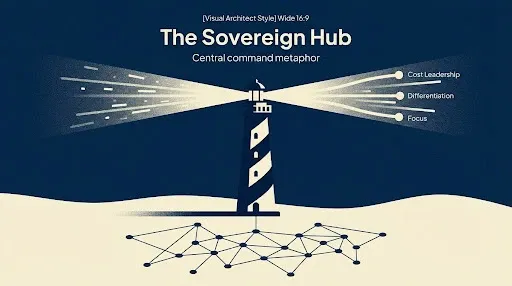
Figure 6: Navichain's philosophy of empowering SMEs with control and sovereignty over their data for strategic decision-making.
* Cost Leadership: AI-powered route optimization, predictive maintenance, and automated warehouse management systems can significantly reduce costs and improve efficiency. Navichain's visibility and analytics tools help companies identify areas for cost reduction and optimize their operations.
* Differentiation: Digital technologies enable companies to offer personalized customer experiences, real-time tracking, and proactive communication. IoT sensors and blockchain technology can enhance transparency and traceability, adding value for customers who demand high levels of service and security. Navichain provides a unified platform for managing complex logistics operations and delivering exceptional customer experiences.
* Focus: Data analytics can help companies identify and target niche markets with greater precision. Digital marketing and e-commerce platforms allow companies to reach specialized customer segments more effectively. Navichain's flexible platform enables companies to tailor their services to the specific needs of their chosen niche.
AI and machine learning are enabling more sophisticated cost optimization. For example, machine learning algorithms can predict potential disruptions in the supply chain, allowing companies to proactively mitigate risks and minimize costs. Digital twins can be used to simulate different scenarios and optimize logistics processes.
Conclusion
Porter's Generic Strategies provide a valuable framework for logistics companies to achieve a sustainable competitive advantage. By choosing a clear strategy – Cost Leadership, Differentiation, or Focus – and aligning their resources and capabilities accordingly, companies can outperform rivals and thrive in a dynamic and competitive market. Modern digital tools, such as Navichain, can significantly enhance the effectiveness of these strategies by enabling greater efficiency, personalization, and precision.
References
- Porter, M. E. (1985). Competitive Advantage: Creating and Sustaining Superior Performance. New York: Free Press.
- Grundy, T. (2006). Rethinking and reinventing Michael Porter's five forces model. Strategic Change, 15(5), 213-229.
- Magretta, J. (2012). Understanding Michael Porter: The Essential Guide to Competition and Strategy. Harvard Business Review Press.
navichain Insights Newsletter
Join the newsletter to receive the latest updates in your inbox.