Orchestrating Value: The Platform Business Model Handbook
Table of Contents
1. Executive Summary
The Platform Business Model is a strategic framework that fosters value creation by connecting producers and consumers in a digital ecosystem. Its core value lies in its ability to facilitate interactions, transactions, and innovations between participants, leading to rapid scalability and network effects.
2. The Friction (The Problem)
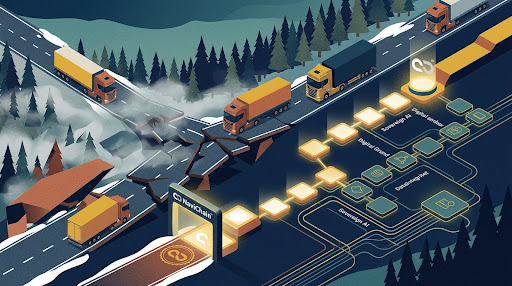
Implementing a Platform Business Model is not without its challenges. Managing a multi-sided platform requires balancing the needs of different stakeholders, ensuring fair pricing, and maintaining quality control. Without a robust strategy, the platform can become fragmented, chaotic, and ultimately unsustainable.

Figure 2: The Friction of Managing a Complex Platform Ecosystem. Friction arises from misaligned incentives, data silos, and lack of clear governance.
3. Theoretical Background
The Platform Business Model operates on the principles of network effects, where the value of the platform increases as more participants join. It involves creating a two-sided or multi-sided market where producers and consumers interact, exchange value, and co-create experiences. Key components include a user-friendly interface, robust transaction mechanisms, and data analytics to optimize performance.
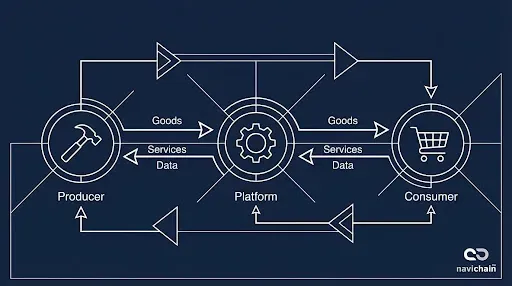
Figure 4: Value Flow within a Platform Business Model. The schematic illustrates the exchange of value between producers, consumers, and the platform provider, highlighting the importance of efficient transaction mechanisms.
4. The Data Evidence
The growth of platform-based businesses has been exponential in recent years. Statistics show that platform companies are growing at a rate significantly faster than traditional businesses, capturing a larger share of the market. This growth is driven by the inherent scalability and network effects of the platform model.

Figure 3: The Exponential Growth of Platform Businesses. The chart visually demonstrates the increasing dominance of platform-based businesses in the modern economy, driven by their ability to scale rapidly and leverage network effects.
5. Strategic Application
To successfully implement a Platform Business Model, businesses need to focus on creating a compelling value proposition for both producers and consumers. This involves identifying a specific need or problem that the platform can solve, designing a user-friendly interface, and establishing clear rules and governance. Strategic application also requires a focus on data analytics to track performance and optimize the platform's functionality.

Figure 5: A Thriving and Efficient Platform Ecosystem. The visual represents the ideal outcome of a well-managed platform, where participants engage seamlessly and create value for each other.
6. The Navichain Perspective: Data Sovereignty & Control
Navichain believes that data sovereignty is paramount for the success of Platform Business Models. By hosting the platform on their own infrastructure, businesses can maintain complete control over their data, ensuring privacy, security, and compliance. This approach also enables businesses to leverage AI and machine learning to optimize the platform's performance without compromising data integrity.

Figure 6: Data Sovereignty: The Guiding Light for Platform Success. The lighthouse symbolizes Navichain's commitment to providing secure and sovereign data solutions for Platform Business Models, ensuring businesses can navigate the complex landscape with confidence.
7. Real-World Success Stories
Here are a few detailed examples of successful platform business models.
Case Study 1: Spotify - The Music Platform Revolution (https://www.spotify.com/)
Spotify is a prime example of a successful platform business model that revolutionised the music industry. It connects artists (producers) with listeners (consumers) through a digital platform that offers on-demand music streaming. The value proposition for artists is increased reach and revenue streams through royalties, while listeners gain access to a vast library of music at a reasonable price. Spotify's success lies in its ability to create a seamless user experience, personalized recommendations, and strategic partnerships with artists and record labels.
Implementation: Spotify transitioned from a peer-to-peer file-sharing service to a licensed music streaming platform, addressing copyright concerns and providing a legal avenue for music consumption. They invested heavily in technology to ensure high-quality streaming and developed sophisticated algorithms for personalized music recommendations. They also introduced a freemium model, offering free access with ads and a premium subscription for ad-free listening and offline downloads.
Results: Spotify has become the leading music streaming platform globally, with millions of subscribers and a significant impact on the music industry. It has enabled artists to reach a wider audience and generate revenue in the digital age. Spotify's platform has also fostered innovation in the music industry, with new artists emerging and experimenting with different genres and styles. The platform has fundamentally changed how people discover, listen to, and engage with music.
Case Study 2: Wolt - Delivering Convenience in the Nordics (https://wolt.com/)
Wolt, a Finnish company, operates a platform business model in the food delivery sector, primarily focusing on the Nordic region and expanding across Europe. It connects restaurants (producers) with customers (consumers) through a mobile app that offers a convenient way to order food online and have it delivered. Wolt's value proposition lies in its user-friendly interface, fast delivery times, and curated selection of restaurants. The platform also provides value to restaurants by increasing their reach and revenue, especially during off-peak hours.
Implementation: Wolt built a robust technology platform that handles order management, delivery logistics, and customer support. They invested in a fleet of delivery drivers and optimized delivery routes to ensure fast and efficient service. They also partnered with local restaurants to offer a diverse range of cuisines and cater to different dietary needs. Wolt's success lies in its ability to provide a reliable and convenient food delivery experience, building trust with both customers and restaurants.
Results: Wolt has become a leading food delivery platform in the Nordic region and is rapidly expanding across Europe. It has transformed the way people order food, offering a convenient alternative to traditional takeaway. Wolt's platform has also helped local restaurants increase their revenue and reach new customers. The company has created a thriving ecosystem that benefits both consumers and producers.
Case Study 3: Etsy - The Artisan Marketplace (https://www.etsy.com/)
Etsy is a platform business model that connects independent artisans and creators (producers) with customers seeking unique and handcrafted goods (consumers). The platform offers a marketplace for vintage items, handmade crafts, and unique products. Etsy’s value proposition lies in providing a platform for artisans to showcase their talents and sell their products to a global audience, while customers can find one-of-a-kind items they wouldn't find in traditional retail stores.
Implementation: Etsy created a user-friendly online marketplace with tools for sellers to set up their own shops, manage inventory, and process payments. They focused on building a community around handmade goods, fostering a sense of connection between buyers and sellers. Etsy also invested in marketing to attract a niche audience interested in unique and artisanal products.
Results: Etsy has become a leading online marketplace for handcrafted goods, empowering independent artisans and creators to build successful businesses. The platform has created a thriving ecosystem where unique products are celebrated, and buyers can connect with the makers behind the items they purchase. Etsy has demonstrated the power of the platform business model to support small businesses and promote creativity.
8. Strategic Takeaway
The Platform Business Model represents a powerful strategic framework for businesses looking to scale rapidly, leverage network effects, and foster innovation. However, successful implementation requires careful planning, strategic governance, and a commitment to data sovereignty. By focusing on creating value for both producers and consumers, businesses can build thriving platform ecosystems that drive sustainable growth.
9. References
These are some links to back up what was written in the article.
- Spotify Official Website: https://www.spotify.com/
- Wolt Official Website: https://wolt.com/
- Etsy Official Website: https://www.etsy.com/
navichain Insights Newsletter
Join the newsletter to receive the latest updates in your inbox.