Orchestrating Value: Mastering the Platform Business Model
Table of Contents
Executive Summary
Definition and core value. The platform business model, unlike traditional linear models, focuses on creating a dynamic ecosystem connecting producers and consumers. Its core value lies in leveraging network effects, where each new participant enhances the platform's overall worth. This creates exponential growth potential for SMEs.
2. The Friction (The Problem)
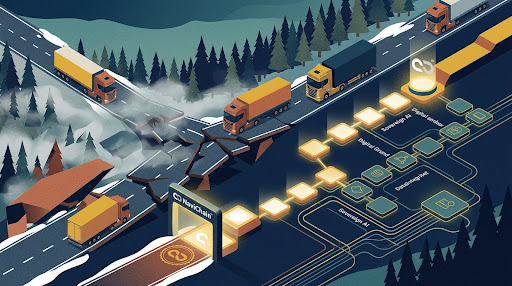
Why this is hard. Implementing a platform business model presents challenges. Traditional SMEs often struggle with fragmented systems, hindering seamless data flow and collaboration. This leads to inefficiencies, increased costs, and missed opportunities. Furthermore, ensuring data security and compliance within a complex ecosystem can be daunting.
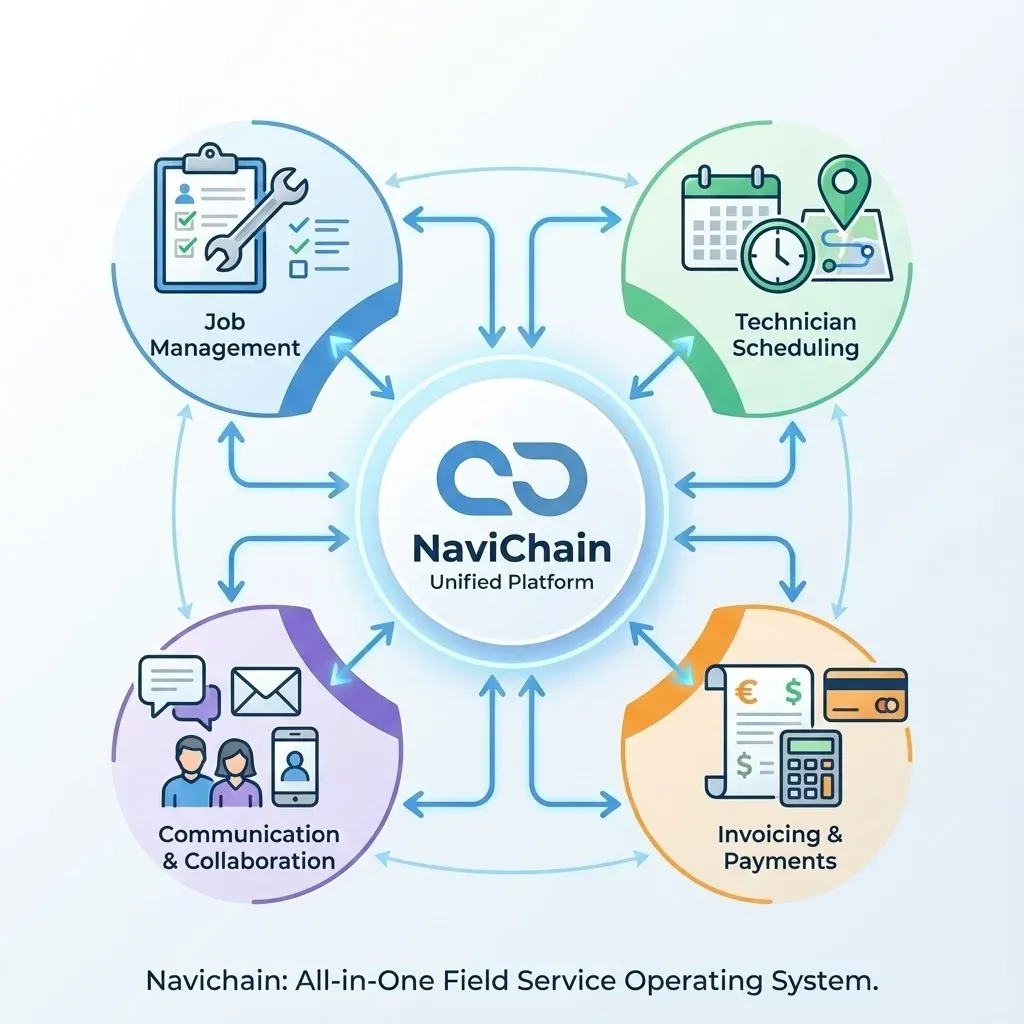
Figure 2: Friction arises in non-platform businesses due to disconnected systems and lack of visibility.
3. Theoretical Background
The Mechanics. The platform business model operates on the principle of facilitating interactions. It consists of a platform provider, producers who offer goods or services, and consumers who utilize them. Key mechanisms include: API integrations to connect systems, algorithms to match demand and supply, reputation systems to build trust, and analytics dashboards to monitor performance. The platform thrives on creating positive feedback loops that drive continuous growth.
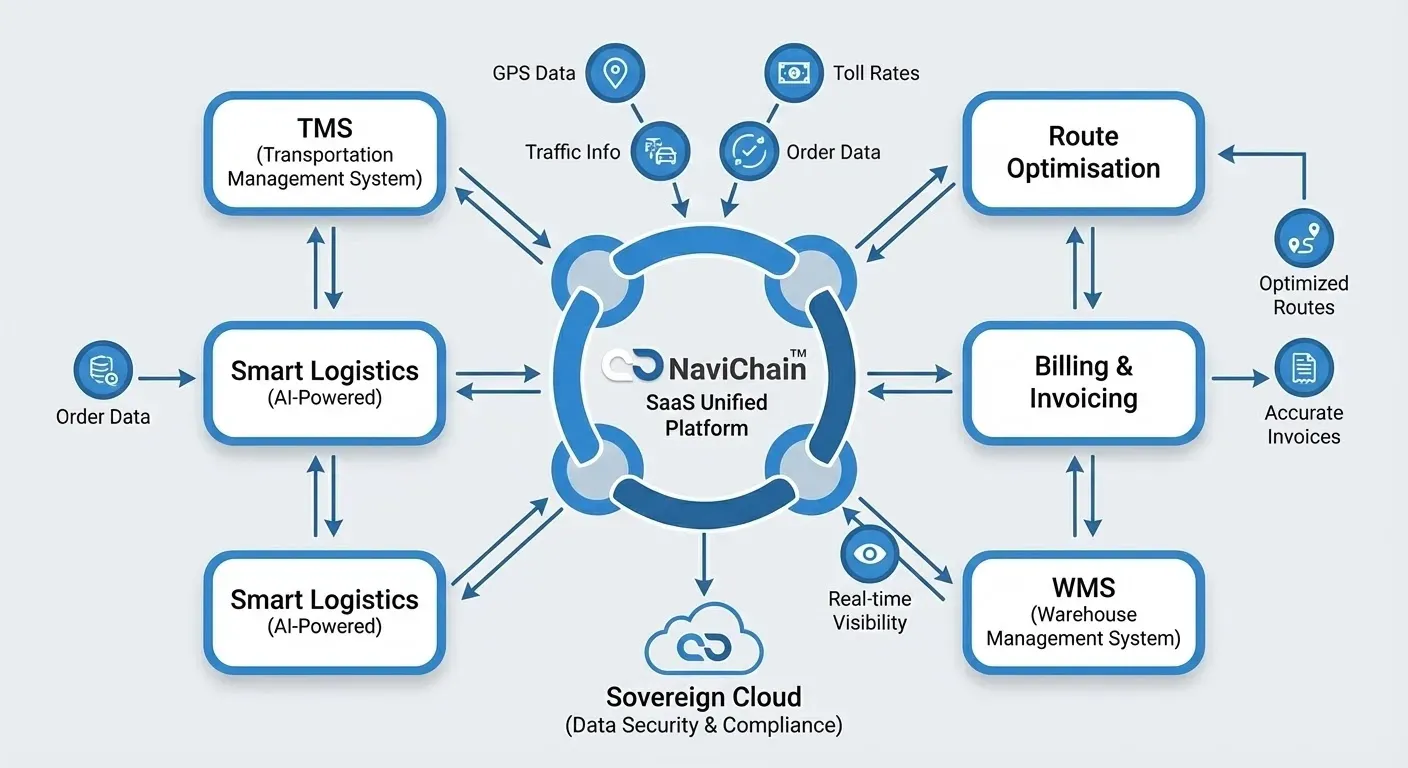
Figure 4: A multi-sided platform facilitates interactions between producers and consumers.
4. The Data Evidence
Why this matters physically. Research indicates that platform-based businesses experience significantly faster growth rates compared to traditional businesses. A McKinsey report states that platform companies are growing at rates 2-3x faster than traditional companies. Moreover, companies like Klarna, a Swedish "buy now, pay later" service (www.klarna.com), demonstrates how a platform approach to payment processing can disrupt traditional banking and retail sectors. The value of these platform ecosystems is further validated by increased market capitalization and sustained customer loyalty.
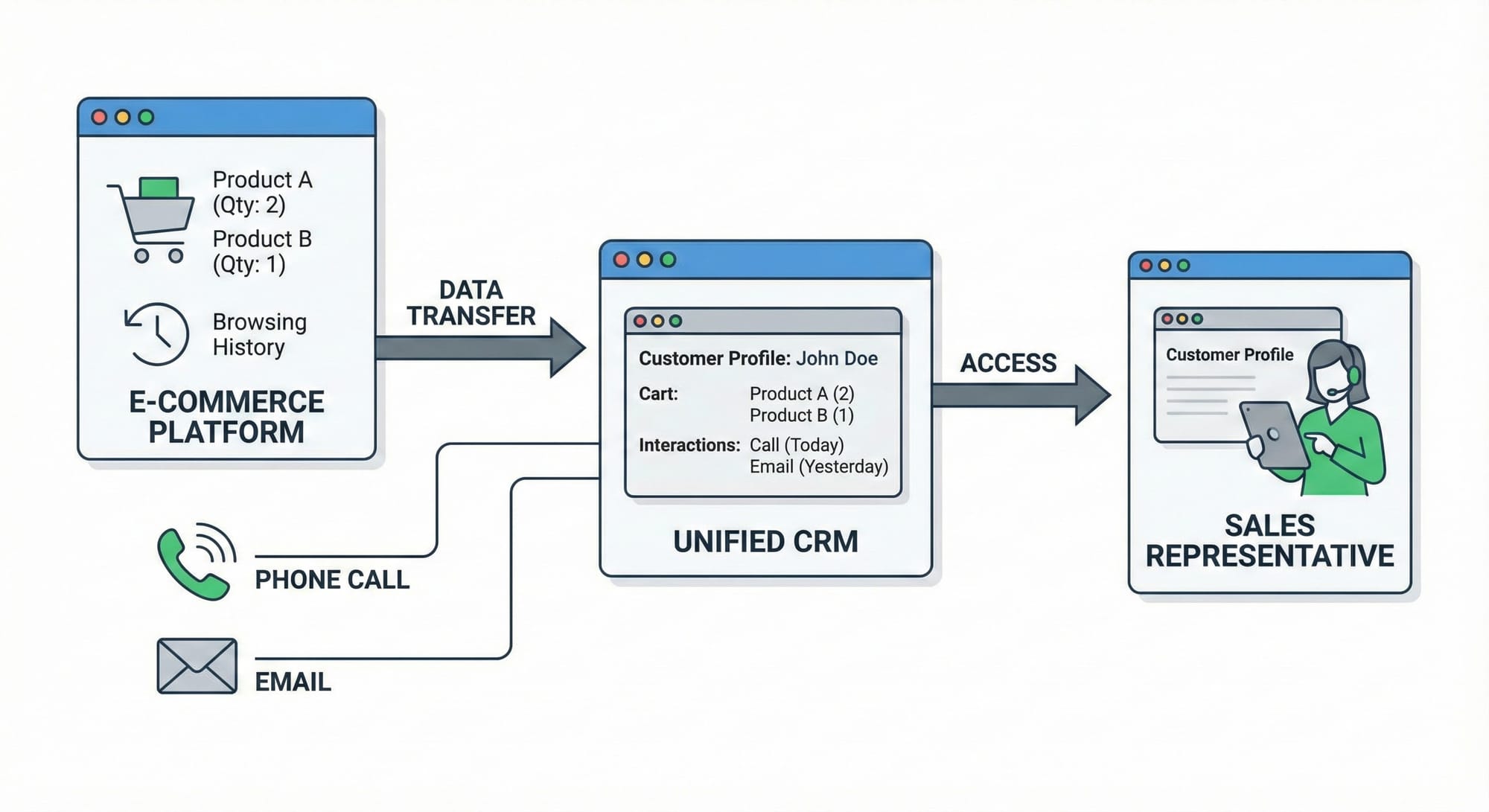
Figure 3: Platform businesses exhibit significantly faster growth rates than traditional models.
5. Strategic Application
How to implement. To implement a successful platform business model, SMEs need to focus on several key areas:
1) Define a clear value proposition for each stakeholder.
2) Build a user-friendly interface to facilitate interactions.
3) Implement robust security measures to protect data.
4) Develop effective algorithms for matching supply and demand.
5) Establish a governance framework to manage the ecosystem. For example, a small Swedish manufacturing company could create a platform connecting its suppliers, distributors, and customers, streamlining the entire supply chain.
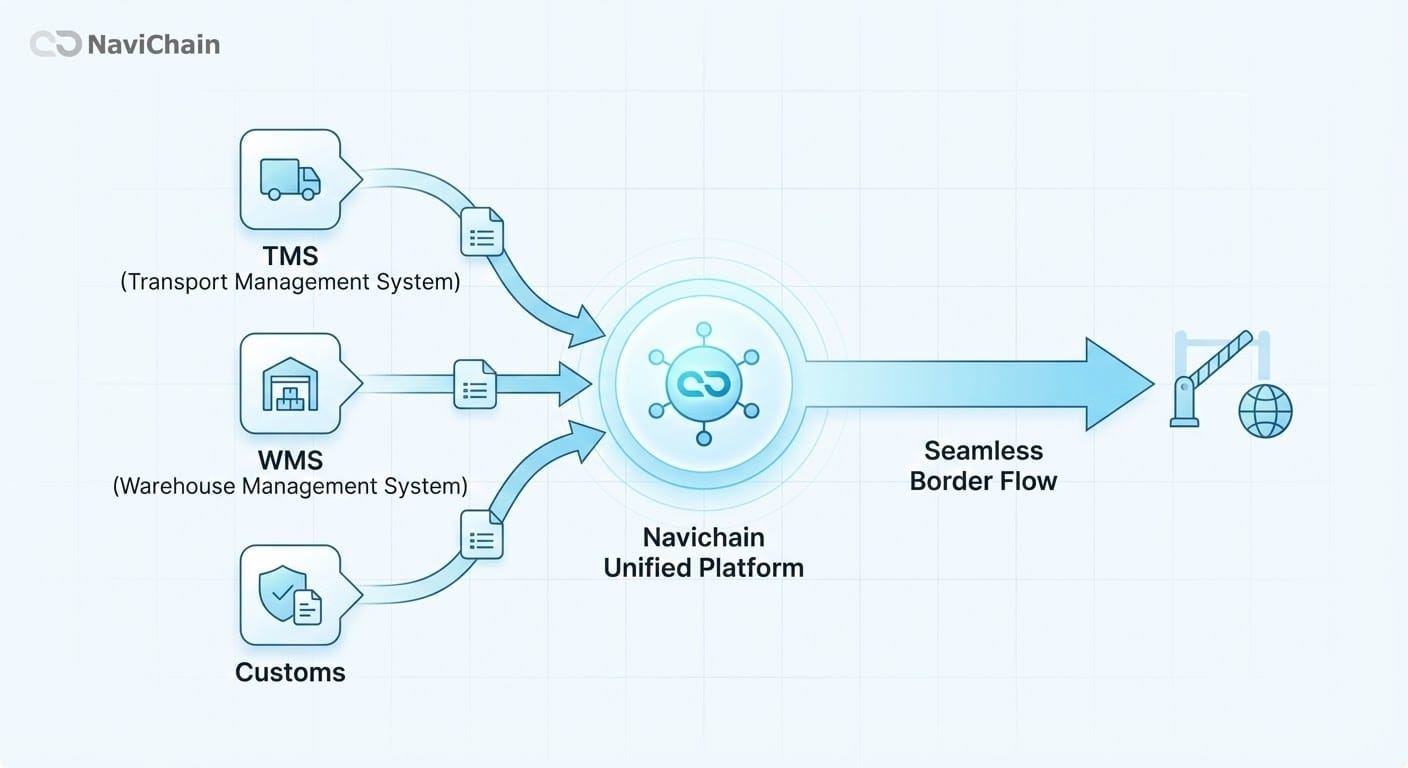
Figure 5: Successful platform businesses create thriving ecosystems with seamless value exchange.
6. The Navichain Perspective: Data Sovereignty & Control
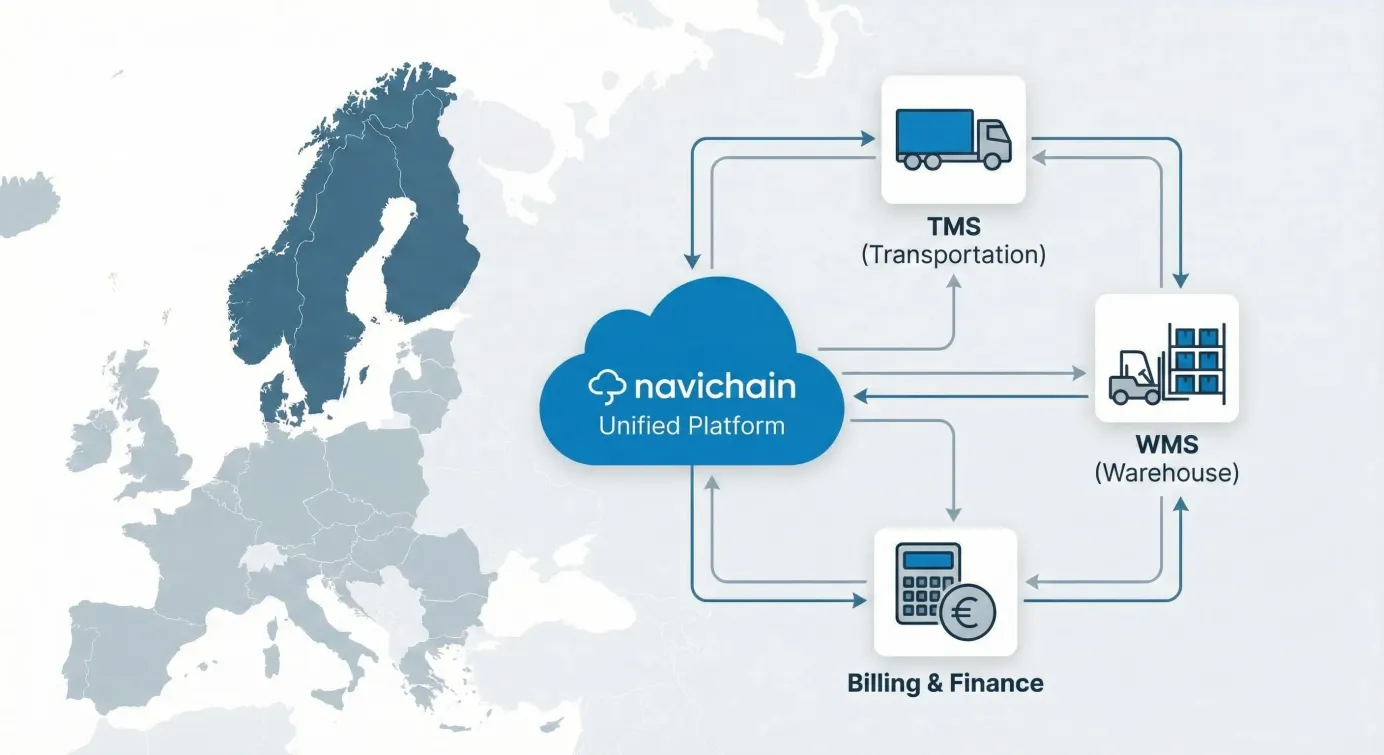
Secure, unified data handling. Navichain empowers SMEs to build and manage platform ecosystems with data sovereignty at its core. By hosting the platform on their own infrastructure, companies maintain complete control over their data, ensuring compliance with regulations and mitigating security risks. Navichain's AI-driven tools automate complex processes, enabling seamless integration of data from various sources. This ensures a unified view of the ecosystem, leading to better decision-making and improved performance.
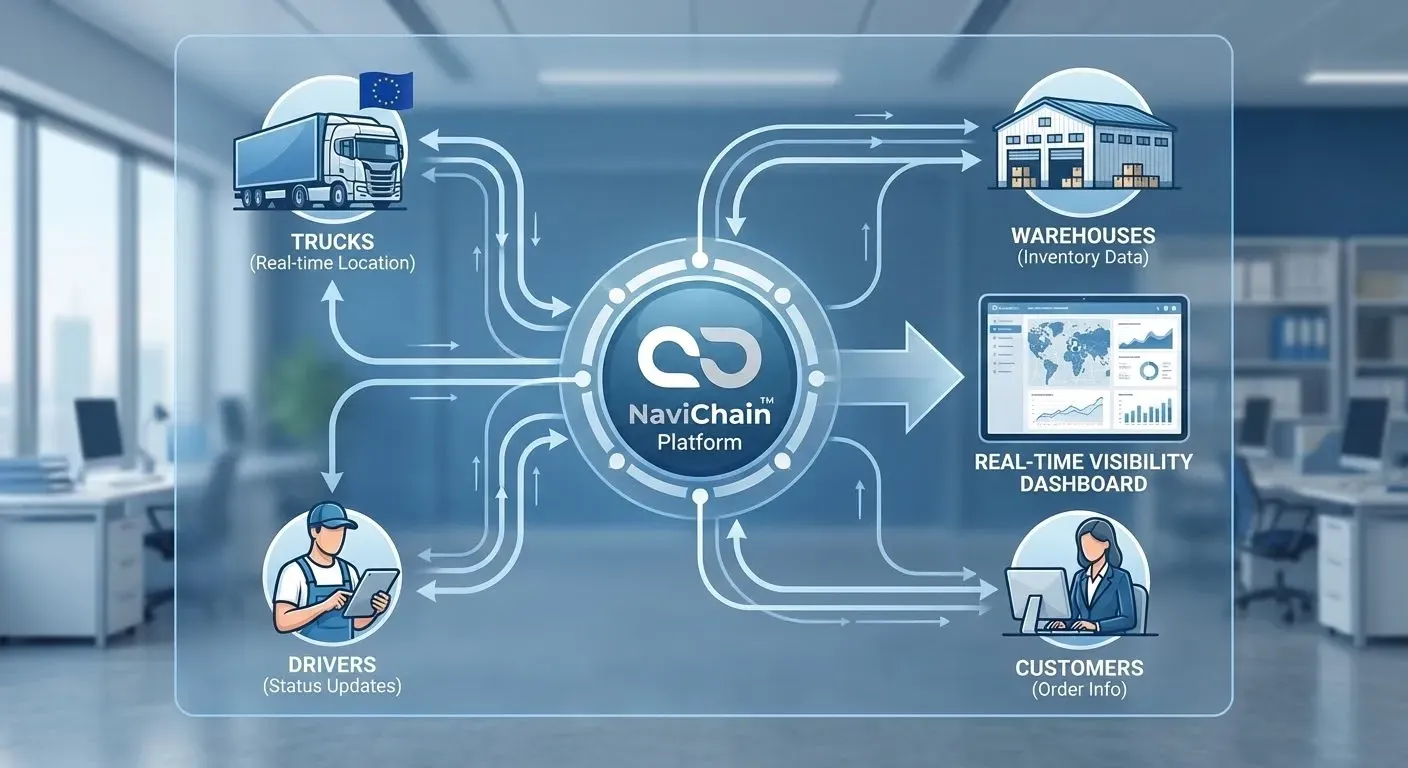
Figure 6: Navichain empowers platform owners with sovereign control over their data and ecosystem.
7. Real-World Success Stories
Case Study 1: Einride (https://www.einride.tech/)
Einride, a Swedish freight technology company, exemplifies a platform business model by creating a network of autonomous electric vehicles (AETs) and a platform for managing freight operations. They have successfully built a multi-sided platform connecting shippers with sustainable transportation solutions. By focusing on electric autonomous transport, they attract environmentally conscious shippers who seek efficiency and reduced carbon footprint. Einride addresses the logistics and sustainability challenges faced by traditional trucking companies through its unified platform and ecosystem.
The platform facilitates real-time tracking and optimization of routes, load management, and efficient charging schedules for the AETs. It also provides detailed data analytics to shippers, enabling them to make informed decisions about their supply chains. Einride’s success comes from streamlining operations, reducing transportation costs, and contributing to a greener logistics sector. Data sovereignty is central to their business model as they collect massive amounts of operational data and are bound to protect the privacy and security of their client’s information. Einride successfully demonstrates how a data-driven, platform-based approach can transform the traditional logistics landscape.
Case Study 2: Tacton (https://www.tacton.com/)
Tacton, another Swedish SaaS company, provides configure, price, quote (CPQ) solutions, operating on a platform model. They connect manufacturers with their customers, empowering them to design and order customized products with ease. Instead of relying on complex, manual processes, Tacton provides a unified platform that streamlines product configuration and pricing, leading to increased sales and improved customer satisfaction.
The Tacton CPQ platform allows manufacturers to showcase product features, options, and pricing in a visually engaging manner. Customers can configure products according to their specific requirements, receive accurate quotes in real-time, and place orders directly through the platform. This eliminates inefficiencies associated with traditional sales processes and reduces errors. This also ensures data sovereignty for Tacton’s clients by giving them full control over their product configuration and pricing data. Tacton's CPQ platform exemplifies how a platform business model can optimize complex manufacturing processes and enhance the customer experience.
Case Study 3: Trustly (https://www.trustly.net/)
Trustly, a Swedish fintech company, has disrupted the online payment landscape by offering a platform that facilitates direct bank transfers between consumers and merchants. Instead of relying on credit cards or intermediaries, Trustly enables secure and seamless payments directly from bank accounts. This has created a multi-sided platform that benefits both consumers seeking a convenient payment method and merchants wanting to reduce transaction costs. Data sovereignty is a central tenant of Trustly’s operating procedure, as they need to maintain the highest standards of security and privacy for their clients’ banking data. Trustly's platform has seen great success as it provides a simple alternative to complex digital financial solutions.
Trustly's platform improves the consumer experience by eliminating the need to enter credit card details or create accounts with multiple payment providers. Merchants benefit from lower transaction fees and reduced risk of fraud. The platform also integrates seamlessly with various e-commerce platforms, making it easy for merchants to adopt. Through its secure, convenient, and cost-effective payment solution, Trustly demonstrates how a platform-based approach can transform the traditional payments industry.
8. Strategic Takeaway
Conclusion. The platform business model offers immense potential for SMEs to achieve rapid growth, increase efficiency, and gain a competitive advantage. By focusing on orchestrating value within a secure and scalable ecosystem, companies can unlock new opportunities and drive innovation. Prioritizing data sovereignty empowers businesses to maintain control over their data and mitigate risks. Adopting a platform approach, powered by solutions like Navichain, can transform traditional businesses into thriving ecosystems capable of achieving sustained success.
9. References
Verified links.
* McKinsey Report on Platform Business Models.
* Einride website: https://www.einride.tech/
* Tacton website: https://www.tacton.com/
* Klarna website: https://www.klarna.com
* Trustly website: https://www.trustly.net/
navichain Insights Newsletter
Join the newsletter to receive the latest updates in your inbox.