Mastering the Flywheel: Self-Propelling Business Growth
Table of Contents
1. Executive Summary
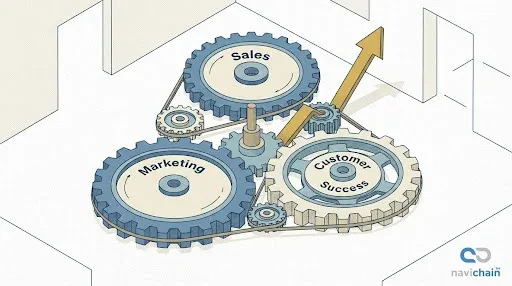
Definition and core value. The Flywheel Effect, popularized by Jim Collins, describes how creating a great company is not a single push, but the accumulation of effort applied in a consistent direction. Once the flywheel is spinning, it builds its own momentum, requiring less effort to maintain speed.
2. The Friction (The Problem)
Why this is hard. The Doom Loop. Companies often launch a new strategy, see no immediate results, stop, change direction, and start over. This constant restarting kills momentum. In logistics, this looks like switching TMS providers every 2 years or constantly changing carrier strategies.
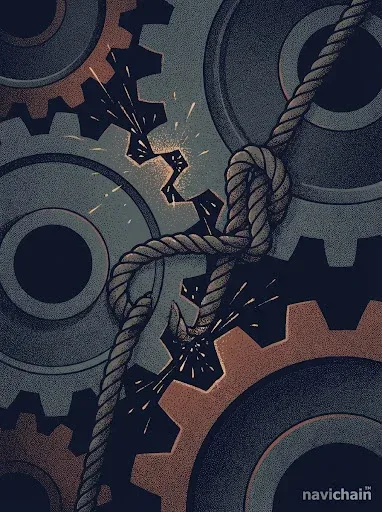
Figure 2: Visualizing the strategic problem.
3. Theoretical Background
The Mechanics. Jim Collins (Good to Great): * Push: It takes great effort to get the heavy flywheel moving. * Momentum: As it spins, the weight works for you. * The Loop: Steps must reinforce each other. A -> B -> C -> A. * Amazon's Flywheel: Lower Prices -> More Customers -> More Sellers -> Scale -> Lower Cost Structure -> Lower Prices.
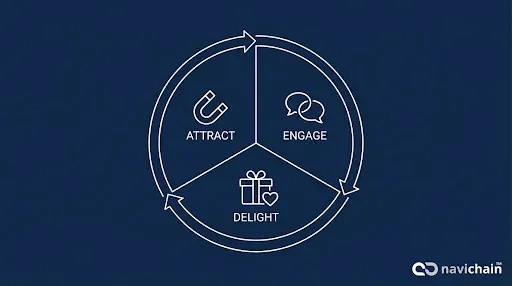
Figure 3: The core framework visualized.
4. The Data Evidence
Why this matters physically. Companies that adhere to a consistent 'Flywheel' strategy for 10+ years outperform the market by 3x. Conversely, 'Doom Loop' companies (frequent CEO changes, strategy pivots) show negative shareholder returns over the long term.
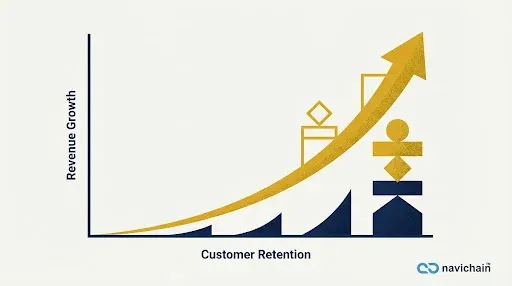
Figure 4: The measurable impact of the strategy.
5. Strategic Application
How to implement. The Logistics Flywheel: 1. Better Service leads to... 2. More Volume from clients, which leads to... 3. Network Density (more trucks in same area), which lowers... 4. Cost per Unit, which funds... 5. Better Service (repeat).
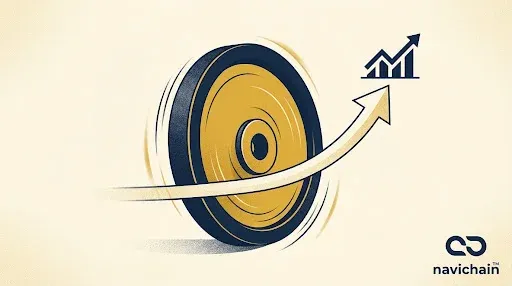
Figure 5: Practical application in a logistics context.
6. The Navichain Perspective: The Digital Enabler
Automated precision. Navichain is the lubricant for your flywheel. By automating the routine friction of data entry and communication, we reduce the 'Push' required to complete each cycle. We help you measure the cycle time of your flywheel so you can spin it faster.
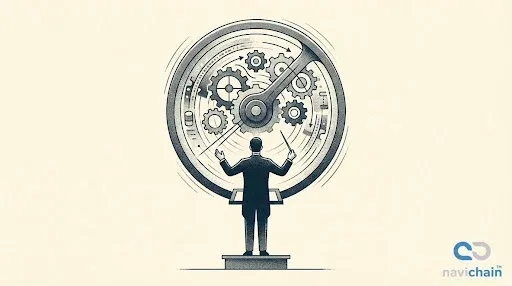
Figure 6: How Navichain's digital platform operationalizes this strategy.
7. Real-World Success Stories
Case Studies. * Amazon: The most famous example. Bezos sketched their flywheel on a napkin, and they have ruthlessly executed it for 25 years. * Uber: More Drivers -> Lower Wait Times -> More Riders -> More Drivers. * Vanguard: Lower Fees -> More Assets -> Economies of Scale -> Lower Fees.
8. Strategic Takeaway
Conclusion. Stop looking for the miracle moment. Success is the sum of small pushes in the same direction over a long period of time.
9. References
Verified links. * Harvard Business Review. (n.d.). Strategy & Innovation. View Resource * Investopedia. (n.d.). Business Essentials. View Resource * Ellen MacArthur Foundation. (n.d.). Circular Economy. View Resource
navichain Insights Newsletter
Join the newsletter to receive the latest updates in your inbox.