The Liquidity Shield: How Data Protects Hauliers in Geopolitical Storms
Table of Contents
Fuel prices on a rollercoaster. Political decisions changing the playing field overnight. Foreign laws threatening your data. For European hauliers, the threat landscape is complex. The answer is not to duck, but to build a "Liquidity Shield".
We live in a time of extreme geopolitical volatility. For a European haulier, this is felt directly in the cash register. A tweet from a world leader or a decision in Brussels can cause diesel prices to soar, interest rates to rise, or customs rules to be redrawn.
The old strategy – "we'll just keep driving and hope it works out" – is dangerous. When margins are thin, there is no room for error. But there is a way to protect yourself. We call it The Liquidity Shield. It is a strategy built on using your own, sovereign data to foresee risks and secure cash flow before the crisis hits.
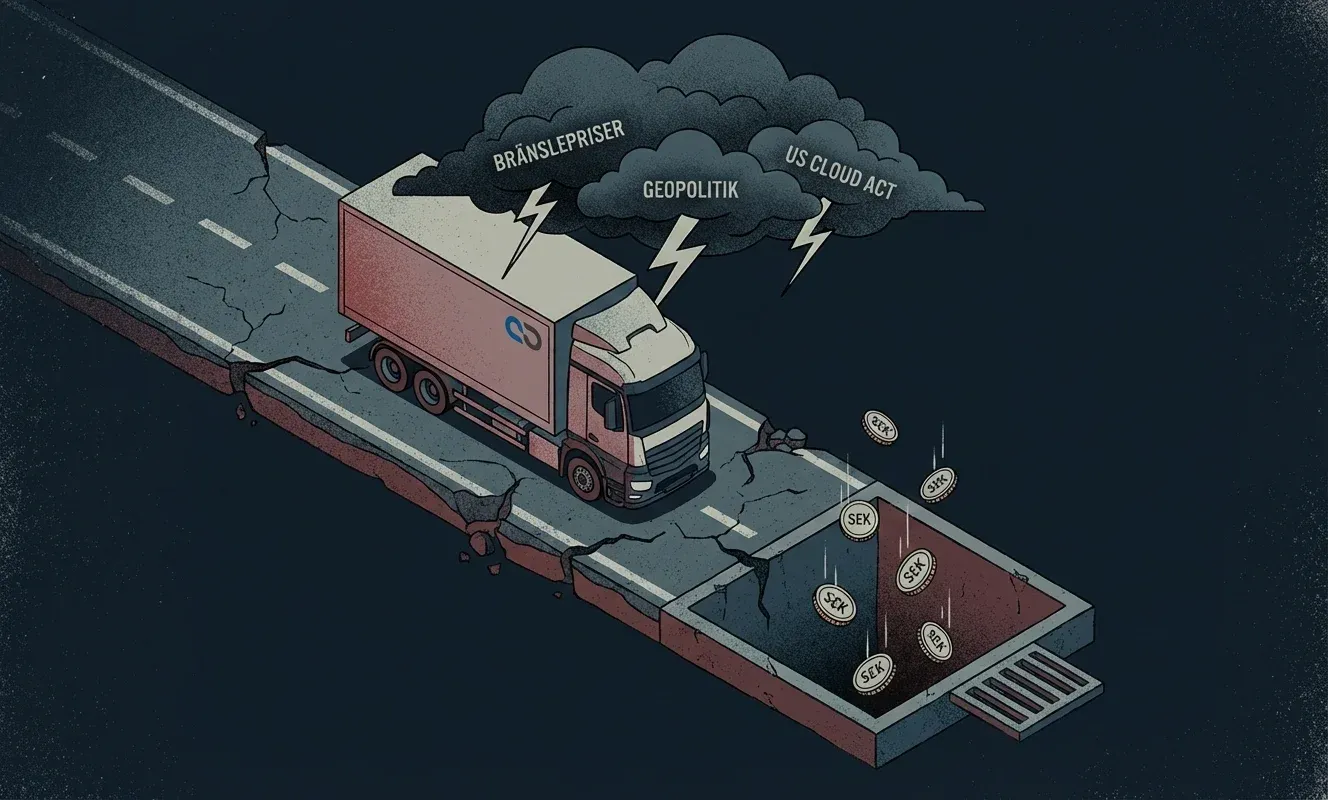
Fig 1: The external forces pressing the modern haulier: Fuel, Politics, and Data Risks.
The Two Fronts: Economic and Digital Risk
External pressures such as rising fuel costs and geopolitical instability squeeze haulier profitability, highlighting the need for proactive risk management.
The threat to your liquidity comes from two directions simultaneously.
1. The Economic Front: The "Biofuel Effect"
We saw it clearly in Sweden in 2024. The decision to lower the "reduction obligation" (biofuel mandate) for diesel led to an immediate price drop. Good news, right? Short term, yes. But it exposed a frightening truth: Your single largest cost item is controlled by political decisions you cannot influence. Tomorrow, the wind may change. The upcoming EU ETS 2 (Emissions Trading System) will soon drive prices up again. German MAUT increases are eating up margins on international routes. If your business model hangs on today's diesel price, you are living on borrowed time.
2. The Digital Front: The "Cloud Trap"
Here is the risk few talk about, but which can be just as deadly. Many hauliers move their data to the cloud to save money. But whose cloud? If you use an American cloud (AWS, Azure, Google), your data is subject to the US CLOUD Act. This gives US authorities the right to demand your data, regardless of where the servers are located. Your customer lists, your prices, your routes – all of these are trade secrets. Exposing them to foreign jurisdiction is a geopolitical risk. A data leak or a legal dispute could freeze your systems and thus your invoicing. Without invoicing, no liquidity.
Fig 2: Data fragmentation is the biggest enemy of rapid adaptation.
Fragmentation: The Enemy of Liquidity
Why are hauliers so vulnerable to these storms? The answer is often data fragmentation. When you have information scattered – orders in emails, vehicles in Excel, invoicing in a separate finance system – you lack oversight.
- When fuel goes up 10%, do you know exactly which routes become unprofitable?
- When a customer pays late, do you see how it affects next week's payroll?
Without a unified system, you react too late. Liquidity flows out through the cracks between your systems.
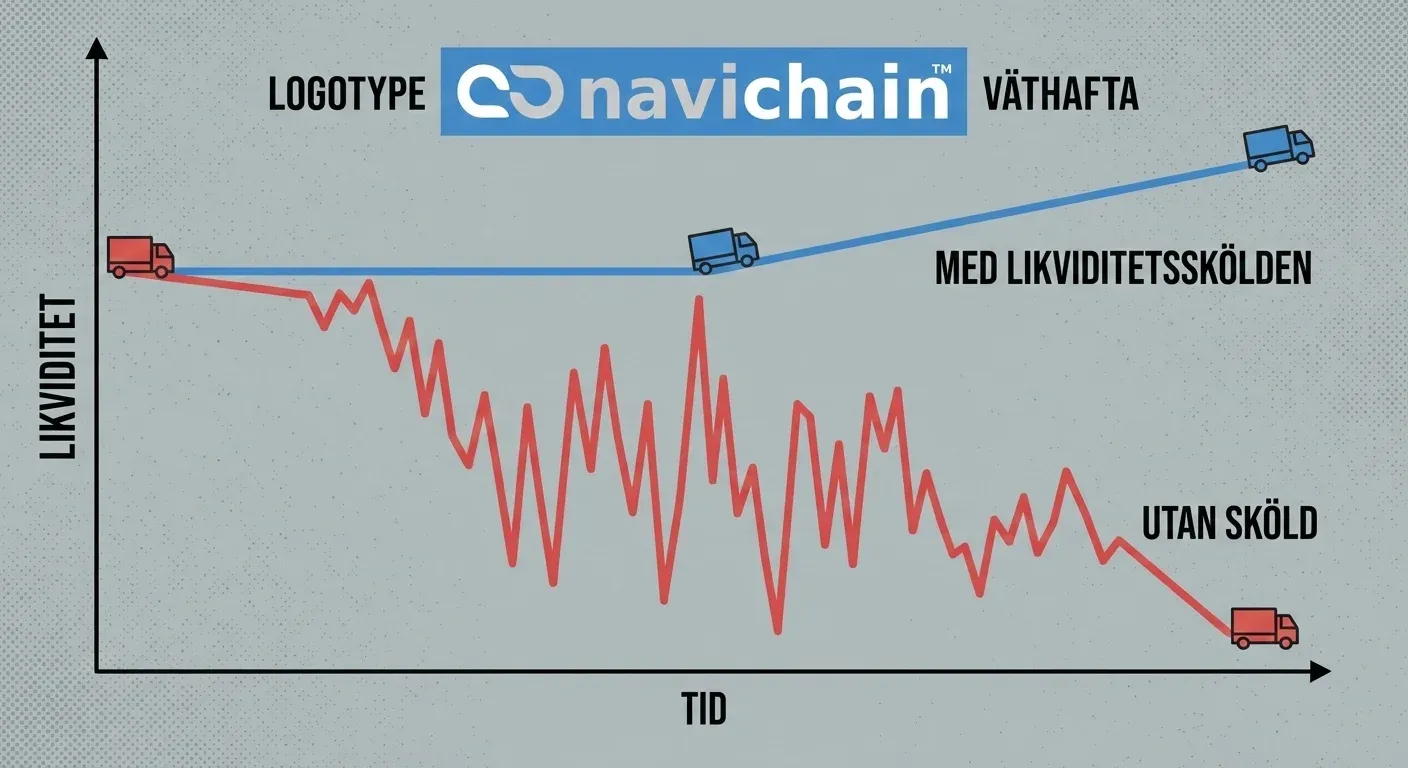
Data fragmentation weakens liquidity, making hauliers vulnerable to market fluctuations and geopolitical risks.
Building the Shield: Three Principles
The Liquidity Shield is about sealing these cracks and taking control of your environment.
Principle 1: Unified Operational Fabric
The first step is to gather everything in one place. TMS, WMS, and Finance must be one system. When an order is placed, the cost should be calculated directly. When delivery occurs (POD), the invoice should be ready to send automatically. This dramatically shortens the lead time from work performed to money in the account ("Order-to-Cash"). It is the fastest way to strengthen liquidity.
Principle 2: Data Sovereignty
You must own your platform. For European hauliers, this means data should stay in Europe. By choosing a provider with sovereign European infrastructure (like Navichain in Sweden), you eliminate the risk of the US CLOUD Act. Your data is protected by local laws and GDPR. It is an insurance policy against geopolitical interference in your digital operations.
Principle 3: Predictive Intelligence
When data is unified and secure, you can start looking forward. A modern system can simulate scenarios: "What happens to our profit margin if diesel goes up €0.30?" This allows you to adjust your "Bunker Adjustment Factors" (BAF) in real-time, not the month after. You protect your margin before the cost has even hit the account.
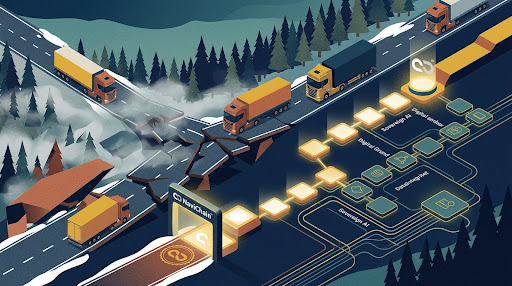
Fig 3: How a unified platform transforms external threats into manageable risks.
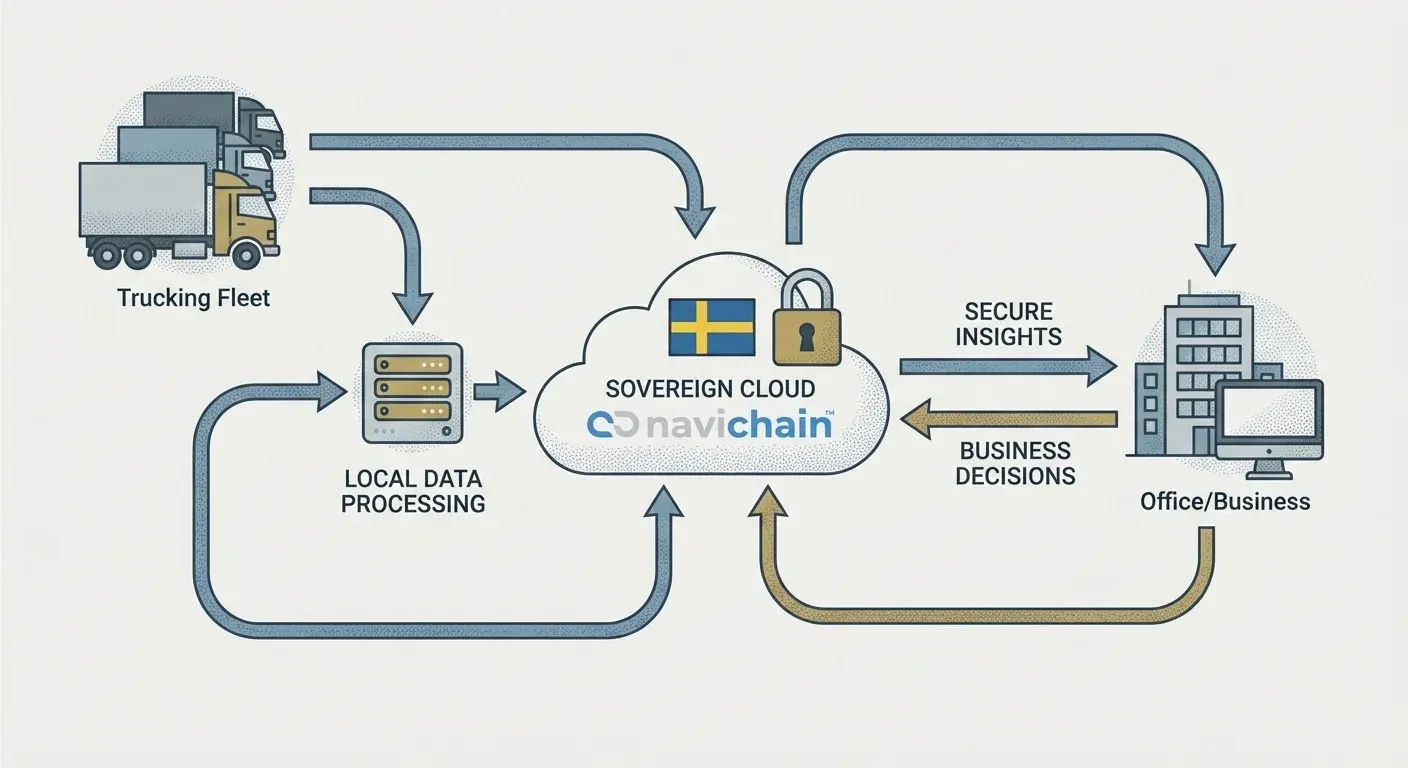
Schematic illustrating how data and geopolitical risk factors are integrated within the Liquidity Shield to mitigate financial vulnerabilities.
Navichain: Your Digital Fortress
We built Navichain to be exactly this shield. * We are European: All data is hosted on our own proprietary infrastructure in Sweden. No Amazon, no Azure. Full sovereignty. * We are Unified: Everything from order to invoice happens in an unbroken chain. Cash flow is accelerated. * We are Proactive: Our built-in intelligence gives you the tools to see profitability per assignment in real-time.
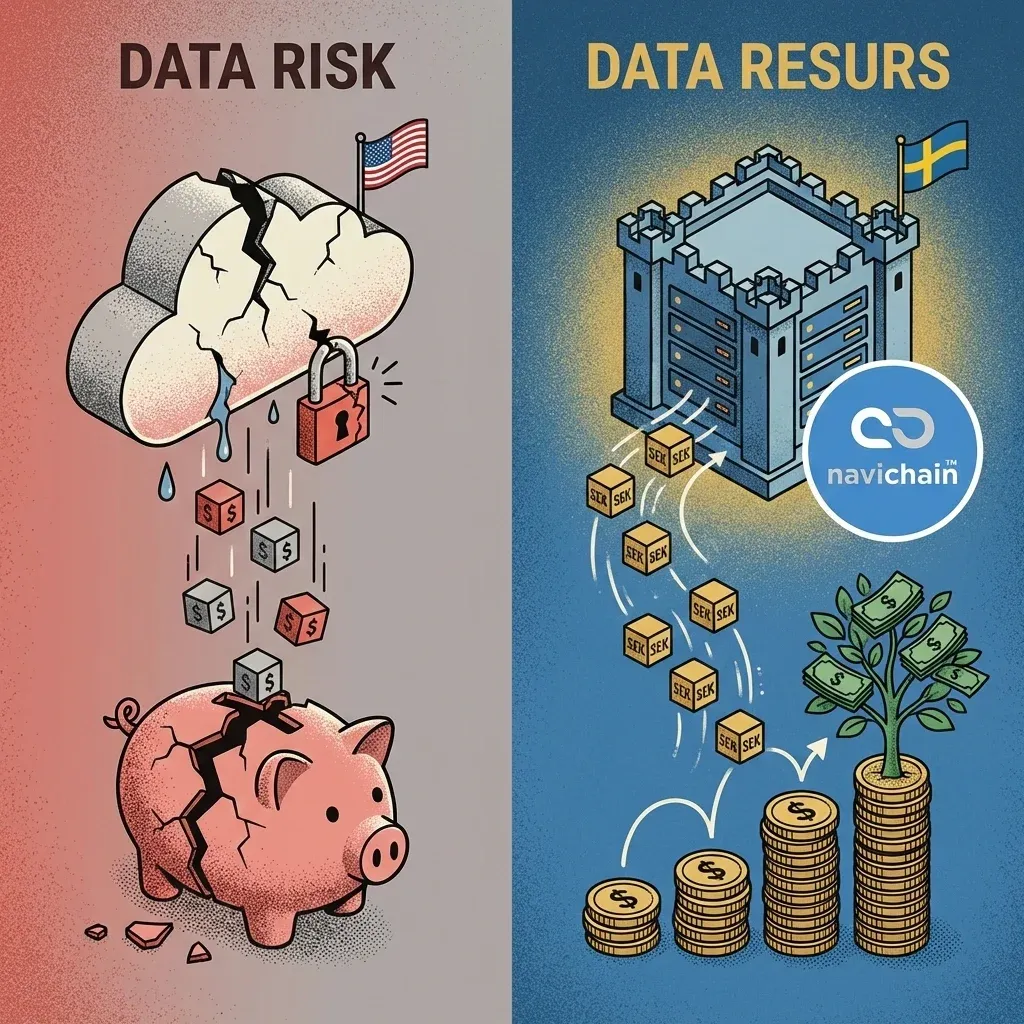
Fig 4: The result – a robust haulier that stands firm in the storm.
Conclusion
The world will not become less turbulent. Fuel prices will continue to fluctuate. Geopolitics will continue to affect trade. You cannot stop the storm, but you can build a better boat. With The Liquidity Shield – based on unified, sovereign data – you stop being a victim of circumstance and take back control of your future.
References
- Transport Intelligence (Ti): Market data on geopolitical risk in logistics. https://www.ti-insight.com
- IMY (Swedish Authority for Privacy Protection): Guidance on Third Country Transfers and Cloud Act. https://www.imy.se
- European Commission: Information on EU ETS 2 and fuel policies. https://ec.europa.eu
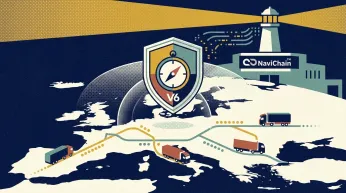
Navichain: Secure, Smart, Sovereign. Your partner in an uncertain world.
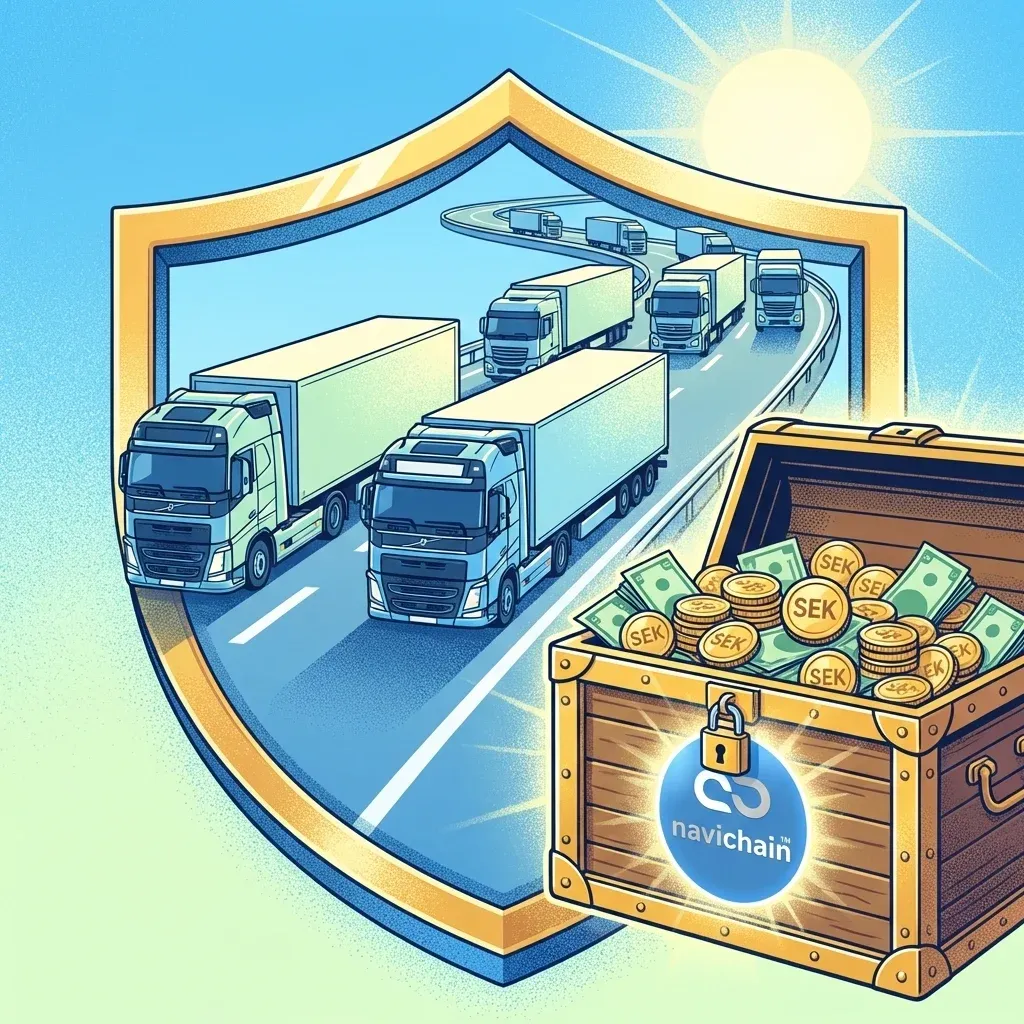
Visual representation of how Navichain helps businesses proactively manage and mitigate the impact of geopolitical risks on their supply chains.
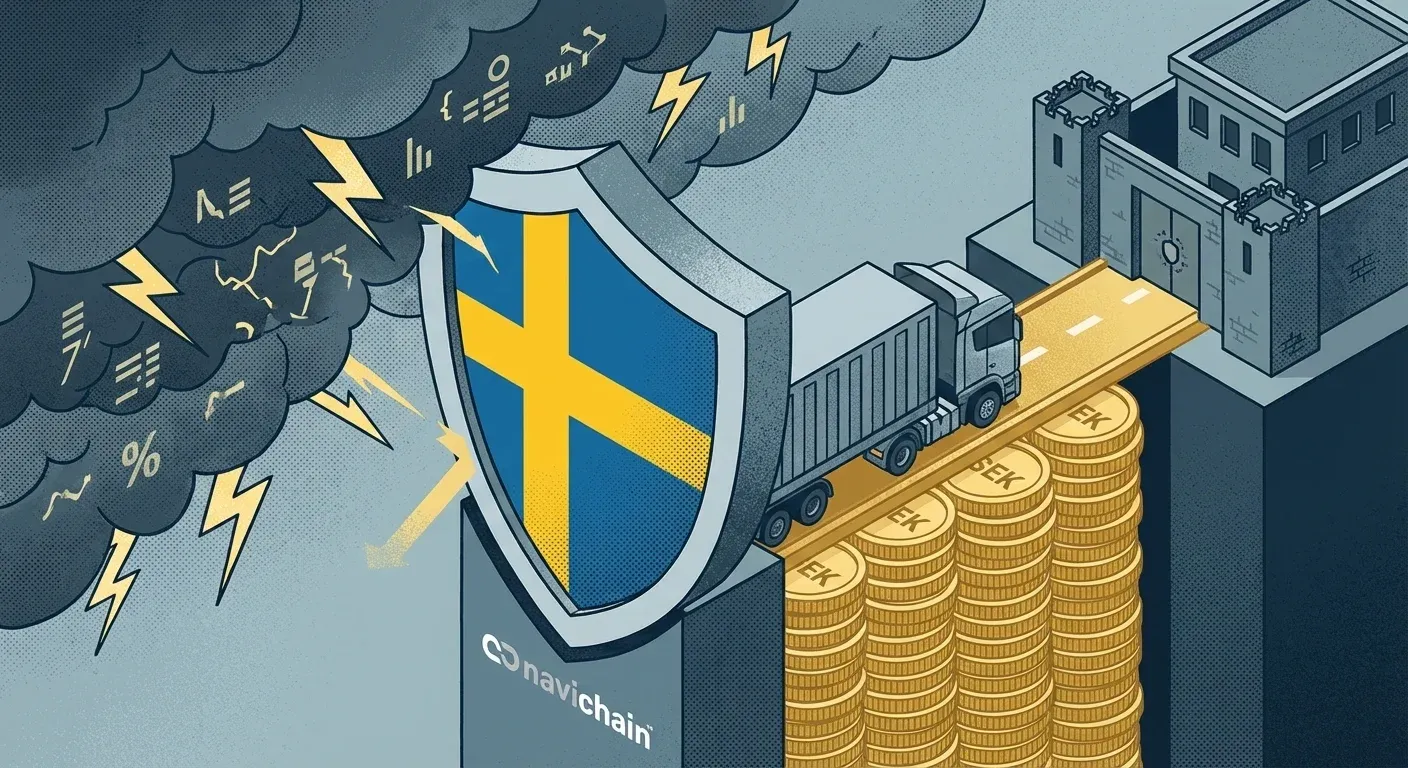
Navichain provides enhanced visibility and control over complex supply chains, mitigating risks and improving operational efficiency, as illustrated in the graphic.
Ready to optimise your supply chain?
navichain Insights Newsletter
Join the newsletter to receive the latest updates in your inbox.