Lean Manufacturing: The Relentless Pursuit of Value
Table of Contents
1. Executive Summary
Definition and core value. Lean Manufacturing is a methodology that focuses on minimizing waste within manufacturing systems while simultaneously maximizing productivity. It is based on the principle that any activity that does not add value from the customer's perspective is waste (Muda) and should be eliminated.
2. The Friction (The Problem)
Why this is hard. The Bloated Process. Traditional manufacturing and logistics often hide inefficiencies under the guise of 'safety buffers'. Excess inventory, waiting times, and over-processing are accepted as the cost of doing business. This 'fat' slows down the entire system and ties up capital.
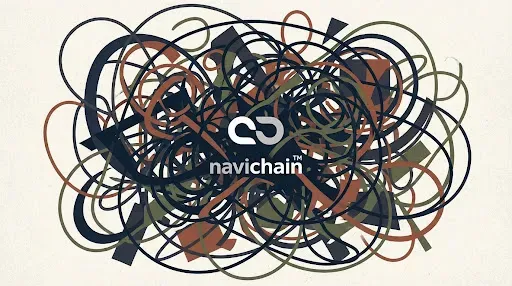
Figure 2: Visualizing the strategic problem.
3. Theoretical Background
The Mechanics. Derived from the Toyota Production System (TPS). * Value: defined by the customer. * Value Stream: map the steps. * Flow: keep the product moving. * Pull: produce only what is needed. * Perfection: continuous improvement (Kaizen). * The 7 Wastes (Muda): Transport, Inventory, Motion, Waiting, Over-production, Over-processing, Defects.
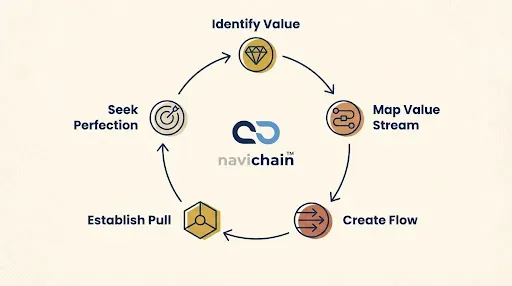
Figure 3: The core framework visualized.
4. The Data Evidence
Why this matters physically. Lean implementation can reduce lead times by 90%, reduce inventory by 80%, and increase productivity by 50%. A study of 200 manufacturers showed that those adopting Lean practices had 20% higher return on assets than non-Lean competitors.
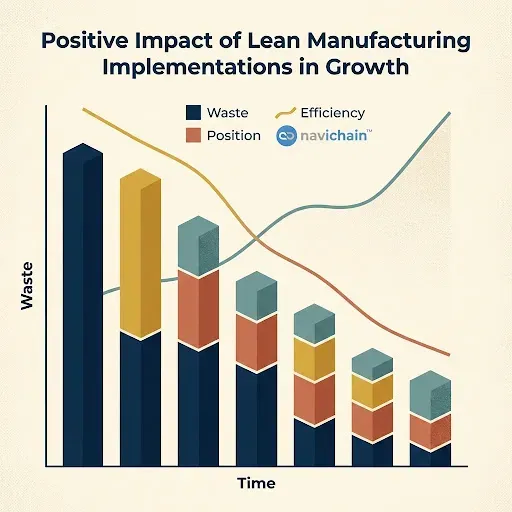
Figure 4: The measurable impact of the strategy.
5. Strategic Application
How to implement. Applying Lean in Logistics: * Transport: Optimize route planning to eliminate empty miles. * Inventory: Implement JIT to reduce warehousing costs. * Motion: Redesign warehouse layout so pickers travel less distance. * Waiting: Digitize paperwork (e-CMR) to stop trucks from idling at the gate.
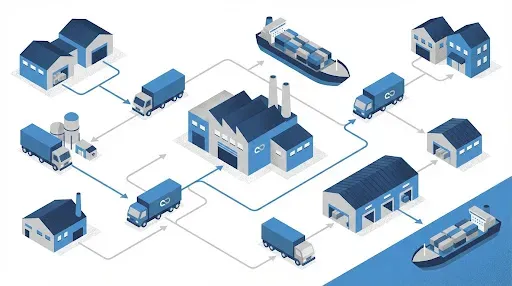
Figure 5: Practical application in a logistics context.
6. The Navichain Perspective: The Digital Enabler
Automated precision. Navichain is the digital backbone of Lean Logistics. We provide the visibility needed for 'Pull' systems. Our real-time tracking eliminates 'Waiting' by synchronizing arrival times with dock availability. We digitize the 'Value Stream', making waste visible and actionable.

Figure 6: How Navichain's digital platform operationalizes this strategy.
7. Real-World Success Stories
Case Studies. * Toyota: The creators of Lean. Their 'Just-in-Time' system serves as the model for modern efficiency. * Nike: Applied Lean to its supply chain to reduce lead times from 140 days to 60 days, significantly reducing inventory risk. * Intel: Used Lean to reduce the time to introduce a new chip to the factory from 14 weeks to 10 days.
8. Strategic Takeaway

Conclusion. Lean isn't about being cheap; it's about being fast and precise. By removing the fat, you reveal the muscle of your operation.
9. References
Verified links. * Lean Enterprise Institute. (n.d.). What is Lean?. View Resource * Toyota Motor Corporation. (n.d.). Toyota Production System. View Resource * McKinsey & Company. (n.d.). Operations. View Resource
navichain Insights Newsletter
Join the newsletter to receive the latest updates in your inbox.