The Flywheel Effect: A Comprehensive Guide
Table of Contents
The Flywheel Effect is a concept borrowed from physics, describing how a heavy wheel requires significant initial effort to start spinning, but once it gains momentum, it becomes increasingly easier to maintain and even accelerate. In a business context, the Flywheel Effect illustrates how iterative improvements in different areas of a company can amplify each other, leading to exponential growth and self-sustaining success. In logistics, this can be visualized as a cycle where better data leads to smarter AI, resulting in increased efficiency, driving growth, and generating even more data.
Section 1: The Core Mechanism
Imagine a large, heavy flywheel. Pushing it once won't do much. But consistent, focused effort on different points around the wheel gradually builds momentum. This momentum then fuels the next push, and so on. In logistics, these 'pushes' are interconnected improvements.
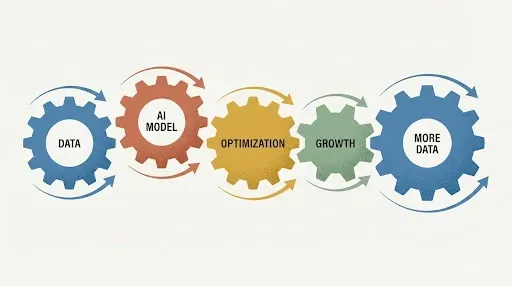
The core mechanism works as follows:
- Data Collection & Analysis: Accurate and comprehensive data about every aspect of the logistics operation (transportation routes, inventory levels, delivery times, etc.) is collected.
- AI-Powered Optimization: This data is fed into AI and machine learning algorithms that identify patterns, predict future trends, and recommend optimal solutions.
- Increased Efficiency: Implementing these AI-driven solutions leads to improvements in efficiency, such as reduced delivery times, lower transportation costs, and optimized inventory management.
- Business Growth: Increased efficiency translates into improved customer satisfaction, higher profitability, and overall business growth.
- More Data Generated: Growth generates more data, which further fuels the AI algorithms, creating a continuous cycle of improvement.
Section 2: Practical Application
The Flywheel Effect isn't just a theoretical concept; it has practical applications in various logistics scenarios. Consider a medium-sized European e-commerce company using Navichain's platform for its logistics operations.
- Initial State: The company faces challenges with delivery delays and high transportation costs.
- Data Collection: They implement Navichain, which automatically collects data from various sources, including transportation providers, warehouse management systems, and customer feedback.
- AI Optimization: Navichain's AI algorithms analyze the data and identify inefficiencies in their delivery routes and warehouse operations. For instance, the AI might discover that a specific carrier consistently experiences delays on a particular route due to traffic congestion.
- Efficiency Gains: The company uses this information to optimize delivery routes, switch to alternative carriers on congested routes, and improve warehouse layout for faster order fulfillment. This results in a 15% reduction in delivery times and a 10% decrease in transportation costs.
- Growth & More Data: The improved efficiency leads to increased customer satisfaction and higher sales. The increased sales volume generates more data, which allows Navichain's AI algorithms to further refine their recommendations and identify even more opportunities for optimization. This cycle continues, creating a self-reinforcing loop of improvement and growth.
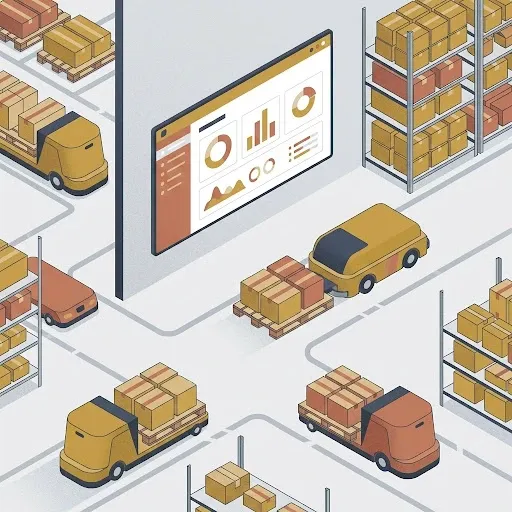
Another real-world example is in cold chain logistics. By meticulously tracking temperature data throughout the supply chain, AI can predict spoilage risks and optimize routes to minimize temperature excursions. This reduces waste, improves product quality, and generates even more data for future predictions.
Section 3: Common Pitfalls/Misconceptions
One common misconception is that the Flywheel Effect is a quick fix. In reality, it requires consistent effort and patience to get the flywheel spinning. It also relies heavily on the quality of the initial data. Garbage in, garbage out. Insufficient or inaccurate data can derail the entire process.
Another pitfall is focusing solely on one aspect of the cycle while neglecting others. For example, investing heavily in AI without ensuring proper data collection processes will limit the effectiveness of the AI and prevent the flywheel from gaining momentum.
Additionally, management buy-in is critical. Resistance to change and a lack of willingness to implement AI-driven recommendations can hinder progress. Stakeholders must understand the long-term benefits of the Flywheel Effect and be committed to making the necessary changes.
Section 4: The Digital Angle
Modern SaaS platforms and AI are crucial enablers of the Flywheel Effect in logistics. Without these digital tools, collecting, analyzing, and acting upon vast amounts of data would be nearly impossible.
- Data Collection: IoT sensors, GPS tracking, and API integrations with various logistics partners automate data collection, ensuring that information is captured accurately and in real-time.
- AI Analysis: Machine learning algorithms can identify patterns and predict future trends that would be impossible for humans to detect. This allows companies to make proactive decisions and optimize their operations in ways that were previously unimaginable.
- Automation: Automation tools, such as robotic process automation (RPA) and autonomous vehicles, can automate repetitive tasks, freeing up human employees to focus on more strategic initiatives. These automation tools are also fueled by the insights from AI driven by data.
Navichain leverages these digital technologies to empower SMEs to harness the Flywheel Effect. Its unified logistics OS provides a single platform for managing all aspects of the supply chain, from transportation to warehousing to customer delivery. By integrating data from various sources and applying AI-powered analytics, Navichain helps companies identify opportunities for improvement and optimize their operations for sustained growth. It democratizes access to sophisticated tools, making the flywheel attainable for smaller players.
Conclusion
The Flywheel Effect is a powerful concept that can drive exponential growth and sustained success in logistics. By focusing on data collection, AI-powered optimization, and continuous improvement, companies can create a self-reinforcing cycle that leads to increased efficiency, higher profitability, and improved customer satisfaction. Modern digital tools like Navichain are essential for unlocking the full potential of the Flywheel Effect, empowering logistics companies to thrive in today's competitive landscape.
References
- Jim Collins, Good to Great: Why Some Companies Make the Leap…And Others Don’t.
- 'The Harvard Business Review', numerous articles on data-driven decision making.
- 'McKinsey & Company' reports on AI in Supply Chain Management.
navichain Insights Newsletter
Join the newsletter to receive the latest updates in your inbox.