The e-CMR Advantage: Streamlining Logistics and Boosting Customer Satisfaction for European SMEs
Table of Contents
Executive Summary
European SMEs face pressure to enhance efficiency and customer satisfaction in today's competitive logistics landscape. This paper explores how adopting electronic consignment notes (e-CMR) provides a significant advantage. By unifying logistics data onto a single, secure platform, SMEs can streamline operations, reduce administrative burdens, and minimize errors. This leads to faster delivery times, improved communication, and enhanced traceability, ultimately boosting customer satisfaction. Discover how e-CMR implementations offer cost-effective solutions for optimizing your supply chain and achieving measurable improvements in both operational efficiency and customer experience. Learn how to leverage e-CMR to gain a competitive edge.
European SME hauliers are on the cusp of a digital revolution with the widespread adoption of e-CMR. This isn't just about regulatory compliance; it's about unlocking significant operational efficiencies and delivering superior customer experiences. For businesses ready to embrace a unified approach, e-CMR becomes the cornerstone of a streamlined, responsive, and customer-centric logistics operation. This white paper presents a strategic framework for leveraging e-CMR as the catalyst for transformative efficiency gains, boosting profitability, and elevating customer satisfaction.
Marginal Note: Data sovereignty becomes a valuable byproduct when building an efficient and compliant system.
The e-CMR Advantage: Streamlining Logistics and Boosting Customer Satisfaction
European SME hauliers are facing increasing pressure to optimize their operations and deliver exceptional customer service. The impending mandate for e-CMR adoption offers a unique opportunity to achieve both. While the EU's backing of the protocol aims to cut administrative costs by billions, the real value lies in the potential for streamlined workflows, reduced errors, and enhanced communication across the entire supply chain. This transition requires a strategic approach. Instead of viewing e-CMR as merely a regulatory hurdle, businesses should see it as a catalyst for building a unified, efficient, and customer-focused logistics operation. This white paper presents a strategic framework for leveraging e-CMR to unlock transformative efficiency gains, boost profitability, and elevate customer satisfaction.
The €4 billion promise: e-CMR as a Catalyst for Efficiency
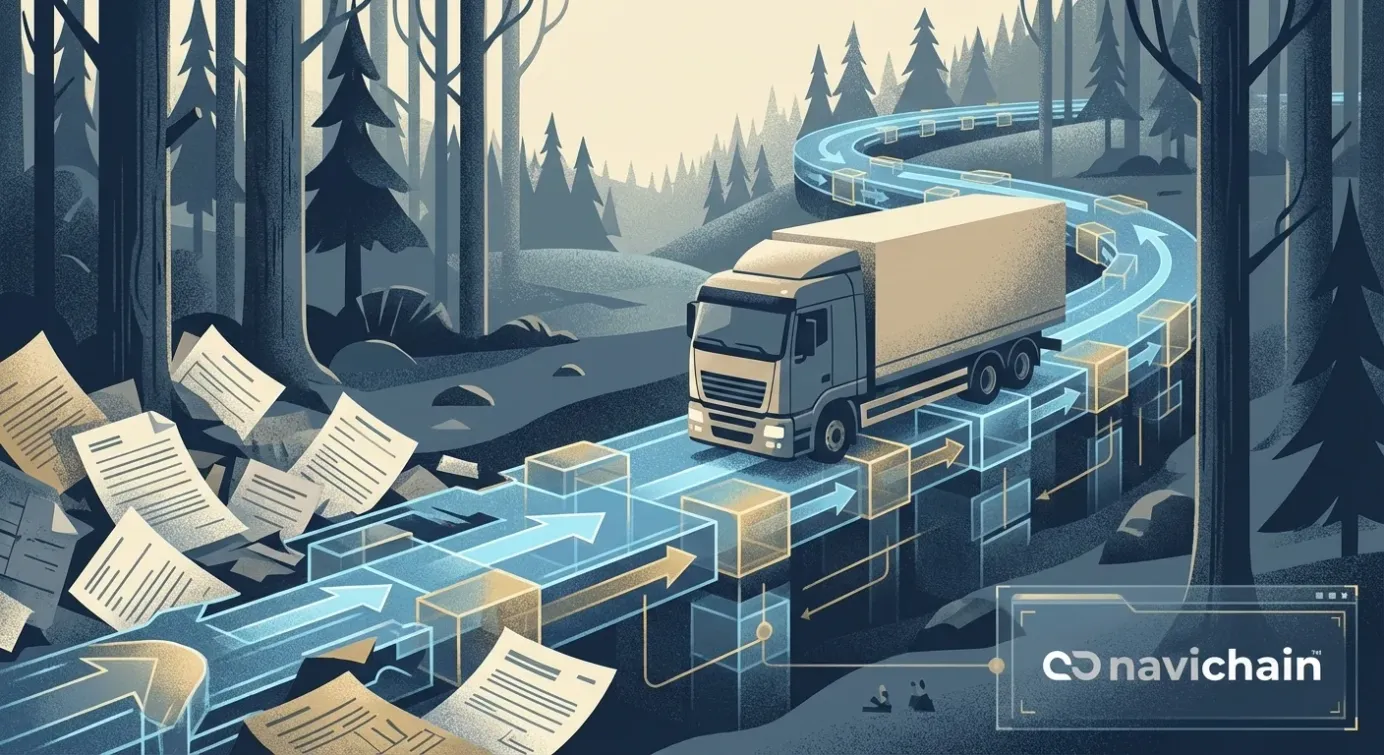
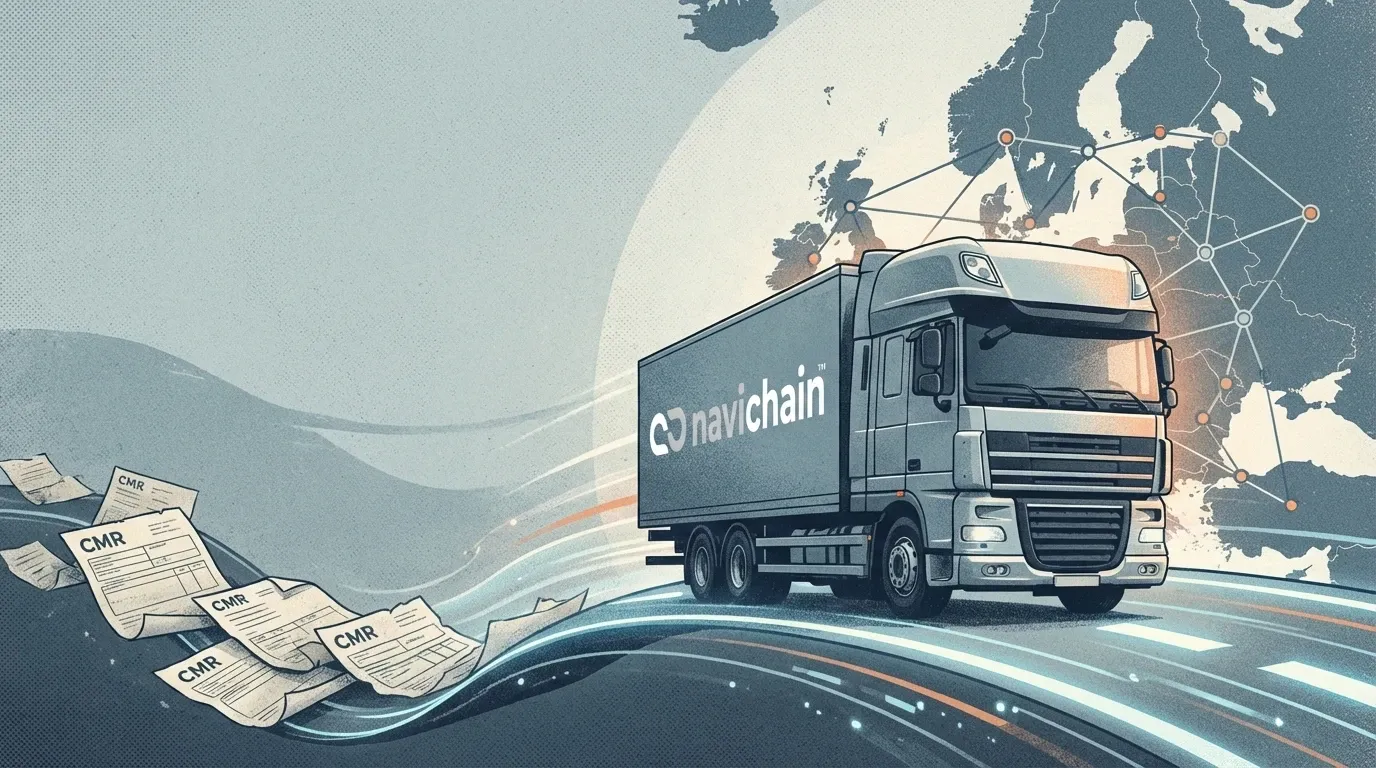
Fig 1: For decades, the standard CMR consignment note—a multi-part paper form—has been a source of friction in European cross-border road transport.
For decades, the standard CMR consignment note – a multi-part paper form – has been the bureaucratic backbone of European cross-border road transport. While a familiar process, it introduces significant inefficiencies, including delays, administrative overhead, manual data entry errors, and protracted billing cycles. The move to its digital successor, the e-CMR, is not simply a matter of keeping pace; it's an opportunity to accelerate ahead.
The International Road Transport Union (IRU) and the European Commission have championed the e-CMR protocol as a cornerstone of logistics digitization. The potential upside is substantial: authorities project that a full transition could slash administrative costs by up to €4.5 billion annually. For an SME haulier grappling with tight margins, fuel volatility, and driver shortages, the promise of faster invoicing, real-time data, and reduced paperwork translates directly to improved profitability and competitiveness.
As more EU member states ratify and implement the e-CMR protocol, with a push towards mandatory adoption under the Electronic Freight Transport Information (eFTI) regulation, the pressure to comply is increasing. SMEs are actively seeking solutions, and this presents an ideal moment to adopt a strategic, efficiency-driven approach. Instead of simply "checking the e-CMR compliant box," SMEs should leverage this transition to fundamentally improve their operations and enhance customer satisfaction.
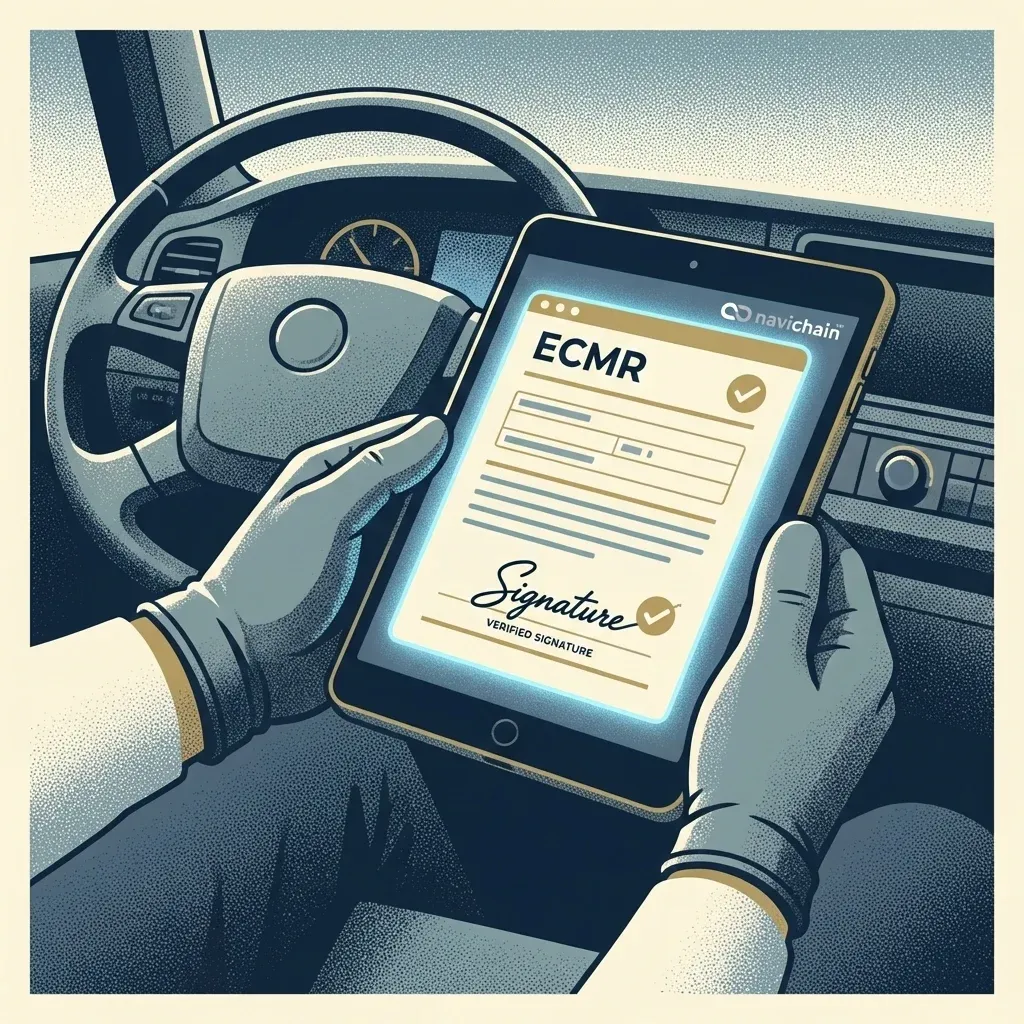
The multi-part CMR form exemplifies the paper-based processes that hinder efficiency; e-CMR aims to streamline these processes.
The Strategic Opportunity: e-CMR as a Foundation for Improvement
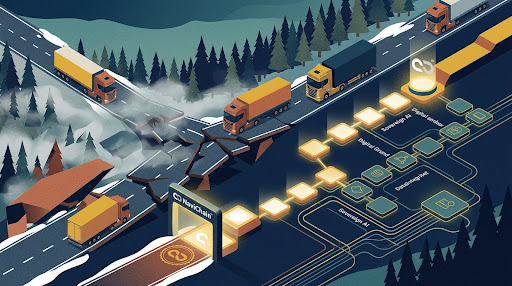
Fig 2: e-CMR compliance provides the opportunity to address data fragmentation for European SME hauliers, and create efficiency and improve customer experiences.
The central argument of this paper is this: For European SME hauliers, e-CMR compliance represents a strategic opportunity to transform operations, enhance customer satisfaction, and drive long-term growth. Approached strategically, e-CMR becomes more than a compliance exercise; it becomes the foundation for a more efficient, responsive, and customer-centric business.
The key lies in recognizing that the challenge is not merely, "How do I create a digital consignment note?" The real question is, "How do I leverage e-CMR to create a seamless, integrated, and data-driven logistics operation that benefits both my business and my customers?"
When an SME adopts a strategic e-CMR solution, they are solving multiple problems simultaneously. They are reducing administrative overhead, minimizing errors, improving communication, and gaining valuable insights into their operations. This integrated approach creates three critical, interconnected benefits: streamlined workflows, improved customer communication, and data-driven decision-making.
Benefit 1: Streamlined Workflows
An e-CMR is not a static document; it is a dynamic, multi-party record that should be seamlessly integrated into existing workflows. In a well-designed technology environment, this translates to:
- Reduced Data Entry: Order details entered into the TMS automatically populate the e-CMR, eliminating the need for duplicate data entry by drivers.
- Real-Time Visibility: Delivery confirmations from the e-CMR app instantly update the TMS, providing real-time visibility into load status for both the haulier and the customer.
- Faster Invoicing: The e-CMR's Proof of Delivery (POD) data automatically triggers the billing system, significantly reducing billing cycles and improving cash flow.
This is true digitization, where the e-CMR becomes a central component of a streamlined, automated process. The "efficiency gain" is maximized, leading to reduced administrative costs and improved resource utilization. The e-CMR, instead of becoming another silo, unifies the transport process, driving efficiency across the entire organization.
Benefit 2: Improved Customer Communication
e-CMR enables improved communication and transparency with customers. Real-time updates on shipment status, automated notifications, and easy access to digital PODs empower customers with the information they need, enhancing their overall experience. This translates to:
- Proactive Updates: Customers receive automated notifications regarding shipment milestones, such as dispatch, arrival, and delivery, keeping them informed every step of the way.
- Improved Transparency: Customers can access real-time tracking information and digital PODs, providing them with complete visibility into the status of their shipments.
- Reduced Inquiries: Proactive communication reduces the need for customers to contact the haulier for updates, freeing up resources and improving customer service efficiency.
This enhanced customer communication fosters trust and loyalty, leading to stronger customer relationships and repeat business.
Benefit 3: Data-Driven Decision-Making
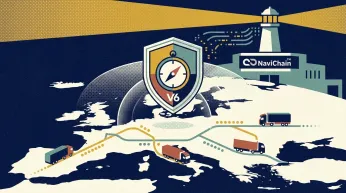
Fig 2: The value of digitization is using unified data to make smarter decisions and improve services.

This chart illustrates how integrated data systems enable businesses to leverage e-CMR data for better decision-making.
The ability to collect and analyze data from e-CMRs provides valuable insights into operational performance and customer behavior. This data can be used to:
- Optimize Routes: Analyze delivery times and identify bottlenecks to optimize routes and improve delivery efficiency.
- Improve Customer Service: Identify areas where customer service can be improved, such as reducing delivery delays or improving communication.
- Negotiate Better Rates: Use data on delivery performance to negotiate better rates with customers.
By leveraging data from e-CMRs, hauliers can make informed decisions that improve operational efficiency, enhance customer satisfaction, and drive profitability.
From Vision to Reality: A Blueprint for Success
Fig 3: An old model of disparate applications is broken. The next generation platform focuses on unified systems.
The key to unlocking the e-CMR advantage lies in adopting a strategic blueprint built on three core principles. These principles provide a framework for evaluating any e-CMR solution and ensuring that it aligns with your business goals.
Principle 1: Integrated Platform
A modern logistics platform must seamlessly integrate all core functions, including Transportation Management (TMS), Warehouse Management (WMS), Billing, and e-CMR. The e-CMR function should not be a standalone add-on; it should be a native component of a unified platform.
This integrated approach eliminates data silos, reduces manual data entry, and streamlines workflows, leading to significant efficiency gains.
Principle 2: Customer-Centric Design
The e-CMR solution should be designed with the customer in mind. This includes features such as real-time tracking, automated notifications, and easy access to digital PODs.
By prioritizing customer needs, hauliers can enhance customer satisfaction, build stronger relationships, and drive repeat business.
Principle 3: Data-Driven Insights
The platform should provide tools for collecting and analyzing data from e-CMRs. This data can be used to identify areas for improvement, optimize operations, and make informed business decisions.
By leveraging data-driven insights, hauliers can continuously improve their performance and stay ahead of the competition.
Marginal Note: Consider the location of your data storage and how it aligns with data protection laws.
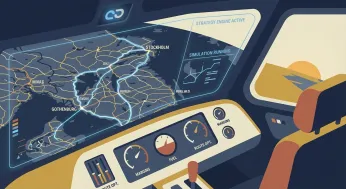
Fig 4: Analyzing e-CMR delivery patterns with TMS route planning enables optimization for increased profitability.
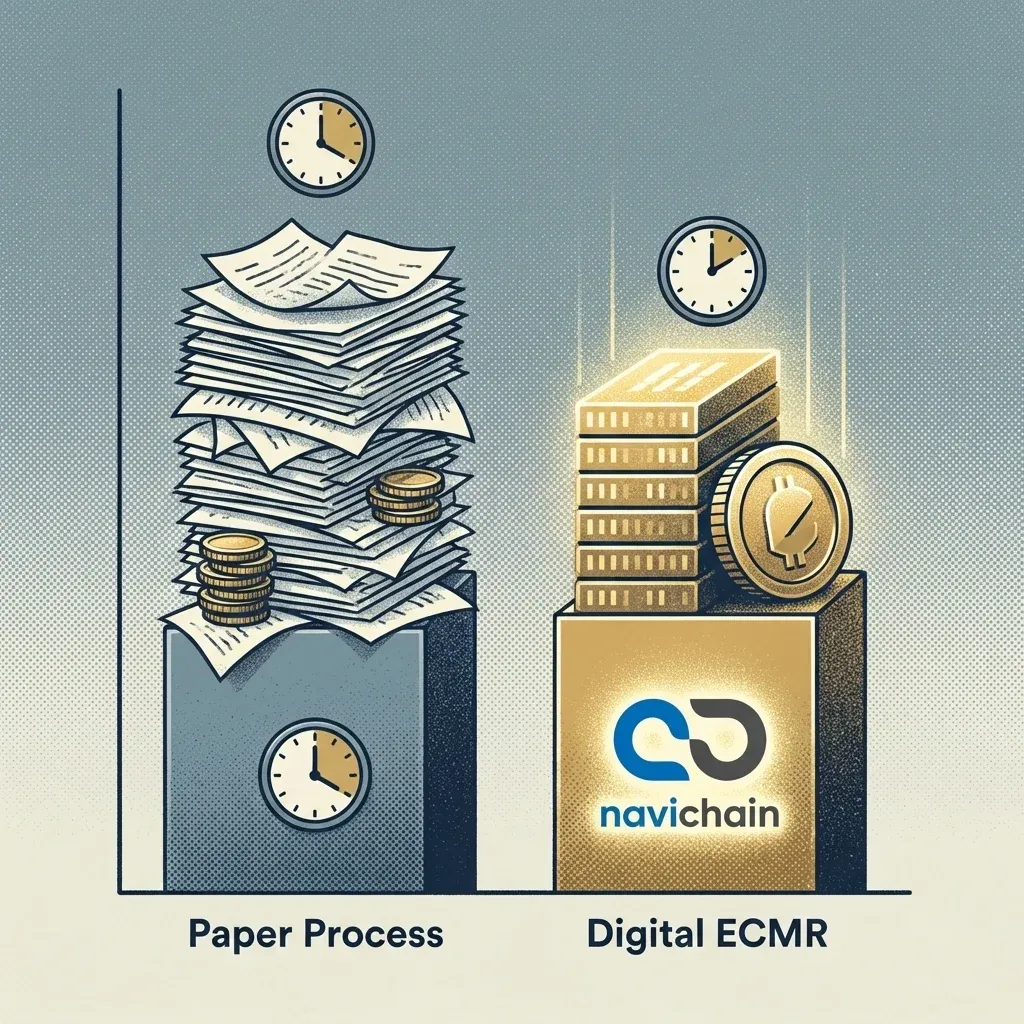
Schematic representation of AI-driven correlation between e-CMR data and TMS route planning, enabling optimization for increased profitability.
Conclusion
In conclusion, Navichain SaaS isn't just a platform; it's a springboard for European SMEs to leap into the future of logistics. We envision a landscape where businesses, empowered by unified data and customer-centric solutions, achieve unprecedented efficiency and profitability. Navichain facilitates more than simple regulatory adherence; it fosters operational excellence. By harnessing the power of real-time insights and integrated workflows, hauliers can unlock new levels of agility and responsiveness. Embrace Navichain SaaS and join us in building a smarter, more connected, and ultimately more successful future for European logistics. The journey to optimized supply chains starts here.
References/sources
- IRU (International Road Transport Union). (2024). e-CMR: Benefits, Legal Framework and Adoption. Retrieved from https://www.iru.org/what-we-do/facilitating-trade-and-transit/e-cmr
- European Commission. (2023). Electronic Freight Transport Information (eFTI) Regulation. Retrieved from https://transport.ec.europa.eu/transport-themes/digital-transport-and-logistics/efti_en
- Official Journal of the European Union. (2016). General Data Protection Regulation (GDPR), REGULATION (EU) 2016/679. Retrieved from https://eur-lex.europa.eu/legal-content/EN/TXT/?uri=CELEX:32016R0679
- Ti Insight. (2024). European Road Freight Transport Market Report 2024. Retrieved from https://ti-insight.com/reports/european-road-freight-transport-2024/
- US Department of Justice. (2018). The CLOUD Act. Retrieved from https://www.justice.gov/opa/speech/file/1043516/download
Fig 4: It's a strategic opportunity to increase customer satisfaction and efficiency.
Realizing the Vision: The Navichain SaaS Unified Logistics Platform
Fig 5: It is the exact design philosophy behind the navichain SaaS platform.
This white paper has provided a strategic blueprint for SMEs to harness the e-CMR advantage. This framework—built on an Integrated Platform, Customer-Centric Design, and Data-Driven Insights—is not merely theoretical; it represents the core design philosophy behind the Navichain SaaS platform.
We designed Navichain SaaS from the ground up to embody these principles and address the key challenges facing European SMEs.
- Embracing an Integrated Platform: Navichain SaaS is a unified logistics operating system, seamlessly integrating Transportation Management (TMS), Warehouse Management (WMS), Asset Management, Billing Management, and e-CMR. This integration ensures a single source of truth, eliminates data silos, and streamlines workflows.
- Prioritizing Customer-Centric Design: Navichain SaaS includes features such as real-time tracking, automated notifications, and a customer portal, empowering hauliers to deliver exceptional customer service.
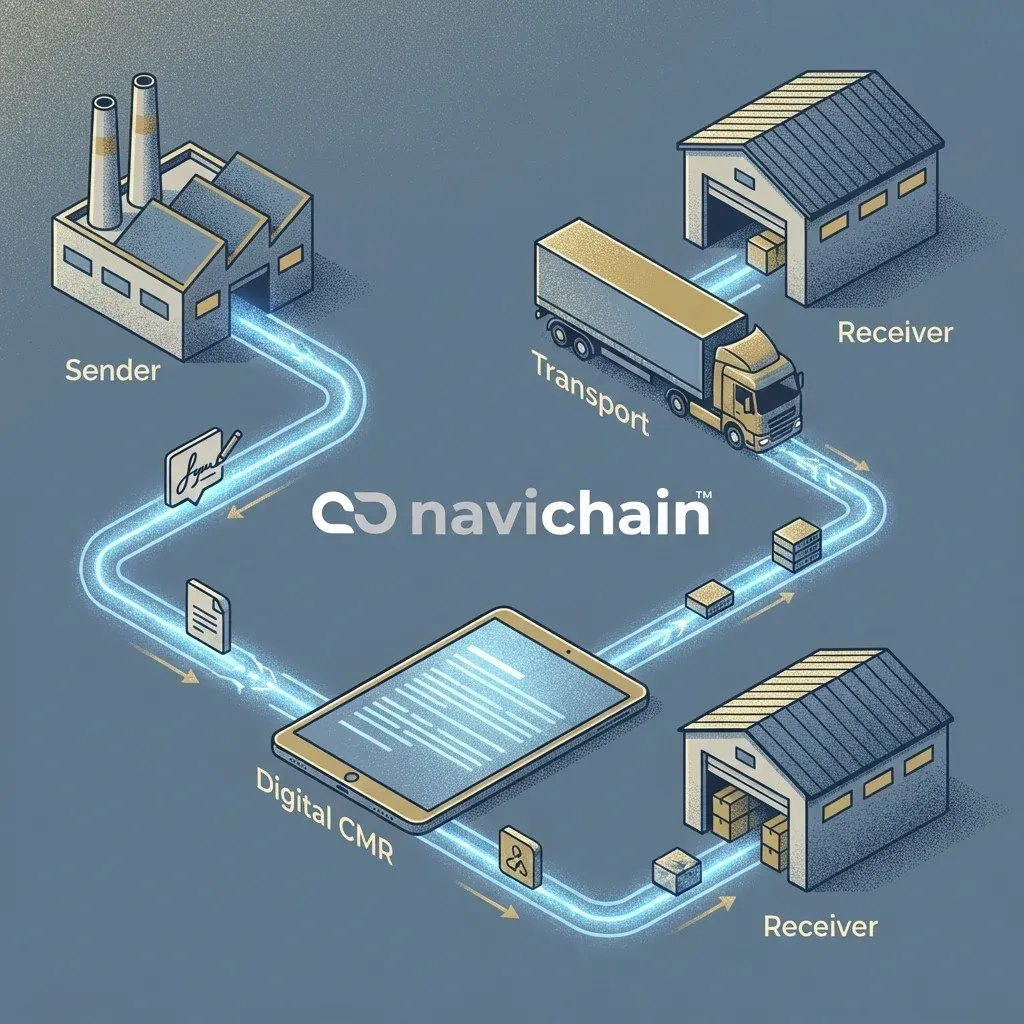
The navichain SaaS platform architecture, embodying a unified approach, ensures secure and integrated logistics management.
- Unlocking Data-Driven Insights: Navichain SaaS provides tools for collecting and analyzing data from e-CMRs and other sources, enabling hauliers to optimize operations and make informed business decisions.
Our mission is to empower SMEs with the tools they need to thrive in the digital age. With Navichain SaaS, you can move beyond simple compliance and build a more efficient, customer-centric, and profitable logistics operation.
Navichain SaaS: A unified logistics operating system that drives efficiency and customer satisfaction.
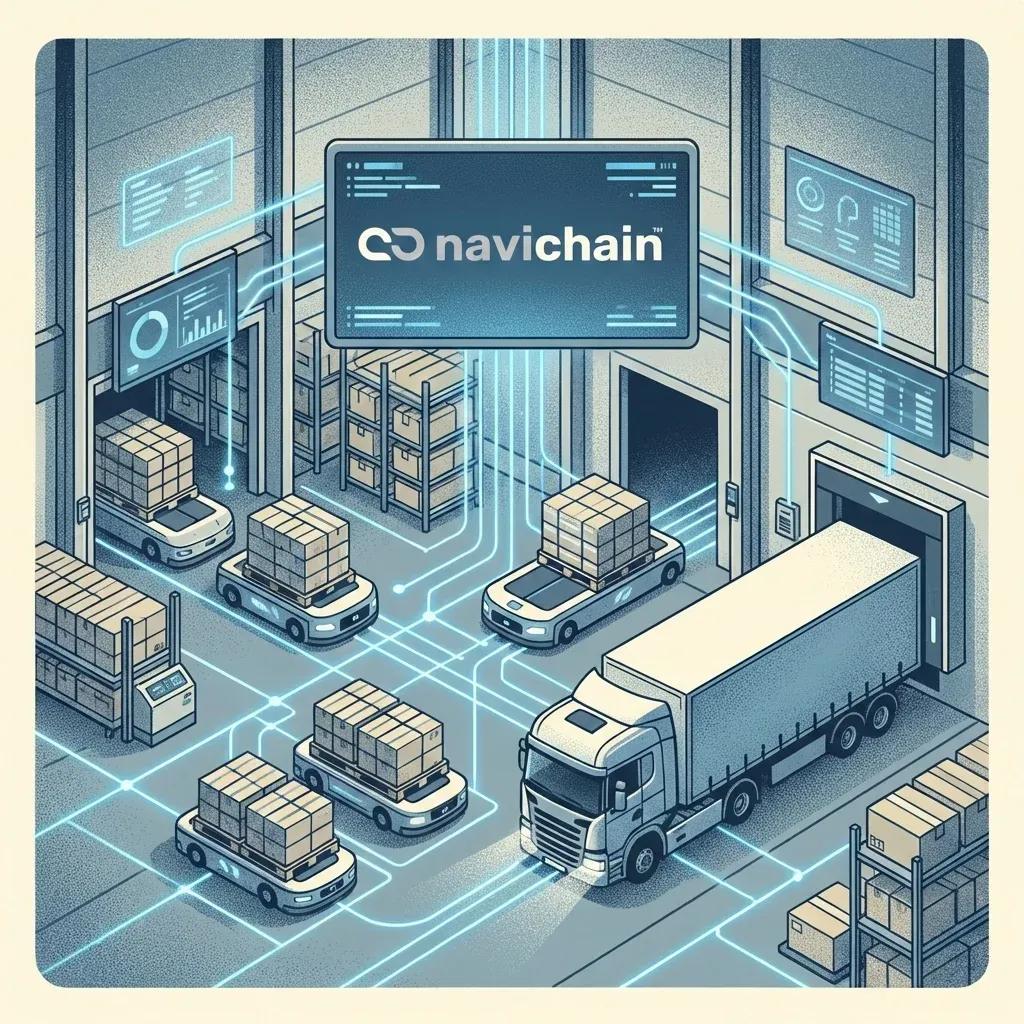
A visual representation of the navichain platform, illustrating its unified approach.
Ready to optimise your supply chain?
navichain Insights Newsletter
Join the newsletter to receive the latest updates in your inbox.