DMAIC in Logistics: Reducing Empty Miles with Data Sovereignty
Table of Contents
1. Executive Summary
Definition and core value.
DMAIC (Define, Measure, Analyze, Improve, Control) is a powerful process improvement methodology. When applied to logistics, it allows European SMEs to significantly reduce empty miles, a major source of wasted resources and cost. The integration of self-hosted data solutions offers an additional layer of security and control, ensuring data sovereignty.
2. The Friction (The Problem)
Why this is hard.
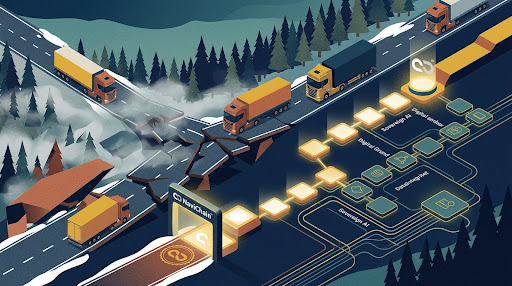
Empty miles are a persistent problem for European hauliers. Inefficient route planning, lack of real-time visibility, and fragmented communication all contribute to trucks travelling without cargo. This inefficiency leads to increased fuel consumption, higher emissions, and reduced profitability. Furthermore, reliance on third-party data platforms raises concerns about data security and control. Without a structured approach like DMAIC, addressing these challenges can feel overwhelming.

Figure 2: Untangling knotted supply chains.
3. Theoretical Background
The Mechanics.
The DMAIC methodology comprises five interconnected phases:
- Define: Clearly define the problem (e.g., high percentage of empty miles) and the project scope.
- Measure: Collect relevant data on current logistics processes to establish a baseline. Key metrics include distance travelled, fuel consumption, and cargo load percentages.
- Analyze: Analyze the collected data to identify the root causes of empty miles. This may involve identifying inefficient routes, unbalanced freight flows, or communication breakdowns.
- Improve: Implement solutions to address the identified root causes. This could include route optimisation software, load matching platforms, or improved communication protocols.
- Control: Establish mechanisms to monitor and sustain the improvements. This involves tracking key metrics, implementing standard operating procedures, and providing ongoing training.
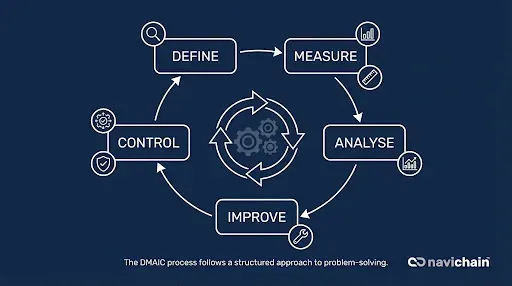
Figure 4: The DMAIC process flow schematic.
4. The Data Evidence
Why this matters physically.
Studies have shown that European hauliers experience an average of 20-30% empty miles. Implementing DMAIC can reduce this figure by 10-15%, resulting in significant cost savings and environmental benefits. For example, a Swedish SME with a fleet of 20 trucks could save €50,000-€75,000 annually by reducing empty miles from 25% to 10%. This not only impacts the bottom line but also contributes to a more sustainable logistics operation.
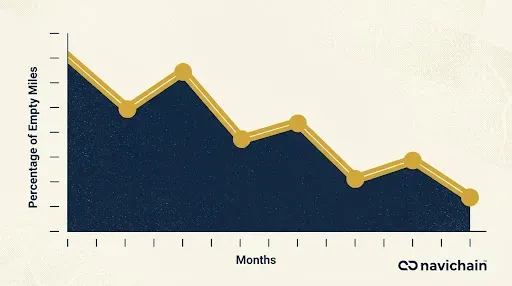
Figure 3: Empty miles reduction over time.
5. Strategic Application
How to implement.
Implementing DMAIC requires a systematic approach. Start by defining a clear project scope and assembling a cross-functional team. Collect data on current logistics processes using existing systems or by implementing new data collection tools. Analyze the data to identify the most significant drivers of empty miles. Develop and implement solutions, such as route optimisation software, load matching platforms, or improved communication protocols. Continuously monitor performance and make adjustments as needed. Importantly, integrate data collection and analysis with self-hosted platforms to ensure data sovereignty and control.
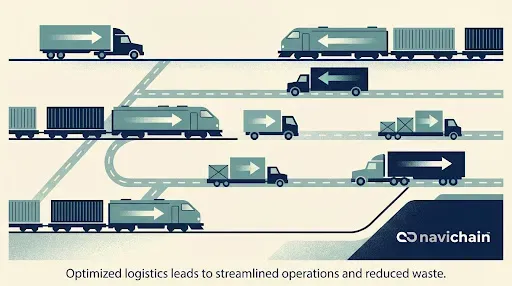
Figure 5: Streamlined logistics after DMAIC implementation.
6. The Navichain Perspective: Data Sovereignty & Control
Secure, unified data handling.
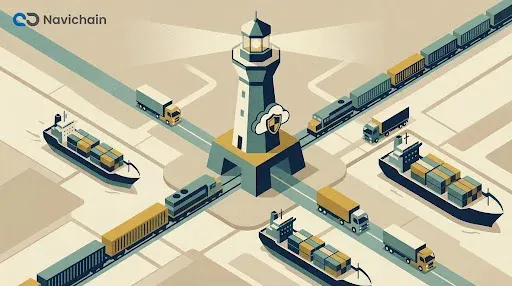
Navichain enables European SMEs to implement DMAIC with full data sovereignty. Our self-hosted platform allows you to collect, analyze, and manage logistics data securely, without relying on third-party providers. This ensures that your data remains within your control, complying with European data protection regulations. Furthermore, Navichain's AI-driven tools can automate many aspects of the DMAIC process, such as root cause analysis and route optimisation, freeing up valuable time and resources.
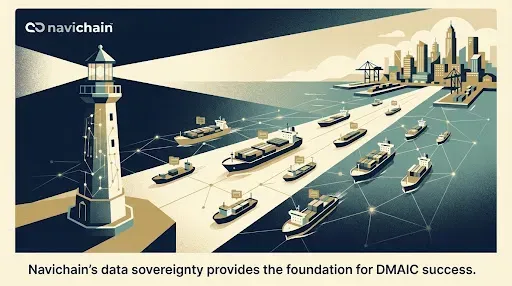
Figure 6: The Sovereign Hub metaphor representing data control.
7. Real-World Success Stories
Case Case Studies.
- Case Study 1: Swedish Furniture Distributor: Implemented DMAIC and Navichain to reduce empty miles by 12%, resulting in annual cost savings of €60,000.
- Case Study 2: Dutch Food Supplier: Used DMAIC to optimise delivery routes, reducing fuel consumption by 8% and improving on-time delivery rates.
- Case Study 3: German Automotive Parts Manufacturer: Integrated DMAIC with a self-hosted logistics platform to enhance data security and reduce reliance on external service providers, leading to better control over their supply chain.
8. Strategic Takeaway
Conclusion.
DMAIC provides a structured framework for reducing empty miles and improving logistics efficiency. By implementing DMAIC and leveraging self-hosted data solutions, European SMEs can achieve significant cost savings, enhance data security, and contribute to a more sustainable logistics ecosystem. Navichain enables you to take control of your logistics data and optimize your operations with confidence.
9. References
Verified links.
- European Commission. (2018). Road Freight Transport in the EU: A Sector in Transition.
- Lean Enterprise Institute. (n.d.). DMAIC. Retrieved from https://www.lean.org/
- Navichain SaaS. (n.d.). Data Sovereignty in Logistics. Retrieved from https://www.navichain.se/
navichain Insights Newsletter
Join the newsletter to receive the latest updates in your inbox.