The Circular Economy: Logistics for a Sustainable Future
Table of Contents
1. Executive Summary
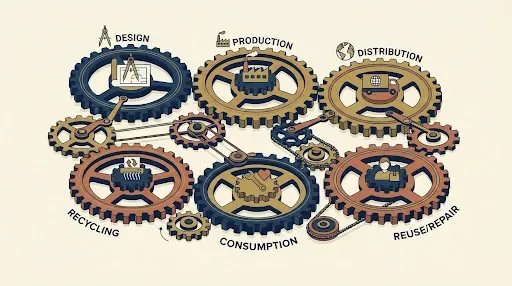
Definition and core value. The Circular Economy is an economic system aimed at eliminating waste and the continual use of resources. In contrast to the traditional 'take-make-waste' linear model, a circular system keeps products, equipment, and infrastructure in use for as long as possible.
2. The Friction (The Problem)
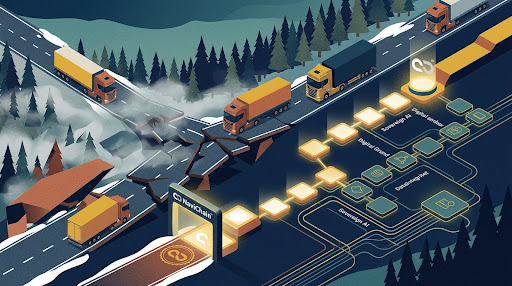
Why this is hard. Reverse Logistics complexity. Moving goods forward is hard; moving them backward (returns, recycling, refurbishment) is 10x harder. Most supply chains are one-way streets. The friction is the lack of infrastructure to recapture value from 'waste.'
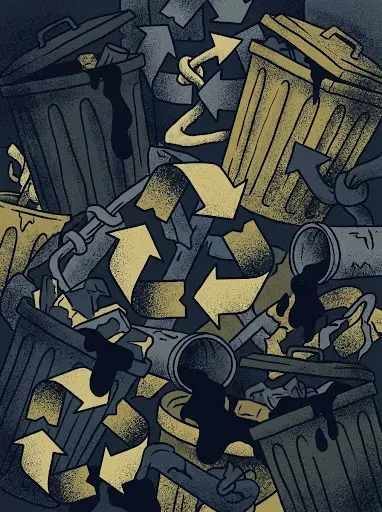
Figure 2: Visualizing the strategic problem.
3. Theoretical Background
The Mechanics. The Butterfly Diagram (Ellen MacArthur Foundation): * Design for Durability: Make things last. * Reuse: Keep items in use. * Refurbish/Remanufacture: Restore value. * Recycle: Recover materials. * Logistics Role: The 'loop closer' that physically moves the asset back to the value center.
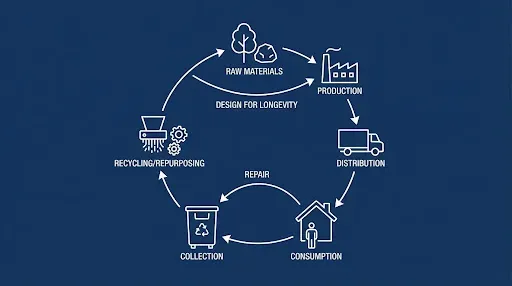
Figure 3: The core framework visualized.
4. The Data Evidence
Why this matters physically. The Circular Economy represents a $4.5 trillion global opportunity by 2030. For logistics, the 'Reverse Logistics' market is growing at 12% CAGR, faster than traditional forward logistics. Reusing a pallet is 95% cheaper than buying a new one.
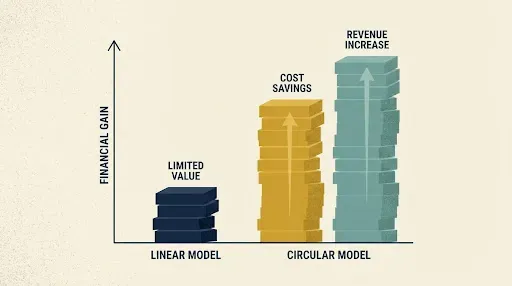
Figure 4: The measurable impact of the strategy.
5. Strategic Application
How to implement. Circular Logistics: * Returnable Packaging: Using durable crates instead of cardboard. * Asset Tracking: Knowing where every keg, pallet, and container is to prevent loss. * Product-as-a-Service: Leasing tires instead of selling them (incentivizing durability). * Urban Mining: Collecting e-waste for precious metal recovery.
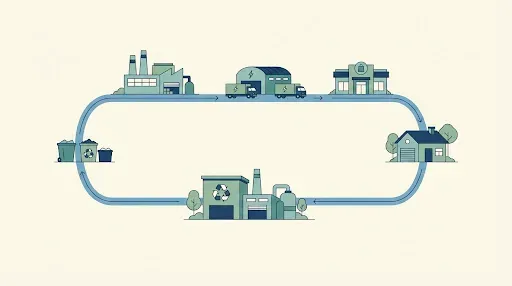
Figure 5: Practical application in a logistics context.
6. The Navichain Perspective: The Digital Enabler
Automated precision. Navichain enables the loop. Our asset tracking capabilities allow you to manage the lifecycle of returnable packaging and leased assets. We provide the digital passport that proves an item's history, essential for the resale and refurbishment markets.
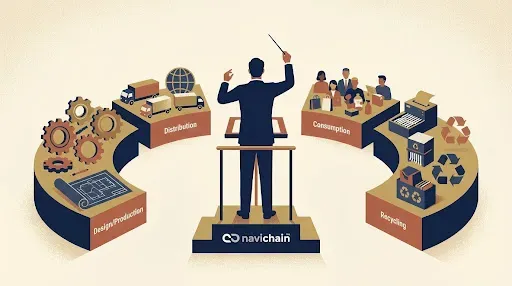
Figure 6: How Navichain's digital platform operationalizes this strategy.
7. Real-World Success Stories
Case Studies. * Renault: The CHOISY-LE-ROI factory remanufactures engines and gearboxes, using 80% less energy than making new ones. * CHEP: Built an entire global business model on the shared pooling (circularity) of pallets. * Philips: Moved from selling lightbulbs to selling 'Light as a Service,' retaining ownership of the bulbs to recycle them at end-of-life.
8. Strategic Takeaway

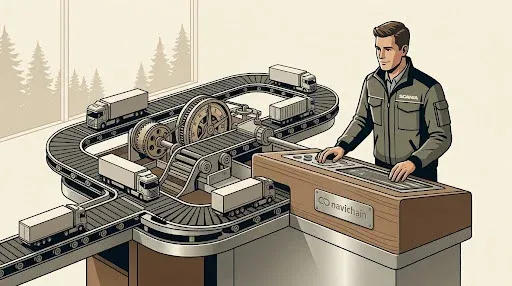
Conclusion. Waste is just a design flaw. In a circular economy, today's trash is tomorrow's raw material, and logistics is the conveyor belt that connects them.
9. References
Verified links. * Harvard Business Review. (n.d.). Strategy & Innovation. View Resource * Investopedia. (n.d.). Business Essentials. View Resource * Ellen MacArthur Foundation. (n.d.). Circular Economy. View Resource
navichain Insights Newsletter
Join the newsletter to receive the latest updates in your inbox.