Blue Ocean Strategy: Escaping the Competition
Table of Contents
1. Executive Summary
Definition and core value. Blue Ocean Strategy challenges the obsession with beating the competition. Instead, it argues for making the competition irrelevant by creating a leap in value for buyers and your company, thereby opening up new and uncontested market space.
2. The Friction (The Problem)
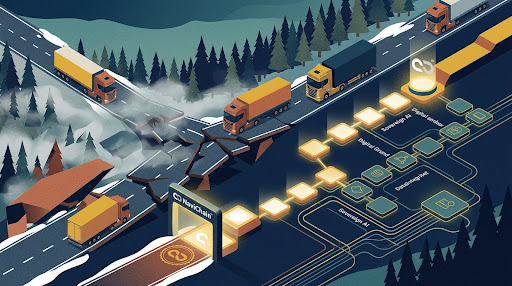
Why this is hard. The 'Red Ocean' trap. Most logistics companies compete on the exact same dimensions: price and speed. This leads to a bloody battle for market share, shrinking profit margins, and commoditization. Competing harder in a crowded market is a race to the bottom.

Figure 2: Visualizing the strategic problem.
3. Theoretical Background
The Mechanics. Developed by W. Chan Kim and Renée Mauborgne, the core is Value Innovation: achieving low cost and differentiation simultaneously. * Eliminate: Factors the industry takes for granted. * Reduce: Factors well below industry standard. * Raise: Factors well above industry standard. * Create: Factors the industry has never offered.
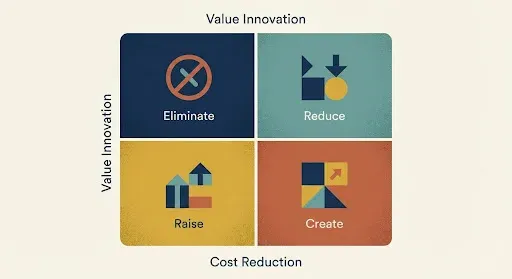
Figure 3: The core framework visualized.
4. The Data Evidence
Why this matters physically. A study of 108 business launches found that while 86% were line extensions (Red Oceans), they only delivered 39% of total profits. The 14% of launches that were Blue Ocean creations delivered 61% of total profits. Innovation pays disproportionately.
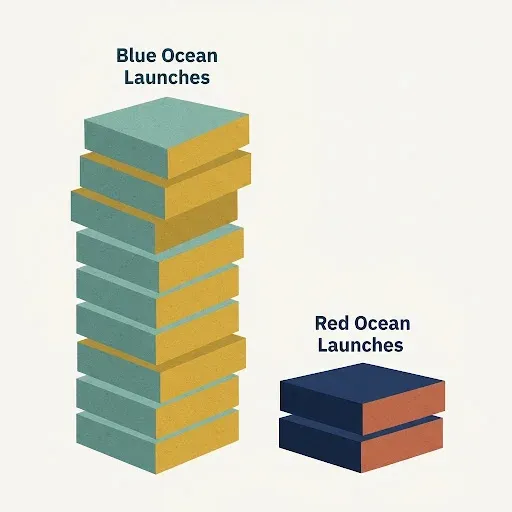
Figure 4: The measurable impact of the strategy.
5. Strategic Application
How to implement. Apply the 'Four Actions Framework' to logistics: * Eliminate: Paperwork and manual quoting. * Reduce: Empty miles and waiting times. * Raise: Visibility and data transparency. * Create: Predictive routing and carbon-neutral shipping options.
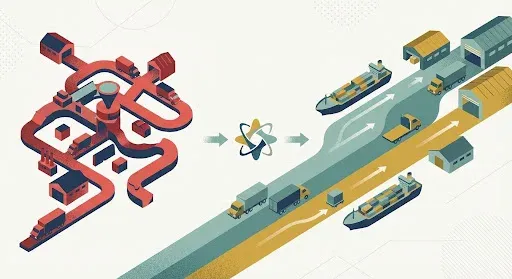
Figure 5: Practical application in a logistics context.
6. The Navichain Perspective: The Digital Enabler
Automated precision. Navichain facilitates Blue Ocean shifts by digitizing the 'Eliminate' and 'Create' vectors. We eliminate traditional broker friction and create direct, transparent connectivity. This allows our partners to offer a premium service level (High Value) at a lower operational cost (Low Cost).

Figure 6: How Navichain's digital platform operationalizes this strategy.
7. Real-World Success Stories
Case Studies. * Cirque du Soleil: Reinvented the circus by eliminating animals and star performers (cost) while adding theater and narrative (value). * Uber Freight: Created a Blue Ocean in trucking by eliminating the traditional broker phone-tag and creating an 'app-like' booking experience. * Yellow Tail Wine: Simplified wine for the masses, eliminating complex jargon and aging requirements, creating a massive new market.
8. Strategic Takeaway

Conclusion. Don't compete with rivals; make them irrelevant. In logistics, the next big winner won't be the cheapest carrier, but the one who redefines what a carrier does.
9. References
Verified links. * Harvard Business Review. (n.d.). Strategy & Innovation. View Resource * Investopedia. (n.d.). Business Essentials. View Resource * Boston Consulting Group. (n.d.). Our Insights. View Resource
navichain Insights Newsletter
Join the newsletter to receive the latest updates in your inbox.