The BCG Matrix: Balancing the Corporate Portfolio
Table of Contents
1. Executive Summary
Definition and core value. The BCG Growth-Share Matrix is a portfolio management framework that helps companies decide how to prioritize their different businesses. It classifies units as Stars, Cash Cows, Question Marks, or Dogs to guide investment and divestment decisions.
2. The Friction (The Problem)
Why this is hard. Resource misallocation. Companies often keep investing in dying business lines ('Dogs') out of sentimentality while starving high-growth potential units ('Stars') of necessary cash. Without a clear portfolio view, capital destroys value instead of creating it.
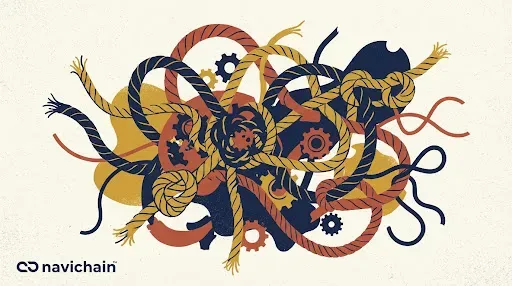
Figure 2: Visualizing the strategic problem.
3. Theoretical Background
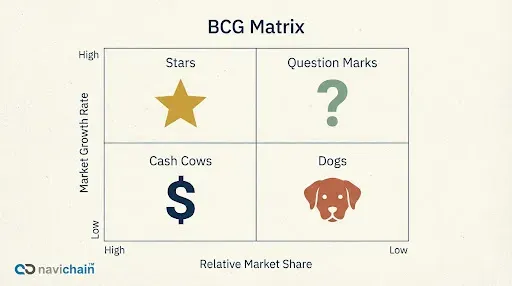
The Mechanics. Created by the Boston Consulting Group in 1970, it plots business units on two axes: 1. Market Growth Rate (Industry attractiveness). 2. Relative Market Share (Competitive advantage).
- Stars: High Growth, High Share.
- Cash Cows: Low Growth, High Share.
- Question Marks: High Growth, Low Share.
- Dogs: Low Growth, Low Share.
Figure 3: The core framework visualized.
4. The Data Evidence
Why this matters physically. Effective capital allocation is the #1 driver of long-term shareholder returns. Companies that actively reallocate capital across their portfolio operate with 10% higher Total Return to Shareholders (TRS) than those that rely on static budgets.
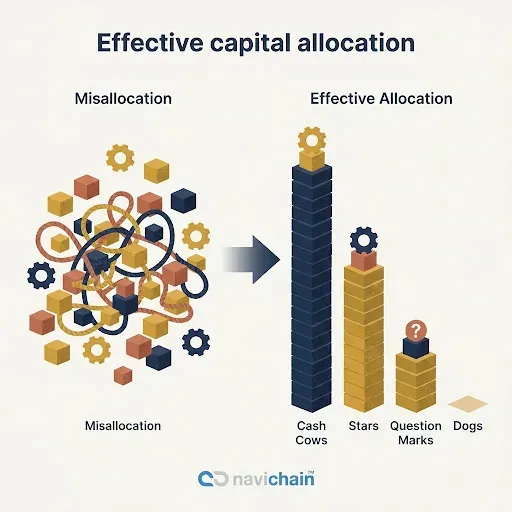
Figure 4: The measurable impact of the strategy.
5. Strategic Application
How to implement. Manage the lifecycle: * Milk the Cows: Use profits from mature, dominant logistics routes to fund innovation. * Feed the Stars: Invest heavily in high-growth areas like e-commerce fulfillment. * Decide on Question Marks: Double down or divest. * Kill the Dogs: Exit low-margin, low-growth freight lanes.
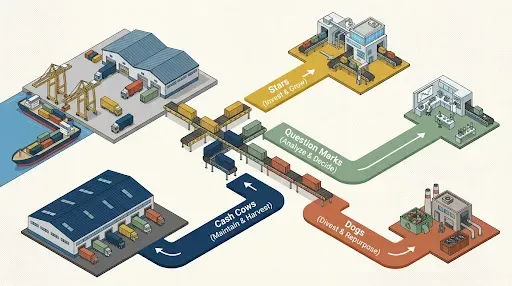
Figure 5: Practical application in a logistics context.
6. The Navichain Perspective: The Digital Enabler
Automated precision. Data visibility is key to accurate categorization. Navichain provides the granular profitability analytics needed to identify which lanes or services are truly 'Cash Cows' versus 'Dogs.' We assume nothing; we measure everything.
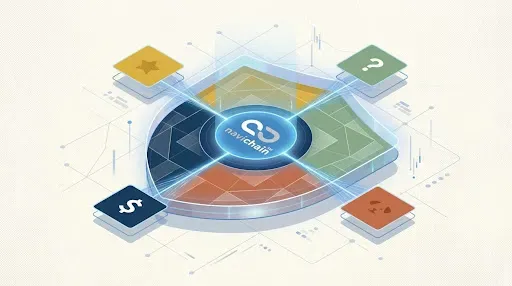
Figure 6: How Navichain's digital platform operationalizes this strategy.
7. Real-World Success Stories
Case Studies. * Apple: The iPhone (Star turned Cash Cow) funds the development of Services and Vision Pro (Question Marks). * Maersk: Divested its energy division (Dog/Cash Cow depending on era) to focus entirely on integrated transport (Star intent). * General Electric: Under Jack Welch, famously divested any business that wasn't #1 or #2 in its market (killing Dogs/Question Marks).
8. Strategic Takeaway

Conclusion. Your business is not a family; it's a portfolio. Love your 'Stars,' respect your 'Cows,' and have the courage to say goodbye to your 'Dogs.'
9. References
Verified links. * Harvard Business Review. (n.d.). Strategy & Innovation. View Resource * Investopedia. (n.d.). Business Essentials. View Resource * Boston Consulting Group. (n.d.). Our Insights. View Resource
navichain Insights Newsletter
Join the newsletter to receive the latest updates in your inbox.