Balanced Scorecard: Performance Management for Logistics
Table of Contents
1. Executive Summary
Definition and core value. The Balanced Scorecard is a strategic management system that translates mission and vision into actual daily actions. It moves beyond financial measures to include customer, internal process, and learning & growth perspectives.
2. The Friction (The Problem)
Why this is hard. Financial Myopia. Companies often drive using only the rear-view mirror (Financial Statements). They see they lost money last quarter but don't know why. They ignore leading indicators like 'Driver Turnaround Time' (Internal Process) or 'Customer Satisfaction' (Customer) until it's too late.
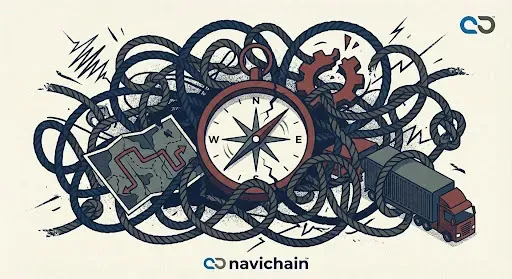
Figure 2: Visualizing the strategic problem.
3. Theoretical Background
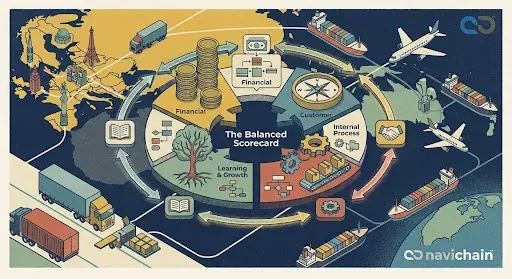
The Mechanics. Kaplan & Norton (1992) proposed four perspectives: 1. Financial: To succeed financially, how should we appear to shareholders? 2. Customer: To achieve our vision, how should we appear to our customers? 3. Internal Process: To satisfy our shareholders and customers, at what business processes must we excel? 4. Learning & Growth: To achieve our vision, how will we sustain our ability to change and improve?
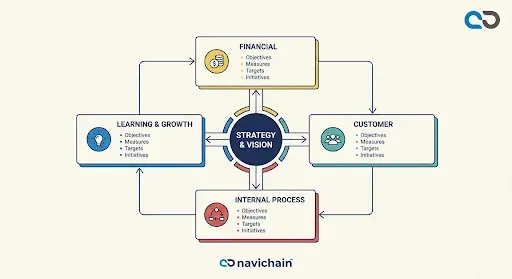
Figure 3: The core framework visualized.
4. The Data Evidence
Why this matters physically. Organizations using a Balanced Scorecard approach are 50% more likely to execute their strategy successfully. In logistics, tracking 'Internal Process' metrics like 'Order Accuracy' is a leading indicator for future 'Financial' performance (Profit).
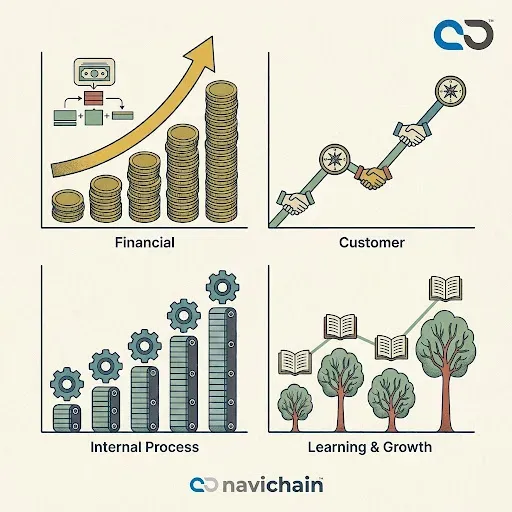
Figure 4: The measurable impact of the strategy.
5. Strategic Application
How to implement. A Logistics Scorecard: * Financial: Operating Margin, Cash Flow. * Customer: On-Time In-Full (OTIF), Net Promoter Score (NPS). * Internal: Fleet Utilization, Detention Time, Empty Miles. * Learning: Driver Training Hours, Technology Adoption Rate.

Figure 5: Practical application in a logistics context.
6. The Navichain Perspective: The Digital Enabler
Automated precision. Navichain automates the Scorecard. We naturally collect the data for 'Internal Process' (timestamps) and 'Customer' (delivery confirmation). Our dashboard visualizes these metrics in real-time, allowing you to manage the business today, not wait for next month's P&L.
Figure 6: How Navichain's digital platform operationalizes this strategy.
7. Real-World Success Stories
Case Studies. * UPS: Uses a balanced scorecard to track everything from 'Percent of Stops with Engine Off' (Internal) to 'Customer Retention' (Customer). * British Airways: Used the scorecard to turn around the airline by focusing on 'On-Time Departure' (Internal) which drove 'Customer Satisfaction' and eventually 'Financial' profit. * Local Haulage Firm: Reduced 'Empty Miles' (Internal) by 15%, which directly improved 'Operating Margin' (Financial).
8. Strategic Takeaway
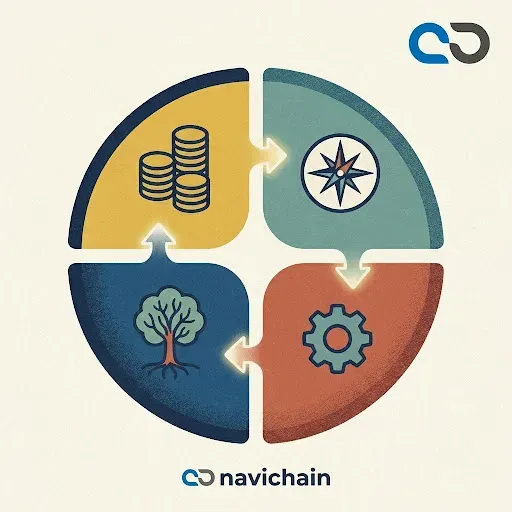
Conclusion. What gets measured gets managed. The Balanced Scorecard ensures you are measuring the engine (processes) and the driver (people), not just checking the speedometer (finance).
9. References
Verified links. * Harvard Business Review. (n.d.). Strategy & Innovation. View Resource * Investopedia. (n.d.). Business Essentials. View Resource * Institute for Strategy and Competitiveness. (n.d.). Michael Porter. View Resource
navichain Insights Newsletter
Join the newsletter to receive the latest updates in your inbox.