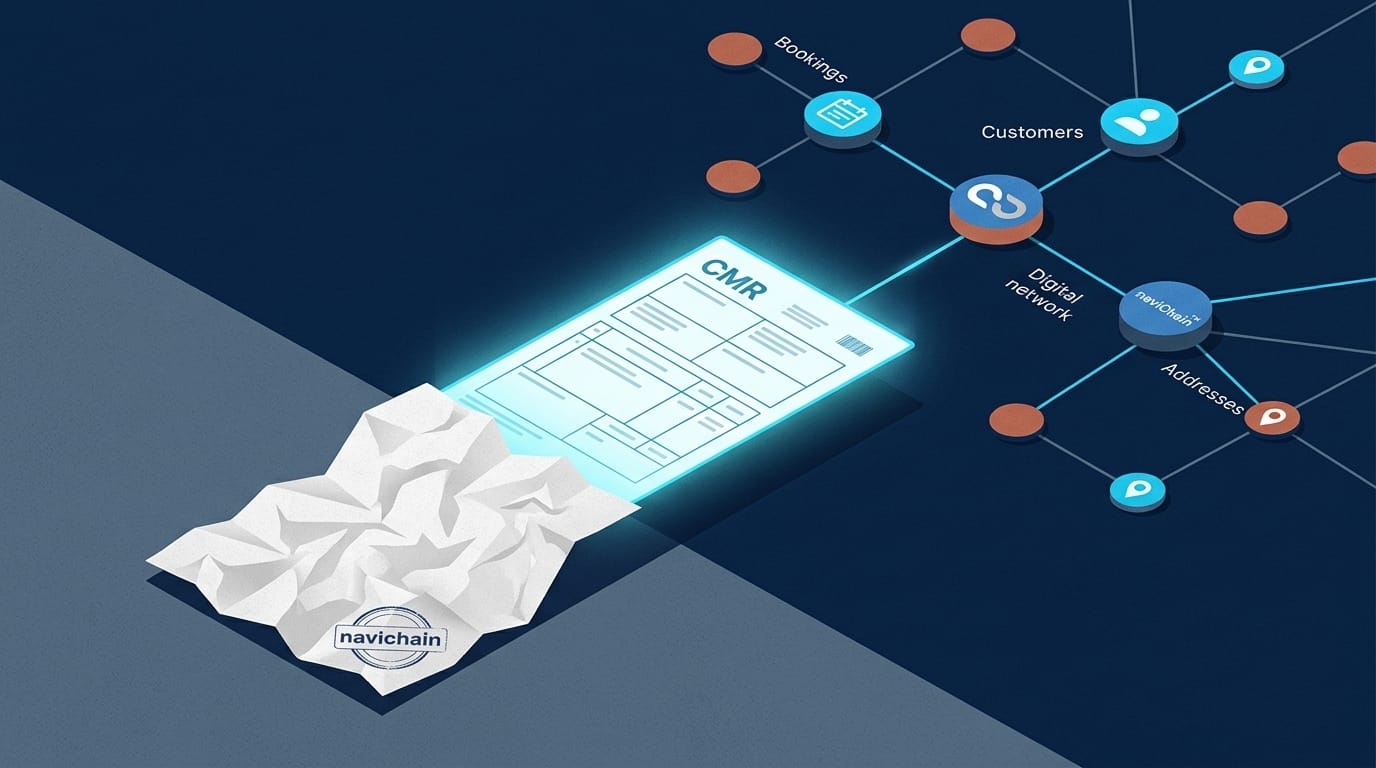
Stop Typing, Start Driving: The Free AI CMR Generator That Builds Your TMS
Table of Contents
Manual data entry is a silent tax on transport operations. To solve this, our free CMR generator acts as an instant CMR web app, providing a casual, zero-friction tool to transform an unstructured booking PDF or image into a compliant Consignment Note for free using logistics document AI extraction. Whether you use the web UI, Chrome extension, or mobile app, you can instantly extract data. For those looking to save their history, a simple trial upgrade transforms this free tool into a background engine that effortlessly builds your entire logistics database and TMS infrastructure, ensuring absolute data privacy.
Key Takeaways / Executive Summary: * Instant Free Generation: Upload any booking PDF or image to instantly generate a standard CMR with zero data retained. * Frictionless Workflow: Eliminate the multi-layered liability and profitability erosion caused by manual data transcription. * Automated Database Building: Upgrade to a free trial to automatically create live 'Bookings' and organic customer directories from every scanned CMR. * Historical Data Ingestion: Upload past bookings to instantly populate your analytics and historical lanes without manual keystrokes. * Sovereign Security: All automated extraction operates on open source LLMs hosted within our secure European infrastructure, ensuring strict GDPR compliance.
1. What is the Operational Challenge in Modern Freight?
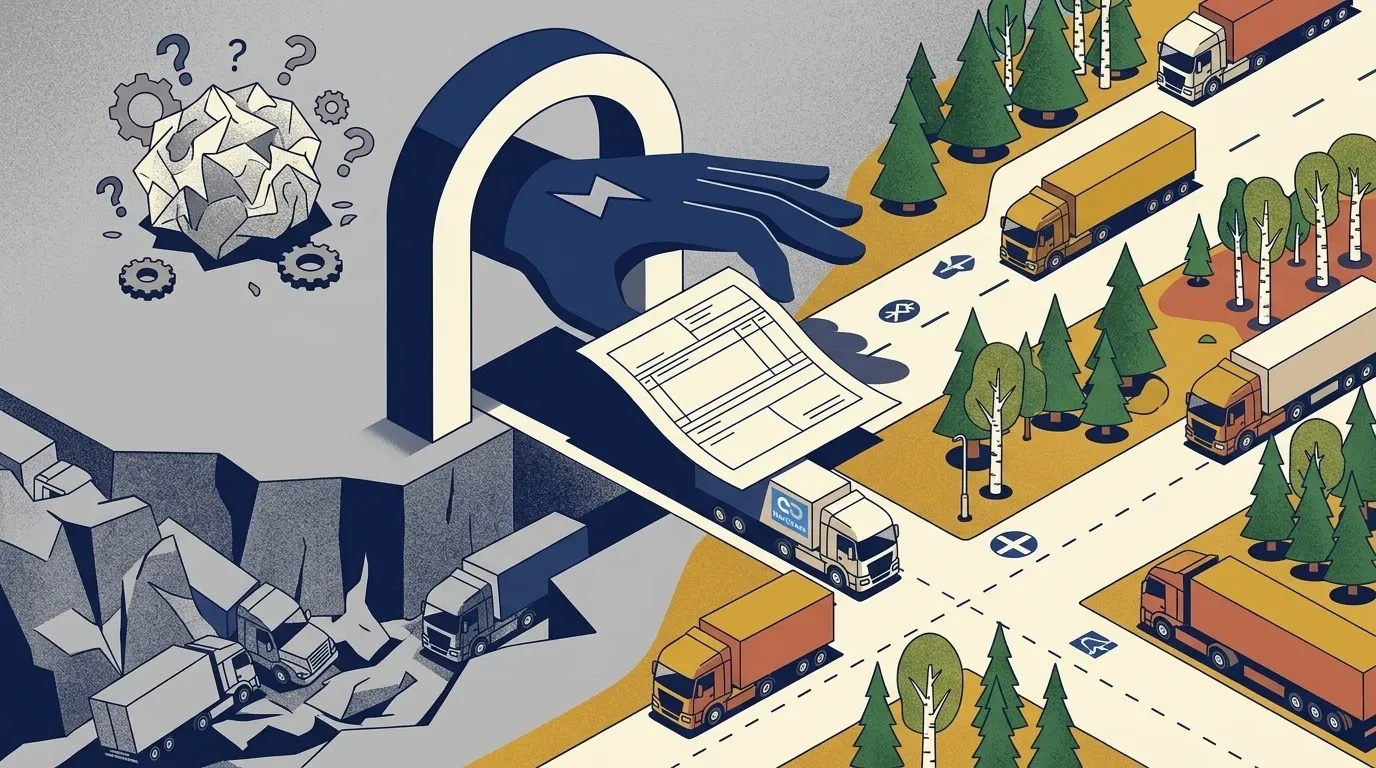
In the fast-paced, high-stakes environment of European road freight, the physical movement of goods is often more streamlined than the administrative processes governing it. Transport managers and dispatchers are continuously bombarded with transport orders in a chaotic variety of unstructured formats. A booking might arrive as a scanned, multi-page PDF from a forwarder, a poorly lit photograph of a handwritten order sent via WhatsApp by a driver waiting at a dock, or a loosely formatted text email from a direct customer.
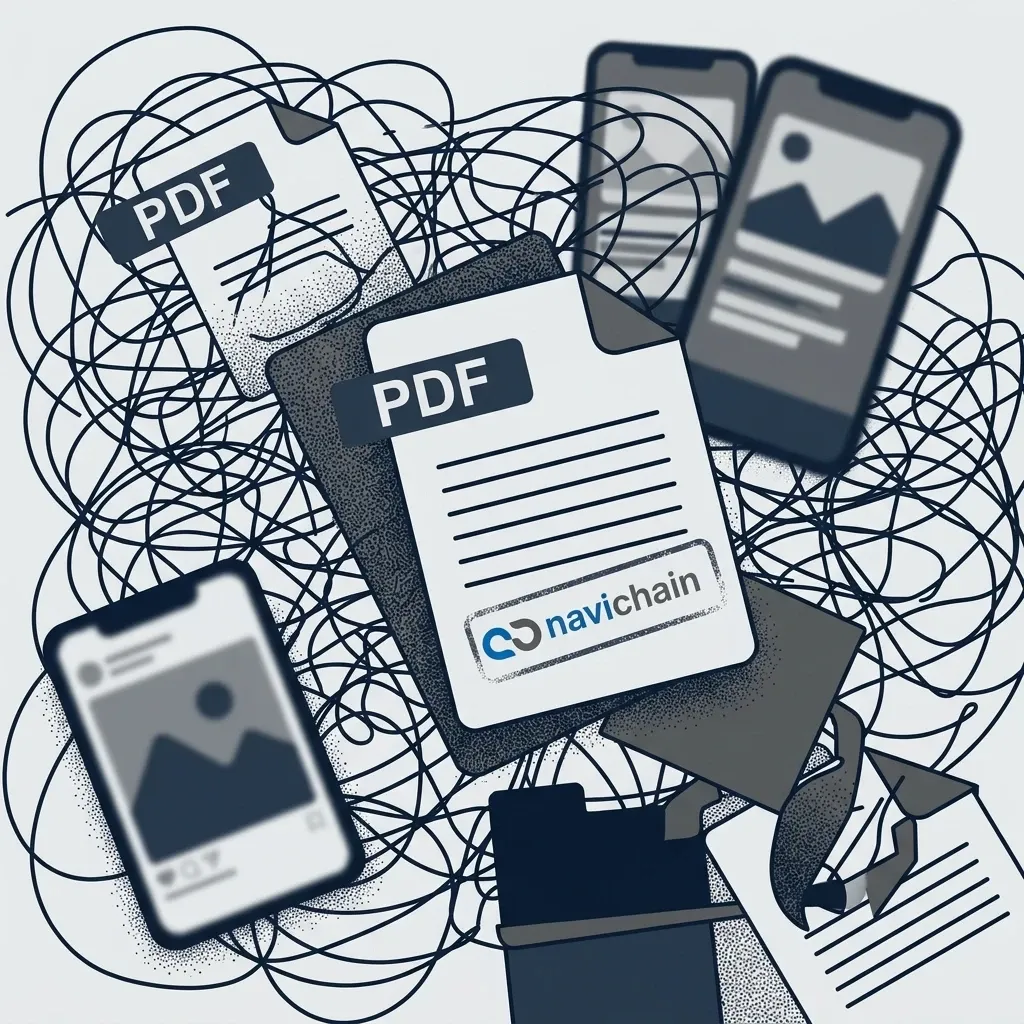
The immediate operational headache begins the moment that notification pings. Before a single wheel can turn, a human being must sit at a desk, decipher that file, and manually transcribe the relevant details—the consignor, the consignee, the delivery addresses, the goods descriptions, and the weights—into a separate system to generate the legally mandated Consignment Note.
What is a CMR? The Consignment Note (often called a CMR due to the international convention) is the standard, legally binding document regulating road freight transport and detailing the responsibilities among the sender, carrier, and receiver.
This manual transcription is a multi-layered liability that silently erodes profitability. In an era defined by severe European labour shortages, forcing highly skilled transport planners to act as data-entry clerks is an unsustainable business practice. Furthermore, human fatigue inevitably breeds typographical errors. A single digit mistyped on a postal code can result in a misrouted truck, hundreds of euros in wasted diesel, and damaged customer trust.
2. Why is a Conceptual Shift Crucial for Logistics?
To achieve true Operational Excellence, logistics SMEs must fundamentally change how they interact with incoming data. The traditional perspective treats a document as a 'dead' object requiring a human translator to become actionable data.
We must shift this perspective from manual transcription to automated capture at the source. The intelligence required to execute the transport already exists within the unstructured document provided by the customer. By leveraging intelligent automation, we can instantly bridge the gap between that raw image and a standardised logistical framework.
However, we also understand that adopting a comprehensive Transport Management System (TMS) can feel like a daunting leap, often requiring significant upfront investment and disruptive implementation periods. Therefore, we decided to intercept the data at the very top of the booking chain, offering immediate, frictionless utility before asking for any commitment.
3. How Does the Casual, Free CMR Generator Work?
navichain is thrilled to introduce navichain Capture, an intelligent, zero-touch CMR generation tool designed to be your entry point into automated logistics.
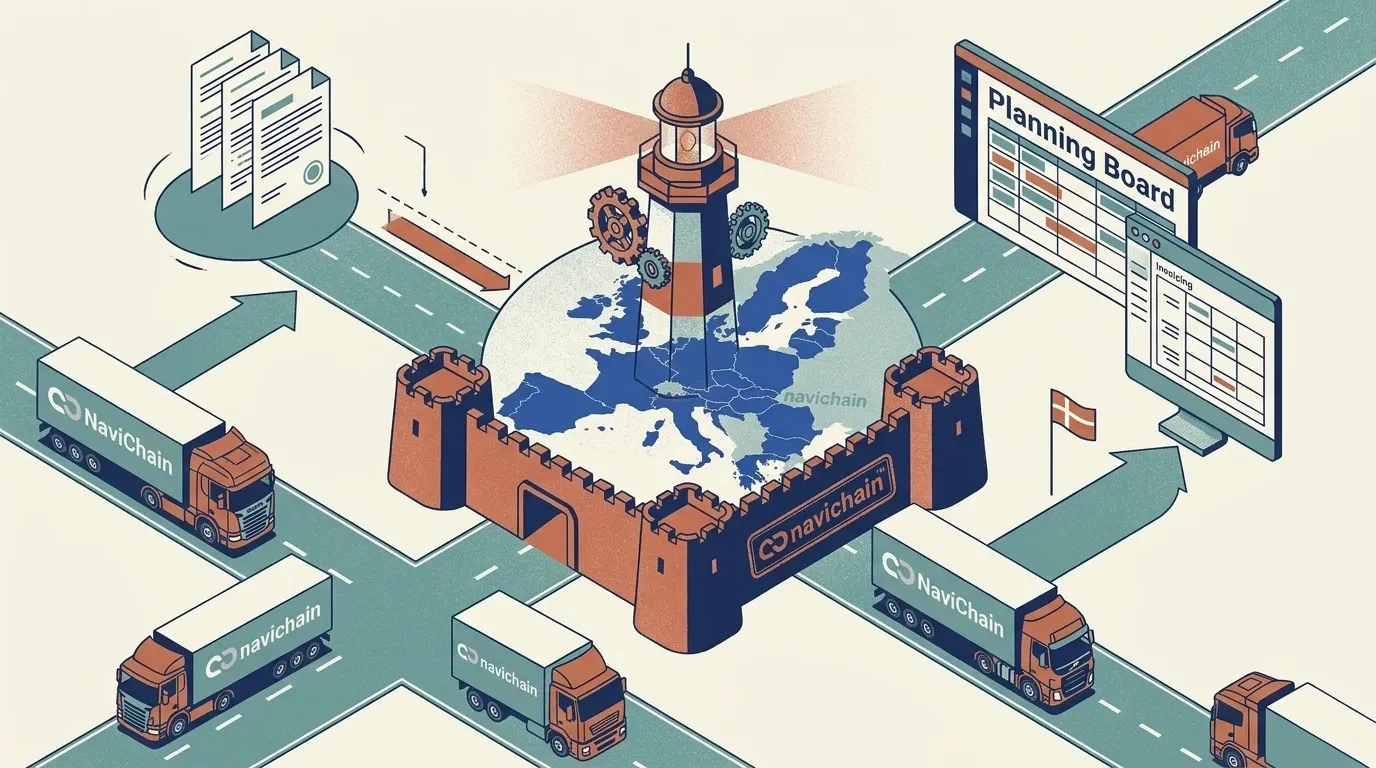
We wanted to offer an immediate 'appetiser' to the industry. navichain Capture is available right now via our intuitive Web UI, a dedicated Chrome Extension, and a lightweight Mobile App. It is entirely free of charge.
How it works: * Frictionless Ingestion: The dispatcher simply drags and drops the file (PDF, JPEG, or PNG), or uses the mobile app to snap a photo of the physical document. * Context-Aware AI: Our self-hosted, logistics-trained AI engine instantly scans the document, understanding European address formats and identifying cargo specifics. * Instant Output: The unstructured text is mapped to standardised fields, generating a print-ready CMR in seconds.
Crucially, this free tier is strictly stateless. If you use the tool casually without an account, we do not save your data. The moment you close the tab, the information is gone. It is a pure, high-speed utility to solve an acute daily headache.
4. How Does the Trial Upgrade Work as a Database Builder?
Generating a CMR in 15 seconds is fantastic. But once you experience the speed of the AI extraction, the next logical questions are: "Can I retain this history?" and "Can I put my company logo on this?"
The answer is yes. By simply providing your business email and name, navichain instantly boots up a Free Trial Subscription (lasting 2 to 4 weeks). This simple action fundamentally transforms the tool from a basic CMR generator into a self-building Transport Operating System.
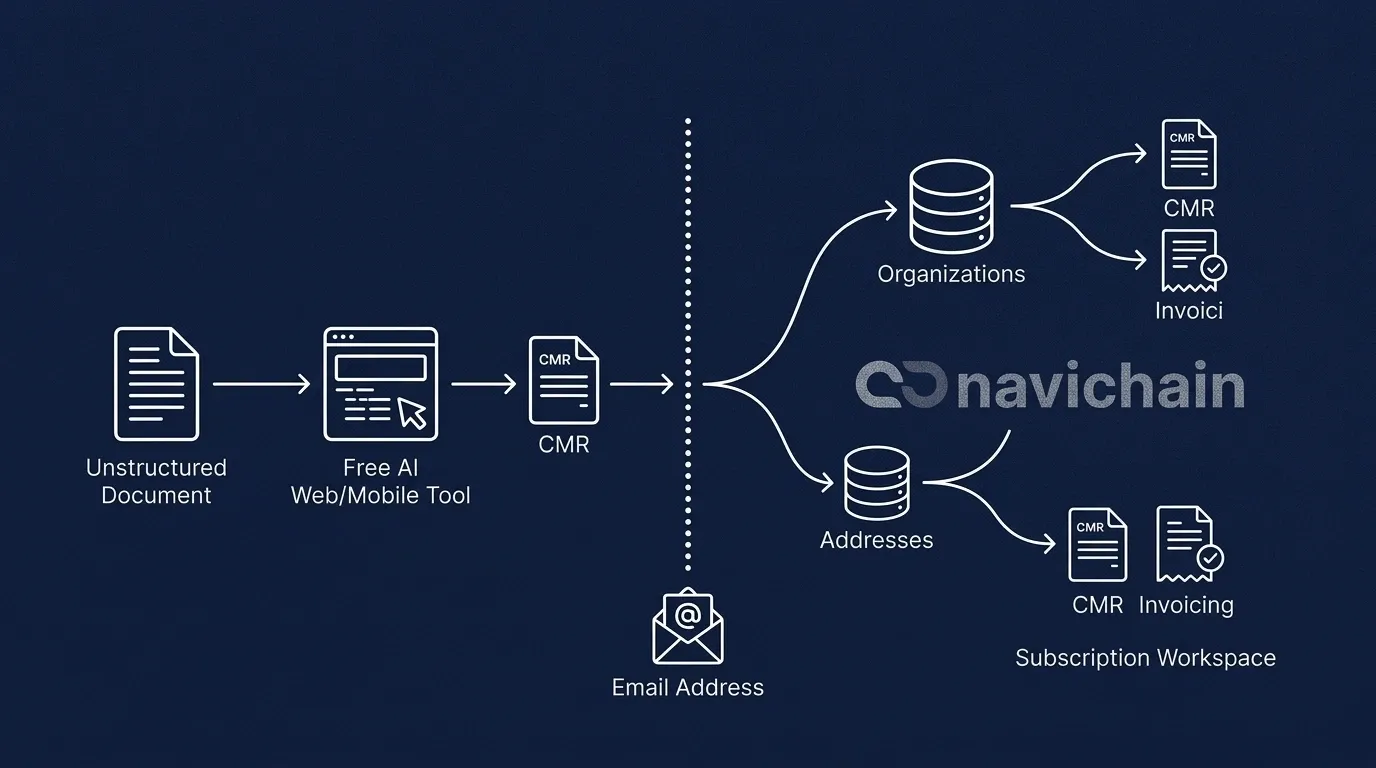
Once your trial is active, every time you drop a PDF to generate a CMR, navichain Capture works in the background to build your business infrastructure:
- Automated Bookings: The extracted data doesn't just print a piece of paper; it officially creates a live 'Booking' within your navichain workspace.
- Directory Population: The AI intelligently identifies the Consignor, Consignee, and specific delivery addresses. It automatically saves these entities into your master 'Organizations' and 'Addresses' directories. Your directory grows organically as you add bookings.
- Branded Output: You immediately unlock the ability to generate fully branded, professional CMRs featuring your company logo and specific legal terms.
5. Can I Explore Historical Import & Full TMS Capabilities?
The ability to ingest unstructured documents also provides a unique strategic advantage for trial users: the rapid ingestion of historical data.
If you want to immediately unlock the powerful analytics and reporting features within navichain, you do not need to start from zero. During your trial, you can upload historical booking requests "from back in time." The AI will extract them and create the bookings.
Crucially, we provide the ability to set the status of the inserted booking (e.g., 'Completed', 'Invoiced'). Almost instantly, you will have populated your system with historical lanes, customer volumes, and operational data, allowing you to analyse your business trends without weeks of manual retrospective data entry.
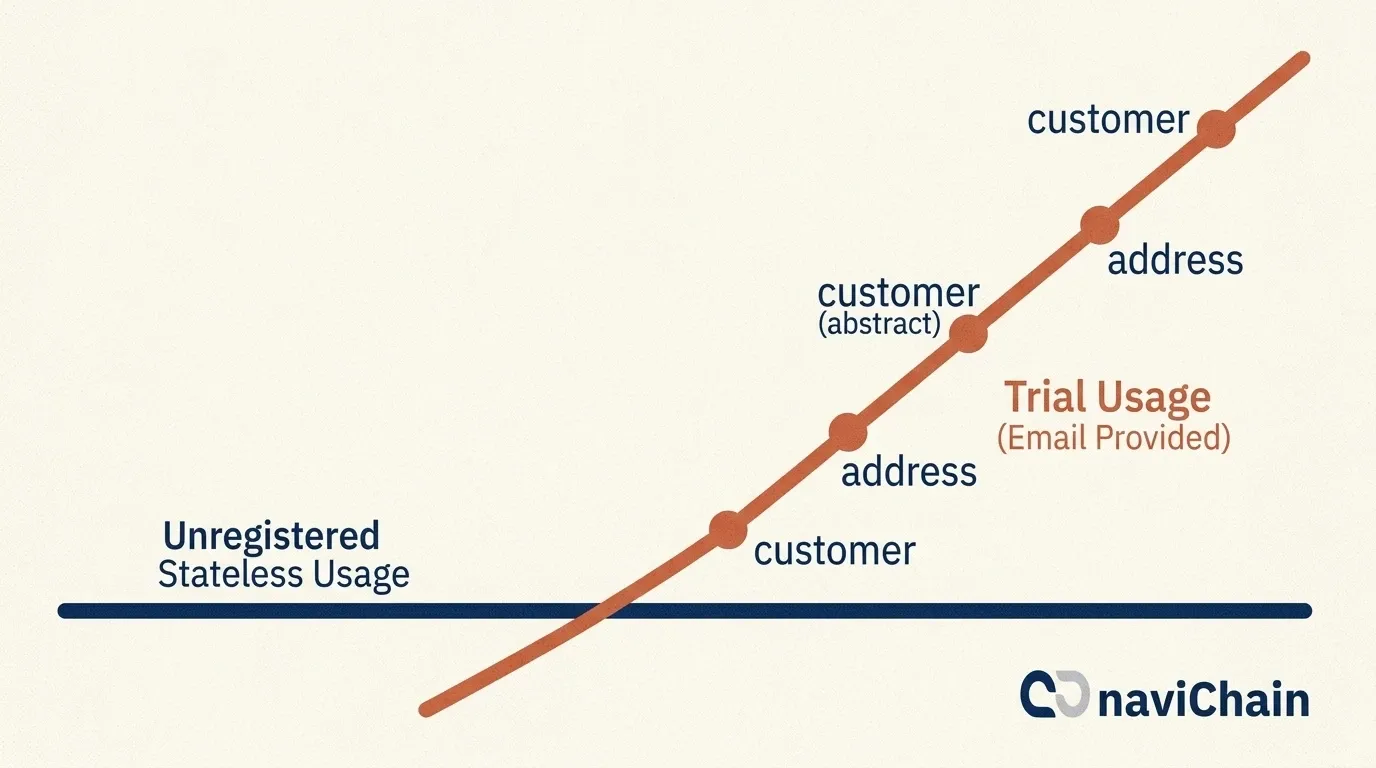
Exploring the Ecosystem: Starting the trial is the ultimate "Trojan Horse" for digital transformation. Because we sit higher up in the booking chain, the data is already captured. From there, exploring the rest of navichain's powerful features becomes an effortless conversation. With your bookings automatically created, you can immediately drag and drop them onto a Planning Board to route your trucks, or generate a final, accurate invoice for the customer with a single click. From a simple free app, to selling the rest of the operational platform is easy.
6. What Makes the Navichain Difference for Data Sovereignty?
Many standalone OCR tools exist on the web, but passing your customers' sensitive booking data through generic, public converters exposes your business to severe GDPR compliance risks.
What is the US CLOUD Act? A United States federal law that compels US-based technology companies to provide data requested by US authorities, regardless of whether that data is stored in the US or on foreign servers.
navichain's extraction engine and subscription environment rely exclusively on Open Source LLMs hosted entirely within our secure European infrastructure with a proprietary RAG (Retrieval-Augmented Generation) architecture. Your data never leaves our protected ecosystem. We offer state-of-the-art AI automation anchored by uncompromising Strategic Trust.
7. How Are We Empowering the SME Ecosystem?
At navichain, we believe that world-class digital transformation should not require a massive leap of faith or months of disruptive IT implementation.
navichain Capture meets you exactly where you are. Use our free casual tool to solve your immediate document headaches today. And when you are ready to retain your history, analyse your past performance, brand your documents, and automate your invoicing, your free trial is just an email away.
Let navichain Capture silently build your digital foundation while you focus on driving your business forward. Stop typing your documents, and let your workflow build your TMS.
References
- European Commission (2024). Digitalisation of freight transport documents (eFTI). Brussels.
- International Road Transport Union (IRU) (2024). European Driver and Dispatcher Shortage Global Report.
- navichain SaaS (2026). Internal benchmark studies on AI workflow adoption and SME logistics onboarding.
About the Author
Manusha is an Integration & Automation Specialist at navichain. He focuses on translating bleeding-edge AI and seamless system integrations into tangible, everyday efficiencies for European transport operators. Discover how her team is reshaping logistics at navichain.se.
navichain Insights Newsletter
Join the newsletter to receive the latest updates in your inbox.