Agile Methodology: Iterative Development for Logistics
Table of Contents
1. Executive Summary
Definition and core value. Agile Methodology is a project management and product development approach that prioritizes flexibility, customer collaboration, and rapid iteration over rigid planning. Originally for software, it is now revolutionizing logistics by allowing supply chains to adapt to disruptions in real-time.
2. The Friction (The Problem)
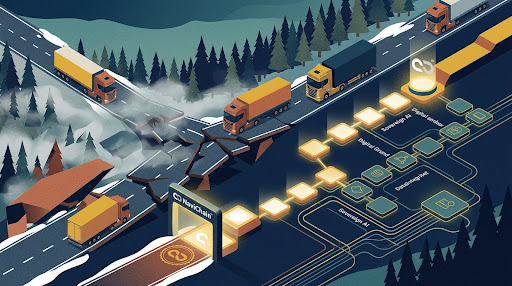
Why this is hard. The Waterfall Trap. Traditional logistics planning is linear (Waterfall): Plan -> Source -> Make -> Deliver. If a disruption occurs at 'Make', the whole plan fails. Waterfall assumes the future is predictable; in today's volatile market, that assumption is a liability.

Figure 2: Visualizing the strategic problem.
3. Theoretical Background
The Mechanics. The Agile Manifesto (2001) applied to Supply Chain: * Individuals and interactions over processes and tools. * Working software (systems) over comprehensive documentation. * Customer collaboration over contract negotiation. * Responding to change over following a plan.
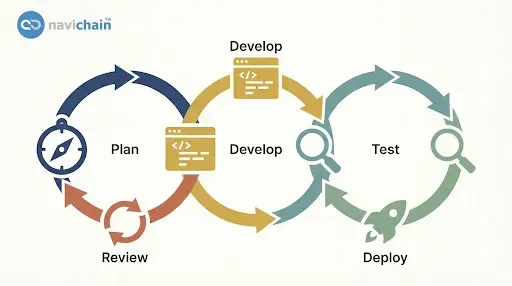
Figure 3: The core framework visualized.
4. The Data Evidence
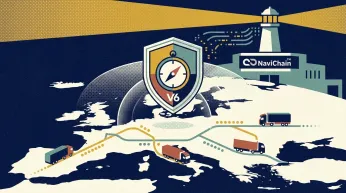
Why this matters physically. Agile supply chains are 2x more likely to be top-quartile performers in terms of revenue growth. Companies with high agility ratings react to supply chain shocks 43% faster than peers, reducing the financial impact of disruptions by up to 60%.
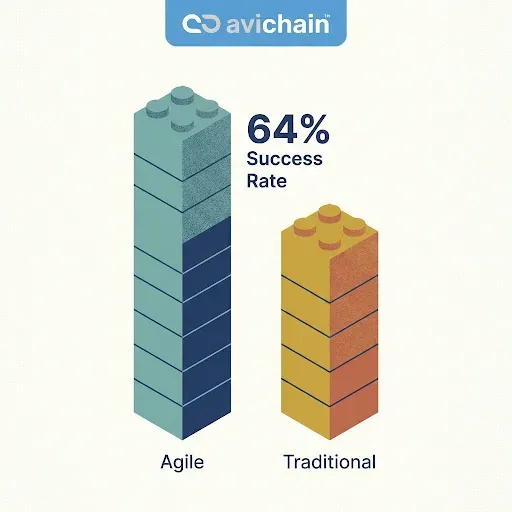
Figure 4: The measurable impact of the strategy.
5. Strategic Application
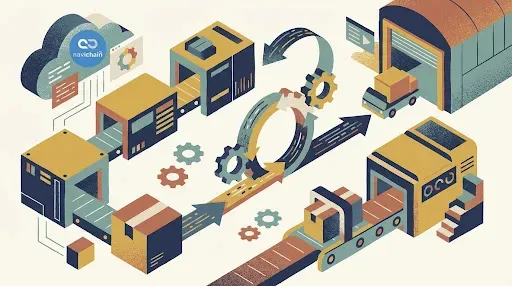
How to implement. Agile in Action: * Sprints: Instead of yearly forecasts, plan in 2-week 'sprints' based on real-time demand signals. * Scrum Teams: Cross-functional teams (Sales, Ops, Logistics) meet daily for 15 minutes to align on immediate bottlenecks. * MVP (Minimum Viable Product): Launch a new delivery route pilot in one week with a rented truck, learn, and iterate, rather than spending 6 months analyzing it.
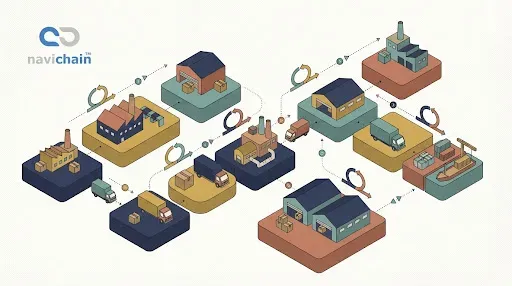
Figure 5: Practical application in a logistics context.
6. The Navichain Perspective: The Digital Enabler
Automated precision. Navichain enables the 'Responding to Change' value. Our platform allows you to re-route shipments, change carriers, or update delivery windows on the fly. We provide the real-time data layer that makes Agile decisions possible, moving you from 'Rigid Planning' to 'Dynamic Response'.

Figure 6: How Navichain's digital platform operationalizes this strategy.
7. Real-World Success Stories
Case Studies. * Zara: The epitome of Agile. Designs, manufactures, and ships new fashion items in 3 weeks, reacting instantly to what customers are buying. * Spotify: Used 'Squads' and 'Tribes' to scale while staying nimble, a model now adopted by logistics tech firms. * Maersk: Shifted from rigid ocean schedules to more flexible, integrated logistics solutions to better serve customer volatility.
8. Strategic Takeaway
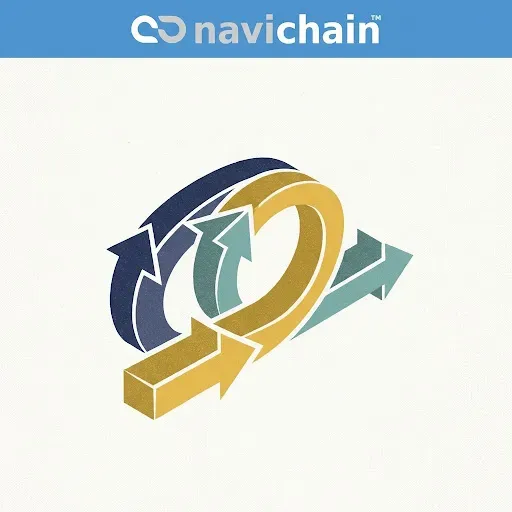
Conclusion. In a world of constant disruption, the strongest supply chain isn't the biggest; it's the one that can change direction the fastest.
9. References
Verified links. * Agile Alliance. (n.d.). Agile Manifesto. View Resource * Reliabilityweb. (n.d.). Uptime Elements. View Resource * McKinsey & Company. (n.d.). Digital Manufacturing. View Resource
navichain Insights Newsletter
Join the newsletter to receive the latest updates in your inbox.