The 4 Ps of Marketing: A Logistics Perspective
Table of Contents
1. Executive Summary
Definition and core value. The 4 Ps (Product, Price, Place, Promotion) is the foundational model of the marketing mix. For logistics companies, 'Place' (distribution) is the core product, but understanding all four is critical for positioning a service in a crowded market.
2. The Friction (The Problem)
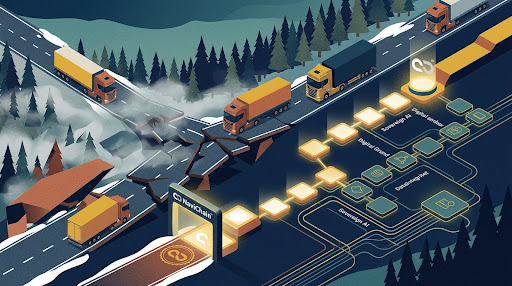
Why this is hard. The Commodity Trap. Logistics providers often obsess over 'Price' because they fail to differentiate their 'Product' (Service). They think, 'A truck is a truck.' This lack of differentiation forces them into a price war, ignoring the value of 'Place' (Reliability) and 'Promotion' (Brand Trust).

Figure 2: Visualizing the strategic problem.
3. Theoretical Background
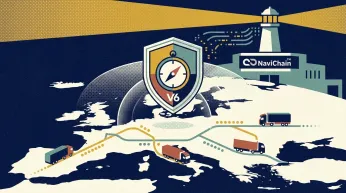
The Mechanics. E. Jerome McCarthy (1960): 1. Product: What are you selling? (e.g., Express Delivery, Cold Chain). 2. Price: What is the value exchange? (e.g., Premium for speed). 3. Place: How does the customer get it? (e.g., Coverage network). 4. Promotion: How do they know about it? (e.g., Sales, Digital Marketing).
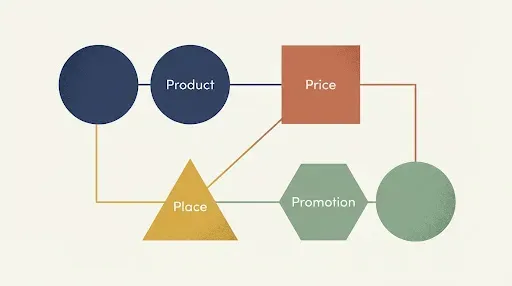
Figure 3: The core framework visualized.
4. The Data Evidence
Why this matters physically. B2B companies with a strong brand (Promotion) and differentiated service (Product) generate 20% higher margins than commodity players. In logistics, 'Reliability' (Place reliability) is cited by 78% of shippers as more important than 'Price' alone.
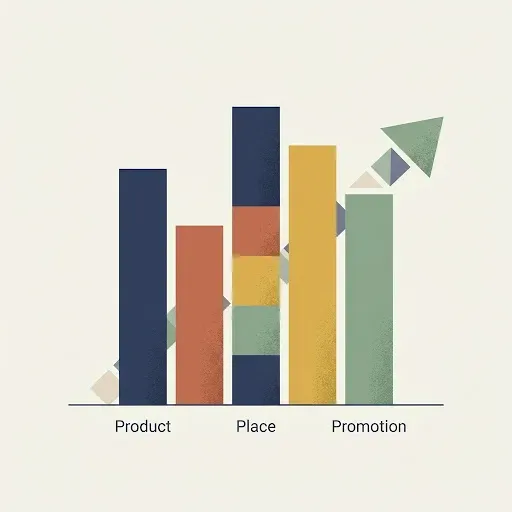
Figure 4: The measurable impact of the strategy.
5. Strategic Application
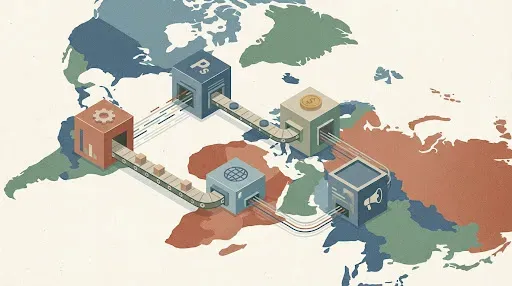
How to implement. Reframing for Logistics: * Product: It's not 'trucking'; it's 'Guaranteed On-Time Delivery' or 'White Glove Service'. * Price: Move from Cost-Plus to Value-Based pricing (e.g., charging for speed). * Place: Density and network reach are your distribution power. * Promotion: Sell the outcome (peace of mind), not the input (trucks).
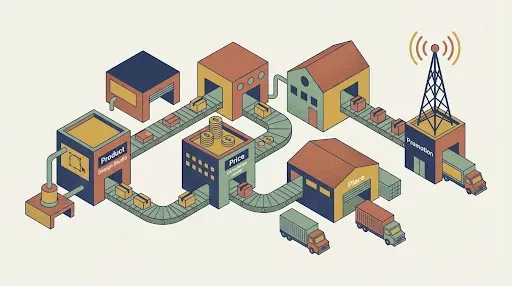
Figure 5: Practical application in a logistics context.
6. The Navichain Perspective: The Digital Enabler
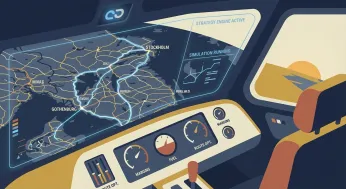
Automated precision. Navichain enhances your 'Product' by wrapping a digital layer around the physical service. We allow you to sell 'Visibility' and 'Control' as part of your offering. This differentiation allows you to defend a higher 'Price' point and proves your value ('Promotion') with hard data.

Figure 6: How Navichain's digital platform operationalizes this strategy.
7. Real-World Success Stories
Case Studies. * UPS: 'What can Brown do for you?' (Promotion) shifted the focus from shipping to business problem solving. * Flexport: Differentiated their 'Product' with a superior software interface, allowing them to charge a premium over traditional forwarders. * Amazon Prime: The ultimate 'Place' strategy—fast, free delivery became the primary reason people buy from Amazon.
8. Strategic Takeaway

Conclusion. Marketing isn't just ads; it's the total design of your business offering. If you only compete on Price, you haven't designed a Product.
9. References
Verified links. * Harvard Business Review. (n.d.). Strategy & Innovation. View Resource * Investopedia. (n.d.). Business Essentials. View Resource * Institute for Strategy and Competitiveness. (n.d.). Michael Porter. View Resource
navichain Insights Newsletter
Join the newsletter to receive the latest updates in your inbox.