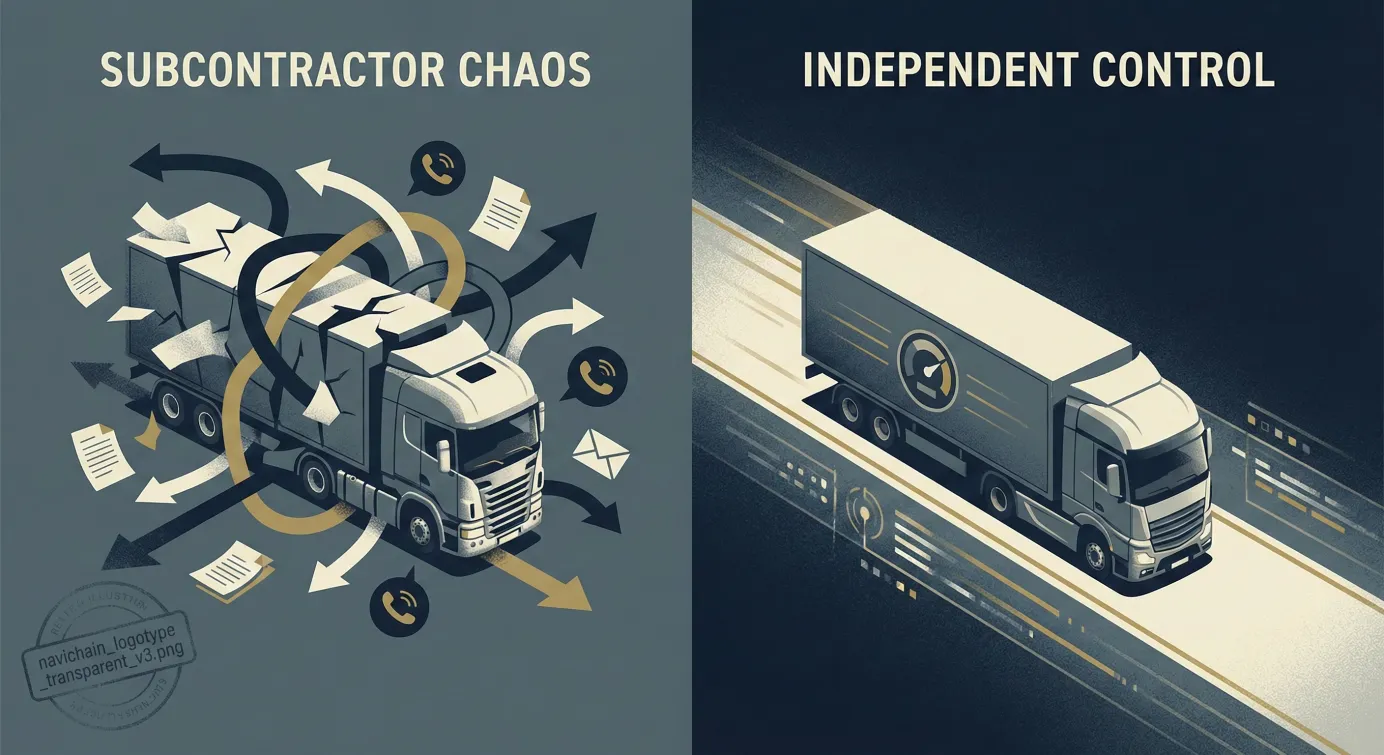
The Subcontractor’s Paradox: Is Your Quest for Independence Creating More Chaos Than Profit?
Table of Contents
SME haulage subcontractors aspire to independence, seeking relief from relentless margin pressure, but the path to direct customers is paved with hidden risk. This white paper unveils the 'Subcontractor's Paradox': how each new customer can actually erode profitability without a robust operational strategy. Discover a 3-phase strategic framework for achieving profitable independence, built on operational control and a unified digital foundation, not just sales.
The Subcontractor’s Paradox: Is Your Quest for Independence Creating More
SME haulage subcontractors across Scandinavia and Europe face relentless margin pressure, with industry analysis showing subcontractor margins can be 30-50% lower than those of independent operators. The logical ambition—to win direct customers and achieve independence—is fraught with hidden risk. This is the Subcontractor’s Paradox: without the right operational structure, each new customer adds a new layer of complexity, fragmenting processes, multiplying administrative overhead, and eroding the very profitability you seek. This white paper deconstructs this paradox. It provides a 3-phase strategic framework for moving from dependency to profitable independence, built not on a new sales team, but on operational control and a unified digital foundation.
The subcontractor trap: The illusion of security
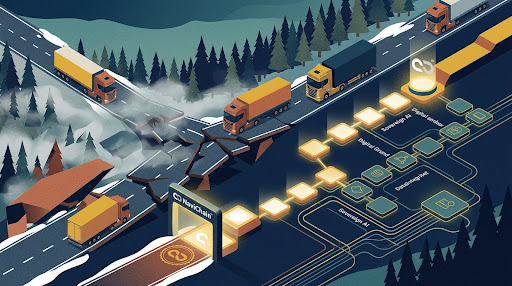
Fig 1: But here lies the trap.
For decades, the European haulage market has operated on a two-tier system. At the top, a handful of dominant logistics giants manage vast customer networks. Below them, a constellation of Small to Medium-sized Enterprises (SMEs) exists, acting as subcontractors. This relationship offers a semblance of stability: consistent work, predictable routes, and a single point of contact for billing. But this stability is an illusion. It is, in fact, a state of extreme dependency. Your pricing power is non-existent; you are a price-taker, forced to accept margins that are perpetually squeezed. Your operational processes are dictated by the systems of your single, large client. Your ability to invest in your own technology, your own brand, or your own people is hamstrung by razor-thin profits. Recent market analysis from bodies like Transport Intelligence (Ti) and the International Road Transport Union (IRU) confirms that subcontractors are the most vulnerable to fuel price volatility, driver shortages, and regulatory burdens like the EU Mobility Package. The desire to break free—to find "your own customers" and become independent—is not just an ambition; it's a survival imperative. But here lies the trap. Most SMEs approach this as a sales problem. They believe the solution is to hire a salesperson and start bidding on direct contracts. This is the first, and most critical, mistake. Achieving true independence is not a sales-led initiative. It is an operations-led transformation. This paper will argue for a central thesis: The profitability of an independent haulage business is not determined by its customer list, but by the efficiency of the operational ecosystem built to serve it.
Deconstructing the paradox: Why new customers create chaos
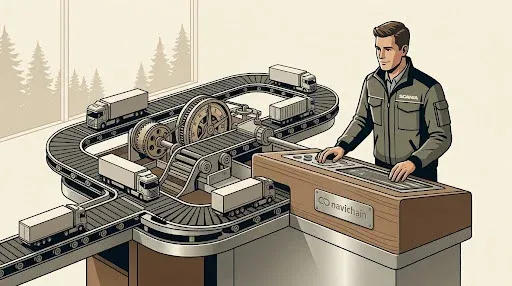
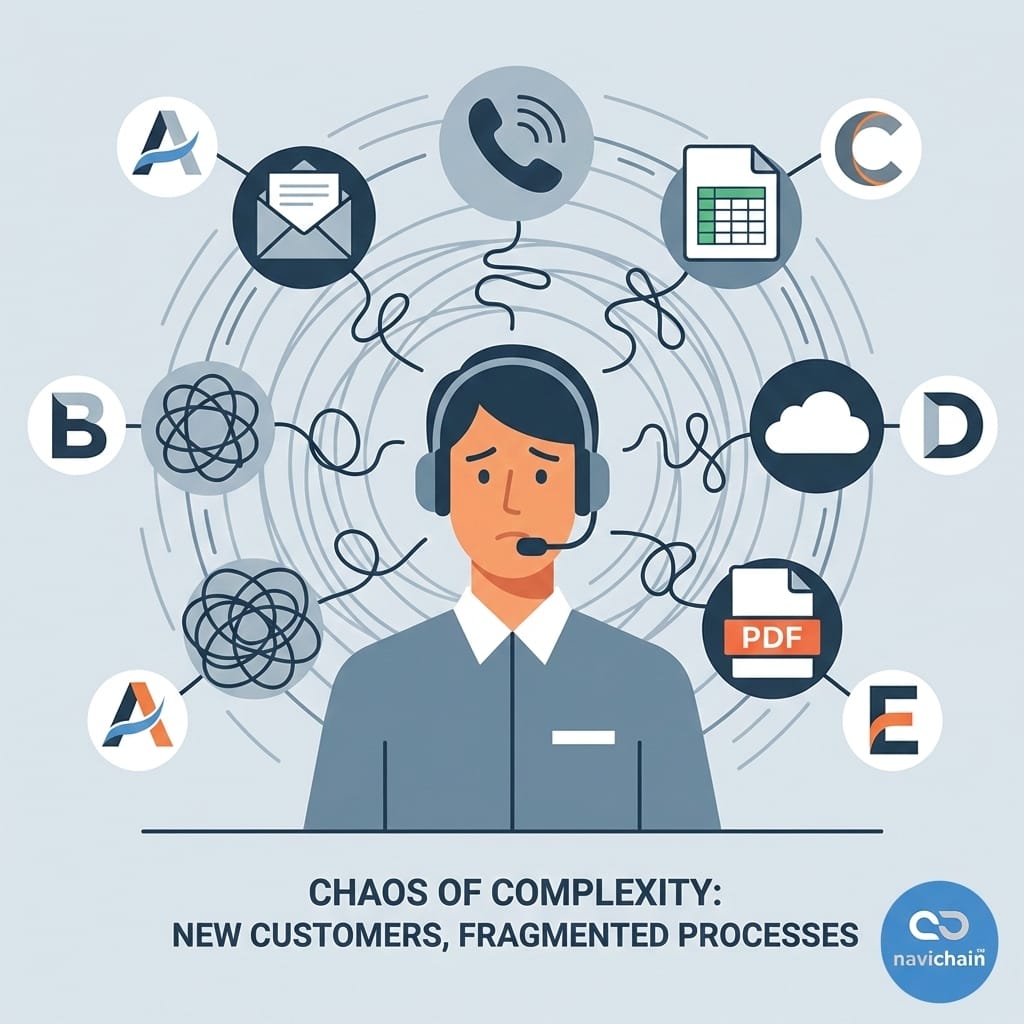
Fig 2: Customer E sends an unstructured Excel file at 5 PM every Friday. Imagine your current operation. You have one large client. You receive orders in their required format. You run routes on their schedule. You submit invoices using their portal. Your entire administrative function, whether it's one person or three, is optimized for a single set of rules. Now, you win five new direct customers.
This image represents the fragmented workflows and increased administrative burden that result from serving multiple customers with disparate communication methods and data formats.
- Customer A emails orders as PDFs.
- Customer B uses a simple web portal.
- Customer C (a local manufacturer) calls the transport manager directly.
- Customer D requires integration with their WMS.
- Customer E sends an unstructured Excel file at 5 PM every Friday. Suddenly, your operation is not one operation. It is five, running in parallel. This is the 'Chaos of Complexity,' and it manifests in tangible, profit-destroying ways.
1. the explosion of administrative overhead
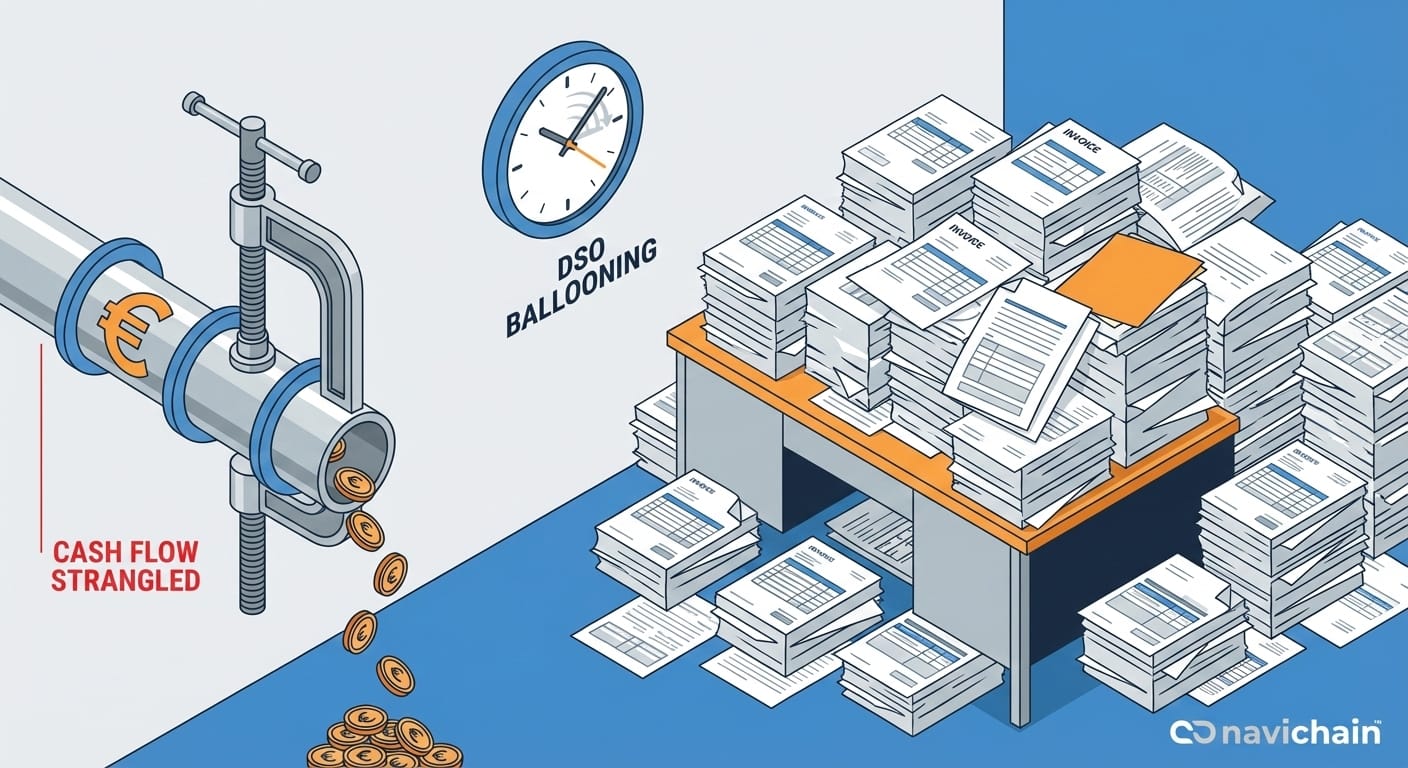
Your transport manager, once focused on execution, now spends their day translating orders, manually entering data into your TMS (if you have one), and creating quotes. A 2024 logistics report noted that transport planners in non-digitized SMEs can spend up to 60% of their day on manual data entry and administrative "fire-fighting." This manual friction extends to billing. Instead of one invoice run, you now have five, each with different rate cards, fuel surcharge calculations, and proof-of-delivery (POD) requirements. Your 'Days Sales Outstanding' (DSO) balloons, strangling the cash flow you need to fuel your growth.
2. the collapse of operational visibility
When your data lives in emails, spreadsheets, and disconnected systems, you have no single source of truth. You cannot answer fundamental business questions: * Which customer is actually the most profitable?
- Which routes are costing us money?
- What is our true asset utilization?
- Are we billing for all accessorial charges (like waiting time)? Lacking this visibility, you are flying blind. You are forced to quote new business based on "gut feeling," risking under-bidding (losing money) or over-bidding (losing the contract). You have traded the dependency on one client for a chaotic, unprofitable, and fragile business model.
3. the myth of "sales-led growth"
A good salesperson can bring in new business. But they cannot fix a broken operational model. In fact, a successful salesperson will only accelerate your company's collapse. They will pour more complexity into a system that is already at its breaking point. The root cause of this failure is not the customers, the salesperson, or your team. The root cause is the reliance on a fragmented, manual, and siloed operational structure. You cannot run a 21st-century multi-client logistics operation on 20th-century tools.
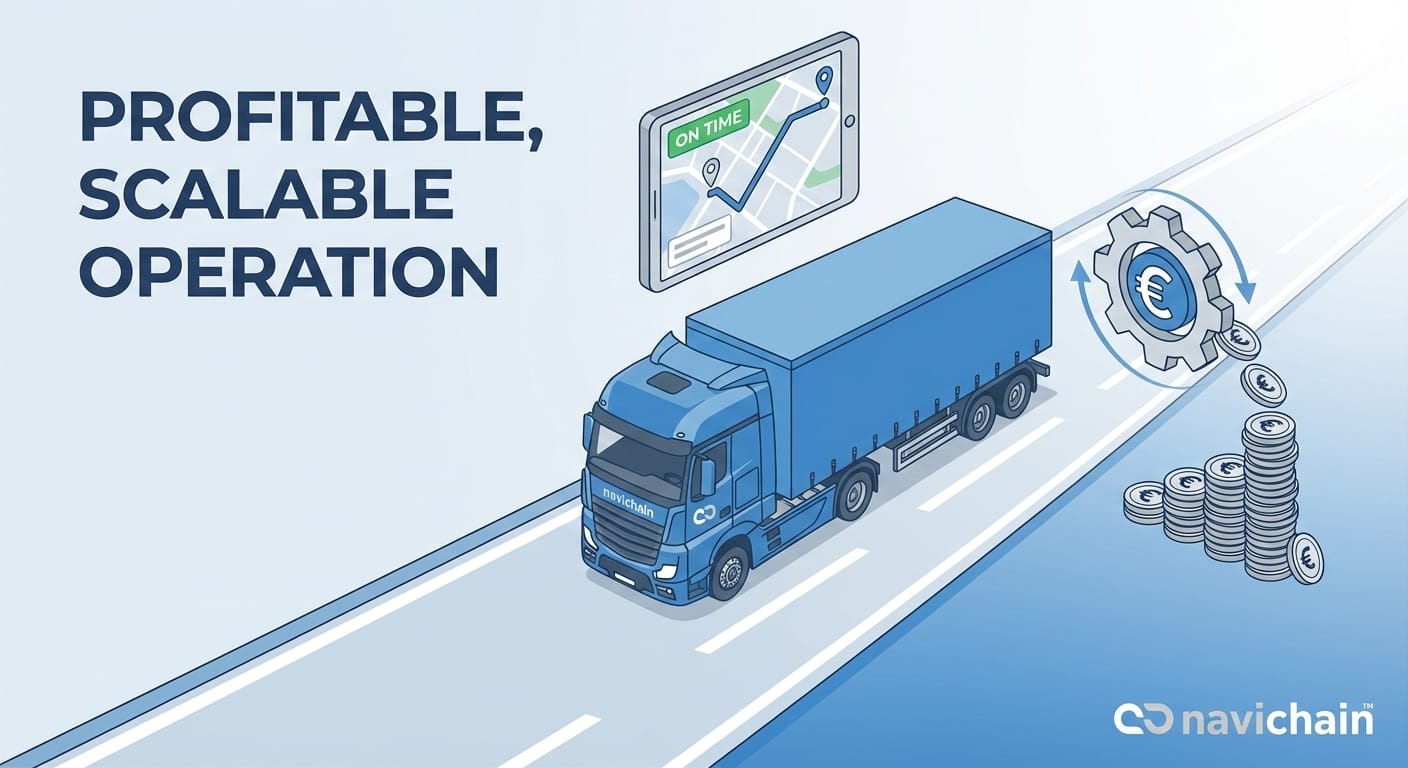
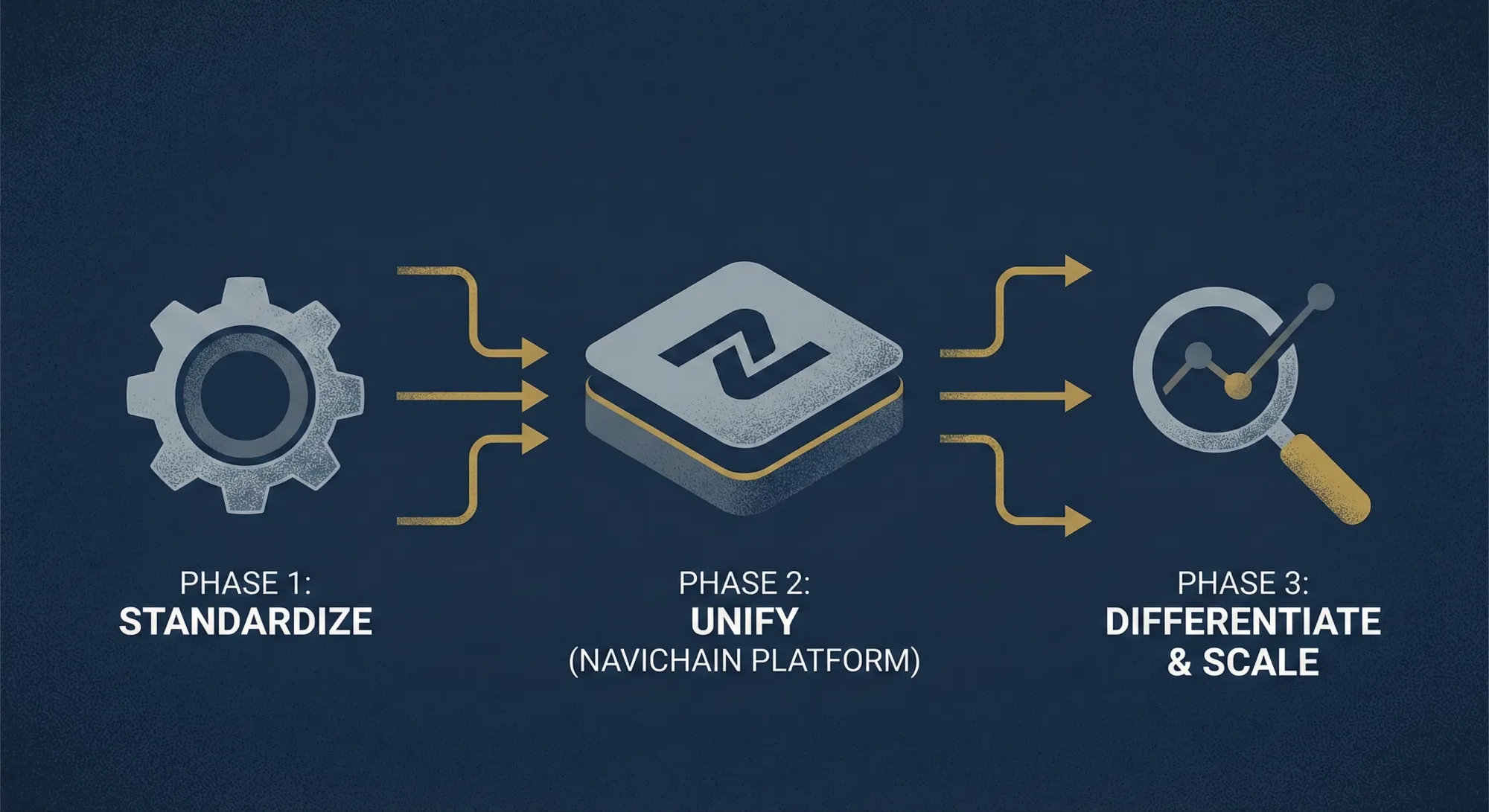
Fig 3 illustrates that transitioning to an independent operator necessitates a fundamental shift in business model, prioritizing scalable operations before aggressive sales growth.
The path forward: The operational independence framework
Fig 3: Transitioning from subcontractor to independent operator is a business model innovation. Transitioning from subcontractor to independent operator is a business model innovation. It requires a deliberate, three-phase approach focused on building a scalable operational engine before you fully open the sales floodgates.
Phase 1: Standardize the core
Before you can unify, you must standardize. You must map, analyze, and simplify your core processes. The most critical process is Order-to-Cash (O2C). 1. Order: How does an order enter your system? Define a standard digital process. 2. Plan: How is that order planned, routed, and assigned to an asset? 3. Execute: How is the job executed, and how is status (e.g., POD) captured? 4. Bill: How is the completed job rated, invoiced, and audited? By standardizing this flow, you create a blueprint. This blueprint becomes the specification for the digital system you will need in Phase 2. This step forces you to stop saying, "This is how we've always done it," and start asking, "What is the most efficient way to do this?"
Phase 2: Unify the stack
You cannot manage a multi-client business with disconnected tools. The standardized processes from Phase 1 must be embedded into a Unified Logistics Platform. The era of separate systems for Transportation Management (TMS), Warehouse Management (WMS), and Billing is over for SMEs seeking growth. This siloed approach is precisely what creates the data fragmentation and manual work that kills profitability. Your goal must be a single source of truth. A unified platform where an order, once entered, flows seamlessly from booking to planning, from dispatch to a mobile app for the driver, and from electronic POD capture directly to an automated billing engine. This integration is not a "nice to have"; it is the central mechanism for eliminating manual data entry, reducing errors, and creating a scalable operation.
Phase 3: Differentiate and scale with data
Fig 2: You have clean, structured, real-time data from your entire operation.
Once your operations run on a unified platform, you unlock the final, most powerful phase. You are no longer flying blind. You have clean, structured, real-time data from your entire operation. This is where you truly become independent, by competing on intelligence, not just price.
- Intelligent Quoting: Your system knows your true cost-to-serve for any given lane, allowing you to create profitable, competitive quotes in seconds.
- Proactive Customer Service: Instead of reacting to "Where is my order?" calls, you provide customers with a self-service portal showing real-time status.
- Network Optimization: An embedded AI or intelligence layer can analyze your unified data (from your TMS, WMS, and asset management) to suggest better routes, consolidation opportunities, and preventative maintenance schedules. In this model, adding a new customer is no longer a crisis. It is a simple, scalable process of configuring their rates and rules within the system. Your administrative overhead remains flat, while your revenue and profitability can grow exponentially.
From diagnosis to design: The blueprint for a resilient logistics operating system
Fig 3: Any modern logistics platform designed to empower SME independence MUST be built on three core principles.
This transformation requires a new class of technology. The old, on-premise, and fragmented software that defined the past cannot build the future. Any modern logistics platform designed to empower SME independence MUST be built on three core principles.
Schematic illustrating the interconnected nature of a modern logistics platform, highlighting the three core principles of a resilient operating system.
Principle 1: A unified operational fabric
The system must function as a single entity. It must natively combine Transportation Management (TMS), Warehouse Management (WMS), Order Management, and Billing Management. Data entered in one module must be instantly available and actionable in all others. This creates a 'central nervous system' for the business, eliminating data silos and manual re-entry, and establishing a single, undisputed source of truth for every order, asset, and invoice.
Principle 2: Secure data architecture and control
For European, and especially Scandinavian, SMEs, data is a strategic asset and a significant liability. Your operational data—customer lists, pricing, routes—is your most valuable IP. A resilient operating system must guarantee you full control over this data. This means a secure infrastructure, preferably hosted within your own legal jurisdiction (e.get., Sweden/EU), to ensure straightforward and absolute GDPR compliance. You must be shielded from the complexities and risks of international data transfers, ensuring your operations and your clients' data are secure.
Principle 3: Embedded analytic intelligence
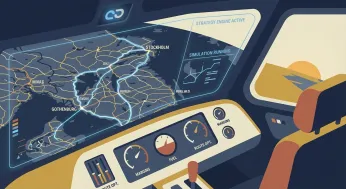
Data is useless if it cannot be actioned. The platform must have an embedded intelligence layer—a integrated AI—that operates within the secure environment of Principle 2. This AI's sole purpose is to analyze the rich, unified data from Principle 1 to find efficiencies unique to your operation. It should power everything from dynamic route optimization and predictive asset maintenance to profitability analysis per customer. This intelligence, running securely on your own data, is the ultimate competitive advantage.
Fig 4: It should power everything from dynamic route optimization and predictive asset maintenance to profitability analysis per customer.
References/sources
- Transport Intelligence (Ti) Insight: "European Road Freight Transport 2024" - Analysis on market structure, subcontractor margins, and digitalization trends. (https://www.ti-insight.com/
- International Road Transport Union (IRU): "Driver Shortage Global Report 2023" - Data on operational pressures affecting European hauliers. (https://www.iru.org/
- Eurostat: "Road freight transport statistics" - Official data on freight movement and transport enterprise statistics within the EU. (https://ec.europa.eu/eurostat/web/transport/data
- McKinsey & Company: "The future of the European logistics market" - Strategic analysis of automation, digitalization, and new business models in logistics. (https://www.mckinsey.com/
Fig 4: This transformation requires a new class of technology.
Enabling the blueprint: The navichain SaaS unified logistics platform
Fig 5: We have argued this transformation is built on a blueprint of three principles: a Unified Operational Fabric, Secure Data Architecture and Control, and Embedded Analytic Intelligence.
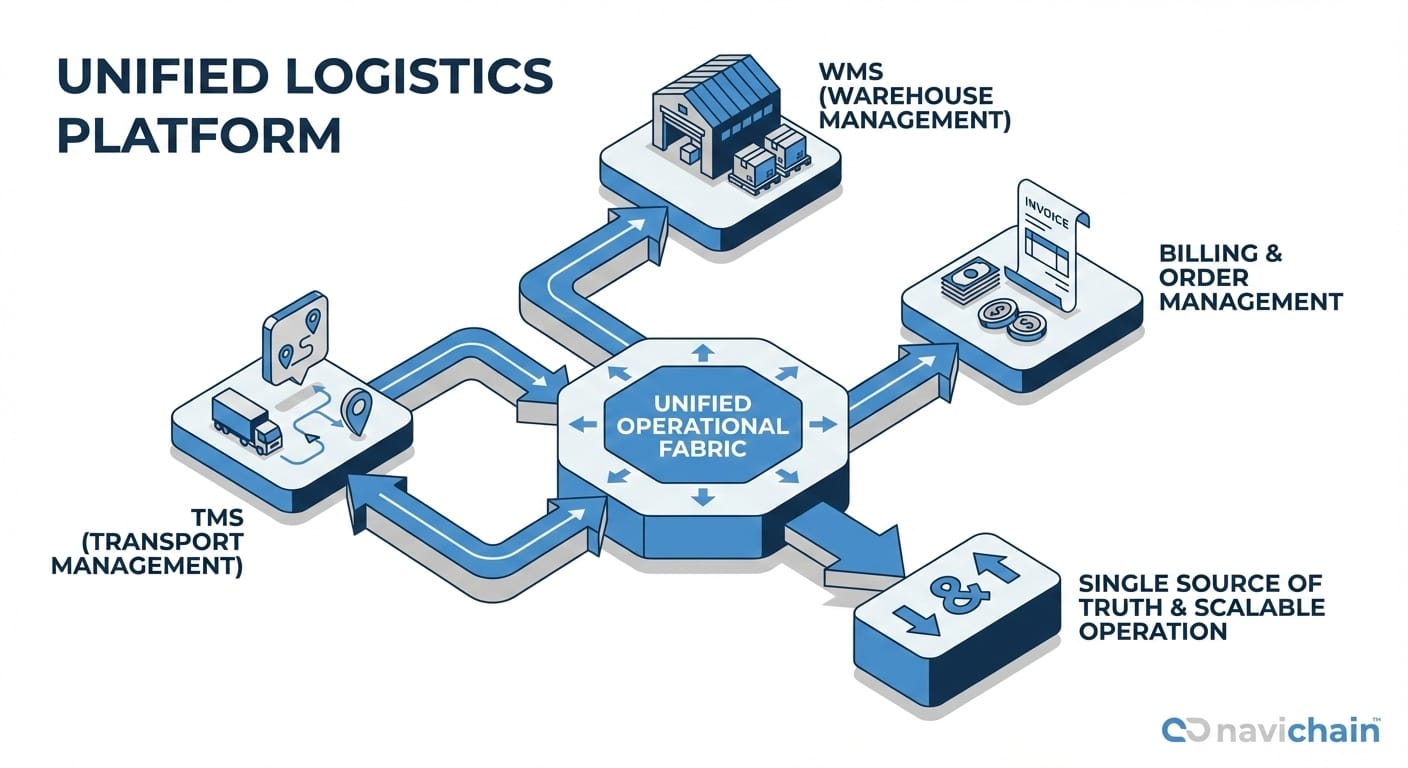
Fig 6: Realizing profitable independence requires a unified SaaS platform to break down data silos and empower informed decision-making across the entire logistics operation.
This white paper has outlined a strategic framework for moving from subcontractor dependency to profitable independence. We have argued this transformation is built on a blueprint of three principles: a Unified Operational Fabric, Secure Data Architecture and Control, and Embedded Analytic Intelligence. navichain SaaS was designed from the ground up to be the engine that enables this blueprint for European SMEs. 1. Embodying the Unified Operational Fabric: Our platform is not a collection of separate products. It is a single, unified logistics operating system where Transportation Management (TMS), Warehouse Management (WMS), Asset Management, Billing Management, and Order Management work as one. This breaks down the data silos that create chaos, providing a true single source of truth for your entire operation. 2. Delivering Secure Data Architecture and Control: We understand that for a European SME, data control is non-negotiable. Our entire platform is hosted on our own secure infrastructure (Self-Hosted) in Sweden. This is our key differentiator. Your data never leaves Swedish/EU jurisdiction, giving you maximum data security, resilience, and straightforward GDPR compliance. You maintain full control, free from the complexities of international data transfers. 3. Providing Embedded Analytic Intelligence: Running on this same secure Swedish infrastructure, our integrated AI analyzes your unified operational data. It is not a generic, third-party tool; it is an intelligence layer designed to find unique efficiencies in your business—optimizing routes, managing assets, and uncovering profitability insights, all within your own secure data environment. Our mission is to democratize logistics technology. The navichain SaaS platform provides the powerful, integrated, and secure foundation you need to stop being a price-taker and start building a resilient, independent, and more profitable future.
navichain SaaS provides a unified logistics operating system, hosted on secure Swedish infrastructure, to empower European SMEs with data control and embedded AI.
.jpeg)
The navichain platform's unified architecture, secure Swedish hosting, and embedded AI empower European SMEs to optimize their logistics operations and maintain data sovereignty.
Ready to optimise your supply chain?
navichain Insights Newsletter
Join the newsletter to receive the latest updates in your inbox.