The Sovereign Supply Chain: Mitigating Spot Market Volatility Through Digital Orchestration
Table of Contents

**Is your supply chain a hostage to volatile spot markets? Discover how a sovereign, digitally-driven approach can unlock resilience and predictable costs.
The Sovereign Supply Chain: Mitigating Spot Market Volatility Through Digital
Digital solutions offer resilience against unpredictable spot market supply chain disruptions.
Executive summary
The modern supply chain is increasingly vulnerable to the unpredictable nature of spot markets. Fluctuations in transportation costs, raw material prices, and component availability can wreak havoc on profitability and operational efficiency. This report delves into the challenges posed by spot market volatility and presents a strategic solution: the Sovereign Supply Chain. By leveraging a unified, AI-driven platform like Navichain, businesses can gain unprecedented visibility, control, and agility, mitigating risks and building a more resilient and cost-effective supply chain. We explore the underlying causes of spot market volatility, analyze industry trends, and demonstrate how Navichain's SaaS solution empowers organizations to proactively manage their supply chains and achieve superior business outcomes. Spot market volatility erodes profitability; Navichain delivers resilient, AI-driven control.
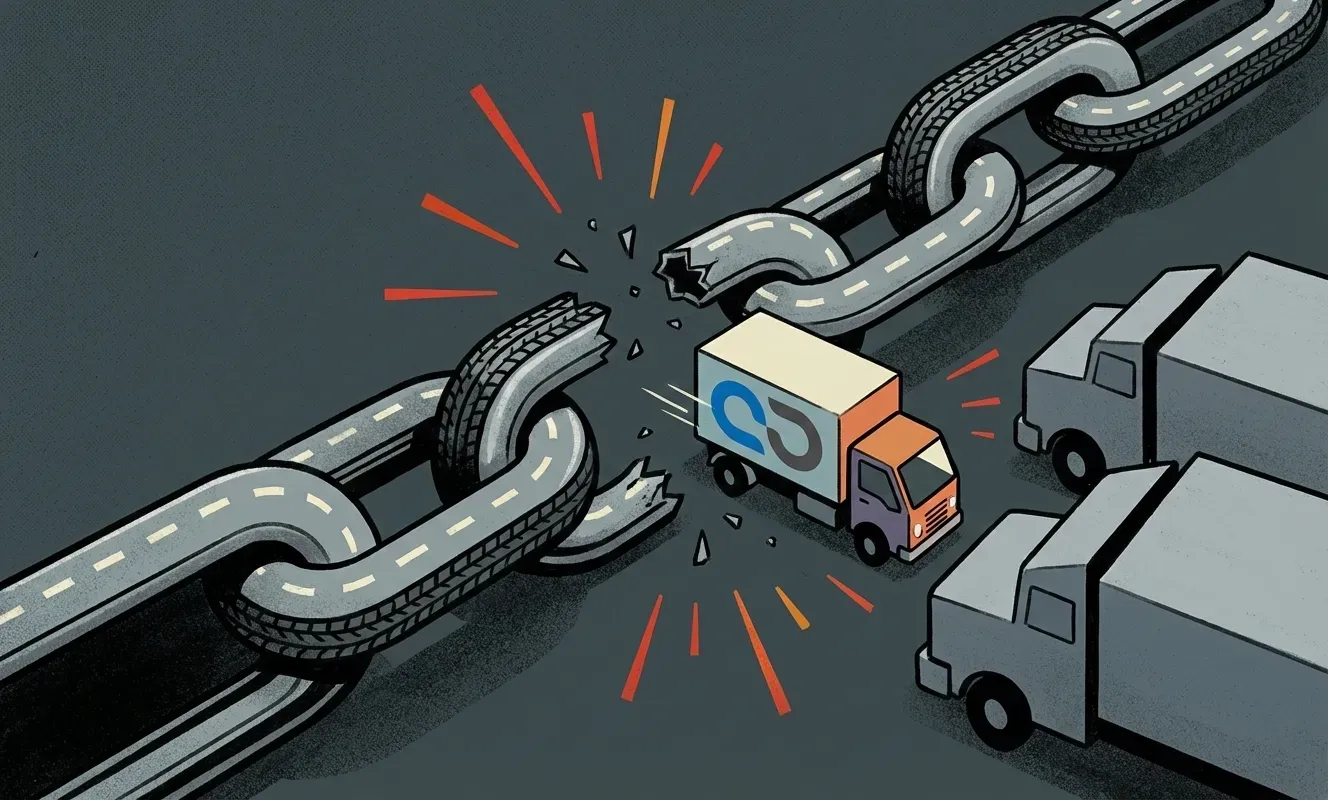
Spot market instability can cripple supply chains, leading to inflated costs and operational inefficiencies, which highlights the necessity of proactive mitigation strategies.
Introduction
In today's interconnected world, supply chains are the lifeblood of global commerce. They are complex, dynamic systems that span continents and involve countless stakeholders. However, this intricate network is also susceptible to disruptions, particularly those stemming from the volatile nature of spot markets. These markets, characterized by short-term transactions and fluctuating prices, can introduce significant uncertainty and risk into supply chain operations. This report examines the challenges posed by spot market volatility and presents a strategic approach to building a more resilient and sovereign supply chain. We will explore the underlying causes of this volatility, analyze its impact on businesses, and outline a comprehensive solution that leverages technology to enhance visibility, control, and agility. The goal is to empower organizations to proactively manage their supply chains, mitigate risks, and achieve sustainable competitive advantage. Spot market volatility introduces critical risk factors into complex supply chains.
Section 1: The challenge: navigating the storm of spot market volatility
Spot market volatility presents a multifaceted challenge to businesses across various industries. It's not merely about fluctuating prices; it's about the cascading effects that these fluctuations have on profitability, operational efficiency, and overall business performance. Understanding the depth and breadth of this challenge is crucial for developing effective mitigation strategies.
The price rollercoaster: Direct cost impacts
The most immediate and obvious impact of spot market volatility is the fluctuation in prices for transportation, raw materials, and components. These price swings can be dramatic and unpredictable, making it difficult for businesses to accurately forecast costs and maintain profit margins.
- Transportation Costs: Spot rates for trucking, ocean freight, and air cargo can fluctuate wildly based on factors such as fuel prices, capacity constraints, and seasonal demand. This makes it challenging for businesses to budget for transportation expenses and can lead to unexpected cost overruns.
- Raw Material Prices: Commodity markets are inherently volatile, and fluctuations in the prices of raw materials like steel, aluminum, and plastics can significantly impact the cost of goods sold. Geopolitical events, weather patterns, and changes in supply and demand can all contribute to price volatility.
- Component Availability: Shortages of critical components, such as semiconductors, can drive up prices in the spot market and disrupt production schedules. This can lead to delays in fulfilling orders and lost revenue.
The ripple effect: Indirect cost impacts and operational disruptions
Beyond the direct cost impacts, spot market volatility can also have a ripple effect throughout the supply chain, leading to indirect costs and operational disruptions.
- Increased Inventory Holding Costs: To buffer against supply disruptions and price increases, businesses may be tempted to hold larger inventories. However, this increases inventory holding costs, including storage, insurance, and obsolescence.
- Production Delays and Downtime: Shortages of raw materials or components can lead to production delays and downtime, which can be costly and disruptive.
- Expedited Shipping Costs: When faced with delays, businesses may resort to expedited shipping to meet customer deadlines. This can significantly increase transportation costs and erode profit margins.
- Reduced Customer Satisfaction: Delays and disruptions can lead to reduced customer satisfaction and damage to brand reputation.
- Increased Administrative Burden: Managing spot market transactions requires significant administrative effort, including sourcing, negotiation, and contract management. This can strain resources and increase overhead costs.
The cost of inaction: A strategic blind spot
Ignoring the risks posed by spot market volatility is not a viable option. The cost of inaction can be significant, including: * Erosion of Profit Margins: Unpredictable cost increases can erode profit margins and make it difficult for businesses to compete effectively.
- Loss of Market Share: Delays and disruptions can lead to lost sales and market share.
- Damage to Brand Reputation: Poor service and unreliable delivery can damage brand reputation and erode customer loyalty.
- Reduced Competitiveness: Businesses that are unable to effectively manage spot market volatility may find themselves at a competitive disadvantage.
- Increased Financial Risk: Exposure to volatile spot markets can increase financial risk and make it difficult to attract investment. In essence, failing to address spot market volatility is akin to navigating a turbulent sea without a compass. Businesses need a strategic framework and the right tools to navigate these challenges and build a more resilient and predictable supply chain.
Profit margins eroded: Spot market volatility's direct impact on bottom lines.
Section 2: The context/data: understanding the landscape of volatility
To effectively address spot market volatility, it's crucial to understand the underlying trends and paradoxes that shape the current landscape. This section delves into the key factors driving volatility and examines the data that supports these observations.
Visual representation of spot market volatility trends, highlighting key contributing factors and their impact on supply chain dynamics.
The rise of global interdependence
Globalization has created highly interconnected supply chains, making them more vulnerable to disruptions in any part of the world. Events such as natural disasters, political instability, and trade wars can have a ripple effect throughout the global supply chain, leading to price volatility and supply shortages.
The demand-supply imbalance
The COVID-19 pandemic exposed the fragility of global supply chains and highlighted the importance of demand-supply balance. Sudden shifts in demand, coupled with disruptions to production and transportation, led to widespread shortages and price increases. While the pandemic's immediate impact has subsided, the underlying imbalances remain a concern.
The digital transformation paradox
While digital transformation has the potential to improve supply chain efficiency and resilience, it can also create new vulnerabilities. Increased reliance on technology can make supply chains more susceptible to cyberattacks and data breaches. Furthermore, the complexity of digital systems can make it difficult to identify and respond to disruptions quickly.
The sustainability imperative
Growing concerns about climate change and social responsibility are driving demand for sustainable products and practices. This is creating new challenges for supply chains, as businesses need to find ways to reduce their environmental impact and ensure ethical sourcing. The transition to sustainable supply chains can also lead to increased costs and price volatility.
Key statistics and trends
- Transportation Costs: According to industry reports, spot rates for trucking have increased significantly in recent years, driven by factors such as driver shortages and increased demand. Ocean freight rates have also been highly volatile, influenced by factors such as port congestion and container shortages.
- Raw Material Prices: Commodity prices have been on a roller coaster ride, with significant fluctuations in the prices of metals, energy, and agricultural products. This volatility has been driven by factors such as geopolitical events, weather patterns, and changes in supply and demand.
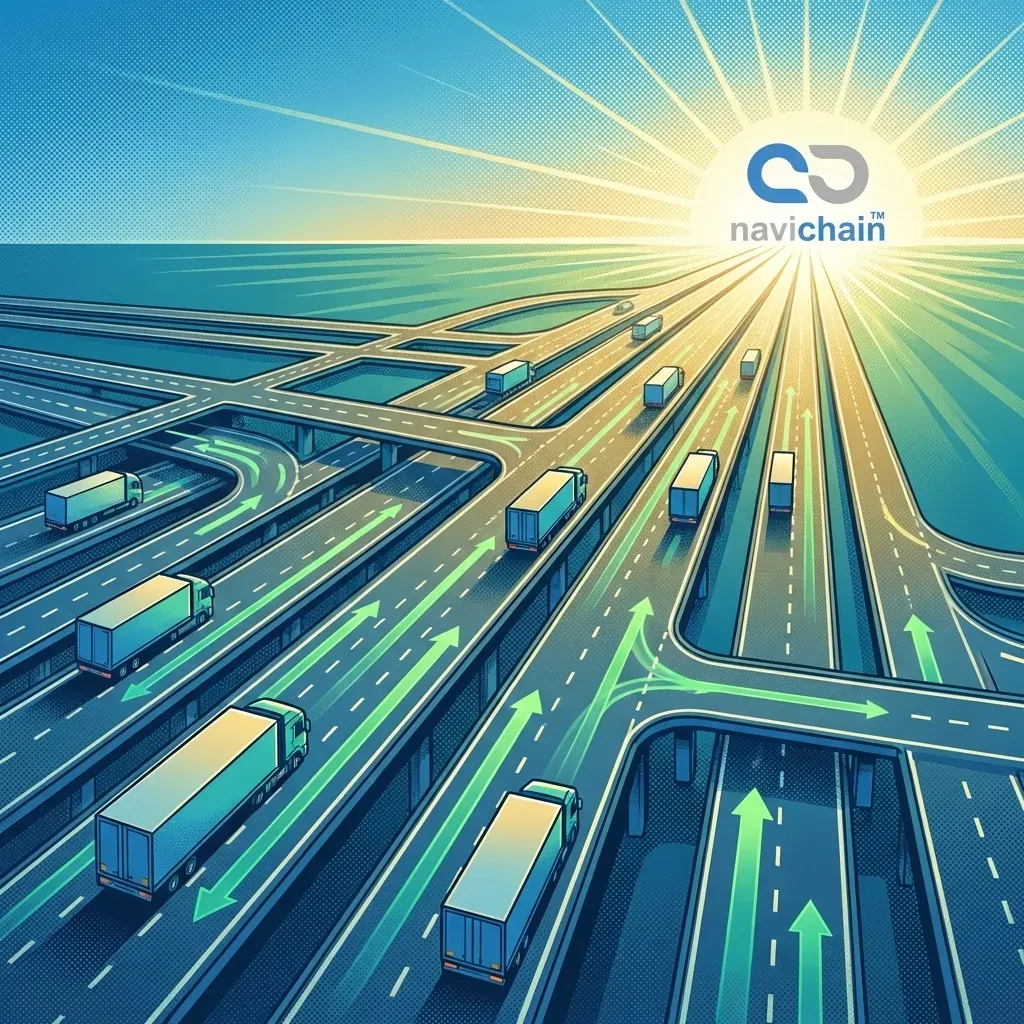
Volatility in spot market rates necessitates digital orchestration for supply chain resilience and cost mitigation.
- Inventory Levels: Many businesses have increased their inventory levels in response to supply chain disruptions. However, this has also led to increased inventory holding costs and the risk of obsolescence.
- Lead Times: Lead times for many products and components have increased significantly, making it more difficult for businesses to plan and manage their supply chains.
- Cybersecurity Threats: The number of cyberattacks targeting supply chains has been increasing, highlighting the importance of cybersecurity measures.
The paradox of visibility
Despite significant investments in supply chain technology, many businesses still lack true end-to-end visibility. They may have data on individual transactions, but they lack a holistic view of their supply chain and the ability to anticipate and respond to disruptions effectively. This paradox highlights the need for a more integrated and intelligent approach to supply chain management. Understanding these trends and paradoxes is essential for developing effective strategies to mitigate spot market volatility and build a more resilient and sovereign supply chain.
Interconnectedness magnifies spot market volatility, demanding agile, data-driven strategies.
Section 3: The strategic solution: building a sovereign supply chain
The key to mitigating spot market volatility lies in building a "Sovereign Supply Chain" – a supply chain that is resilient, agile, and under your direct control. This requires a strategic shift from reactive management to proactive planning and execution, leveraging technology to enhance visibility, control, and collaboration.
Core principles of a sovereign supply chain
- Enhanced Visibility: Gaining a comprehensive, real-time view of your entire supply chain, from raw materials to finished goods. This includes tracking inventory levels, monitoring transportation flows, and identifying potential disruptions.
- Proactive Risk Management: Identifying and assessing potential risks, such as supplier disruptions, transportation delays, and geopolitical events. Developing contingency plans to mitigate these risks and minimize their impact.
- Diversified Sourcing: Reducing reliance on single suppliers or regions by diversifying your sourcing base. This can help to mitigate the impact of disruptions and price increases.
- Strategic Inventory Management: Optimizing inventory levels to balance the need for supply security with the cost of holding inventory. This may involve using techniques such as safety stock, vendor-managed inventory, and demand forecasting.
- Collaborative Partnerships: Building strong relationships with key suppliers and customers to improve communication, coordination, and collaboration. This can help to reduce lead times, improve responsiveness, and mitigate the impact of disruptions.
- Data-Driven Decision Making: Leveraging data analytics to identify trends, optimize processes, and make informed decisions. This includes using data to forecast demand, optimize transportation routes, and identify potential risks.
- Agile Operations: Developing the ability to quickly adapt to changing market conditions and customer demands. This requires flexible processes, adaptable technology, and a culture of continuous improvement.
A multi-layered approach to mitigation
Addressing spot market volatility requires a multi-layered approach that encompasses strategic planning, operational execution, and technological enablement. 1. Strategic Planning: * Risk Assessment: Conduct a thorough risk assessment to identify potential vulnerabilities in your supply chain.
A multi-layered mitigation strategy incorporating strategic planning, operational execution, and technological enablement is crucial for addressing spot market volatility.
- Scenario Planning: Develop scenario plans to prepare for different potential disruptions.
- Sourcing Strategy: Develop a diversified sourcing strategy to reduce reliance on single suppliers or regions.
- Inventory Policy: Establish a strategic inventory policy that balances the need for supply security with the cost of holding inventory.
- Operational Execution:
- Real-Time Monitoring: Implement real-time monitoring systems to track inventory levels, transportation flows, and potential disruptions.
- Proactive Communication: Establish clear communication channels with suppliers and customers to ensure timely and accurate information sharing.
- Flexible Production: Develop flexible production processes that can quickly adapt to changing demand patterns.
- Expedited Response: Establish procedures for quickly responding to disruptions and mitigating their impact.
- Technological Enablement:
- Unified Platform: Implement a unified platform that integrates all aspects of your supply chain, from sourcing to delivery.
- AI-Driven Analytics: Leverage AI-driven analytics to identify trends, optimize processes, and make informed decisions.
- Automation: Automate repetitive tasks to improve efficiency and reduce errors.
- Collaboration Tools: Implement collaboration tools to facilitate communication and coordination with suppliers and customers. By adopting these principles and implementing a multi-layered approach, businesses can build a more resilient and sovereign supply chain that is less vulnerable to spot market volatility.
Section 4: The tech enabler (Navichain): empowering sovereignty through technology
Navichain provides a powerful technology platform that enables businesses to build a sovereign supply chain and mitigate the risks associated with spot market volatility. The Navichain SaaS solution offers a comprehensive suite of tools and capabilities that enhance visibility, control, and agility across the entire supply chain.
Navichain SaaS: A unified operating system for your supply chain
Navichain SaaS acts as a Unified OS for your supply chain, integrating data from various sources and providing a single source of truth. This eliminates data silos and enables businesses to gain a holistic view of their operations.
- End-to-End Visibility: Navichain provides real-time visibility into inventory levels, transportation flows, and supplier performance. This allows businesses to identify potential disruptions early and take proactive measures to mitigate their impact.
- Centralized Control: Navichain provides a centralized platform for managing all aspects of your supply chain, from sourcing to delivery. This simplifies operations and reduces the risk of errors.

Schematic illustrating Navichain SaaS as a unified operating system, integrating data for end-to-end supply chain visibility and control.
- Enhanced Collaboration: Navichain facilitates collaboration with suppliers and customers through secure communication channels and shared data. This improves communication, coordination, and responsiveness.
Ai-driven intelligence: Predictive insights and automated optimization
Navichain leverages AI-driven analytics to provide predictive insights and automate optimization across the supply chain. This enables businesses to make informed decisions and improve efficiency.
- Demand Forecasting: Navichain uses machine learning algorithms to forecast demand accurately, enabling businesses to optimize inventory levels and reduce the risk of stockouts or overstocking.
- Risk Assessment: Navichain identifies potential risks, such as supplier disruptions and transportation delays, and provides recommendations for mitigating these risks.
- Route Optimization: Navichain optimizes transportation routes to minimize costs and delivery times.
- Automated Procurement: Navichain automates the procurement process, reducing administrative burden and improving efficiency.
Key features and benefits
- Real-Time Tracking: Track shipments and inventory in real-time, providing complete visibility into your supply chain.
Navichain provides a centralized platform for real-time supply chain visibility, enabling proactive risk management and improved decision-making.
- Predictive Analytics: Anticipate potential disruptions and optimize operations with AI-powered predictive analytics.
- Automated Alerts: Receive automated alerts when potential disruptions are detected, enabling you to take proactive measures.
- Collaboration Portal: Collaborate with suppliers and customers through a secure online portal.
- Customizable Dashboards: Create customizable dashboards to track key performance indicators (KPIs) and monitor supply chain performance.
- Integration Capabilities: Integrate with existing ERP, TMS, and WMS systems to create a seamless flow of data. By leveraging Navichain's SaaS solution, businesses can transform their supply chains into agile, resilient, and sovereign ecosystems that are well-equipped to navigate the challenges of spot market volatility.
Section 5: Business outcomes: realizing the ROI of a sovereign supply chain
Implementing a sovereign supply chain, powered by a platform like Navichain, translates into tangible business outcomes that drive profitability, efficiency, and strategic resilience. The return on investment (ROI) extends beyond cost savings to encompass improved customer satisfaction, enhanced brand reputation, and a stronger competitive position.
Quantifiable ROI
- Reduced Transportation Costs: By optimizing transportation routes and leveraging real-time visibility, businesses can significantly reduce transportation costs. Navichain's AI-driven route optimization can identify the most efficient and cost-effective transportation options, minimizing fuel consumption and delivery times.
- Lower Inventory Holding Costs: Accurate demand forecasting and strategic inventory management can help businesses to reduce inventory holding costs. Navichain's demand forecasting capabilities enable businesses to optimize inventory levels, reducing the risk of stockouts or overstocking.
- Reduced Production Downtime: Proactive risk management and diversified sourcing can help to minimize production downtime. Navichain's risk assessment capabilities enable businesses to identify potential disruptions early and take proactive measures to mitigate their impact.
- Improved Procurement Efficiency: Automating the procurement process can reduce administrative burden and improve efficiency. Navichain's automated procurement capabilities streamline the procurement process, freeing up resources to focus on more strategic activities.
- Reduced Expedited Shipping Costs: By anticipating potential disruptions and proactively managing the supply chain, businesses can reduce the need for expedited shipping. Navichain's real-time visibility and predictive analytics enable businesses to identify potential delays early and take corrective action.
Strategic efficiency gains
- Enhanced Agility: A sovereign supply chain enables businesses to quickly adapt to changing market conditions and customer demands. Navichain's flexible platform and AI-driven analytics provide the agility needed to respond to disruptions and capitalize on new opportunities.
- Improved Customer Satisfaction: Reliable delivery and consistent product quality lead to improved customer satisfaction. Navichain's real-time visibility and proactive risk management ensure that customers receive their orders on time and in good condition.
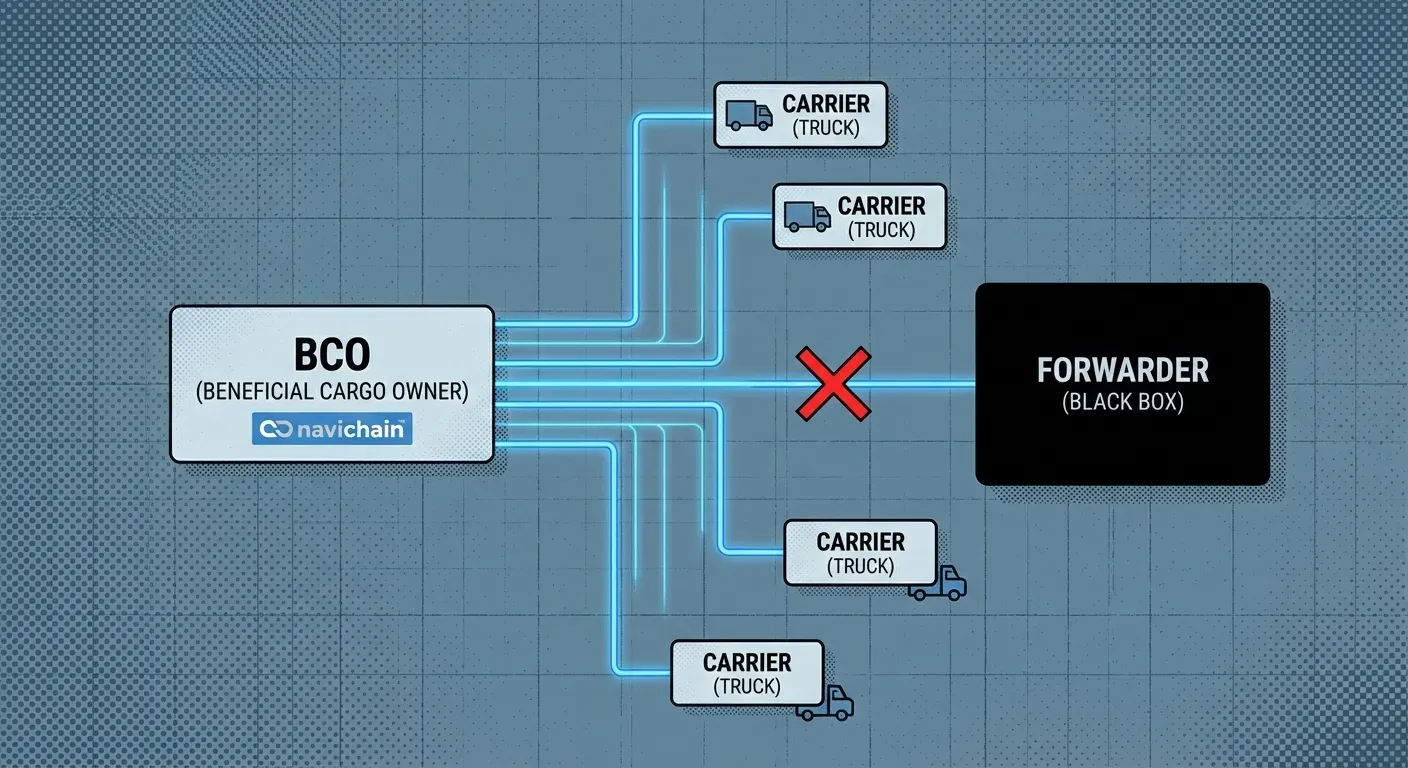
Navichain's digital orchestration provides end-to-end supply chain visibility, leading to increased resilience and significant strategic efficiency gains.
- Stronger Brand Reputation: A resilient supply chain enhances brand reputation and builds customer loyalty. Navichain's ability to mitigate disruptions and ensure consistent service levels strengthens brand reputation and builds customer trust.
- Competitive Advantage: A sovereign supply chain provides a significant competitive advantage. Businesses that can effectively manage their supply chains are better positioned to compete in today's dynamic marketplace.
- Increased Resilience: A sovereign supply chain is more resilient to disruptions and better able to withstand unexpected events. Navichain's comprehensive platform and AI-driven analytics provide the tools and capabilities needed to build a resilient supply chain. By realizing these business outcomes, businesses can unlock the full potential of their supply chains and achieve sustainable competitive advantage.
Conclusion
In an era defined by volatility and uncertainty, the concept of a Sovereign Supply Chain is no longer a luxury, but a necessity. The unpredictable nature of spot markets demands a proactive, data-driven approach that empowers businesses to take control of their supply chains and mitigate risks effectively. Navichain provides the technology and expertise needed to build a sovereign supply chain. Its unified platform, AI-driven analytics, and collaborative tools enable businesses to gain unprecedented visibility, control, and agility. By leveraging Navichain's SaaS solution, organizations can transform their supply chains into resilient, efficient, and competitive ecosystems that are well-equipped to navigate the challenges of today and tomorrow. The time to act is now. Embrace the principles of a Sovereign Supply Chain and unlock the full potential of your operations. Don't let your supply chain be a hostage to volatile spot markets. Take control and build a more resilient and predictable future with Navichain.
References
- European Commission (2020). EU Strategy for Sustainable and Smart Mobility. https://ec.europa.eu/transport/themes/mobilitystrategy_en
- International Road Transport Union (IRU) (2023). The Future of Road Transport. https://www.iru.org/future-road-transport
- McKinsey & Company (2022). Risk, resilience, and rebalancing in global value chains. https://www.mckinsey.com/capabilities/operations/our-insights/risk-resilience-and-rebalancing-in-global-value-chains
- Gartner (2023). Supply Chain Technology Trends. https://www.gartner.com/en/supply-chain/trends
Navichain visualizes the interconnectedness and data flow within a modern, digitally orchestrated supply chain.

Navichain's digital platform provides a visual representation of the complex relationships and information exchange inherent in a digitally orchestrated supply chain, offering enhanced transparency and control.
Ready to optimise your supply chain?
navichain Insights Newsletter
Join the newsletter to receive the latest updates in your inbox.