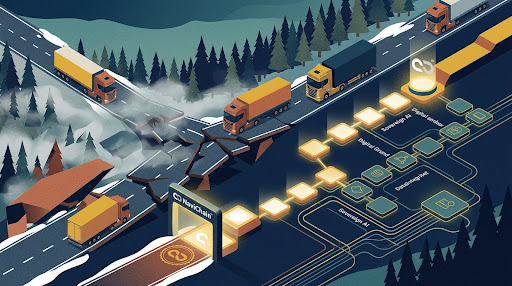
The Sovereign Supply Chain: How Beneficial Cargo Owners Can Reclaim Control from Freight Forwarders Without IT Chaos
Table of Contents
Caption: Disconnected data infrastructure leads to inefficiencies and inflated operational costs.

- Section Topic: The High Cost of Data Silos
- Image Role: Problem Visualization (a network diagram showing disconnected databases)
- Section Topic: Inaccurate Forecasting and its Impact on Supply Chains
- Image Role: Data Chart (showing actual demand vs. forecasted demand with a large discrepancy) Caption: Forecasting errors drive excess inventory and missed revenue opportunities.
- Section Topic: Security Vulnerabilities in Legacy Systems
- Image Role: Schematic (illustrating vulnerable points in an outdated system) Caption: Outdated architecture exposes critical systems to evolving cyber threats.
- Section Topic: Lost Productivity Due to Fragmented Workflows
- Image Role: Business Outcome (a bar graph depicting a decline in employee output) Caption: Disjointed processes directly impede employee productivity and business growth.
- Section Topic: Complex Configuration Leading to User Error
- Image Role: Platform UI (a screenshot of a complicated interface)
Forecasting errors drive excess inventory and missed revenue opportunities.
Executive summary
Beneficial Cargo Owners (Beneficial Cargo Owners) are facing increasing challenges in managing their supply chains due to over-reliance on freight forwarders. This dependency leads to opacity, inflated costs, and a significant loss of strategic control. This report delves into the root causes of this problem, analyzes the industry trends that exacerbate it, and presents a comprehensive solution: building a sovereign supply chain. By leveraging a unified operating system like Navichain SaaS, coupled with AI-driven insights, Beneficial Cargo Owners can achieve unparalleled visibility, optimize logistics processes, enhance resilience, and ultimately, drive significant improvements in their bottom line and competitive positioning. This report provides a roadmap for Beneficial Cargo Owners to reclaim control and transform their supply chains into strategic assets. Freight forwarder reliance obscures costs, hindering BCO control and strategic advantage.

Overly complex platform interfaces can lead to user errors, contributing to inefficiencies and data inaccuracies within the supply chain.
Introduction
In today's hyper-competitive global economy, the supply chain has evolved from a mere operational necessity to a critical strategic differentiator. For Beneficial Cargo Owners (Beneficial Cargo Owners), the companies that own the goods moving through the complex web of international logistics, the ability to effectively manage, control, and optimize their supply chains is no longer optional – it's essential for survival and sustained growth. However, a growing number of Beneficial Cargo Owners find themselves increasingly dependent on freight forwarders, effectively outsourcing control and visibility over crucial aspects of their operations. This reliance, while seemingly convenient in the short term, can lead to a cascade of negative consequences, including inflated costs, limited transparency, reduced agility, and a diminished ability to respond effectively to disruptions. The traditional model, characterized by fragmented data, opaque pricing, and a lack of direct control, leaves Beneficial Cargo Owners vulnerable and at a distinct disadvantage. This deep-dive report provides a comprehensive analysis of the evolving landscape of supply chain management, with a specific focus on the challenges Beneficial Cargo Owners face in maintaining sovereignty over their logistics operations. We will dissect the underlying causes of this increasing dependency, meticulously analyze the detrimental impact on Beneficial Cargo Owners' financial performance and strategic positioning, and present a robust, technology-driven solution designed to empower Beneficial Cargo Owners to regain control, build a more resilient, efficient, and transparent supply chain, and ultimately, transform their logistics operations into a source of competitive advantage. Specifically, we will explore how the Navichain SaaS platform, with its unified operating system and advanced AI-driven capabilities, can serve as the cornerstone for Beneficial Cargo Owners seeking to achieve true supply chain sovereignty. BCOs need visibility and control to navigate today's complex global supply chain.
Section 1: The challenge: losing control of your supply chain
The conventional model of supply chain management often positions Beneficial Cargo Owners as reactive players, heavily reliant on freight forwarders to navigate the intricate complexities of global logistics. While freight forwarders undoubtedly provide valuable services, this dependence can inadvertently create a significant power imbalance, leaving Beneficial Cargo Owners exposed to a multitude of critical challenges that directly impact their bottom line and strategic agility.
- Erosion of Visibility: One of the most significant consequences of over-reliance on freight forwarders is the erosion of real-time visibility into the location, status, and condition of goods as they move through the supply chain. This lack of transparency makes it exceedingly difficult for Beneficial Cargo Owners to proactively identify and mitigate potential disruptions, optimize transportation routes, and ensure timely delivery to customers. The "black box" nature of many freight forwarding relationships often obscures critical information, hindering informed decision-making and preventing Beneficial Cargo Owners from effectively managing their inventory and meeting customer expectations.
- Unnecessary Cost Inflation: Without clear and comprehensive visibility into pricing structures, service options, and the various fees associated with freight forwarding services, Beneficial Cargo Owners are often vulnerable to overpaying for logistics. Hidden fees, opaque markups, and a lack of competitive bidding opportunities can significantly inflate transportation costs and negatively impact profitability. The inherent complexity of international shipping regulations, tariffs, and customs procedures further complicates cost management and makes it difficult for Beneficial Cargo Owners to accurately assess the true cost of their logistics operations.
- Compromised Control and Agility: Beneficial Cargo Owners often relinquish a significant degree of control over critical logistics decisions, such as the selection of carriers, the determination of optimal transportation routes, and the establishment of appropriate service levels. This lack of direct control can lead to inefficiencies, delays, and a diminished ability to meet evolving customer expectations. The inability to directly influence key logistics decisions can hinder strategic planning, limit responsiveness to market changes, and ultimately, compromise the Beneficial Cargo Owner's ability to compete effectively.
- Fragmented Data Silos: Information pertaining to the supply chain is often fragmented across multiple disparate systems and stakeholders, creating isolated data silos that prevent Beneficial Cargo Owners from gaining a holistic, end-to-end view of their operations. This lack of data integration hinders comprehensive analysis, accurate reporting, and the identification of opportunities for process improvement and cost optimization. The inability to seamlessly share data across the entire supply chain ecosystem creates inefficiencies, delays, and a lack of coordination between key stakeholders.
- Heightened Risk Exposure: Over-reliance on a single or a limited number of freight forwarders can significantly increase a Beneficial Cargo Owner's exposure to various risks, including disruptions caused by port congestion, labor disputes, geopolitical events, and natural disasters. These disruptions can have a cascading effect throughout the entire supply chain, leading to costly delays, increased expenses, and potential damage to the Beneficial Cargo Owner's reputation. A lack of diversification in logistics providers can create a single point of failure that can cripple the entire supply chain. The consequences of failing to address these challenges can be severe and far-reaching. Beneficial Cargo Owners that remain overly reliant on freight forwarders risk:
- Eroding Profit Margins: Inflated costs, operational inefficiencies, and a lack of control can erode profit margins, making it increasingly difficult to compete in a price-sensitive global market.
- Missing Strategic Opportunities: A lack of visibility and control can hinder the ability to capitalize on emerging market opportunities, respond quickly to changing customer demands, and adapt to evolving market conditions.
- Damaging Customer Relationships: Delays, errors, a lack of transparency, and poor communication can damage customer relationships, leading to lost sales, decreased customer loyalty, and potential reputational damage.
- Falling Behind Competitors: Beneficial Cargo Owners that fail to optimize their supply chains and embrace technology risk falling behind competitors who are leveraging data, automation, and advanced analytics to gain a strategic advantage.
- Increased Vulnerability to Disruptions: A lack of resilience in the supply chain can leave Beneficial Cargo Owners highly vulnerable to disruptions, leading to costly delays, lost revenue, and potential business interruption.
BCO erosion: Dependence yields limited visibility and strategic control in the supply chain.
Section 2: The context/data: industry trends and paradoxes
Several key industry trends are converging to exacerbate the challenges Beneficial Cargo Owners face in managing their supply chains and maintaining control over their logistics operations: * Increasing Globalization and Complexity: Global supply chains are becoming increasingly complex, with goods often traversing multiple countries, involving numerous intermediaries, and utilizing a variety of transportation modes. This complexity makes it significantly more difficult to track shipments, manage costs, ensure compliance with international regulations, and maintain visibility throughout the entire supply chain.
Illustrates the growing complexity of global supply chains and the increasing challenges faced by Beneficial Cargo Owners in maintaining visibility and control.
- The Explosive Growth of E-commerce: The rapid and sustained growth of e-commerce is placing unprecedented pressure on supply chains to deliver goods quickly, efficiently, and cost-effectively. Beneficial Cargo Owners must adapt to the demands of omnichannel fulfillment, last-mile delivery, and increasingly demanding customer expectations for speed and convenience.
- Rising Customer Expectations for Transparency: Today's customers demand greater transparency and real-time visibility into the status of their orders. Beneficial Cargo Owners must provide accurate tracking information, proactive communication, and seamless customer service to meet these evolving expectations and maintain customer loyalty.
- Persistent Capacity Constraints: Port congestion, driver shortages, equipment shortages, and infrastructure limitations are creating persistent capacity constraints throughout the global supply chain. These constraints can lead to significant delays, increased transportation costs, and disruptions to the flow of goods.
- Escalating Geopolitical Instability: Trade wars, political unrest, economic sanctions, and natural disasters are creating increased uncertainty and volatility in the global supply chain. Beneficial Cargo Owners must build resilience into their supply chains to mitigate these risks and ensure business continuity. While technology offers the potential to address many of these challenges and empower Beneficial Cargo Owners to regain control of their supply chains, many organizations face a significant paradox:
- Data Overload and Information Paralysis: Beneficial Cargo Owners are often overwhelmed with vast amounts of data from multiple sources, making it difficult to extract meaningful insights, identify actionable trends, and make informed decisions.
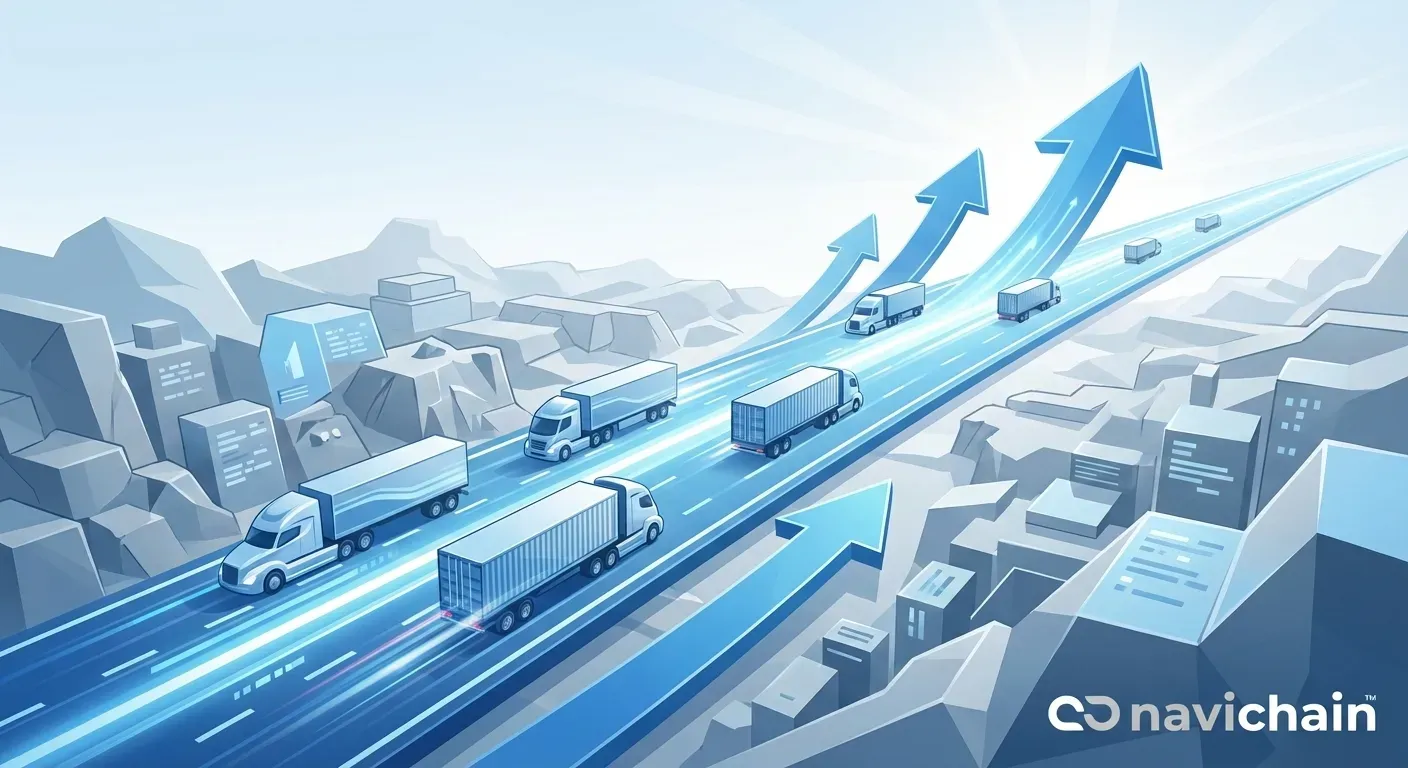
Data overload hinders effective decision-making for Beneficial Cargo Owners seeking supply chain control.
- Integration Complexities and Interoperability Challenges: Integrating disparate systems, legacy technologies, and fragmented data sources can be a complex, costly, and time-consuming undertaking.
- A Shortage of Skilled Talent and Expertise: Beneficial Cargo Owners may lack the internal expertise and skilled talent required to effectively implement, manage, and optimize advanced supply chain technologies.
- According to recent industry surveys, less than 40% of Beneficial Cargo Owners have end-to-end visibility into their supply chains.
- The average cost of supply chain disruptions has increased by over 20% in the past year.
- Companies that invest in supply chain technology experience an average reduction of 15% in operating costs.
- The global supply chain management software market is projected to reach nearly $40 billion by 2027. These statistics underscore the urgent need for Beneficial Cargo Owners to embrace technology, adopt a strategic approach to supply chain management, and regain control of their logistics operations.
Complex global networks obscure cargo visibility, hindering effective supply chain control.
Section 3: The strategic solution: building a sovereign supply chain
To overcome the challenges outlined above and build a truly sovereign supply chain, Beneficial Cargo Owners must adopt a strategic, technology-driven approach that focuses on the following key principles: * Achieving End-to-End Visibility: Implementing robust systems and technologies that provide real-time tracking and monitoring of goods throughout the entire supply chain, from origin to destination. This includes leveraging technologies such as IoT sensors, GPS tracking, RFID tags, and blockchain to capture and share data across the supply chain ecosystem.
- Optimizing Logistics Processes Through Automation: Streamlining and automating logistics processes to eliminate inefficiencies, reduce manual errors, and lower operating costs. This includes automating tasks such as order processing, shipment planning, route optimization, and customs clearance.
- Leveraging Data Analytics for Predictive Insights: Utilizing advanced data analytics tools and techniques to identify trends, predict potential disruptions, optimize decision-making, and improve overall supply chain performance. This includes implementing tools that can analyze large datasets, identify patterns, and provide actionable insights to improve efficiency, reduce costs, and mitigate risks.
Schematic representation of a sovereign supply chain, emphasizing end-to-end visibility and data flow for enhanced control.
- Building a Resilient and Agile Supply Chain: Diversifying suppliers, building buffer inventory, developing contingency plans, and implementing risk management strategies to mitigate the impact of disruptions and ensure business continuity.
- Fostering Collaboration and Communication: Establishing closer relationships with key suppliers, customers, and logistics providers to improve communication, enhance coordination, and foster a collaborative environment across the entire supply chain. A critical element of this strategic solution is the implementation of a unified operating system (OS) for supply chain management. A unified OS provides a single, integrated platform for managing all aspects of the supply chain, from sourcing and procurement to transportation and delivery. This eliminates data silos, improves visibility, enables better collaboration between stakeholders, and provides a foundation for leveraging advanced technologies such as AI and machine learning. This strategic solution aligns with several key theoretical frameworks:
- Resource-Based View (RBV): This theory posits that a company's competitive advantage is derived from its unique resources and capabilities. By building a sovereign supply chain, Beneficial Cargo Owners can develop a valuable, rare, inimitable, and non-substitutable (VRIN) resource that provides a sustainable competitive advantage.
- Dynamic Capabilities Theory: This theory emphasizes the importance of a company's ability to adapt and evolve in response to changing market conditions. A sovereign supply chain provides Beneficial Cargo Owners with the agility and responsiveness needed to thrive in a dynamic global marketplace.
- Network Theory: This theory highlights the importance of relationships and collaboration in achieving organizational goals. A sovereign supply chain fosters closer relationships with key stakeholders, enabling better communication, coordination, and collaboration.
Section 4: The tech enabler (Navichain):
Navichain SaaS is specifically designed to empower Beneficial Cargo Owners to build a sovereign supply chain by providing a unified operating system and AI-driven insights that address the key challenges outlined in this report.
- Navichain SaaS: A Unified OS for Supply Chain Sovereignty: Navichain SaaS provides a single, integrated platform for managing all aspects of the supply chain, eliminating data silos and providing end-to-end visibility. This unified OS enables Beneficial Cargo Owners to:
- Centralize Data: Aggregate data from multiple sources into a single, unified view of the supply chain.
- Automate Processes: Automate key logistics processes, such as order processing, shipment planning, and customs clearance.
- Collaborate Seamlessly: Facilitate seamless collaboration between stakeholders, including suppliers, customers, and logistics providers.
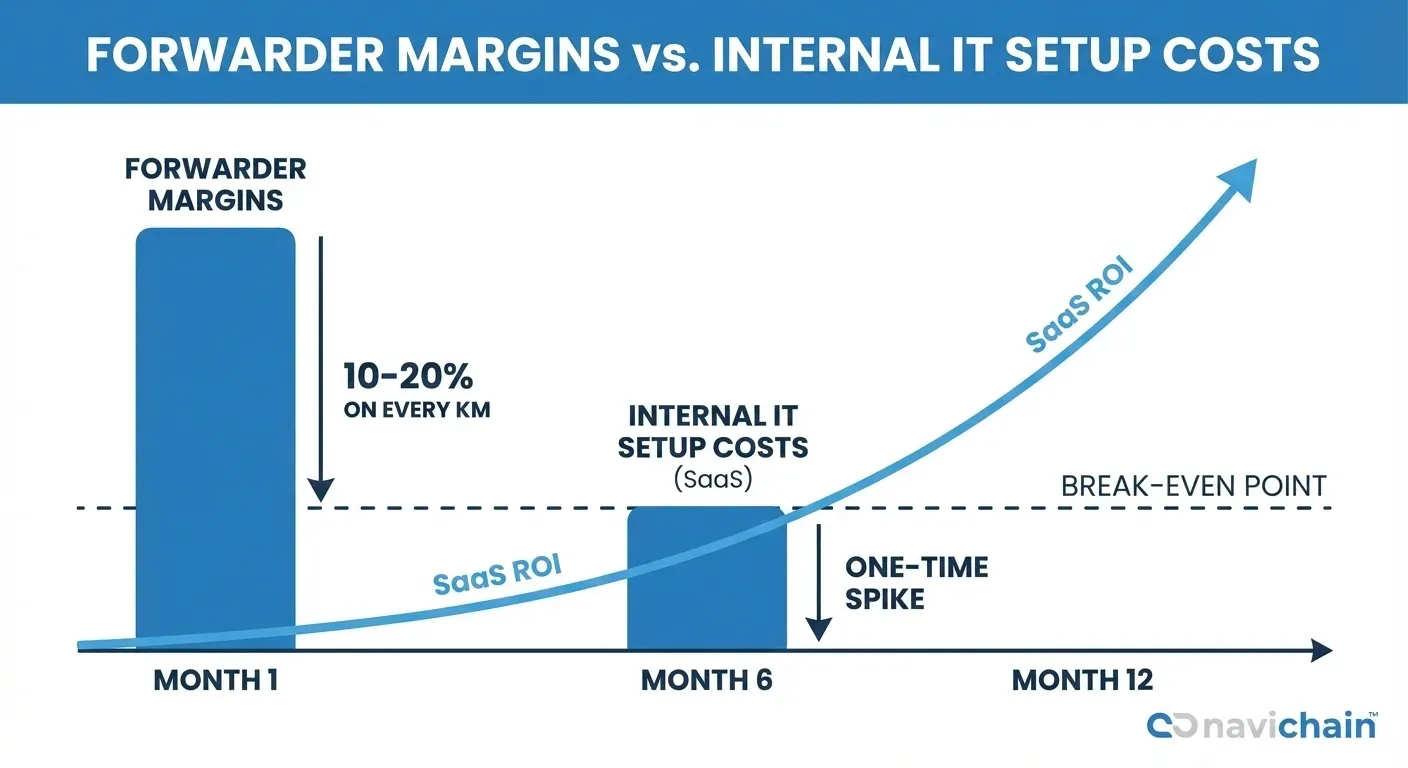
Navichain SaaS provides a unified operating system, visualized here, to centralize data and automate processes across the supply chain for enhanced visibility and control.
- Gain Real-Time Visibility: Track shipments in real-time and monitor key performance indicators (KPIs).
- AI-Driven Insights for Optimized Decision-Making: Navichain leverages AI and machine learning to provide Beneficial Cargo Owners with actionable insights that improve decision-making and optimize supply chain performance. These AI-driven capabilities include:
- Predictive Analytics: Predict potential disruptions and proactively mitigate risks.
- Route Optimization: Optimize transportation routes to reduce costs and improve delivery times.
- Demand Forecasting: Forecast demand accurately to optimize inventory levels and reduce stockouts.
- Anomaly Detection: Identify anomalies and potential problems in the supply chain. By leveraging Navichain SaaS, Beneficial Cargo Owners can:
- Reduce Costs: Optimize logistics processes, eliminate inefficiencies, and negotiate better rates with carriers.
Navichain's platform delivers tangible business outcomes for BCOs, empowering them to reduce costs and improve efficiency.
- Improve Efficiency: Automate tasks, streamline workflows, and improve communication between stakeholders.
- Enhance Visibility: Gain real-time visibility into the location and status of goods throughout the supply chain.
- Mitigate Risks: Predict potential disruptions and proactively mitigate risks.
- Improve Customer Satisfaction: Ensure timely delivery and provide proactive communication to customers. Navichain empowers Beneficial Cargo Owners to move beyond reactive management and embrace a proactive, data-driven approach to supply chain management, ultimately achieving true supply chain sovereignty.
Section 5: Business outcomes: ROI, efficiency gains, strategic resilience
By implementing a sovereign supply chain strategy powered by Navichain SaaS, Beneficial Cargo Owners can achieve significant and measurable business outcomes, including: * Significant ROI: Reduced transportation costs, optimized inventory levels, and improved operational efficiency can lead to a significant return on investment. Beneficial Cargo Owners can expect to see a reduction in overall supply chain costs, often exceeding 10-15%.
- Enhanced Efficiency Gains: Automation of key logistics processes, streamlined workflows, and improved communication between stakeholders can lead to significant efficiency gains. This translates to faster order processing, quicker delivery times, and reduced administrative overhead.
- Increased Strategic Resilience: Diversifying suppliers, building buffer inventory, and developing contingency plans can enhance the resilience of the supply chain and mitigate the impact of disruptions. This allows Beneficial Cargo Owners to maintain business continuity and minimize the impact of unforeseen events.
- Improved Customer Satisfaction: Ensuring timely delivery, providing proactive communication, and offering seamless customer service can improve customer satisfaction and loyalty. This translates to increased sales, repeat business, and positive word-of-mouth referrals.
- Enhanced Competitive Advantage: By building a sovereign supply chain, Beneficial Cargo Owners can gain a significant competitive advantage over rivals who are still reliant on traditional, fragmented approaches to logistics management. This advantage allows Beneficial Cargo Owners to compete more effectively in the global marketplace and capture market share.
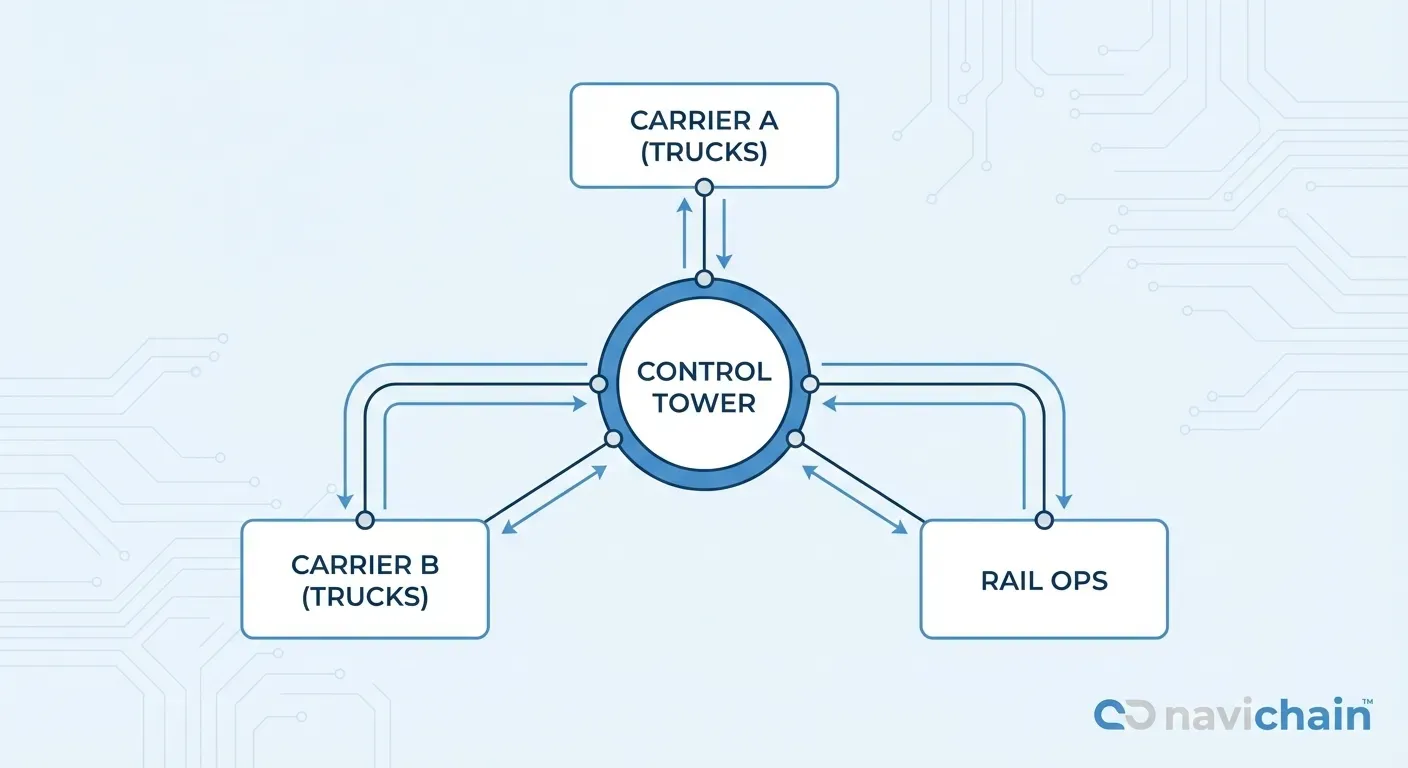
Achieving a sovereign supply chain unlocks significant advantages for Beneficial Cargo Owners, including cost reduction, improved efficiency, and enhanced resilience, ultimately leading to a stronger competitive position.
- Data-Driven Decision Making: Access to real-time data and AI-driven insights empowers Beneficial Cargo Owners to make more informed decisions, optimize resource allocation, and improve overall supply chain performance.
Conclusion
The era of Beneficial Cargo Owners passively accepting the limitations imposed by freight forwarder dependency is over. The challenges of globalization, increasing customer expectations, and persistent disruptions demand a new paradigm: the sovereign supply chain. By embracing a strategic, technology-driven approach, and leveraging the power of platforms like Navichain SaaS, Beneficial Cargo Owners can reclaim control, optimize their logistics operations, and transform their supply chains into strategic assets. The future belongs to those who can harness the power of data, automation, and collaboration to build resilient, efficient, and transparent supply chains that drive competitive advantage and deliver exceptional customer value. The time to act is now. Reclaim your supply chain, reclaim your control, and unlock your full potential.
References
- European Union. (2019). Regulation (EU) 2019/1150 on promoting fairness and transparency for business users of online intermediation services. https://eur-lex.europa.eu/legal-content/EN/TXT/?uri=CELEX%3A32019R1150
- International Road Transport Union (IRU). (2023). The Future of Road Transport. https://www.iru.org/future-road-transport
- McKinsey & Company. (2022). Perspectives on the global supply chain. https://www.mckinsey.com/capabilities/operations/our-insights/perspectives-on-the-global-supply-chain
- Gartner. (2023). Supply Chain Technology Trends. https://www.gartner.com/en/information-technology/trends/supply-chain-technology
Navichain SaaS empowers Beneficial Cargo Owners to gain visibility and control over their entire supply chain, fostering a more resilient and efficient logistics ecosystem.
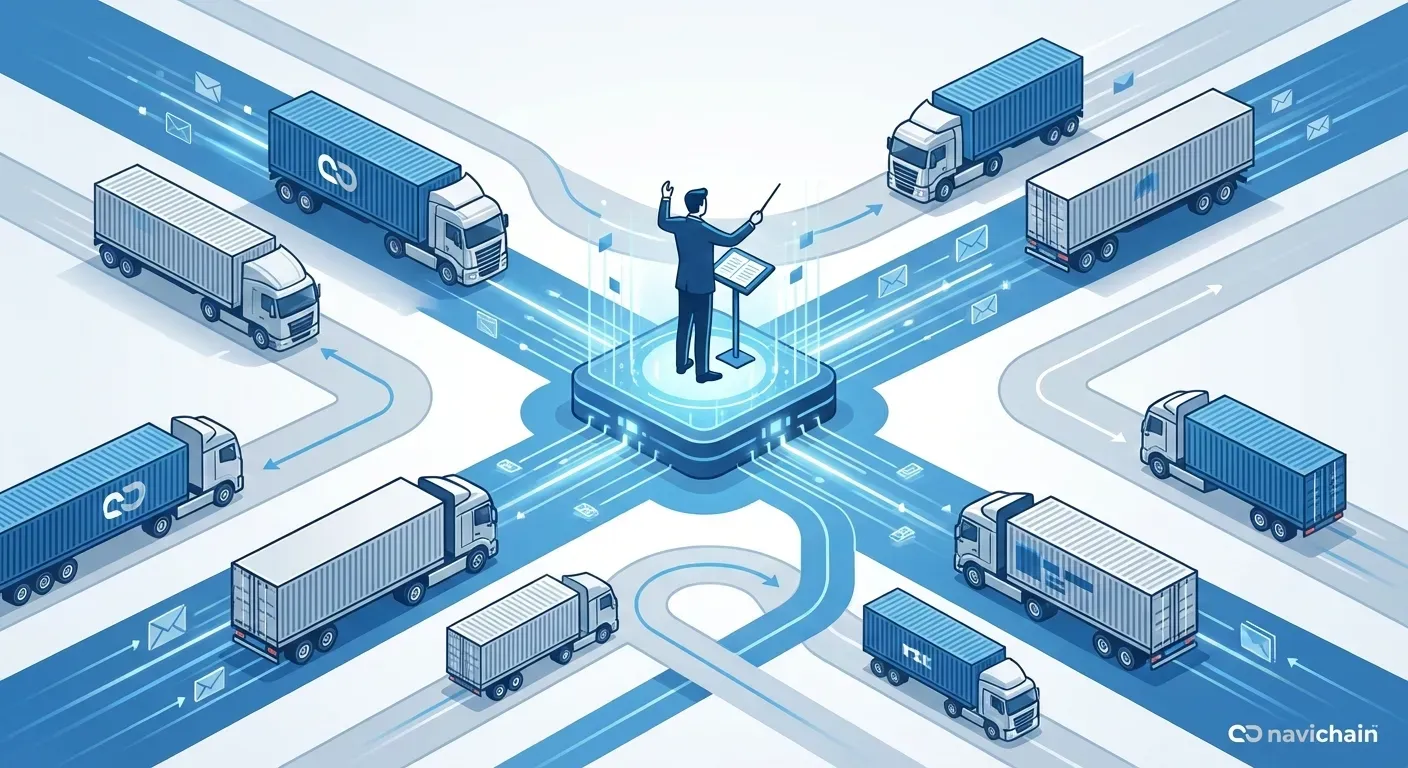
Navichain's platform provides Beneficial Cargo Owners (BCOs) with end-to-end supply chain visibility and control, leading to increased efficiency and resilience.
Ready to optimise your supply chain?
navichain Insights Newsletter
Join the newsletter to receive the latest updates in your inbox.