The Sovereign Control Tower: Reclaiming Compliance and Data Ownership in the Last Mile
Table of Contents
Logistics in highly regulated sectors faces a perfect storm of data privacy concerns and fragmented compliance landscapes. Discover how a Sovereign Control Tower empowers shippers to reclaim data ownership, enforce strict compliance protocols, and mitigate risks associated with GDPR and the US Cloud Act.
The Sovereign Control Tower: Reclaiming Compliance and Data Ownership in the
Data silos and fragmented compliance introduce unacceptable organizational risk.
Executive summary
The complexities of regulated logistics, particularly for pharmaceuticals and alcohol, demand a paradigm shift. The traditional reliance on disparate carrier systems leaves shippers vulnerable to data breaches, compliance failures, and brand damage. This report introduces the Sovereign Control Tower model, a strategic approach that empowers shippers to own their logistics operating system, enforce compliance protocols, and achieve unprecedented data sovereignty. By inviting carriers into their environment, shippers gain complete visibility, mitigate risks associated with data privacy regulations like GDPR and the US Cloud Act, and ensure a consistent, high-quality customer experience. This proactive approach not only safeguards against compliance failures but also unlocks significant cost savings and operational efficiencies. Sovereign Control Tower: Unifying data streams for compliance and risk mitigation.
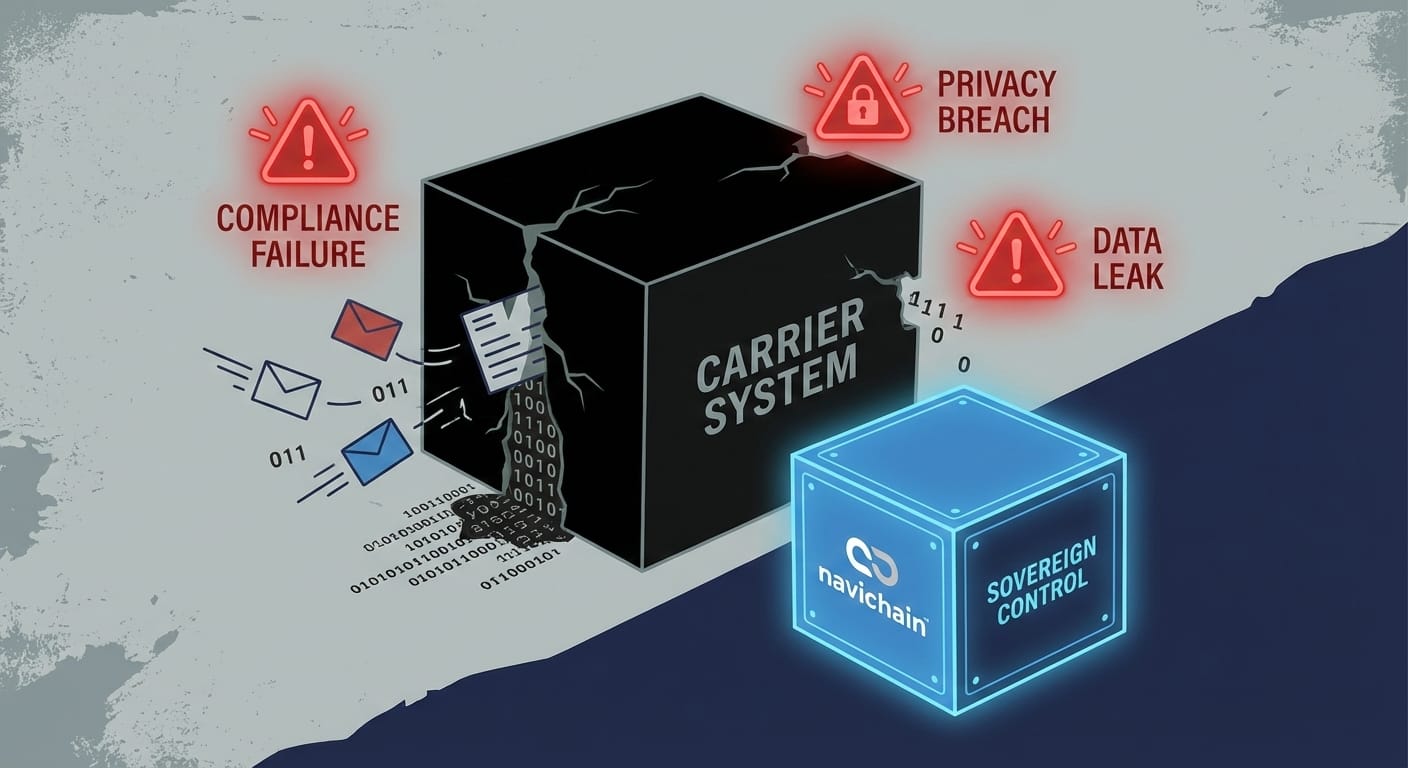
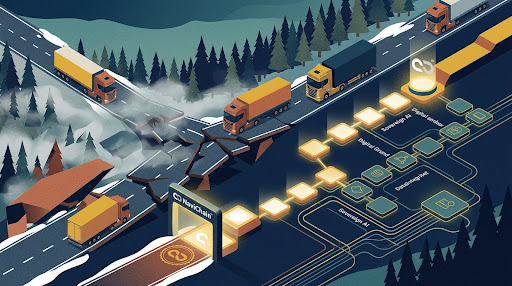
Fragmented data streams and siloed systems expose shippers to compliance risks and hinder unified supply chain visibility.
Introduction
The modern supply chain is a complex web of interconnected entities, each playing a crucial role in delivering goods from origin to the end consumer. While efficiency and speed have long been the primary focus, the increasing scrutiny of data privacy, regulatory compliance, and brand reputation demands a more holistic approach. This is particularly true for shippers of regulated goods like pharmaceuticals and alcohol, where even a minor lapse in compliance can result in significant financial penalties, legal repercussions, and irreparable damage to brand trust. The traditional model, where shippers rely on a patchwork of carrier systems, creates a fragmented and opaque logistics landscape. This lack of visibility and control exposes shippers to a range of risks, including data breaches, inconsistent compliance practices, and a diminished customer experience. The need for a more secure, transparent, and controlled logistics ecosystem has never been greater. This report delves into the challenges faced by shippers of regulated goods, explores the underlying industry trends, and presents the Sovereign Control Tower as a strategic solution for reclaiming control and achieving sustainable competitive advantage. Regulated supply chains: navigating interconnected risks while ensuring compliance.
Section 1: The challenge – navigating the compliance "black box" and the cost of inaction
The moment a shipment of regulated goods leaves the shipper's warehouse, it often enters a digital "Black Box." This lack of visibility and control over the last mile creates a significant compliance risk, particularly in industries like pharmaceuticals and alcohol, where strict regulations govern the handling, storage, and delivery of goods. The current industry standard, often referred to as "Forwarder Logic," places the carrier in control of the technology and data. Shippers are forced to integrate with a multitude of disparate carrier systems, each with its own unique data formats, security protocols, and compliance standards. This fragmented approach creates three critical friction points: 1. Data Sovereignty Risks and the Shadow of the US Cloud Act: In today's globalized world, data privacy is paramount. When shippers entrust their delivery data (including names, addresses, and delivery instructions) to global carriers that rely on US-based cloud infrastructure, they relinquish control over that data. The US Cloud Act grants US law enforcement agencies access to data stored on US-based servers, regardless of where the data originates or where the server is located. This poses a significant risk to European businesses, as it potentially violates GDPR and other data privacy regulations. The cost of non-compliance can be staggering, including hefty fines, legal battles, and reputational damage. 2. Inconsistent Compliance and the Erosion of Standards: The lack of a unified system makes it impossible to enforce consistent compliance practices across all carriers. One carrier might diligently check IDs for age-restricted products, while another might simply leave the package on the doorstep. This inconsistency creates a significant compliance risk, as even a single violation can result in severe penalties. Furthermore, inconsistent compliance practices can erode brand trust and damage the customer experience. Imagine a pharmaceutical product being left unattended in direct sunlight, compromising its efficacy. The cost of such a lapse extends far beyond the immediate financial penalty. 3. Brand Erosion and the Dissatisfied Customer: In the age of social media, a single negative delivery experience can quickly go viral, damaging the brand's reputation and eroding customer loyalty. When a delivery goes wrong, customers often blame the brand, not the carrier. This is particularly true for regulated goods, where the delivery experience is often seen as an extension of the brand's commitment to quality and safety. The cost of brand erosion can be significant, including lost sales, decreased customer lifetime value, and difficulty attracting new customers. The cost of inaction is simply too high. Shippers of regulated goods can no longer afford to rely on a fragmented and opaque logistics ecosystem. They need a solution that provides complete visibility, ensures consistent compliance, and protects their brand reputation.
Lost shipment visibility amplifies regulatory compliance risks for shippers using forwarder-centric systems.
Section 2: The context – industry trends, paradoxes, and the widening "trust gap"
The logistics landscape is undergoing a significant transformation, driven by evolving consumer expectations, tightening regulations, and increasing supply chain complexity. While speed and efficiency remain important, the integrity of the delivery is now paramount, particularly in regulated sectors. Several key industry trends are contributing to the widening "trust gap" between shippers and carriers: * The Rise of Direct-to-Consumer (DTC) Models: The growth of DTC models in regulated sectors like pharmaceuticals and alcohol is placing greater emphasis on the last mile delivery experience. Consumers expect a seamless and convenient delivery experience, with strict adherence to compliance protocols.
- Supply Chain Fragmentation and Multi-Tier Subcontracting: As supply chains become more complex and fragmented, the chain of custody breaks down. Carriers often subcontract deliveries to smaller hauliers, who in turn may subcontract to individual drivers. This multi-tier subcontracting creates a lack of visibility and control, making it difficult to ensure consistent compliance.
- Tightening Regulations and Increased Scrutiny: Regulatory bodies are increasingly scrutinizing the transport of sensitive goods, particularly pharmaceuticals and alcohol. The Good Distribution Practice (GDP) guidelines for pharmaceuticals and strict age-verification laws for alcohol require robust audit trails that simple "delivered" status updates cannot provide.
The chart likely illustrates the growing disconnect between traditional tracking methods and the increasing demands for transparency and compliance in modern last-mile delivery.
- The Paradox of Technology: While technology has the potential to improve logistics efficiency and transparency, the proliferation of disparate systems is creating a new set of challenges. Shippers are forced to integrate with a multitude of carrier systems, each with its own unique data formats and security protocols. This creates a fragmented and opaque logistics landscape, making it difficult to gain a holistic view of the supply chain.
- The Growing Importance of Data Privacy: Consumers are increasingly concerned about the privacy of their personal data. Shippers must ensure that their logistics operations comply with data privacy regulations like GDPR and the US Cloud Act. Failure to do so can result in significant financial penalties and reputational damage. Recent industry data highlights the growing concern over supply chain integrity. A significant percentage of shippers report experiencing issues with data breaches, compliance failures, and inconsistent delivery practices. This underscores the urgent need for a more secure, transparent, and controlled logistics ecosystem.
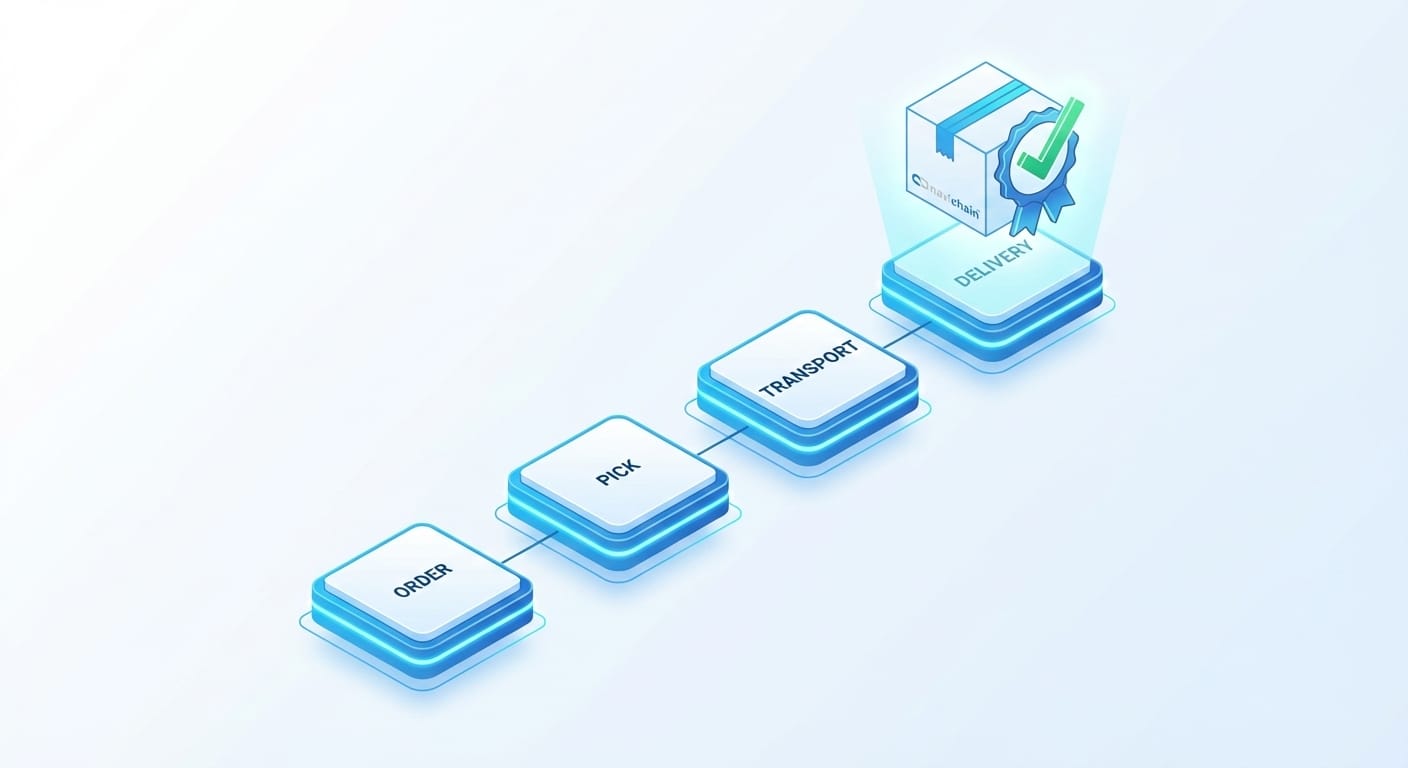
This chart illustrates the widening gap between traditional tracking methods and the growing need for transparency and compliance in last-mile delivery of sensitive goods.
Section 3: The strategic solution – the inverse integration model and the sovereign control tower
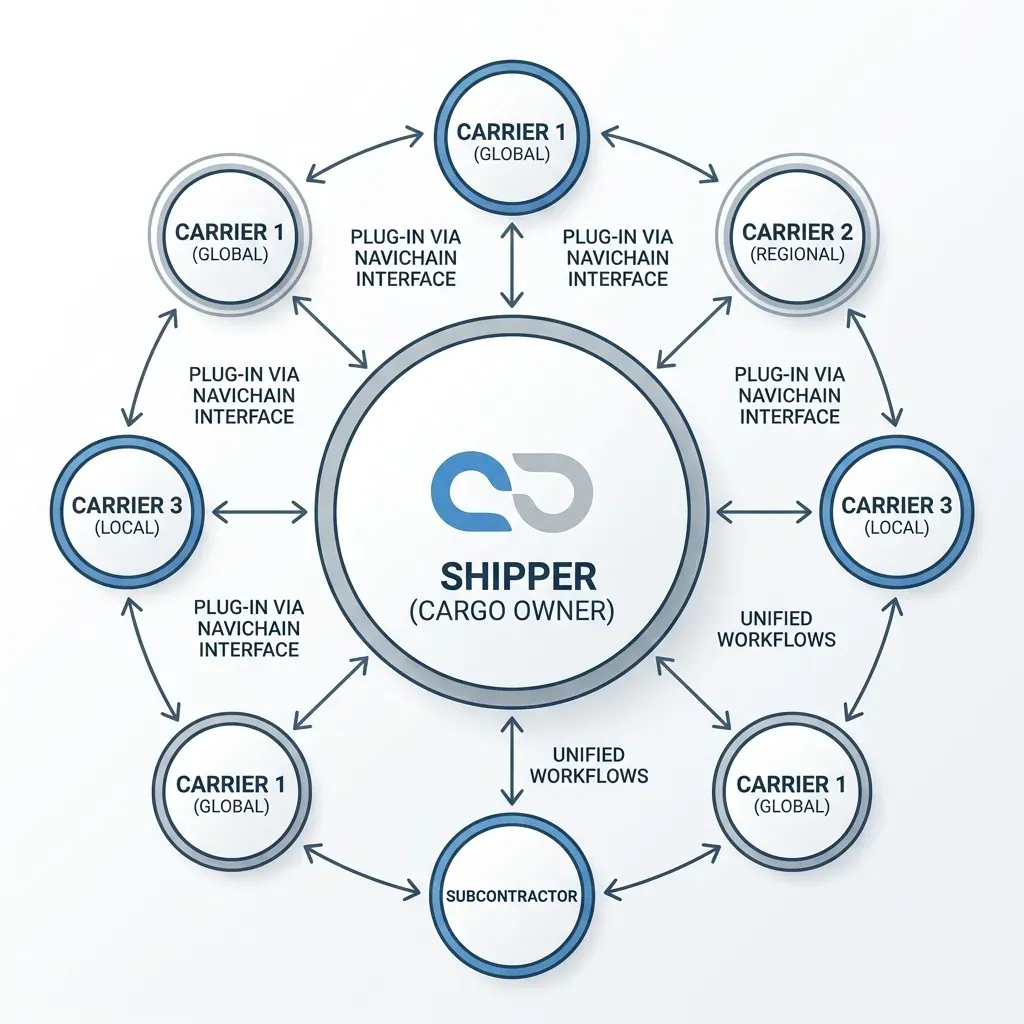
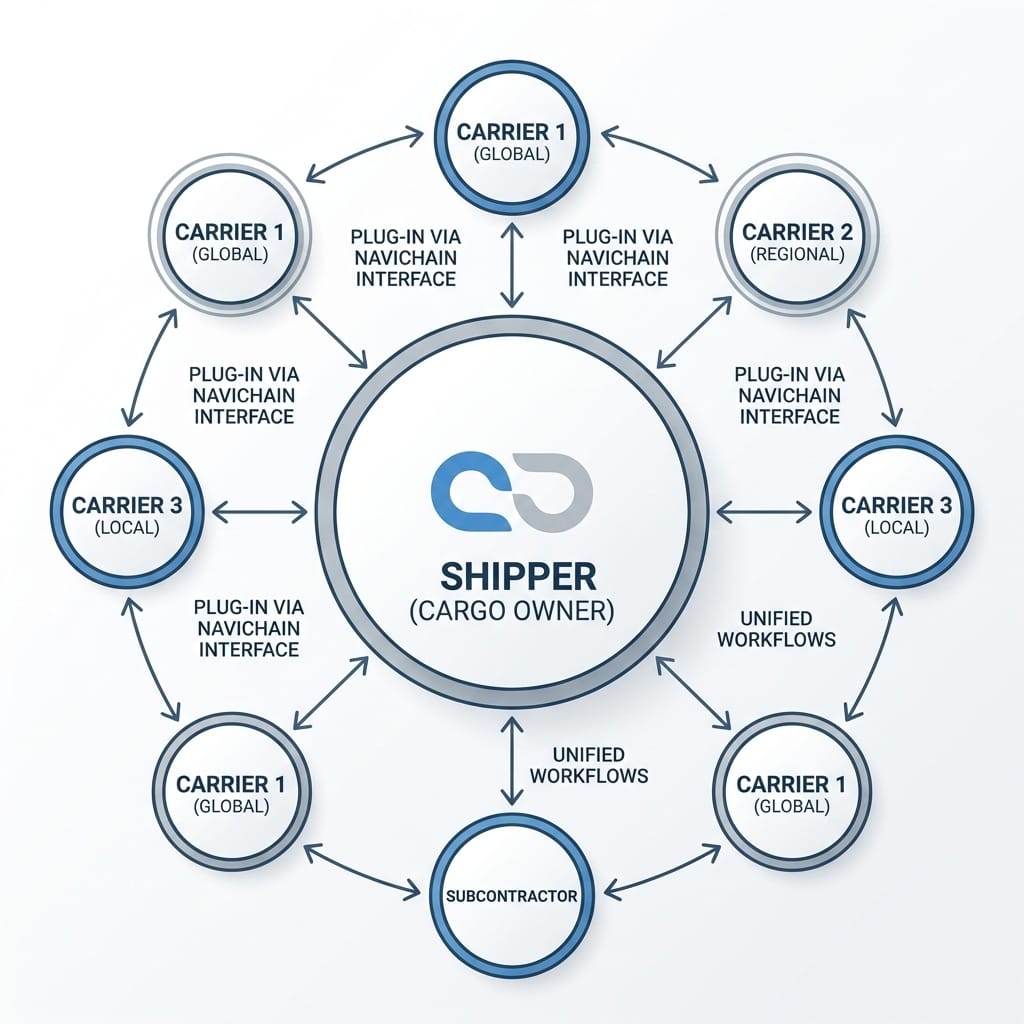
The traditional approach to logistics, where shippers integrate with a multitude of carrier systems, is no longer sustainable. The solution is not to build more API integrations with more carriers. The solution is to invert the model. This is where the Sovereign Control Tower comes into play. Instead of the Shipper asking, "How do I plug into my carrier?", the Shipper says, "Here is my platform; log in to get the job." In this model, the Cargo Owner (Shipper) holds the license for the logistics operating system. They create the transport orders within their own environment. When a carrier—whether it’s a global giant or a local van driver—accepts the load, they utilize the Shipper's interface (or a provided driver app) to execute it. This approach offers several key advantages: * Data Sovereignty: The shipper retains control over their data, ensuring compliance with data privacy regulations like GDPR and the US Cloud Act.
- Compliance Enforcement: The shipper can enforce consistent compliance practices across all carriers, ensuring that all deliveries meet the required standards.
- Visibility and Control: The shipper gains complete visibility into the entire logistics process, from order creation to final delivery.
- Brand Protection: The shipper can ensure a consistent and high-quality customer experience, protecting their brand reputation.
- Network Viral Effects: By onboarding one major Shipper, dozens of subcontractors are brought into a unified digital standard, normalizing high-quality data exchange without the Shipper paying for dozens of different software licenses. This creates a network effect, where the value of the platform increases as more carriers join the network. The Sovereign Control Tower is not just a technology solution; it is a strategic approach that empowers shippers to reclaim control over their logistics operations and achieve sustainable competitive advantage. It represents a fundamental shift in the power dynamic between shippers and carriers, placing the shipper firmly in control of their data, their compliance, and their brand reputation.
A schematic illustrating the flow of data and control within a Sovereign Control Tower, highlighting shipper independence and compliance enforcement.
Section 4: The tech enabler (Navichain) – enforcing logic, sovereignty, and operational excellence
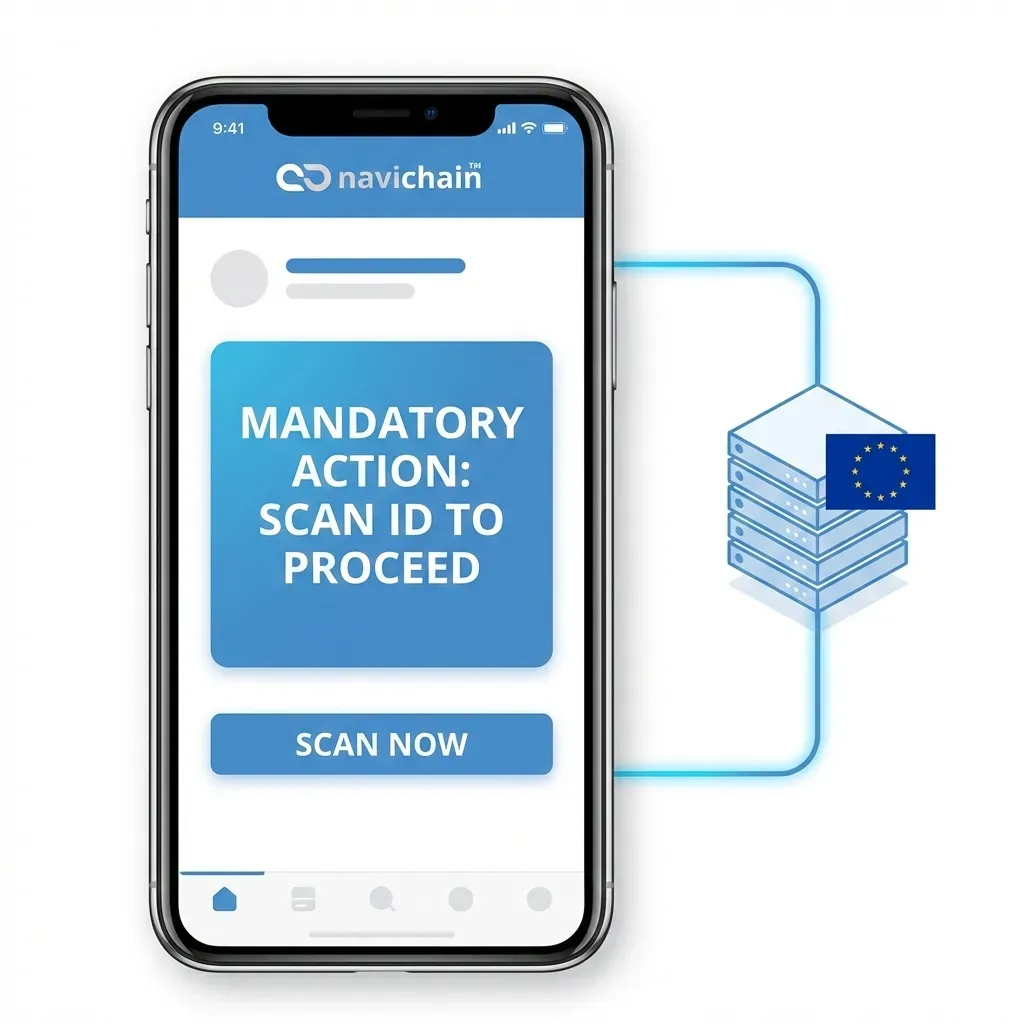
Navichain is uniquely engineered to serve as this Sovereign Control Tower for European SMEs. Unlike US-centric SaaS platforms, Navichain prioritizes strict data independence and configurable workflow logic. Navichain SaaS provides a comprehensive suite of tools and features that enable shippers to manage their logistics operations from a single, unified platform. Here's how Navichain specifically solves the challenges outlined in this report: 1. Total Data Sovereignty (Strategic Trust): Navichain hosts its own AI and Data Centers, strategically located within the EU. We do not rely on AWS, Google Cloud, or Azure. This ensures that all data remains within European jurisdiction, protected by European data privacy laws.
- The Benefit: When a driver scans a customer's ID for an alcohol delivery, that personal data never leaves European jurisdiction. It is not subject to the US Cloud Act. For Risk Managers in Pharma/Alcohol, this is the ultimate safeguard. This provides shippers with peace of mind, knowing that their data is safe and secure.
- Mandatory Workflow Enforcement (Operational Excellence): Through the Navichain Driver App, Shippers can configure "Blocking Steps," ensuring that drivers follow specific procedures at each stage of the delivery process. This ensures consistent compliance and reduces the risk of human error.
- The Feature: You can set a rule that a delivery cannot be marked "Complete" until an ID is scanned, a temperature probe photo is taken, or a specific question is answered.
- The Result: Compliance is no longer optional; it is hard-coded into the driver's workflow, regardless of which subcontractor is driving. This ensures that all deliveries meet the required standards, regardless of the carrier or driver involved.
- Automated Finance & Self-Billing: Because the order originates in the Shipper's system, the financial data is absolute. Navichain's Unified OS automates the financial reconciliation process, eliminating errors and reducing administrative overhead.
- The Efficiency: Instead of waiting for a carrier to send a potentially incorrect invoice, Navichain can generate a "Self-Bill" or automatically reconcile the carrier's invoice against the agreed rates and performed services. This eliminates overcharging and slashes administrative overhead. This frees up valuable resources, allowing shippers to focus on their core business activities.
- AI-Driven Optimization: Navichain leverages AI to optimize delivery routes, predict potential delays, and identify opportunities for cost savings. This helps shippers to improve efficiency, reduce costs, and enhance the customer experience. Navichain is more than just a software platform; it is a strategic partner that empowers shippers to reclaim control over their logistics operations and achieve sustainable competitive advantage.
A schematic illustrating the automated workflow and data flow within Navichain's Unified OS, highlighting features like compliance enforcement and self-billing.
Section 5: The business outcome – profitability through control and strategic resilience
Adopting a Sovereign Control Tower strategy with Navichain transforms logistics from a cost center into a competitive asset. The business outcomes are significant and far-reaching: * Risk Mitigation: Zero GDPR violations regarding end-customer data. This protects the shipper from significant financial penalties and reputational damage.
- Brand Protection: 100% adherence to ID checks and handling protocols ensures the customer receives the premium experience they paid for. This enhances brand loyalty and drives repeat business.
Navichain empowers shippers to transform their logistics operations, driving profitability through enhanced control and strategic resilience, as illustrated by these key business outcomes.
- Cost Reduction: Administrative time spent chasing PODs (Proof of Delivery) or correcting invoices drops by up to 40%. This frees up valuable resources, allowing shippers to focus on their core business activities.
- Improved Efficiency: AI-driven route optimization and predictive analytics reduce delivery times and fuel costs. This improves efficiency and reduces the overall cost of logistics.
- Enhanced Customer Experience: Real-time tracking and proactive communication keep customers informed and engaged. This enhances customer satisfaction and builds brand loyalty.
- Strategic Resilience: The ability to quickly adapt to changing market conditions and regulatory requirements. This ensures that the shipper can remain competitive and compliant in the face of uncertainty. For the Cargo Owner, this is the difference between hoping for a good delivery and guaranteeing it. It's about transforming logistics from a source of risk and cost into a driver of profitability and competitive advantage.
Conclusion
The era of the "blind" shipper is over. In a regulated European market, you cannot afford to outsource your compliance architecture to the lowest bidder. The risks are simply too high. By adopting Navichain as your Sovereign Control Tower, you standardize your operations, secure your data, and turn your transport network into a transparent, efficient ecosystem. You gain complete visibility, enforce consistent compliance, and protect your brand reputation. Start your free trial today and set up your first compliant workflow in under 15 minutes. Experience the power of Navichain and transform your logistics operations into a competitive advantage.
Achieving operational excellence: Navichain empowers cargo owners to move from reactive problem-solving to proactive, data-driven decision-making in logistics.
References
- European Commission: Good Distribution Practice (GDP) Guidelines
- GDPR & Data Sovereignty: The Schrems II Judgement
- Statista: Growth of Online Pharmacy & Alcohol Sales in Europe
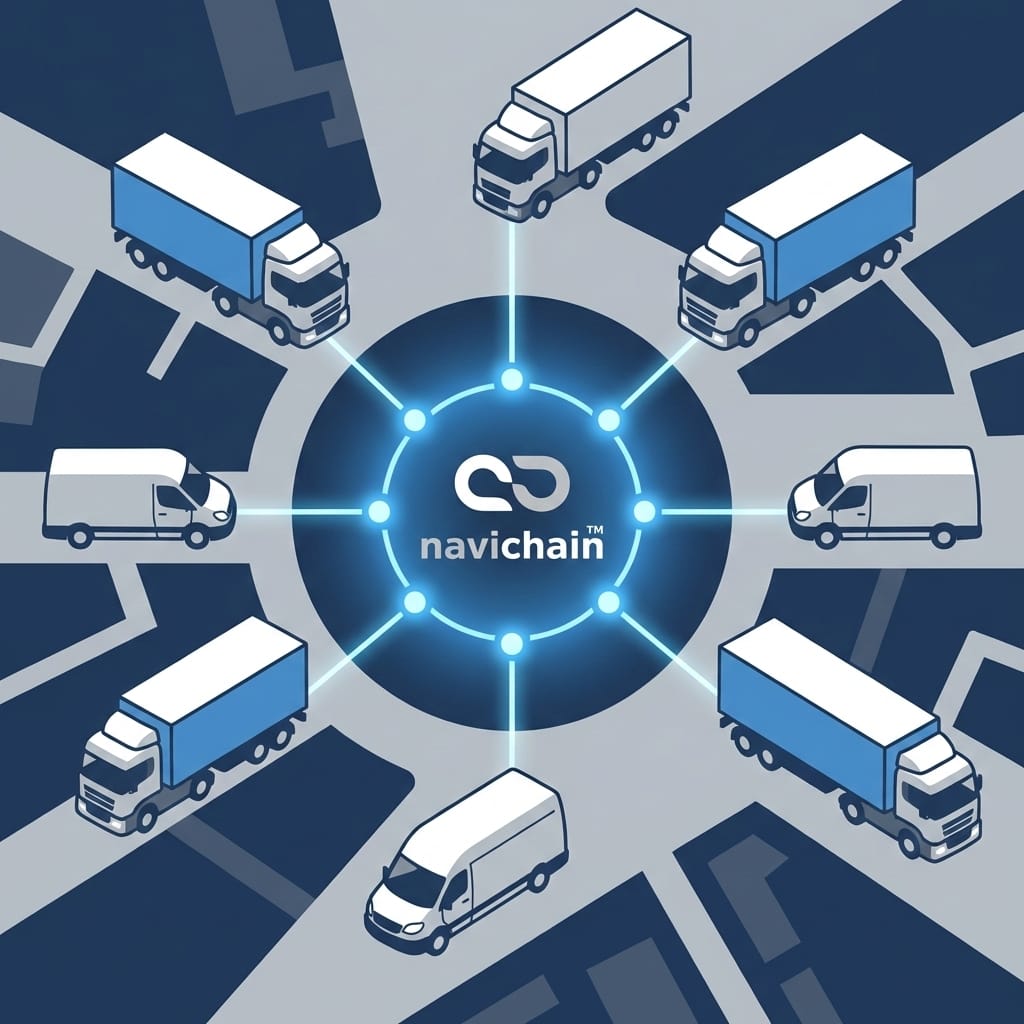
Navichain provides a centralized, transparent view of your entire logistics network, enabling enhanced compliance and data sovereignty.
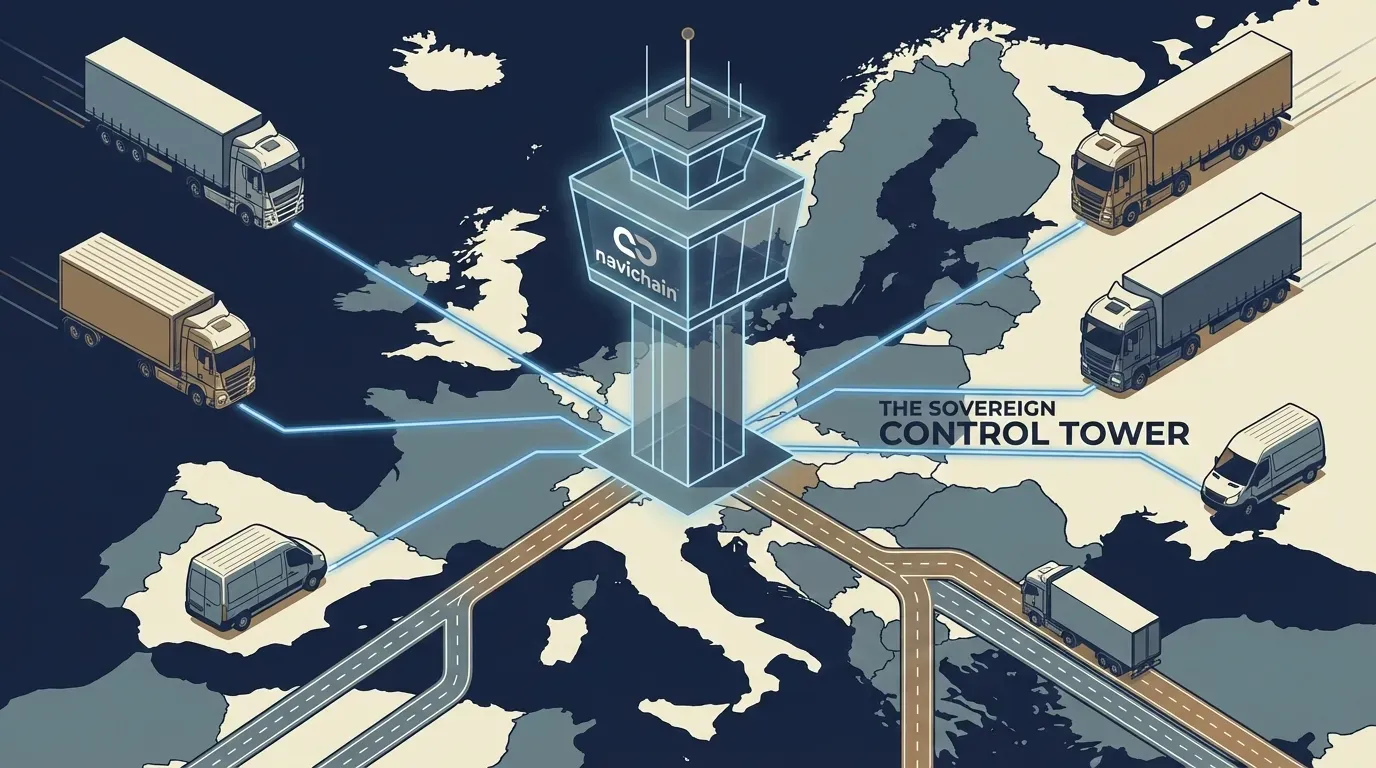
Navichain's control tower provides real-time visibility and management across the entire supply chain.
Ready to optimise your supply chain?
navichain Insights Newsletter
Join the newsletter to receive the latest updates in your inbox.