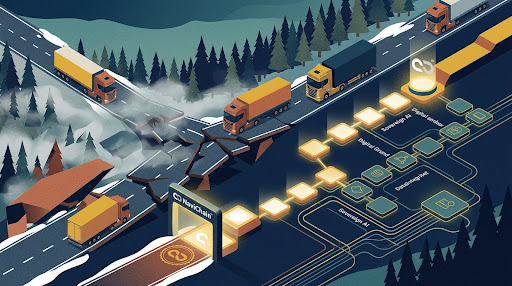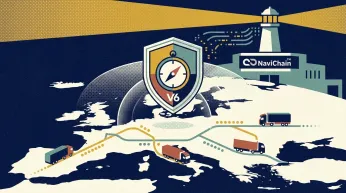
The Shift to Self-Orchestration: How Beneficial Cargo Owners Can Bypass the Middleman Without Breaking the Chain
Table of Contents

The Shift to Self-Orchestration: How Beneficial Cargo Owners Can Bypass the Middleman Without
Fragmented visibility creates costly inefficiencies for beneficial cargo owners.
Executive summary
The global supply chain is undergoing a seismic shift. Traditional brokerage models, once the backbone of cargo movement, are increasingly proving to be bottlenecks, hindering agility, transparency, and cost-effectiveness for Business Cargo Owners (Beneficial Cargo Owners). This deep dive explores the limitations of these legacy systems and presents a compelling case for self-orchestration – a strategic approach that empowers Beneficial Cargo Owners to directly manage their logistics operations, leveraging technology to bypass the middleman and optimize their entire supply chain. We will examine the challenges, analyze industry trends, and introduce Navichain, a unified operating system powered by AI, as a key enabler of this transformative shift, ultimately demonstrating how Beneficial Cargo Owners can achieve significant ROI, enhanced efficiency, and strategic resilience. Brokerage bottlenecks erode BCO agility; self-orchestration offers direct control.
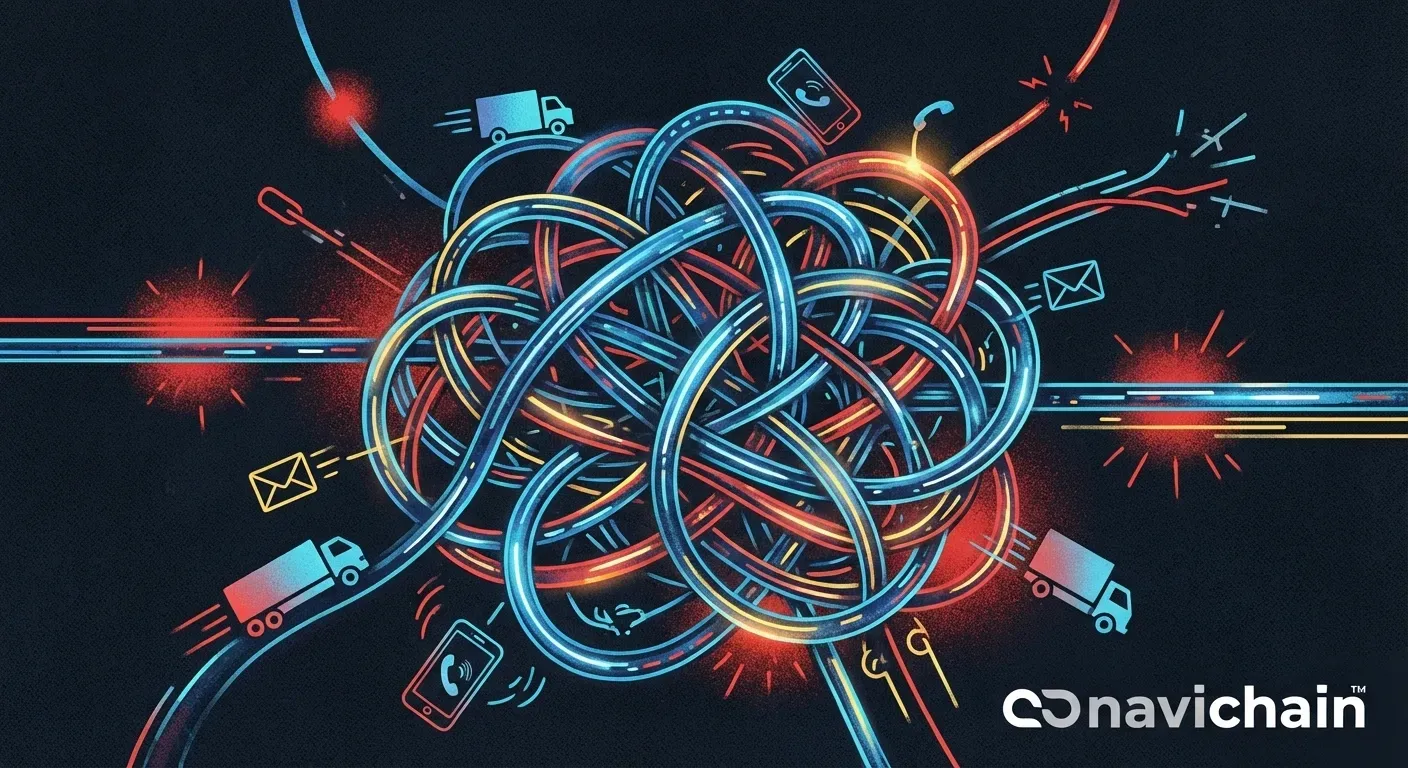
Lack of end-to-end visibility, a common problem with traditional brokerage, leaves Beneficial Cargo Owners in the dark and vulnerable to disruptions.
Introduction
For decades, the logistics industry has relied heavily on intermediaries – freight forwarders and brokers – to connect shippers with carriers. While these entities initially provided valuable services, the increasing complexity and volatility of the modern global marketplace have exposed the inherent limitations of this model. Beneficial Cargo Owners are now facing rising costs, limited visibility, and a lack of control over their supply chains, hindering their ability to compete effectively and adapt to rapidly changing market conditions. This report examines the imperative for Beneficial Cargo Owners to embrace self-orchestration, a paradigm shift that empowers them to take direct control of their logistics operations, optimize their supply chains, and achieve a competitive advantage in today's dynamic global economy. We will delve into the challenges of traditional brokerage, explore the enabling technologies, and demonstrate the tangible benefits of adopting a self-orchestrated approach. Fragmented intermediaries create supply chain opacity and inflated costs for BCOs.
Section 1: The challenge: the hidden costs of traditional brokerage
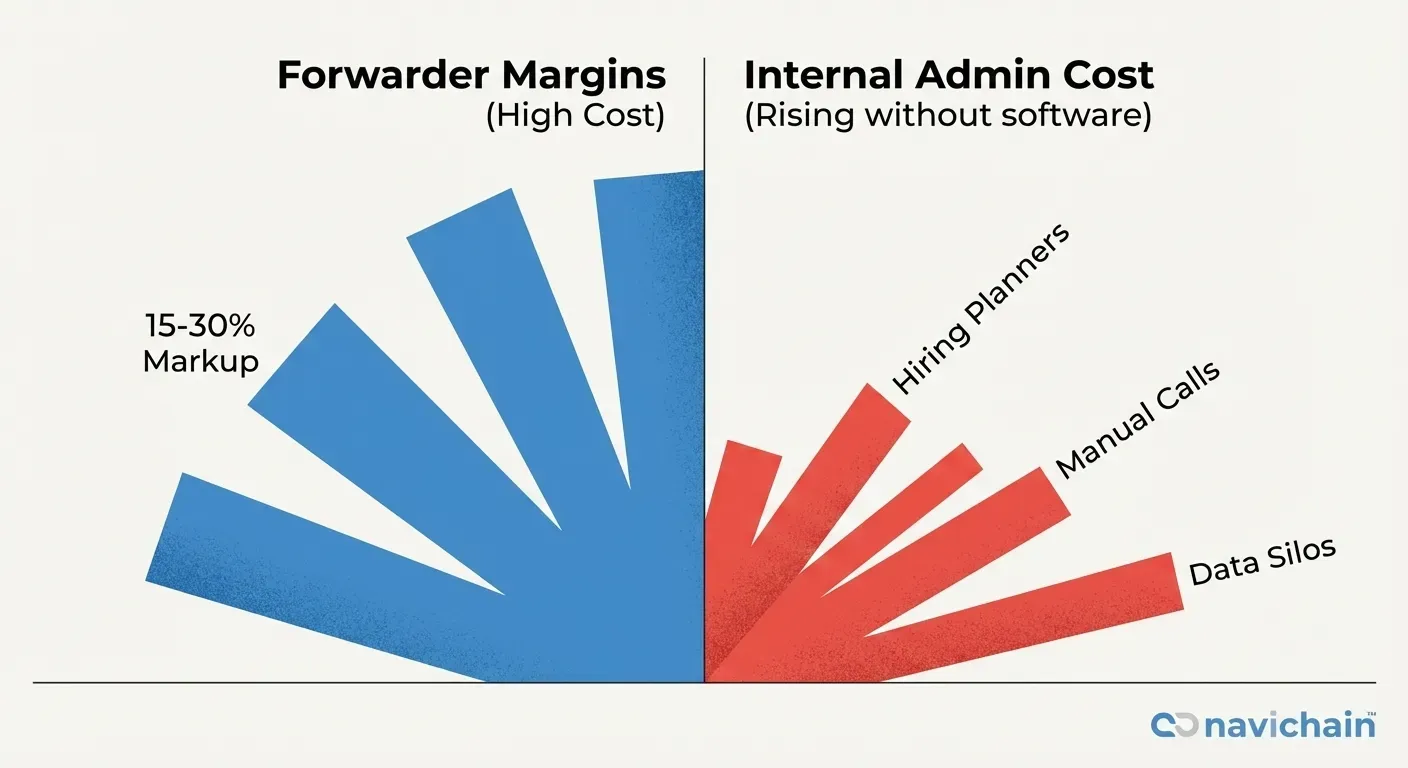
The traditional brokerage model, while seemingly offering convenience, often masks a multitude of hidden costs and inefficiencies that significantly impact Beneficial Cargo Owners' bottom lines. These challenges can be broadly categorized as: * Lack of Transparency: One of the most significant drawbacks of relying on brokers is the lack of transparency in pricing and operations. Beneficial Cargo Owners often have limited visibility into the actual costs of transportation, making it difficult to identify and eliminate inefficiencies. Brokers may mark up rates, add hidden fees, or prioritize their own profits over the Beneficial Cargo Owner's best interests. This opacity hinders effective cost management and makes it challenging to optimize logistics spending. The lack of real-time tracking and data also contributes to this lack of transparency, making it difficult to monitor shipments and proactively address potential disruptions.
- Limited Control: Beneficial Cargo Owners relinquish a significant degree of control over their supply chains when relying on brokers. They are often at the mercy of the broker's network of carriers and may have limited influence over routing decisions, transit times, and service levels. This lack of control can lead to delays, damage, and other disruptions that negatively impact customer satisfaction and brand reputation. Furthermore, Beneficial Cargo Owners may struggle to enforce specific requirements or standards, such as sustainability initiatives or security protocols, when relying on third-party intermediaries.
- Inefficiency and Delays: The traditional brokerage model often involves multiple layers of communication and manual processes, leading to inefficiencies and delays. Information may be fragmented across different systems, requiring manual data entry and reconciliation. This can result in errors, delays in booking shipments, and difficulties in tracking cargo. The lack of real-time visibility also makes it challenging to proactively manage potential disruptions, leading to reactive problem-solving and increased costs.
- Increased Costs: While brokers may initially appear to offer competitive rates, the hidden costs and inefficiencies associated with the traditional model can quickly erode any potential savings. These costs can include markups, hidden fees, accessorial charges, and penalties for delays or errors. Furthermore, the lack of transparency makes it difficult for Beneficial Cargo Owners to negotiate favorable rates or identify opportunities for cost optimization. The reliance on manual processes also contributes to increased administrative costs and overhead.
- Lack of Agility: In today's rapidly changing market conditions, agility is crucial for success. However, the traditional brokerage model can hinder a Beneficial Cargo Owner's ability to quickly adapt to changing demand patterns, market fluctuations, or unforeseen disruptions. The reliance on intermediaries can slow down decision-making processes and make it difficult to quickly adjust shipping schedules or reroute cargo. This lack of agility can lead to lost sales, missed opportunities, and a competitive disadvantage. The Cost of Inaction: Failing to address these challenges can have significant consequences for Beneficial Cargo Owners. These include:
- Reduced Profit Margins: Increased logistics costs directly impact profit margins, reducing the competitiveness of products and services.
- Decreased Customer Satisfaction: Delays, damage, and poor service levels can negatively impact customer satisfaction and loyalty.
- Loss of Market Share: Inability to adapt to changing market conditions can lead to lost sales and a decline in market share.
- Increased Risk: Lack of visibility and control over the supply chain increases the risk of disruptions, delays, and security breaches.
- Missed Opportunities: Failure to optimize logistics operations can result in missed opportunities for cost savings, efficiency gains, and improved customer service.
Chart illustrating the impact of hidden brokerage costs on BCO profitability, highlighting the need for improved visibility.
Section 2: The context/data: industry trends and the rise of self-orchestration
Several key industry trends are driving the shift towards self-orchestration: * Globalization and Increased Supply Chain Complexity: Global supply chains are becoming increasingly complex, with more suppliers, customers, and transportation modes involved. This complexity makes it more challenging for Beneficial Cargo Owners to manage their logistics operations effectively using traditional methods.
- E-commerce Boom and Demand for Faster Delivery: The rapid growth of e-commerce has created a surge in demand for faster and more reliable delivery services. Beneficial Cargo Owners are under pressure to optimize their supply chains to meet these demanding expectations.
- Technological Advancements: The emergence of new technologies, such as cloud computing, artificial intelligence (AI), and the Internet of Things (IoT), is enabling Beneficial Cargo Owners to automate and optimize their logistics operations in ways that were previously impossible.
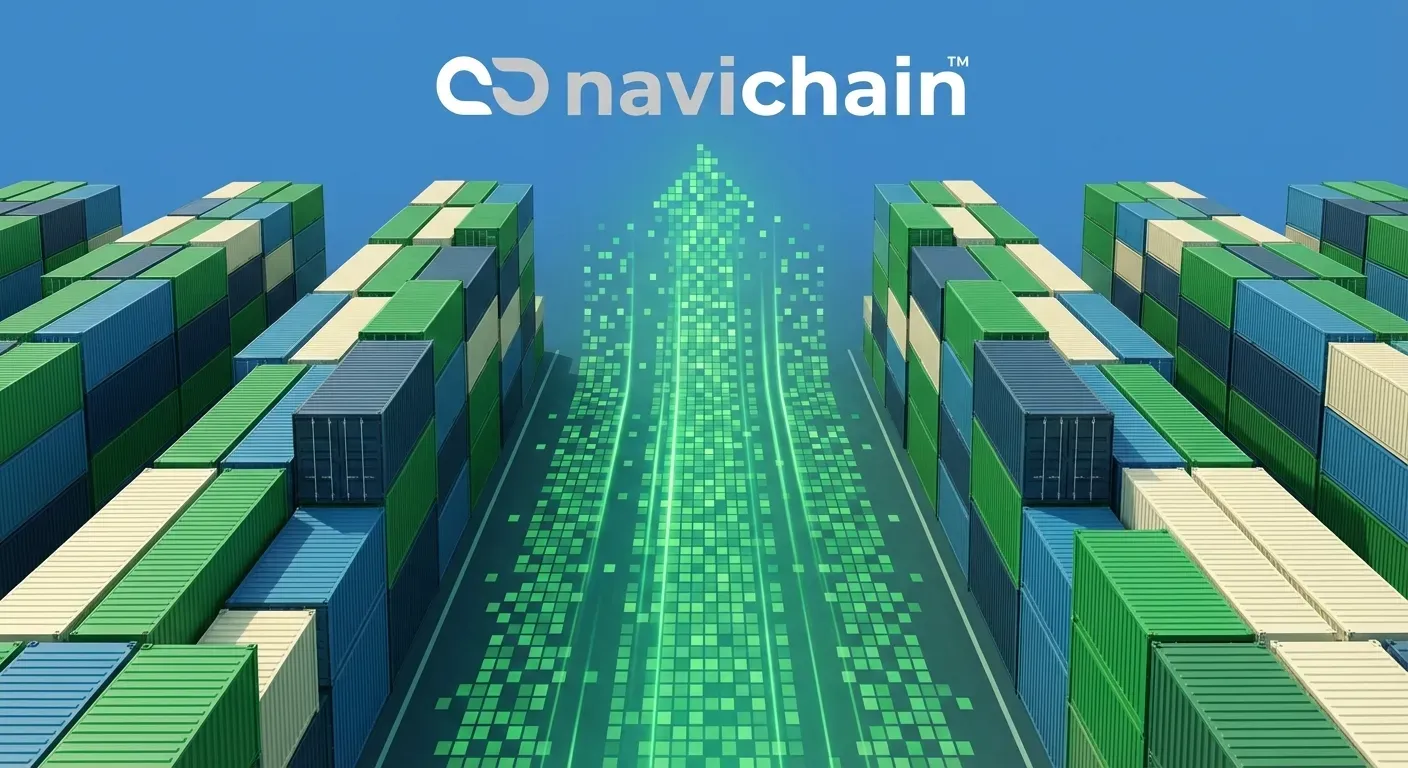
Illustrating the impact of hidden brokerage costs on BCO profitability, this chart underscores the critical need for enhanced visibility in logistics spending.
- Increased Focus on Sustainability: Beneficial Cargo Owners are increasingly under pressure to reduce their carbon footprint and improve the sustainability of their supply chains. Self-orchestration can provide greater visibility into transportation emissions and enable Beneficial Cargo Owners to make more sustainable shipping decisions.
- The Data Paradox: While the industry is awash in data, Beneficial Cargo Owners often struggle to extract meaningful insights from it. Data is often siloed across different systems and lacks the context needed to make informed decisions. Self-orchestration platforms can help Beneficial Cargo Owners to consolidate and analyze their logistics data, providing valuable insights into performance, costs, and risks.
- A recent study by Gartner found that 70% of supply chain leaders plan to invest in technologies that enable greater supply chain visibility and control.
- A survey by McKinsey & Company revealed that companies that have adopted advanced analytics in their supply chains have seen a 15% reduction in logistics costs.
- According to a report by the World Economic Forum, digitalization of supply chains could unlock $1.5 trillion in value by 2030. These trends and statistics clearly indicate that the traditional brokerage model is no longer sufficient to meet the needs of modern Beneficial Cargo Owners. The rise of self-orchestration represents a strategic response to these challenges, empowering Beneficial Cargo Owners to take control of their logistics operations and achieve a competitive advantage.
Navichain addresses escalating supply chain complexity, enabling enhanced self-orchestration.
Section 3: The strategic solution: self-orchestration methodology
Self-orchestration is a strategic approach that empowers Beneficial Cargo Owners to directly manage their logistics operations, leveraging technology to bypass the middleman and optimize their entire supply chain. This involves: * Direct Carrier Relationships: Establishing direct relationships with carriers, eliminating the need for intermediaries and enabling Beneficial Cargo Owners to negotiate favorable rates and service levels.
- Technology-Enabled Visibility: Implementing technology solutions that provide real-time visibility into the location and status of shipments, enabling Beneficial Cargo Owners to proactively manage potential disruptions.
Schematic illustrating the shift from a traditional brokerage model to a BCO self-orchestration methodology.
- Data-Driven Decision Making: Leveraging data analytics to identify inefficiencies, optimize routes, and improve overall logistics performance.
- Automation of Key Processes: Automating repetitive tasks, such as booking shipments, tracking cargo, and managing invoices, to improve efficiency and reduce errors.
- Collaboration and Communication: Fostering collaboration and communication among all stakeholders in the supply chain, including suppliers, carriers, and customers. The theoretical foundation of self-orchestration lies in the principles of control theory and network optimization. Control theory emphasizes the importance of feedback loops and real-time data in managing complex systems. By providing Beneficial Cargo Owners with greater visibility into their supply chains and enabling them to respond quickly to changing conditions, self-orchestration allows them to exert greater control over their logistics operations. Network optimization focuses on finding the most efficient and cost-effective ways to move goods from origin to destination. By leveraging data analytics and automation, self-orchestration enables Beneficial Cargo Owners to optimize their transportation networks and reduce logistics costs.
- Assess Current State: Conduct a thorough assessment of the current logistics operations, identifying pain points, inefficiencies, and areas for improvement.
- Define Objectives: Clearly define the objectives of the self-orchestration initiative, such as reducing costs, improving visibility, or enhancing customer service.
- Select Technology Solutions: Choose technology solutions that align with the defined objectives and provide the necessary functionality, such as transportation management systems (TMS), visibility platforms, and data analytics tools.
- Establish Direct Carrier Relationships: Identify and establish direct relationships with key carriers, negotiating favorable rates and service levels.
- Implement and Integrate Systems: Implement and integrate the selected technology solutions, ensuring seamless data flow and communication across the supply chain.
- Train and Empower Employees: Train employees on the new systems and processes, empowering them to make data-driven decisions and proactively manage logistics operations.
- Monitor and Optimize Performance: Continuously monitor and optimize performance, using data analytics to identify areas for improvement and refine the self-orchestration strategy.
Section 4: The tech enabler (Navichain): a unified OS for self-orchestration
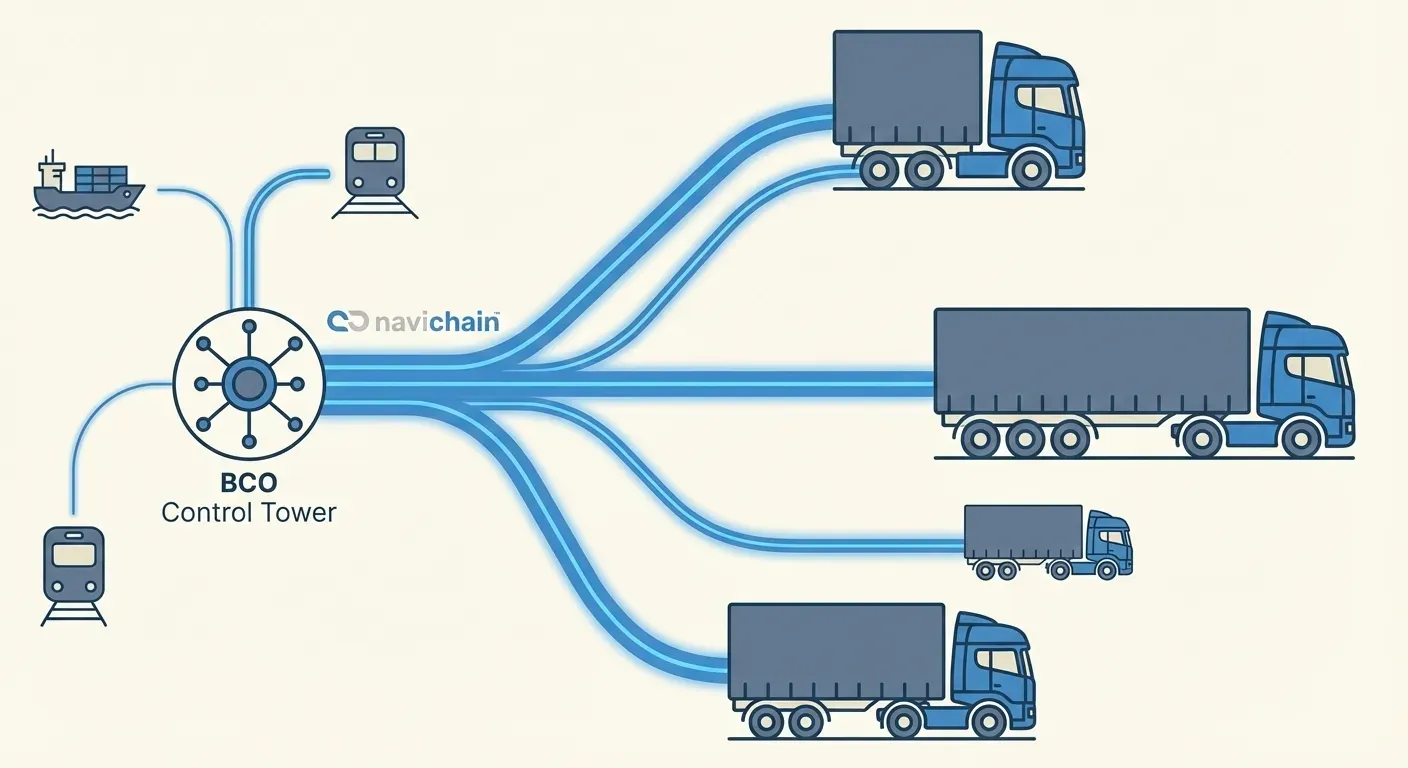
Navichain is a powerful technology platform that enables Beneficial Cargo Owners to seamlessly implement self-orchestration and unlock the full potential of their supply chains. The Navichain SaaS platform provides a comprehensive suite of tools and capabilities, including: * Unified OS: Navichain acts as a Unified OS for the entire supply chain, integrating data from various sources, such as TMS, ERP, and carrier systems, into a single, centralized platform. This provides Beneficial Cargo Owners with a holistic view of their logistics operations and enables them to make informed decisions based on real-time data.
- AI-Driven Optimization: Navichain leverages AI-driven algorithms to optimize routes, predict potential disruptions, and identify opportunities for cost savings. The platform can automatically adjust shipping schedules, reroute cargo, and negotiate rates with carriers, ensuring that Beneficial Cargo Owners are always getting the best possible value.
- Real-Time Visibility: Navichain provides real-time visibility into the location and status of shipments, enabling Beneficial Cargo Owners to proactively manage potential disruptions and keep customers informed. The platform uses IoT sensors and GPS tracking to provide accurate and up-to-date information on cargo movement.
- Automated Workflows: Navichain automates key logistics processes, such as booking shipments, tracking cargo, and managing invoices, freeing up employees to focus on more strategic tasks. The platform can automatically generate shipping documents, send notifications to stakeholders, and reconcile invoices, reducing errors and improving efficiency.
- Collaboration and Communication: Navichain facilitates collaboration and communication among all stakeholders in the supply chain, providing a centralized platform for sharing information and resolving issues. The platform allows Beneficial Cargo Owners to communicate directly with carriers, suppliers, and customers, ensuring that everyone is on the same page.
Schematic illustrating Navichain's Unified OS, showcasing data integration and AI-driven optimization across the supply chain.
- Transparency: Navichain provides complete transparency into pricing and operations, enabling Beneficial Cargo Owners to see exactly how much they are paying for transportation and identify opportunities for cost savings.
- Control: Navichain empowers Beneficial Cargo Owners to take direct control of their supply chains, allowing them to make their own routing decisions, negotiate rates with carriers, and enforce specific requirements.
- Efficiency: Navichain automates key logistics processes, reducing manual effort and improving efficiency.
Navichain empowers BCOs to optimize their supply chains, leading to increased efficiency and reduced costs, as visualized above.
- Cost Reduction: Navichain optimizes routes, negotiates rates, and reduces errors, resulting in significant cost savings.
- Agility: Navichain enables Beneficial Cargo Owners to quickly adapt to changing market conditions, allowing them to adjust shipping schedules, reroute cargo, and respond to unforeseen disruptions.
Section 5: Business outcomes: ROI, efficiency gains, and strategic resilience
By implementing self-orchestration with Navichain, Beneficial Cargo Owners can achieve significant business outcomes, including: * Increased ROI: Reduced logistics costs, improved efficiency, and enhanced customer service translate into increased ROI. Beneficial Cargo Owners can expect to see a significant return on their investment in Navichain within a short period of time.
- Efficiency Gains: Automation of key processes, real-time visibility, and data-driven decision making lead to significant efficiency gains. Beneficial Cargo Owners can expect to see a reduction in manual effort, improved accuracy, and faster turnaround times.
- Strategic Resilience: Self-orchestration provides Beneficial Cargo Owners with greater control over their supply chains, making them more resilient to disruptions and market fluctuations. Beneficial Cargo Owners can quickly adapt to changing conditions, minimize the impact of disruptions, and maintain a competitive advantage.
- Improved Customer Satisfaction: Faster delivery times, improved communication, and enhanced visibility lead to improved customer satisfaction. Beneficial Cargo Owners can expect to see increased customer loyalty and repeat business.
- Enhanced Sustainability: Greater visibility into transportation emissions enables Beneficial Cargo Owners to make more sustainable shipping decisions and reduce their carbon footprint.
Conclusion
The shift to self-orchestration is not just a trend; it's a fundamental transformation in how Beneficial Cargo Owners manage their supply chains. By embracing this strategic approach and leveraging technology solutions like Navichain, Beneficial Cargo Owners can bypass the limitations of traditional brokerage models, unlock significant cost savings, improve efficiency, and build resilient, future-proofed logistics networks. The time to reclaim control of your supply chain is now. Embrace self-orchestration and unlock the full potential of your business.
Self-orchestration empowers BCOs to optimize logistics, leading to increased efficiency and a competitive edge.
References
- European Union. (2020). Regulation (EU) 2020/1056 on electronic freight transport information. (eFTI Regulation). https://eur-lex.europa.eu/eli/reg/2020/1056/oj
- International Road Transport Union (IRU). (2023). The Future of Road Transport: Challenges and Opportunities. https://www.iru.org/resources/road-transport-industry/future-road-transport-challenges-and-opportunities
- McKinsey & Company. (2023). The next horizon in supply-chain management. https://www.mckinsey.com/capabilities/operations/our-insights/the-next-horizon-in-supply-chain-management
- Gartner. (2023). Supply Chain Technology: Key Trends and Predictions. https://www.gartner.com/en/information-technology/insights/supply-chain-technology
Navichain's platform facilitates real-time visibility and secure data sharing across the entire supply chain, streamlining operations and enhancing collaboration.
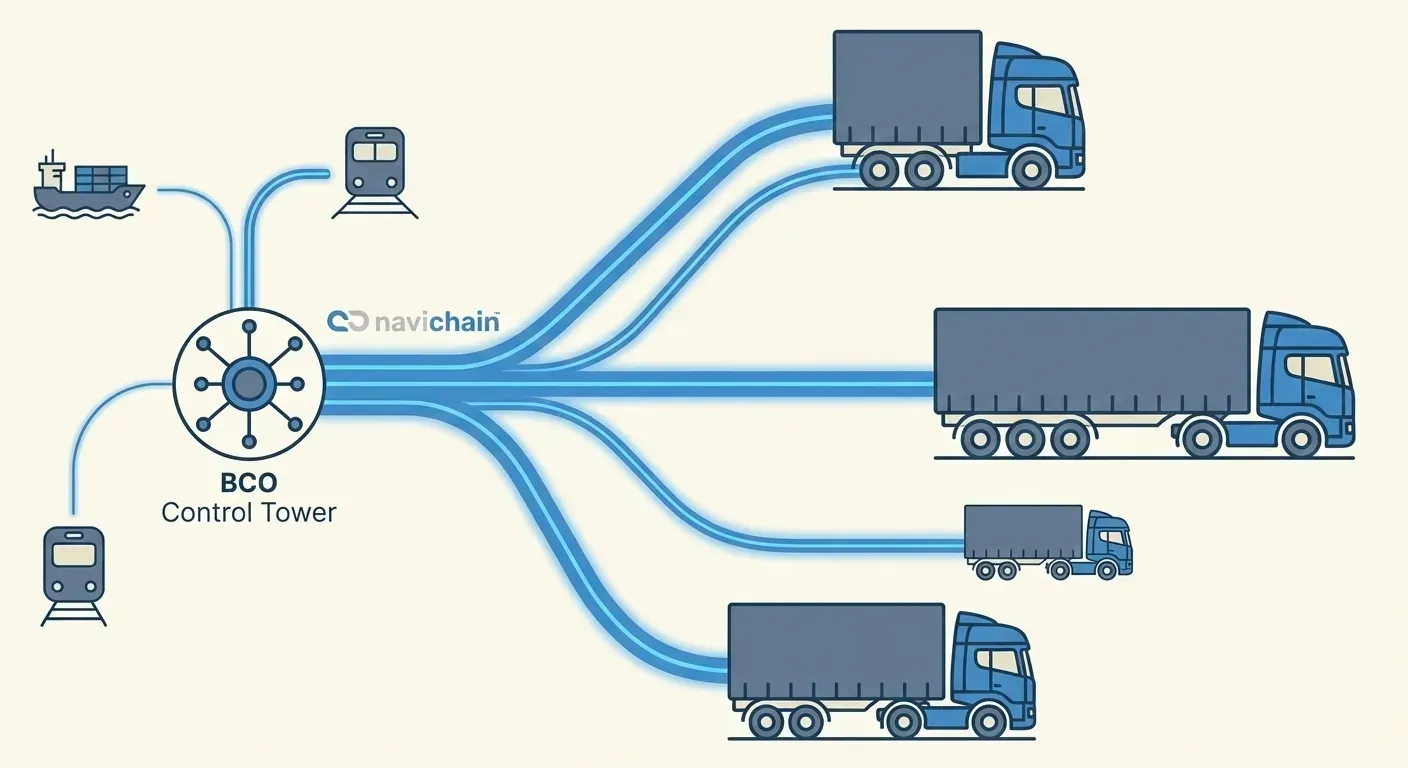
Navichain's platform offers end-to-end supply chain visibility and secure data exchange, promoting streamlined operations and improved collaboration, as highlighted by recent trends in supply chain technology and regulatory initiatives.
Ready to optimise your supply chain?
navichain Insights Newsletter
Join the newsletter to receive the latest updates in your inbox.