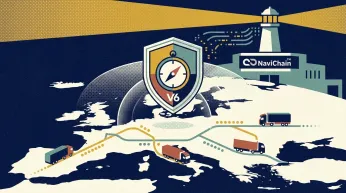
The Orchestration Imperative: Why European Beneficial Cargo Owners are Reclaiming the Supply Chain
Table of Contents

European Beneficial Cargo Owners are facing unprecedented challenges in today's volatile supply chain landscape. Discover how a proactive, orchestrated approach, enabled by technology and unified platforms, is essential for reclaiming control and mitigating risks. This white paper explores how European BCOs can leverage AI-driven solutions to achieve end-to-end visibility and real-time decision-making.
The Orchestration Imperative: Why European Beneficial Cargo Owners are Reclaiming the Supply
Fragmented visibility creates supply chain blind spots for European BCOs.
Executive summary
European Beneficial Cargo Owners (Beneficial Cargo Owners) are grappling with a volatile landscape characterized by rising costs, persistent disruptions, and increasing complexity. Traditional supply chain management approaches are proving inadequate, leaving Beneficial Cargo Owners vulnerable to inefficiencies, delays, and competitive disadvantages. This report argues that a paradigm shift is necessary, moving from reactive management to proactive orchestration. The solution lies in embracing a unified, technology-driven approach that provides end-to-end visibility, real-time decision-making capabilities, and collaborative tools. Navichain, with its AI-driven SaaS platform and Unified OS, offers a compelling solution for Beneficial Cargo Owners seeking to reclaim control, optimize performance, and build resilient supply chains in the face of ongoing uncertainty. By leveraging Navichain, Beneficial Cargo Owners can achieve significant ROI, enhance operational efficiency, and gain a strategic advantage in the global marketplace. Volatile costs and disruptions demand proactive orchestration, not reactive management.

Siloed communication and disconnected systems hinder European BCOs' ability to proactively manage supply chain disruptions.
Introduction
The global supply chain, once a predictable and relatively stable network, has been fundamentally reshaped by a confluence of factors. Geopolitical instability, economic fluctuations, and the lingering effects of the COVID-19 pandemic have created a climate of unprecedented volatility. For European Beneficial Cargo Owners (Beneficial Cargo Owners), these challenges translate into increased costs, longer lead times, and a heightened risk of disruption. Simply reacting to these challenges is no longer sufficient. Beneficial Cargo Owners must proactively orchestrate their supply chains to navigate the complexities of the modern world and maintain a competitive edge. This report delves into the specific challenges facing European Beneficial Cargo Owners, explores the strategic imperative of supply chain orchestration, and examines how technology, particularly the Navichain platform, can empower Beneficial Cargo Owners to reclaim control and build resilient, efficient, and agile supply chains. Volatile forces reshaping global supply chains demand proactive BCO strategies.
Section 1: The challenge: navigating the storm of supply chain disruption
European Beneficial Cargo Owners are facing a perfect storm of challenges that are straining their supply chains and impacting their bottom lines. These challenges can be broadly categorized into the following areas: * Rising Costs: Inflation, fluctuating fuel prices, and increased labor costs are all contributing to a significant increase in transportation and logistics expenses. The cost of shipping containers, for example, has seen dramatic swings, making budgeting and forecasting extremely difficult. Furthermore, tariffs and trade barriers add another layer of complexity and cost.
- Persistent Disruptions: Geopolitical events, such as the war in Ukraine, have created significant disruptions to trade routes and supply chains. Port congestion, labor shortages, and natural disasters further exacerbate these challenges, leading to delays, bottlenecks, and increased uncertainty. The Suez Canal blockage in 2021 serves as a stark reminder of the fragility of global supply chains.
- Increased Complexity: Global supply chains are becoming increasingly complex, with multiple tiers of suppliers, intricate transportation networks, and diverse regulatory requirements. Managing this complexity requires sophisticated tools and processes that many Beneficial Cargo Owners lack. The rise of e-commerce and the demand for faster delivery times have further amplified this complexity.
- Lack of Visibility: Many Beneficial Cargo Owners lack end-to-end visibility into their supply chains, making it difficult to identify and address potential problems before they escalate. This lack of visibility can lead to delays, errors, and increased costs. Without real-time tracking and monitoring, Beneficial Cargo Owners are essentially operating in the dark.
- Inefficient Communication and Collaboration: Poor communication and collaboration between different stakeholders in the supply chain can lead to misunderstandings, delays, and errors. Siloed systems and a lack of standardized processes further hinder effective collaboration. This lack of coordination can result in significant inefficiencies and increased costs. The consequences of failing to address these challenges are significant. Beneficial Cargo Owners that continue to rely on outdated approaches risk:
- Reduced Profitability: Increased costs and inefficiencies can erode profit margins, making it difficult to compete in the global marketplace.
- Loss of Market Share: Delays and disruptions can lead to customer dissatisfaction and loss of market share to competitors who are better able to meet customer demands.
- Damage to Reputation: Supply chain failures can damage a company's reputation and erode customer trust.
- Increased Risk: A lack of visibility and control can increase the risk of theft, damage, and other supply chain security threats.
- Inability to Adapt: Beneficial Cargo Owners that are unable to adapt to changing market conditions will be at a significant disadvantage. In short, inaction is not an option. European Beneficial Cargo Owners must proactively address these challenges to survive and thrive in the modern global economy.
Supply chain costs fluctuate wildly, creating budget and forecasting nightmares for BCOs.
Section 2: The context/data: decoding the supply chain paradox
The current state of global supply chains presents a complex and often paradoxical picture. While technology has advanced significantly, enabling greater connectivity and data collection, many Beneficial Cargo Owners are still struggling to achieve true supply chain visibility and control. This paradox can be attributed to several factors: * Data Overload vs. Actionable Insights: Beneficial Cargo Owners are often drowning in data, but lack the tools and expertise to extract meaningful insights and translate them into actionable strategies. The sheer volume of data can be overwhelming, making it difficult to identify critical trends and patterns.
Data overload often prevents BCOs from translating information into actionable strategies, hindering effective supply chain management.
- Siloed Systems and Lack of Integration: Many Beneficial Cargo Owners rely on disparate systems that are not integrated, creating information silos and hindering effective communication and collaboration. This lack of integration prevents a holistic view of the supply chain and makes it difficult to identify and address potential problems.
- Resistance to Change: Implementing new technologies and processes can be challenging, particularly in organizations with deeply ingrained habits and a resistance to change. Overcoming this resistance requires strong leadership, effective communication, and a clear understanding of the benefits of change.
- Talent Gap: There is a shortage of skilled professionals with the expertise to manage complex supply chains and leverage advanced technologies. This talent gap makes it difficult for Beneficial Cargo Owners to implement and maintain effective supply chain management strategies.
- Increased Adoption of Digital Technologies: According to a recent report by Gartner, 75% of supply chain leaders plan to invest in digital technologies in the next two years. This reflects a growing recognition of the importance of technology in improving supply chain performance.

Digital technology investments are projected to increase significantly among supply chain leaders in the near future, reflecting a commitment to improved performance.
- Growing Focus on Sustainability: Beneficial Cargo Owners are increasingly under pressure to reduce their environmental impact and improve the sustainability of their supply chains. This is driven by consumer demand, regulatory requirements, and a growing awareness of the importance of environmental stewardship.
- Shift Towards Regionalization: In response to global disruptions, many Beneficial Cargo Owners are exploring regionalization strategies to reduce their reliance on long-distance supply chains. This involves sourcing materials and manufacturing products closer to their end markets.
- The Rise of Supply Chain as a Service (SCaaS): SCaaS is gaining traction as a way for Beneficial Cargo Owners to access advanced supply chain capabilities without having to invest in expensive infrastructure and expertise. This model allows Beneficial Cargo Owners to focus on their core competencies while leveraging the expertise of specialized service providers.
- The Importance of Resilience: A recent study by McKinsey found that companies with resilient supply chains outperformed their peers during the COVID-19 pandemic. This highlights the importance of building resilient supply chains that can withstand disruptions and adapt to changing market conditions. These trends and statistics underscore the need for Beneficial Cargo Owners to embrace a more proactive and strategic approach to supply chain management. Technology, sustainability, and resilience are key themes that will shape the future of supply chains.
Data overload obscures actionable insights, hindering true supply chain visibility for BCOs.
Section 3: The strategic solution: orchestrating for resilience and efficiency
The solution to the challenges facing European Beneficial Cargo Owners lies in embracing a strategic approach to supply chain orchestration. This involves moving beyond reactive management to proactive planning, execution, and optimization. Key elements of this approach include: * End-to-End Visibility: Gaining real-time visibility into all aspects of the supply chain, from raw materials to finished goods, is essential for identifying and addressing potential problems before they escalate. This requires implementing robust tracking and monitoring systems and integrating data from different sources.
- Data-Driven Decision Making: Leveraging data analytics to identify trends, predict potential disruptions, and optimize supply chain performance. This involves using advanced analytics tools to extract meaningful insights from data and translate them into actionable strategies.
- Collaboration and Communication: Fostering seamless communication and collaboration between all stakeholders in the supply chain, including suppliers, manufacturers, distributors, and customers. This requires implementing standardized processes and communication protocols and leveraging collaborative technologies.
- Agility and Flexibility: Building agile and flexible supply chains that can quickly adapt to changing market conditions and unexpected disruptions. This involves diversifying sourcing options, building buffer stocks, and implementing flexible manufacturing processes.
- Risk Management: Proactively identifying and mitigating potential risks to the supply chain, such as natural disasters, geopolitical instability, and cyberattacks. This requires conducting thorough risk assessments and developing contingency plans.
Schematic illustrating the interconnectedness of key elements in a modern, orchestrated supply chain.
- Sustainability: Integrating sustainability considerations into all aspects of the supply chain, from sourcing materials to transportation and distribution. This involves reducing carbon emissions, minimizing waste, and promoting ethical labor practices. The strategic solution can be framed within the context of several established supply chain management theories:
- Theory of Constraints (TOC): Identifying and addressing the most significant constraint in the supply chain to improve overall performance.
- Lean Manufacturing: Eliminating waste and improving efficiency throughout the supply chain.
- Agile Supply Chain: Building a supply chain that can quickly adapt to changing customer demands and market conditions.
- Resilient Supply Chain: Designing a supply chain that can withstand disruptions and recover quickly. By applying these theoretical frameworks and implementing the key elements outlined above, Beneficial Cargo Owners can transform their supply chains from reactive and vulnerable networks into proactive, resilient, and efficient engines of growth.
Section 4: The tech enabler (Navichain): reclaiming control with a unified OS
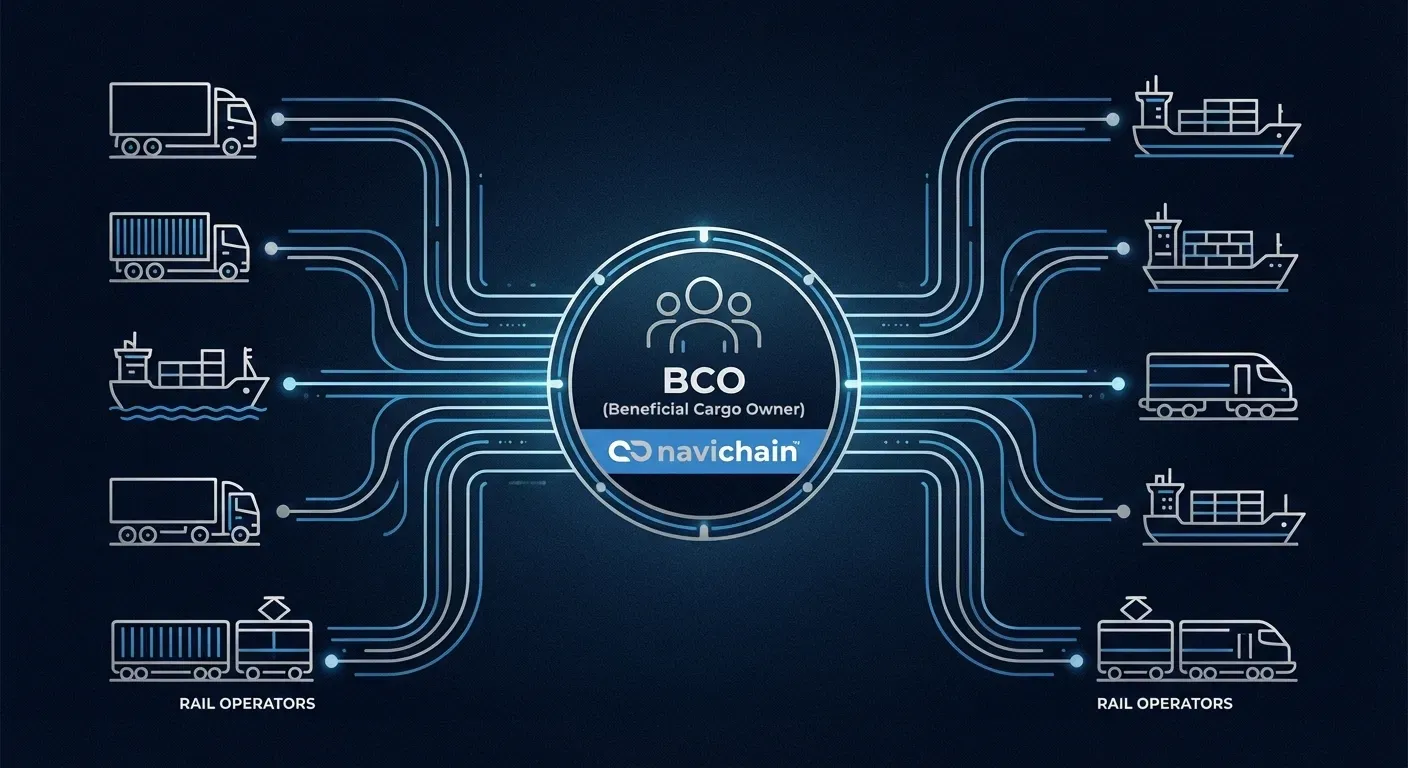
Navichain offers a comprehensive solution for European Beneficial Cargo Owners seeking to reclaim control of their supply chains and achieve significant improvements in performance. The Navichain SaaS platform provides a unified operating system (OS) that integrates all aspects of the supply chain, from planning and execution to monitoring and optimization.
- Unified OS: Navichain's Unified OS provides a single source of truth for all supply chain data, eliminating information silos and enabling seamless communication and collaboration. This allows Beneficial Cargo Owners to gain a holistic view of their supply chain and make more informed decisions.
- AI-Driven Optimization: Navichain leverages AI and machine learning to optimize various aspects of the supply chain, such as demand forecasting, inventory management, and transportation planning. This helps Beneficial Cargo Owners reduce costs, improve efficiency, and minimize disruptions.
- Real-Time Visibility: Navichain provides real-time visibility into the location and status of goods throughout the supply chain, enabling Beneficial Cargo Owners to track shipments, monitor inventory levels, and identify potential problems before they escalate.
- Predictive Analytics: Navichain uses predictive analytics to identify potential risks and disruptions to the supply chain, allowing Beneficial Cargo Owners to proactively mitigate these risks and minimize their impact.
Schematic illustrating Navichain's Unified OS connecting key supply chain functions for enhanced visibility and optimization. This integration provides a single source of truth for European Beneficial Cargo Owners.
- Automated Processes: Navichain automates many manual and repetitive tasks, such as order processing, invoice reconciliation, and customs clearance, freeing up staff to focus on more strategic activities.
- Collaborative Platform: Navichain provides a collaborative platform that enables seamless communication and collaboration between all stakeholders in the supply chain, including suppliers, manufacturers, distributors, and customers.
- Customizable Solutions: Navichain offers customizable solutions that can be tailored to the specific needs of each Beneficial Cargo Owner. This allows Beneficial Cargo Owners to implement a solution that is perfectly aligned with their business requirements.
- Rising Costs: Navichain's AI-driven optimization capabilities help Beneficial Cargo Owners reduce transportation costs, optimize inventory levels, and minimize waste, leading to significant cost savings.
- Persistent Disruptions: Navichain's real-time visibility and predictive analytics capabilities enable Beneficial Cargo Owners to identify and mitigate potential disruptions before they impact their operations.
Navichain empowers Beneficial Cargo Owners to achieve optimized supply chain performance and resilience through improved visibility, collaboration, and automation.
- Increased Complexity: Navichain's Unified OS simplifies the management of complex supply chains by providing a single platform for all supply chain activities.
- Lack of Visibility: Navichain provides end-to-end visibility into the supply chain, enabling Beneficial Cargo Owners to track shipments, monitor inventory levels, and identify potential problems in real-time.
- Inefficient Communication and Collaboration: Navichain's collaborative platform facilitates seamless communication and collaboration between all stakeholders in the supply chain. By leveraging Navichain, European Beneficial Cargo Owners can overcome the challenges they face and build resilient, efficient, and agile supply chains that are well-positioned for success in the modern global economy.
Section 5: Business outcomes: realizing the ROI of orchestration
Implementing Navichain and embracing a strategic approach to supply chain orchestration can deliver significant business outcomes for European Beneficial Cargo Owners, including: * Improved ROI: By reducing costs, improving efficiency, and minimizing disruptions, Navichain can deliver a significant return on investment. Beneficial Cargo Owners can expect to see improvements in key metrics such as transportation costs, inventory holding costs, and order fulfillment rates.
- Enhanced Operational Efficiency: Navichain's automated processes and AI-driven optimization capabilities can significantly improve operational efficiency, freeing up staff to focus on more strategic activities. This can lead to increased productivity and reduced labor costs.
- Increased Revenue: By improving customer service and reducing lead times, Navichain can help Beneficial Cargo Owners attract and retain customers, leading to increased revenue.
- Reduced Risk: Navichain's real-time visibility and predictive analytics capabilities enable Beneficial Cargo Owners to proactively identify and mitigate potential risks to the supply chain, reducing the likelihood of disruptions and minimizing their impact.
- Improved Sustainability: By optimizing transportation routes, reducing waste, and promoting ethical labor practices, Navichain can help Beneficial Cargo Owners improve the sustainability of their supply chains and reduce their environmental impact.
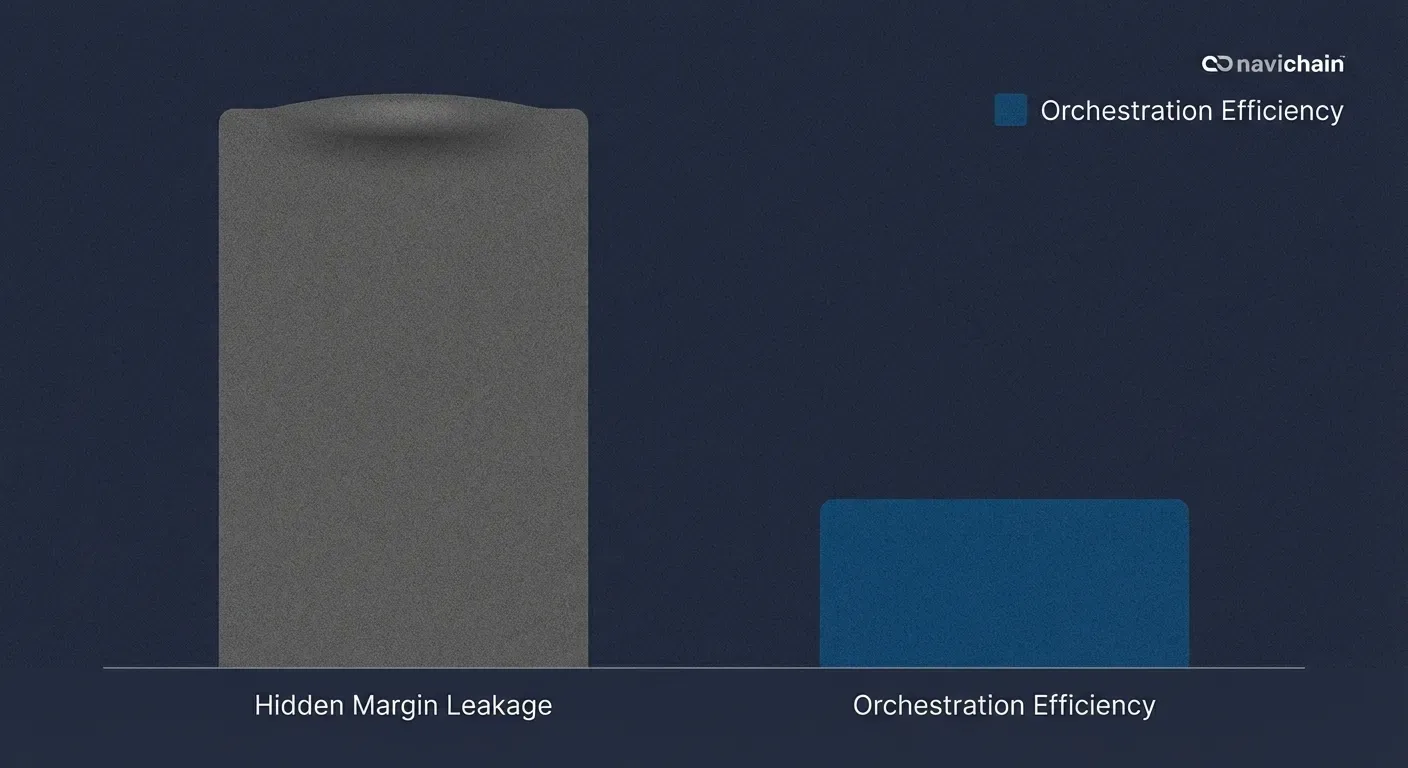
- Strategic Resilience: By building agile and flexible supply chains that can quickly adapt to changing market conditions, Navichain helps Beneficial Cargo Owners build strategic resilience and maintain a competitive edge in the face of ongoing uncertainty. While specific results will vary depending on the individual Beneficial Cargo Owner and their unique circumstances, typical outcomes include: These quantifiable benefits demonstrate the significant value that Navichain can deliver to European Beneficial Cargo Owners.
Improved supply chain visibility and control lead to tangible benefits for Beneficial Cargo Owners, including increased revenue, reduced risk, and improved sustainability.
Conclusion
The challenges facing European Beneficial Cargo Owners are significant, but they are not insurmountable. By embracing a strategic approach to supply chain orchestration and leveraging the power of technology, Beneficial Cargo Owners can reclaim control of their supply chains, improve performance, and build resilient, efficient, and agile networks that are well-positioned for success in the modern global economy. Navichain offers a comprehensive solution that empowers Beneficial Cargo Owners to achieve these goals. Its Unified OS, AI-driven optimization capabilities, and collaborative platform provide the tools and insights needed to navigate the complexities of the modern supply chain and achieve significant business outcomes. The time for reactive management is over. The time for proactive orchestration is now. Embrace the future of supply chain management with Navichain and unlock the full potential of your global operations.
References
- European Commission. (2020). Sustainable and Smart Mobility Strategy: putting European transport on track for the future. https://ec.europa.eu/transport/themes/mobilitystrategy_en
- International Road Transport Union (IRU). (2023). EU Transport Policy. https://www.iru.org/what-we-do/policy/eu
- McKinsey & Company. (2023). The next frontier in supply-chain management. https://www.mckinsey.com/capabilities/operations/our-insights/the-next-frontier-in-supply-chain-management
- Gartner. (2022). Gartner Supply Chain Top 25 for 2022. https://www.gartner.com/en/newsroom/press-releases/2022-05-19-gartner-announces-rankings-of-the-2022-supply-chain-top-25
Navichain visualizes and orchestrates complex supply chains, providing transparency and control across the entire network.
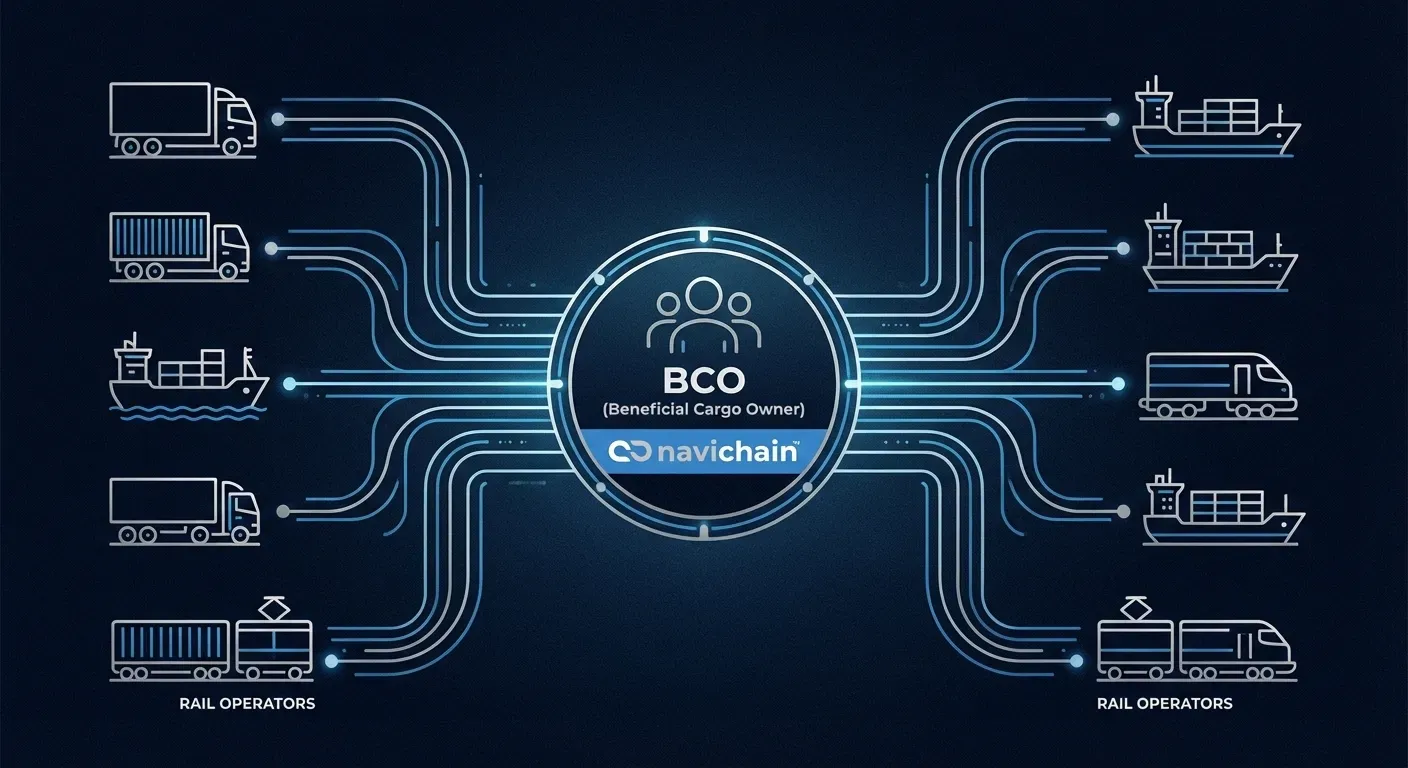
Navichain enables end-to-end supply chain visibility, facilitating proactive management and optimized decision-making across diverse stakeholders.
Ready to optimise your supply chain?
navichain Insights Newsletter
Join the newsletter to receive the latest updates in your inbox.