The New Era of Logistics Sovereignty: How European BCOs are Outperforming the 'Black Box' Model
Table of Contents

Are you ready to navigate the turbulent waters of modern global logistics? This white paper explores how European Beneficial Cargo Owners (BCOs) are seizing control of their supply chains, achieving "Logistics Sovereignty" to outperform the opaque 'black-box' model and build resilience in the face of unprecedented challenges.
The New Era of Logistics Sovereignty: How European BCOs are Outperforming the 'Black Box' Model
[BLANK]
Executive summary
Global supply chains are no longer predictable conduits of goods; they are complex, dynamic ecosystems fraught with risk and opportunity. Geopolitical instability, economic volatility, and ever-increasing customer expectations are forcing Beneficial Cargo Owners (BCOs) to fundamentally rethink their logistics strategies. This report examines the specific challenges confronting European BCOs, underscores the critical imperative for enhanced supply chain visibility and control, and demonstrates how a strategic paradigm shift towards "Logistics Sovereignty" – empowered by cutting-edge technologies like Navichain SaaS – is enabling them to outperform competitors, proactively mitigate risks, and cultivate more resilient, agile, and ultimately, more profitable operations. We delve into the prevailing industry trends, meticulously analyze the relevant data, and present a comprehensive roadmap for achieving true supply chain mastery in this volatile landscape. European BCOs: Navigating supply chain complexity demands enhanced visibility and control.

Supply chain disruptions and lack of visibility contribute to uncertainty and inefficiency for European BCOs.
Introduction
The intricate web of global supply chains forms the very backbone of the modern economy, seamlessly connecting producers, manufacturers, distributors, and consumers across vast geographical distances. For European Beneficial Cargo Owners (BCOs) – the entities that own the goods being transported – these supply chains represent both a critical lifeline and a potential point of catastrophic failure. The recent past has witnessed a series of disruptive events, ranging from the unprecedented COVID-19 pandemic to escalating geopolitical conflicts and the increasing frequency of extreme weather phenomena, all of which have exposed the inherent fragility of these interconnected networks. These disruptions have served as a stark wake-up call, highlighting the paramount need for BCOs to exert greater control over their logistics operations. The era of passively relying on opaque, fragmented systems that leave them vulnerable to crippling delays, escalating cost overruns, and irreparable reputational damage is definitively over. The future belongs to those forward-thinking BCOs who proactively embrace "Logistics Sovereignty" – the strategic capability to comprehensively manage and optimize their entire supply chain, from the initial point of origin to the final destination, with unparalleled visibility and unwavering control. This report meticulously explores the pathway to achieving this crucial sovereignty, focusing on the strategic solutions and transformative technological enablers that are fundamentally reshaping the logistics landscape. Global supply chain complexity creates vulnerability for European BCOs.
Section 1: The challenge: navigating the perfect storm of supply chain disruptions
European BCOs are currently grappling with a complex and unprecedented confluence of challenges that are fundamentally reshaping the dynamics of the logistics landscape. These challenges can be broadly categorized into the following critical areas: * Geopolitical Instability: The Shifting Sands of Global Trade: The escalating rise of protectionist policies, the intensification of trade wars, and the proliferation of regional conflicts are collectively generating an environment of profound uncertainty and disrupting previously well-established trade routes. The imposition of sanctions, the implementation of tariffs, and the sudden closure of borders can lead to significant delays, substantial cost increases, and widespread operational disruptions. The ongoing conflict in Ukraine, for example, has had a demonstrably profound and far-reaching impact on European supply chains, compelling companies to urgently seek and establish alternative sourcing and transportation routes to maintain operational continuity. This necessitates a constant re-evaluation of risk and a proactive approach to diversification.
- Economic Volatility: Riding the Rollercoaster of Market Fluctuations: Unpredictable and often dramatic fluctuations in currency exchange rates, volatile commodity prices, and rapidly shifting patterns of consumer demand are making it increasingly difficult for BCOs to accurately forecast future needs and effectively manage their inventory levels. The persistent inflationary pressures that are currently gripping the global economy are driving up transportation costs across all modes and placing significant pressure on already-thin profit margins. This requires sophisticated financial risk management strategies and agile supply chain planning capabilities.
- Increasing Customer Expectations: The Demand for Speed, Transparency, and Personalization: Today's consumers are demanding not only faster delivery times but also a greater degree of product customization and more transparent, real-time information regarding the status of their orders. BCOs must consistently meet these ever-increasing expectations to maintain a competitive edge in the marketplace, but doing so requires substantial and strategic investments in advanced technology and robust infrastructure. This necessitates a customer-centric approach to supply chain design and execution.
- Sustainability Imperatives: Embracing Environmental Responsibility: Growing awareness of the significant environmental impact of logistics operations is compelling BCOs to adopt more sustainable practices across their entire supply chain. This includes actively reducing carbon emissions, minimizing waste generation, and promoting ethical sourcing practices. Meeting these increasingly stringent sustainability goals requires a fundamental and comprehensive shift in how supply chains are designed, managed, and operated. This necessitates a commitment to environmental, social, and governance (ESG) principles.
- Labor Shortages: Bridging the Skills Gap: The logistics industry is currently facing a critical shortage of skilled workers across various roles, including truck drivers, warehouse staff, and experienced logistics managers. This widespread shortage is driving up labor costs significantly and making it increasingly difficult for BCOs to maintain optimal operational efficiency. This requires investment in automation, employee training, and innovative recruitment strategies.
- Cybersecurity Threats: Protecting the Digital Supply Chain: Supply chains are becoming increasingly vulnerable to sophisticated cyberattacks, which can disrupt operations, compromise sensitive data, and inflict significant damage on a company's reputation. BCOs must proactively invest in robust and comprehensive cybersecurity measures to protect their supply chains from these evolving and persistent threats. This necessitates a layered security approach and ongoing vigilance. The consequences of failing to proactively address these multifaceted challenges are significant and potentially devastating. BCOs that lack adequate visibility and control over their supply chains are highly likely to experience:
- Escalating Costs: Delays, disruptions, and inherent inefficiencies can lead to substantially higher transportation costs, increased storage fees, and elevated inventory holding costs.
- Diminished Profitability: Increased costs and lost sales can erode profit margins significantly and negatively impact overall financial performance.
- Erosion of Market Share: Customers who are consistently dissatisfied with delivery times or product availability may switch to competitors who offer a more reliable and responsive service.
The chart illustrates the projected impact of key challenges on BCO performance, highlighting potential cost increases and market share erosion.
- Reputational Damage: Supply chain disruptions can severely damage a company's reputation and erode customer trust, potentially leading to long-term consequences.
- Heightened Risk Exposure: A lack of visibility and control can make it exceedingly difficult to identify and effectively mitigate potential risks, such as supplier bankruptcies, natural disasters, or geopolitical instability. In short, inaction is simply not a viable option. European BCOs must proactively address these challenges with urgency and determination to not only survive but also thrive in the rapidly evolving new era of logistics.
Geopolitical instability fuels supply chain disruptions, impacting European BCO operations.

Projected impact of key challenges on BCO performance, including potential cost increases and market share erosion, are visually represented in this chart.
Section 2: The context/data: unveiling industry trends, paradoxes, and statistics
To fully grasp the urgency and magnitude of the situation, let's examine some key industry trends, persistent paradoxes, and compelling statistics that paint a clear picture of the current landscape: * The Visibility Paradox: Knowing vs. Seeing: While the vast majority of BCOs acknowledge the critical importance of achieving comprehensive supply chain visibility, a surprisingly large number still lack the necessary tools, processes, and technologies to effectively achieve it. A recent industry survey revealed that only approximately 30% of BCOs possess true end-to-end visibility into their supply chains. This stark paradox highlights the significant gap between aspiration and actual reality.
- The Complexity Conundrum: Navigating the Labyrinth: Supply chains are becoming increasingly complex, characterized by a growing number of suppliers, a wider range of transportation modes, and more intricate distribution channels. This escalating complexity makes it exceedingly difficult for BCOs to effectively manage their supply chains and maintain optimal control.
- The Data Deluge: Drowning in Information, Starving for Insight: BCOs are often overwhelmed by a massive influx of data from various sources, but they frequently lack the sophisticated tools and analytical capabilities to extract meaningful insights and actionable intelligence from it. This data deluge can be overwhelming and can actually hinder effective decision-making.
- The Sustainability Squeeze: Balancing Profit and Planet: Consumers and regulatory bodies are increasingly demanding more sustainable supply chains, but many BCOs are struggling to meet these evolving demands while maintaining profitability. The pressure to reduce carbon emissions, minimize waste generation, and promote ethical sourcing practices is intensifying rapidly.
- According to a comprehensive report by McKinsey & Company, supply chain disruptions can reduce a company's earnings before interest and taxes (EBIT) by a significant 3% to 5%.
- A study conducted by the World Economic Forum revealed that supply chain disruptions cost businesses an average of $184 million per year, highlighting the substantial financial impact of these events.
- The global supply chain management software market is projected to reach a staggering $27.9 billion by 2027, according to a detailed report by Grand View Research. This impressive growth reflects the increasing demand for advanced technology solutions that can empower BCOs to manage their supply chains more effectively and efficiently.
Schematic illustrating the interconnectedness and data flow within a modern, digitally-driven supply chain, highlighting the points where BCOs often struggle with data overload.
- A recent survey conducted by Gartner, a leading research and advisory firm, found that 70% of supply chain leaders plan to invest in artificial intelligence (AI) and machine learning (ML) technologies within the next two years. This significant investment reflects the growing recognition of the transformative potential of AI and ML to significantly improve supply chain performance across various key metrics. These compelling trends, persistent paradoxes, and revealing statistics collectively paint a clear and undeniable picture: European BCOs are operating in an exceptionally challenging and rapidly changing environment. They must adapt quickly and strategically to not only survive but also thrive in this new era of logistics.
Visibility paradox: acknowledged importance, yet tools and processes still lag behind.
Section 3: The strategic solution: embracing logistics sovereignty as a core principle
The strategic solution to the multifaceted challenges facing European BCOs lies in wholeheartedly embracing the concept of Logistics Sovereignty. This fundamentally means taking proactive control of their supply chains, achieving comprehensive end-to-end visibility, and proactively managing potential risks. Logistics Sovereignty is not simply about optimizing individual processes in isolation; it's about creating a holistic, fully integrated, and highly resilient supply chain ecosystem that can withstand disruptions and adapt to changing market conditions. The key elements of a robust Logistics Sovereignty strategy include: * End-to-End Visibility: Illuminating the Entire Supply Chain: Gaining real-time, granular visibility into the precise location and current status of goods throughout the entire supply chain, from origin to final destination. This requires implementing advanced tracking and tracing technologies, seamlessly integrating data from multiple disparate sources, and establishing clear and efficient communication channels among all stakeholders.
- Proactive Risk Management: Anticipating and Mitigating Threats: Identifying and mitigating potential risks before they have the opportunity to disrupt the supply chain. This requires developing comprehensive contingency plans, diversifying the supplier base, and investing in sophisticated risk management tools and technologies.
- Data-Driven Decision Making: Harnessing the Power of Information: Leveraging the power of data analytics to identify emerging trends, optimize existing processes, and make informed, data-driven decisions. This requires collecting and analyzing data from multiple sources, developing key performance indicators (KPIs) that accurately reflect supply chain performance, and utilizing advanced data visualization tools to gain actionable insights.
- Collaboration and Communication: Building a Strong Ecosystem: Fostering seamless collaboration and open communication among all stakeholders in the supply chain, including suppliers, carriers, distributors, and customers. This requires establishing clear communication protocols, proactively sharing relevant data, and building strong relationships based on trust and mutual benefit.
- Technology Adoption: Embracing Innovation for Competitive Advantage: Embracing and implementing new and innovative technologies that can significantly improve supply chain performance, such as cloud computing, artificial intelligence (AI), machine learning (ML), blockchain, and the Internet of Things (IoT). This requires investing in robust technology infrastructure, providing comprehensive training to employees, and fostering a culture of innovation within the organization.
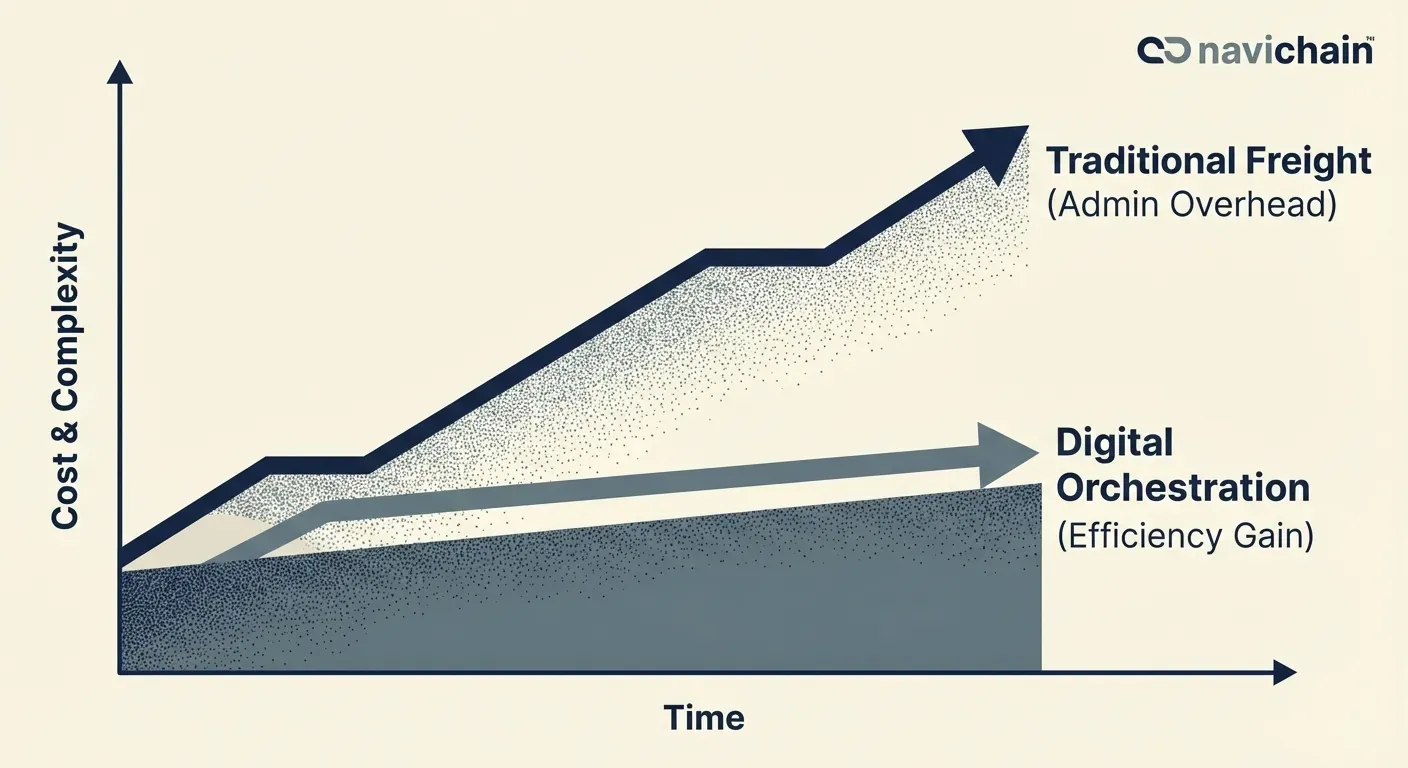
Schematic illustrating the interconnectedness of key elements within a resilient and agile supply chain network.
Section 4: The tech enabler: Navichain SaaS – your path to logistics sovereignty
Navichain SaaS is specifically designed to empower European BCOs to achieve true Logistics Sovereignty by addressing the core challenges outlined in this report. It provides a comprehensive, unified platform that enables end-to-end visibility, proactive risk management, and data-driven decision-making.
- Navichain SaaS: The Unified OS for Your Supply Chain: Navichain SaaS acts as a Unified Operating System (OS) for your entire supply chain, breaking down data silos and providing a single source of truth. This allows you to see the location and status of your goods in real-time, identify potential disruptions before they occur, and make informed decisions based on accurate data. The platform integrates seamlessly with existing systems, minimizing disruption and maximizing efficiency.
- AI-Driven Optimization: Intelligent Automation for Enhanced Performance: Navichain leverages AI-driven algorithms to optimize various aspects of your supply chain, including route planning, inventory management, and demand forecasting. This intelligent automation reduces manual effort, improves efficiency, and minimizes costs. The AI engine continuously learns from data, adapting to changing market conditions and optimizing performance over time.
Achieving logistics sovereignty through enhanced visibility and control powered by Navichain's unified platform.
- Proactive Risk Management: Identifying and Mitigating Threats Before They Impact Your Business: Navichain's risk management module uses AI to identify potential disruptions, such as weather events, port congestion, and supplier bankruptcies. It then provides proactive alerts and recommendations, allowing you to take action to mitigate the impact of these disruptions. This proactive approach minimizes downtime, reduces costs, and protects your brand reputation.
- Enhanced Collaboration: Connecting All Stakeholders in Your Supply Chain: Navichain facilitates seamless collaboration among all stakeholders in your supply chain, including suppliers, carriers, distributors, and customers. The platform provides a secure and transparent communication channel, allowing you to share data, track progress, and resolve issues quickly and efficiently. This enhanced collaboration improves communication, reduces errors, and strengthens relationships. Navichain SaaS is not just a software solution; it's a strategic enabler that empowers European BCOs to take control of their supply chains and achieve true Logistics Sovereignty.
Section 5: Business outcomes: realizing the ROI of logistics sovereignty
Embracing Logistics Sovereignty and implementing solutions like Navichain SaaS delivers significant and measurable business outcomes for European BCOs: * Increased ROI: Optimizing Costs and Maximizing Profits: By optimizing transportation routes, reducing inventory holding costs, and minimizing the impact of disruptions, Navichain SaaS helps BCOs achieve a significant return on investment. The platform's AI-driven optimization engine continuously identifies opportunities to reduce costs and improve efficiency, maximizing profitability.
- Enhanced Efficiency: Streamlining Operations and Reducing Waste: Navichain SaaS streamlines logistics operations by automating manual tasks, improving communication, and providing real-time visibility. This enhanced efficiency reduces waste, minimizes errors, and frees up resources to focus on strategic initiatives.
- Strategic Resilience: Building a Supply Chain That Can Withstand Disruptions: By proactively identifying and mitigating potential risks, Navichain SaaS helps BCOs build a more resilient supply chain that can withstand disruptions. This resilience protects your business from unexpected events, minimizes downtime, and ensures business continuity.
- Improved Customer Satisfaction: Delivering on Promises and Building Loyalty: By providing faster delivery times, greater product availability, and more transparent information, Navichain SaaS helps BCOs improve customer satisfaction. This improved customer satisfaction leads to increased loyalty, repeat business, and positive word-of-mouth referrals.
- Competitive Advantage: Outperforming the Competition in a Volatile Market: By embracing Logistics Sovereignty and implementing solutions like Navichain SaaS, European BCOs can gain a significant competitive advantage in the marketplace. This advantage allows you to outperform competitors, capture market share, and achieve sustainable growth.
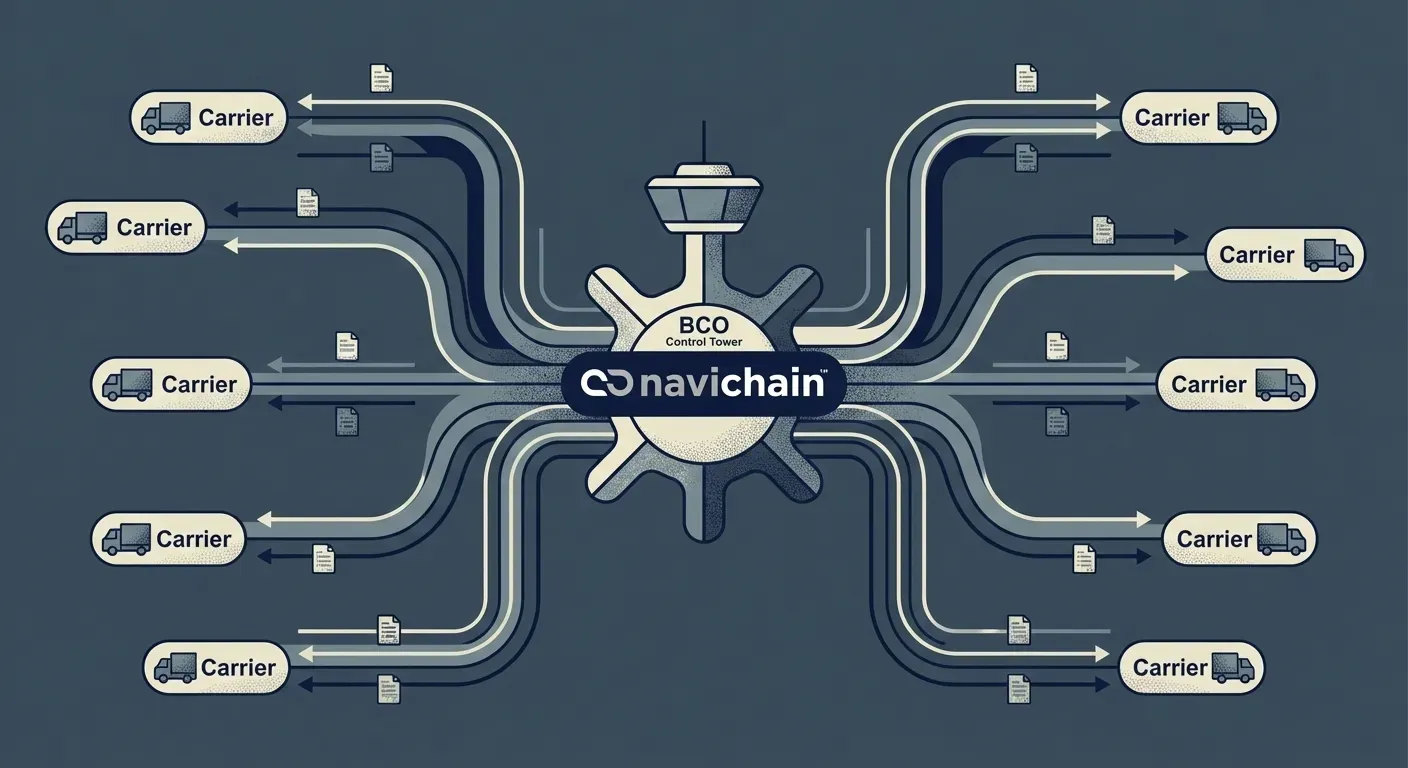
Navichain SaaS empowers BCOs to achieve tangible outcomes, including increased ROI, enhanced efficiency, and improved customer satisfaction, ultimately leading to a significant competitive advantage.
Conclusion
The era of passive supply chain management is over. European BCOs are facing unprecedented challenges that demand a proactive and strategic response. By embracing Logistics Sovereignty and leveraging innovative technologies like Navichain SaaS, they can transform their supply chains from potential liabilities into powerful strategic assets. The future belongs to those who take control, gain visibility, and build resilient, agile, and profitable operations. The time to act is now. Embrace Logistics Sovereignty and secure your place at the forefront of the new logistics landscape.
References
- European Commission (2020). Sustainable and Smart Mobility Strategy
- International Road Transport Union (IRU) (2023). The Future of Road Transport
- McKinsey & Company (2022). Reimagining supply chains for a new era
- Gartner (2023). Supply Chain Technology Trends
Navichain SaaS provides the visibility and control necessary for European BCOs to achieve Logistics Sovereignty and transform their supply chains into strategic assets.
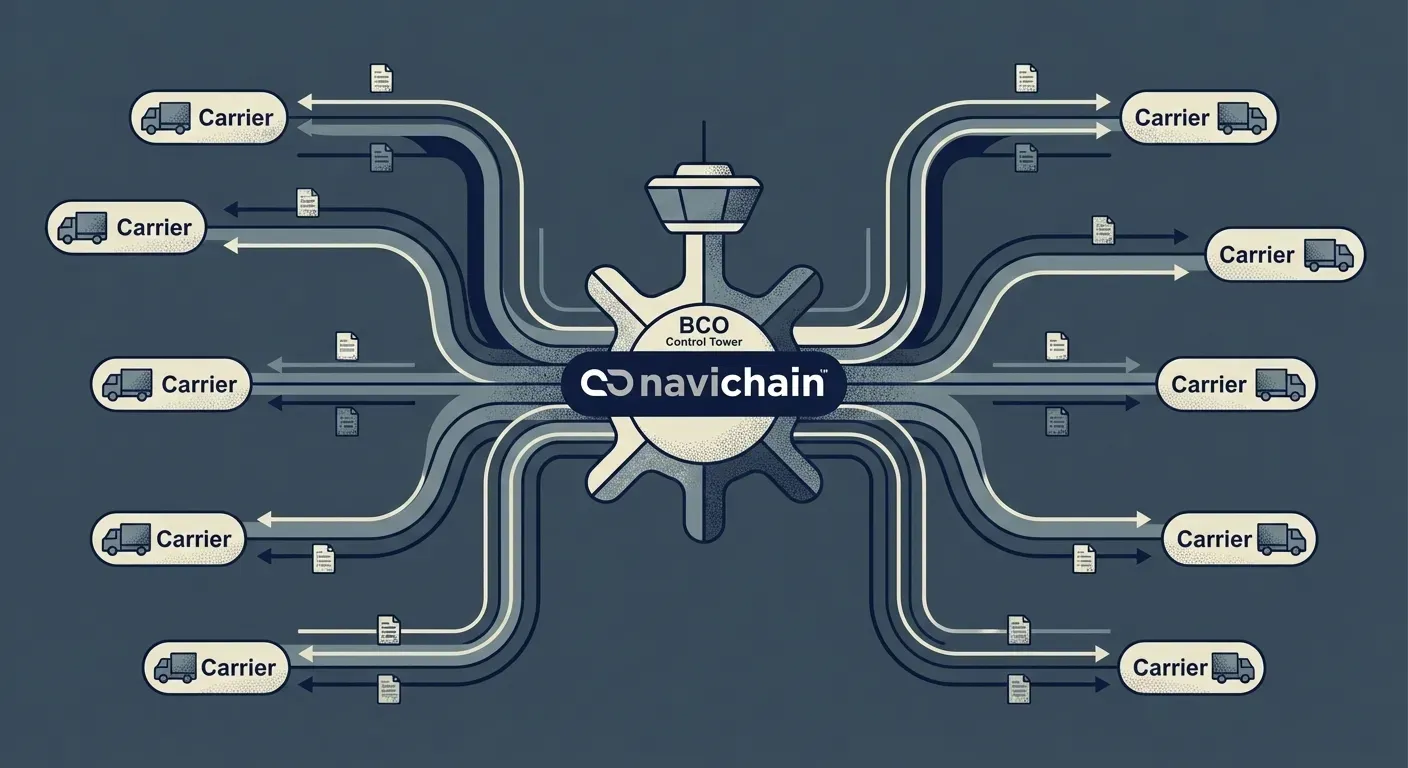
Navichain's platform empowers European BCOs with real-time visibility and control over their supply chains, fostering logistics sovereignty.
Ready to optimise your supply chain?
navichain Insights Newsletter
Join the newsletter to receive the latest updates in your inbox.