The Maintenance Paradox: Why Your Focus on Repair Costs Is Increasing Operational Chaos
Table of Contents
For European SME hauliers, unplanned vehicle downtime is a critical threat to profitability, costing hundreds of euros each day. This white paper reveals why focusing solely on minimising repair costs is a strategic oversight, obscuring the larger systemic costs of operational friction. Discover how a proactive, unified approach using integrated data and predictive insights can unlock true efficiency and resilience.
The Maintenance Paradox: Why Your Focus on Repair Costs Is Increasing Operational
For European SME hauliers, unplanned vehicle downtime represents one of the largest drains on profitability, with industry sources estimating the cost of a single stationary truck at over €800 per day. However, the conventional response—aggressively minimizing direct repair costs—is a strategic blind spot. This focus ignores the larger, systemic cost of operational friction, where siloed data between transport management, maintenance, and billing creates chaotic scheduling conflicts and administrative nightmares. This white paper deconstructs this maintenance paradox. It presents a three-pillar strategic framework to move from a reactive, fragmented model to a proactive, unified system. It provides a blueprint for leveraging integrated data, secure infrastructure, and predictive insights to achieve true operational efficiency and resilience.
Introduction: The daily firefight
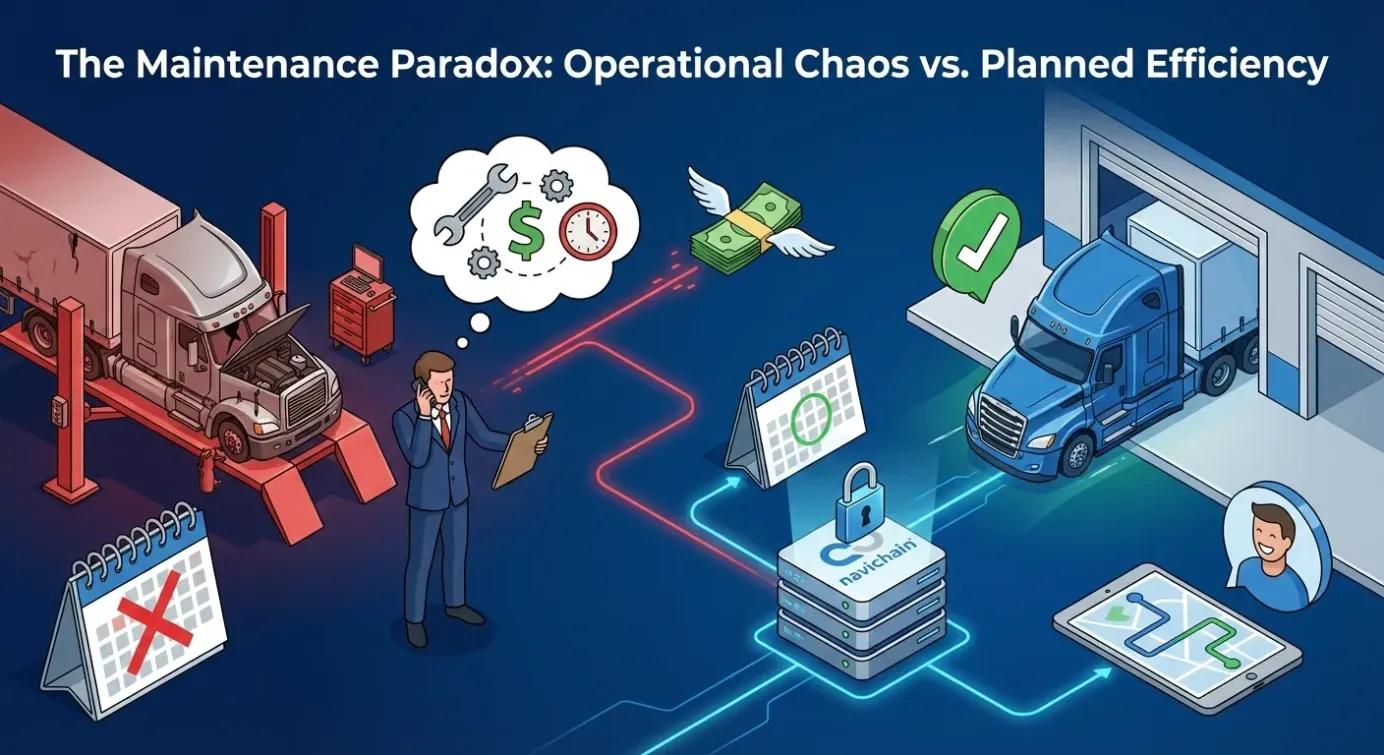
Fig 1: It's 2:00 PM on a Tuesday. It's 2:00 PM on a Tuesday. A transport manager has just booked an urgent, high-margin delivery for a key customer. Simultaneously, the same truck is rolling into the workshop for a long-planned service that the fleet manager had in their spreadsheet. Chaos ensues. The customer is disappointed, the transport manager is stressed, and revenue is lost. Does this sound familiar? For many small and medium-sized enterprises (SMEs) in the Scandinavian haulage sector, this isn't a hypothetical scenario; it's a painful part of daily operations. In an industry squeezed by rising fuel costs, fierce competition, and complex regulations (like the EU's Mobility Package), every inefficiency is a direct threat to survival. The most common mistake is to see this as a "scheduling error" or a "communication problem." It's not. It's a system failure. It's a direct consequence of a fragmented, reactive operational model held together by spreadsheets, manual data entry, and disconnected systems. This white paper argues that most SME hauliers are trapped in a maintenance paradox: their persistent focus on minimizing visible repair costs inadvertently leads them to maximize the invisible costs of operational friction, ultimately creating total chaos and eroding profitability.
Deconstructing the problem: The true cost of friction
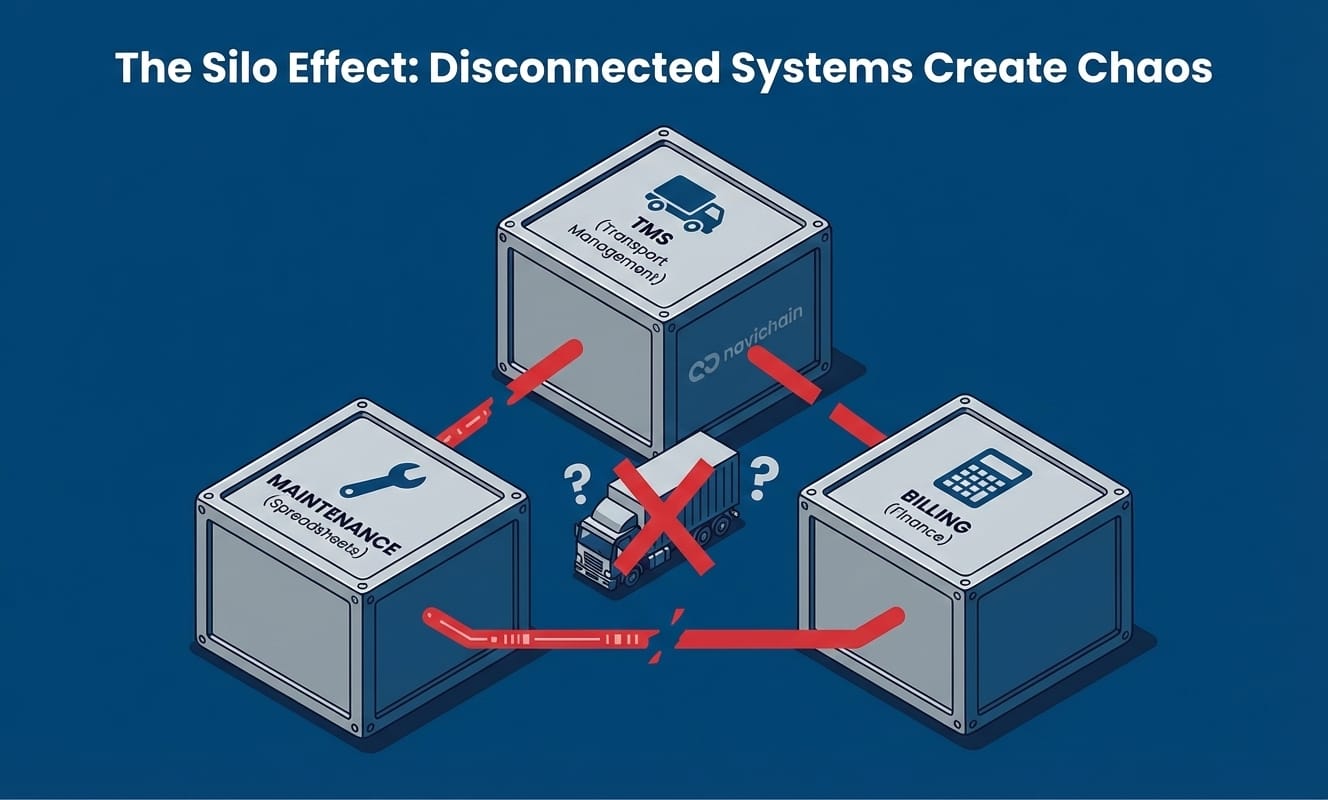
Fig 2: Manual systems and disparate data silos prevent real-time visibility, leading to scheduling conflicts and missed opportunities.
Traditional cost management in the haulage industry focuses on the obvious: the price of tires, the cost of an oil change, and the mechanic's hourly rate. While these figures are important, they are merely the tip of the iceberg. The real, business-critical cost lies hidden beneath the surface.
Beyond the invoice: The invisible costs of reactive maintenance
When a vehicle breaks down unexpectedly, or when maintenance creates a scheduling conflict, the direct repair bill is the least of your worries. The true costs are exponentially higher: * Lost Revenue: The immediate cost of the missed delivery. Industry studies show that a single stationary vehicle can cost a haulier over €800 per day in lost revenue alone.
- Administrative Overload: The time it takes for dispatchers, administrators, and managers to "put out the fire." These are hours of phone calls, re-bookings, and manual data hunting instead of value-creating work.
- Customer Trust: In a service industry, reliability is everything. A missed delivery damages your reputation and can cost you a customer for good.
- Staff Morale: Constant stress and chaos lead to burnout for transport managers and frustration for drivers. Studies in fleet management indicate that unplanned maintenance can cost three to five times more than planned maintenance when all these hidden factors are accounted for. The problem is, most companies lack the systems to even measure this friction.
The silo effect: When systems don't talk
The root cause of this friction is almost always data silos. The typical SME haulier has: 1. A Transport Management System (TMS): Used by dispatchers to book deliveries. 2. A Spreadsheet (or a whiteboard): Used by the fleet manager to track service intervals. 3. A Billing System: Used by the finance department, often completely disconnected from the actual jobs. 4. A Warehouse Management System (WMS): If the company also handles storage, adding another layer of complexity. In this scenario, it is impossible for the transport manager to know in real-time that Vehicle X is blocked for service. The information exists, but it's locked away in another system (or another person's head). This lack of a Single Source of Truth guarantees that conflicts will arise.
From proactive to reactive
Without a unified view of asset status, service history, and future bookings, the entire organization is forced into a reactive mode. Instead of proactively scheduling service when the vehicle already has planned downtime, maintenance becomes a disruption. Service is "forgotten" until a warning light comes on, leading to unplanned stops, more expensive express repairs, and maximum operational disruption. This reactive model isn't a choice; it's the unavoidable consequence of a fragmented technical landscape.
The path forward: The proactive operations framework
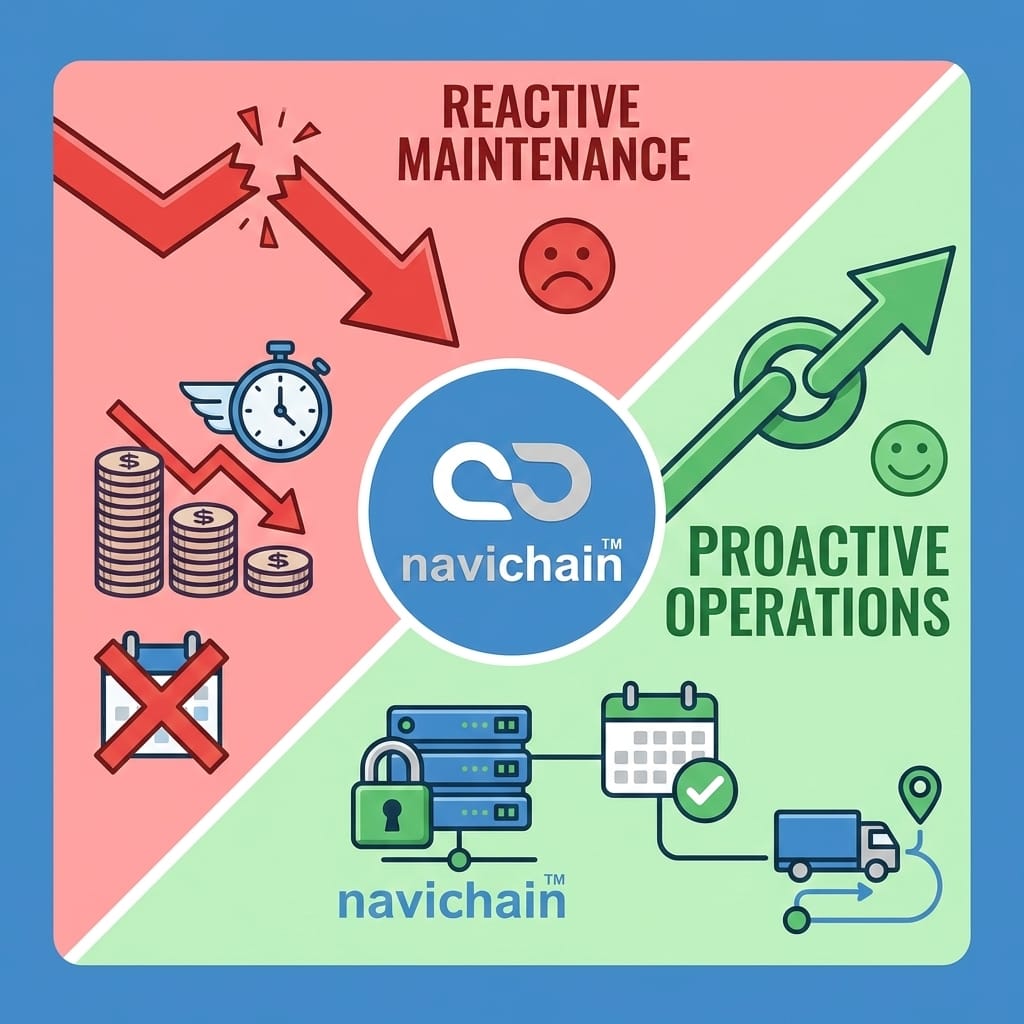
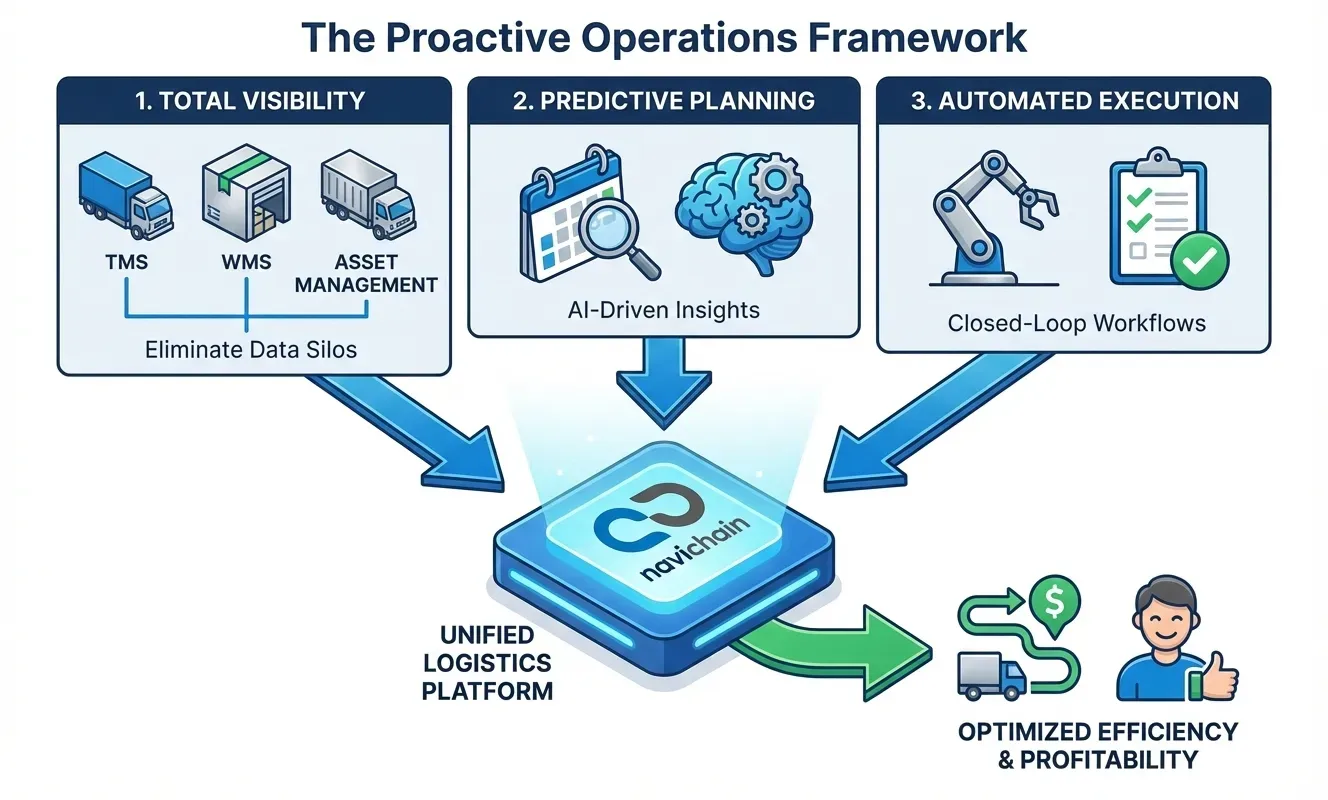
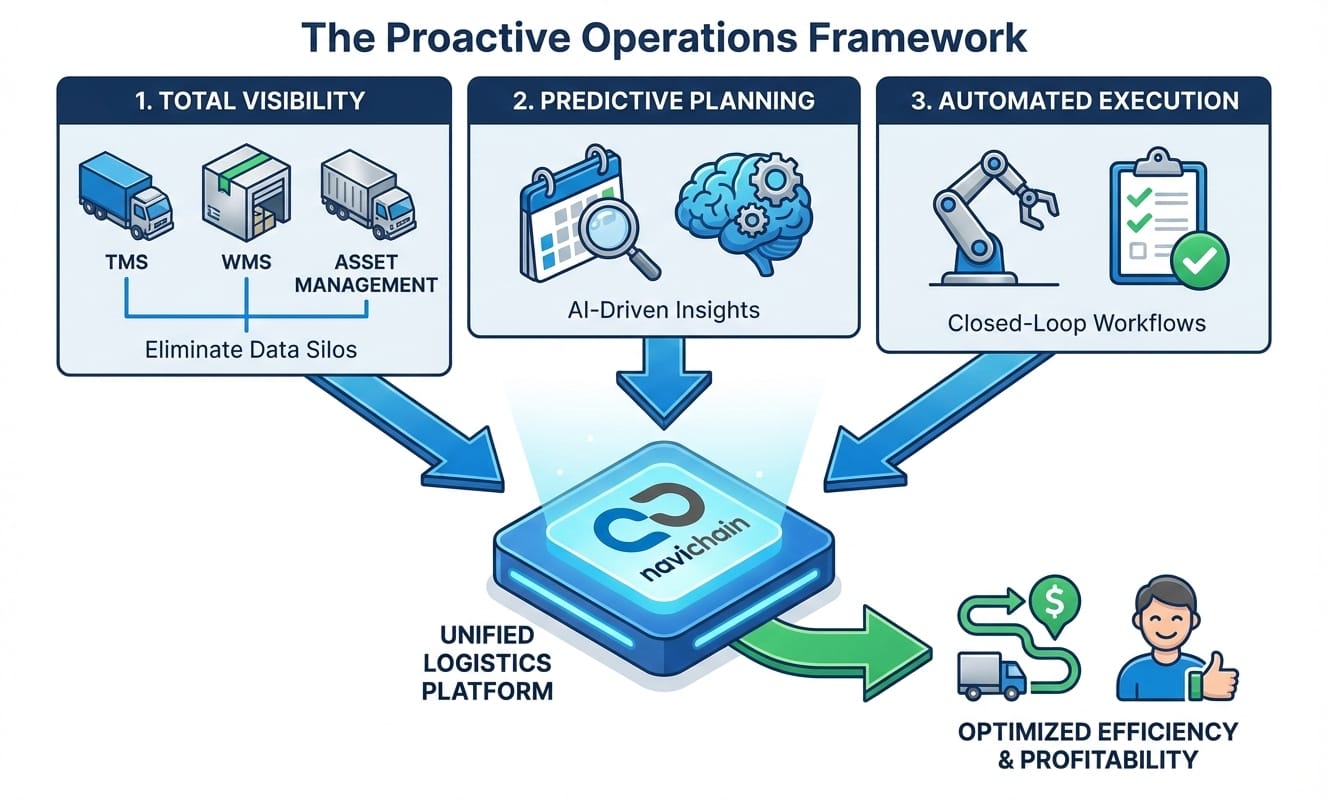
Fig 3: Breaking free from the maintenance paradox doesn't require more staff or harder work; it requires a smarter system. Breaking free from the maintenance paradox doesn't require more staff or harder work; it requires a smarter system. It demands a strategic shift from managing assets to orchestrating an entire operation. This is the Proactive Operations Framework, built on three pillars.
Pillar 1: Total visibility (see everything, everywhere)
You cannot manage what you cannot see. The first step is to shatter your data silos. This means implementing a central platform where Transport Management (TMS), Warehouse Management (WMS), Billing, and, crucially, Asset Management (Fleet Management) live and breathe as a single, unified organism. In this scenario: * When a fleet manager creates a service order for Vehicle X from the 10th to the 11th... * ...Vehicle X is immediately and automatically marked as "Unavailable" in the TMS planning board for those dates.
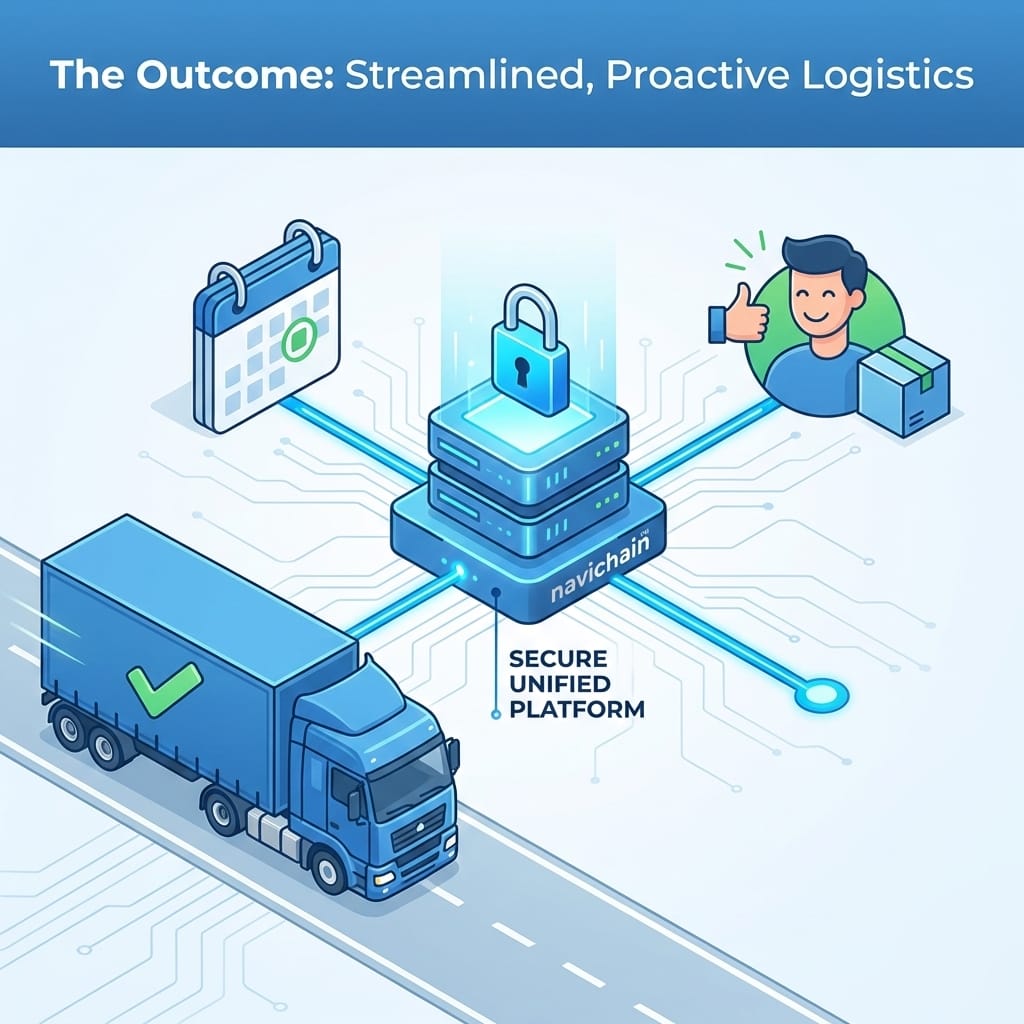
Visual representation of the maintenance paradox, highlighting the relationship between focus on repair costs and increased operational chaos.
- The transport manager cannot even accidentally book the vehicle. The conflict is eliminated at the source. This creates a single, shared reality for the entire company. Everyone sees the same data, in real-time.
Pillar 2: Predictive planning (know before it happens)
With a unified database in place, you can move from reactive to proactive. Instead of waiting for a warning light, the system can automatically flag upcoming maintenance based on fixed dates, mileage (via integration), or other operational metrics.
- Scenario: The system sees that Vehicle Y is approaching its 40,000 km service. It automatically sends a reminder to the fleet manager and can suggest optimal times for service based on when the vehicle has unallocated time in the calendar. This transforms maintenance from a disruptive firefight into a planned, efficient, and cost-controlled part of the operation.
Pillar 3: Automated execution (Act automatically)
The final pillar is about letting the system do the heavy lifting. The goal is to eliminate manual administration and "forgotten" steps. This is a closed loop where processes are interconnected. 1. Trigger: A service order is created (Pillar 2). 2. Execution: The vehicle is automatically blocked in the TMS (Pillar 1). 3. Follow-up: When the service is finished and marked 'Complete,' the cost is registered against the asset, and it immediately becomes available again in the TMS. The invoice from the workshop can be linked directly to the service order for complete cost control. This automated workflow not only solves the initial problem of double-bookings; it reduces the administrative burden, provides accurate cost-tracking per asset, and frees up staff to focus on optimizing routes and serving customers.
From diagnosis to design: The blueprint for a resilient logistics operating system
Fig 2: For a modern, resilient SME haulier in Europe, a logistics platform must embody three core design principles.
Implementing the framework above requires more than just willpower; it requires the right technical foundation. For a modern, resilient SME haulier in Europe, a logistics platform must embody three core design principles.
Principle 1 - unified operational fabric
Stop buying stovepipes. Having a TMS from one vendor, a WMS from another, and maintenance in a spreadsheet is the root of all evil. Companies must demand a unified operational fabric—a single, integrated system where TMS, WMS, Billing, and Asset Management are not just "integrated" (which often means fragile, expensive connectors) but built as one. This is the only way to create a true, real-time single source of truth. It acts as the company's central nervous system, ensuring every part of the organization acts on the same information.
Principle 2 - secure data architecture and control
Fig 3: In a post-GDPR world, data management is not just an IT issue; it's a fundamental business risk.
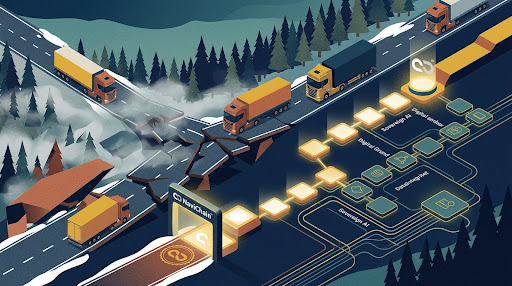
Schematic illustrating the importance of data sovereignty and secure hosting within EU jurisdiction for modern logistics platforms.
In a post-GDPR world, data management is not just an IT issue; it's a fundamental business risk. For European and Scandinavian SMEs, data sovereignty is critical. Relying on platforms that transfer sensitive operational data to servers outside the EU (e.g., under US jurisdiction via the CLOUD Act) is an unnecessary risk. True operational resilience requires complete control over one's data environment. The solution is a platform that is Self-Hosted or hosted on secure infrastructure within Swedish/EU jurisdiction. This not only guarantees simple and direct GDPR compliance but also ensures your most critical business data—your customers, your routes, your pricing—remains under your control.
Principle 3 - embedded analytic intelligence
Data is only useful if you can act on it. Once you have a unified database (Principle 1) that is secured under your own control (Principle 2), the next step is to leverage it. A modern platform must have an embedded intelligence layer or a Integrated AI. This AI must run within the secure environment (not send your data to an external AI service) to analyze your unified data. It can then identify patterns, predict maintenance needs, optimize routes based on asset status, and provide strategic insights unique to your operation. This isn't "Big Data" for corporations; it's targeted, secure intelligence for SMEs.
Fig 4: Data is only useful if you can act on it.
References/sources
- Transport Intelligence (Ti) Insight: "European Road Freight Transport 2024" - Used for market trends, cost pressures, and digitization needs in European road freight.
- Source
- International Road Transport Union (IRU): "EU Mobility Package 1: Impact Report" - Used to substantiate the regulatory and administrative burdens pressuring hauliers.
- Source
- McKinsey & Company: "The future of logistics: Five imperatives" - Used for the high-level strategic need for digitization, automation, and data-driven decisions.
- Source
- Fleet Maintenance Magazine: "The true cost of downtime and how to calculate it for your fleet" - Used to support the claim of high hidden costs of unplanned maintenance.
- Source
Fig 4: Implementing the framework above requires more than just willpower; it requires the right technical foundation.
Enabling the blueprint: The navichain SaaS unified logistics platform
Fig 5: True to Principle: Unified Operational Fabric navichain is not a collection of loosely connected modules.
This outcome demonstrates how a unified platform prevents operational silos, ensuring data flows seamlessly between maintenance and broader logistics functions, like transport management.
Understanding the strategic blueprint is the first step. Having a partner who can deliver it is the next. navichain SaaS is designed from the ground up to embody the three core principles of a resilient logistics operation, specifically for the challenges facing Scandinavian SME hauliers. 1. True to Principle: Unified Operational Fabric navichain is not a collection of loosely connected modules. It is a true, unified logistics operating system. Our platform integrates Transport Management (TMS), Warehouse Management (WMS), Asset Management, Billing, and Order Management into a single, seamless solution. When you create a service order in the asset manager, the vehicle is immediately blocked in the TMS. This isn't an integration; it's a unified design that eliminates data silos and operational friction at the source. 2. True to Principle: Secure Data Architecture and Control We understand that your data is your most valuable asset. Unlike many international cloud providers, our platform is built on a foundation of data sovereignty. Our entire platform is Self-Hosted on our own secure infrastructure in Sweden. This is our key differentiator. It means all your operational data stays within Swedish/EU jurisdiction, ensuring maximum data security, control, and straightforward GDPR compliance. You never have to worry about international data transfers or a lack of control. 3. True to Principle: Embedded Analytic Intelligence Because all your data lives in one place (Principle 1) and in one secure environment (Principle 2), we can apply real intelligence. Our platform is enhanced with a integrated AI that runs on our own secure Swedish infrastructure. This allows our clients to perform deep, secure data analysis on their unified operational data. You can identify patterns, optimize maintenance schedules, and unlock unique efficiencies—all without your sensitive data ever leaving the secure, controlled environment. Our Mission navichain SaaS's mission is to democratize logistics technology. We offer a seamless, powerful, and affordable solution that enables SME hauliers to not just survive, but to thrive by breaking down data silos and automating workflows across their entire organization. Stop firefighting and start orchestrating.
navichain's unified logistics operating system eliminates data silos by seamlessly integrating key functions like TMS, WMS, and asset management within a single platform.
Navichain's platform ensures data sovereignty by hosting all operational data securely within Swedish infrastructure, enabling embedded AI analytics without compromising data security or GDPR compliance.
Ready to optimise your supply chain?
navichain Insights Newsletter
Join the newsletter to receive the latest updates in your inbox.