The Infrastructure Paradox Is Your Focus On Route Efficiency Hiding The Real Cost Of Vehicle Decay
Table of Contents
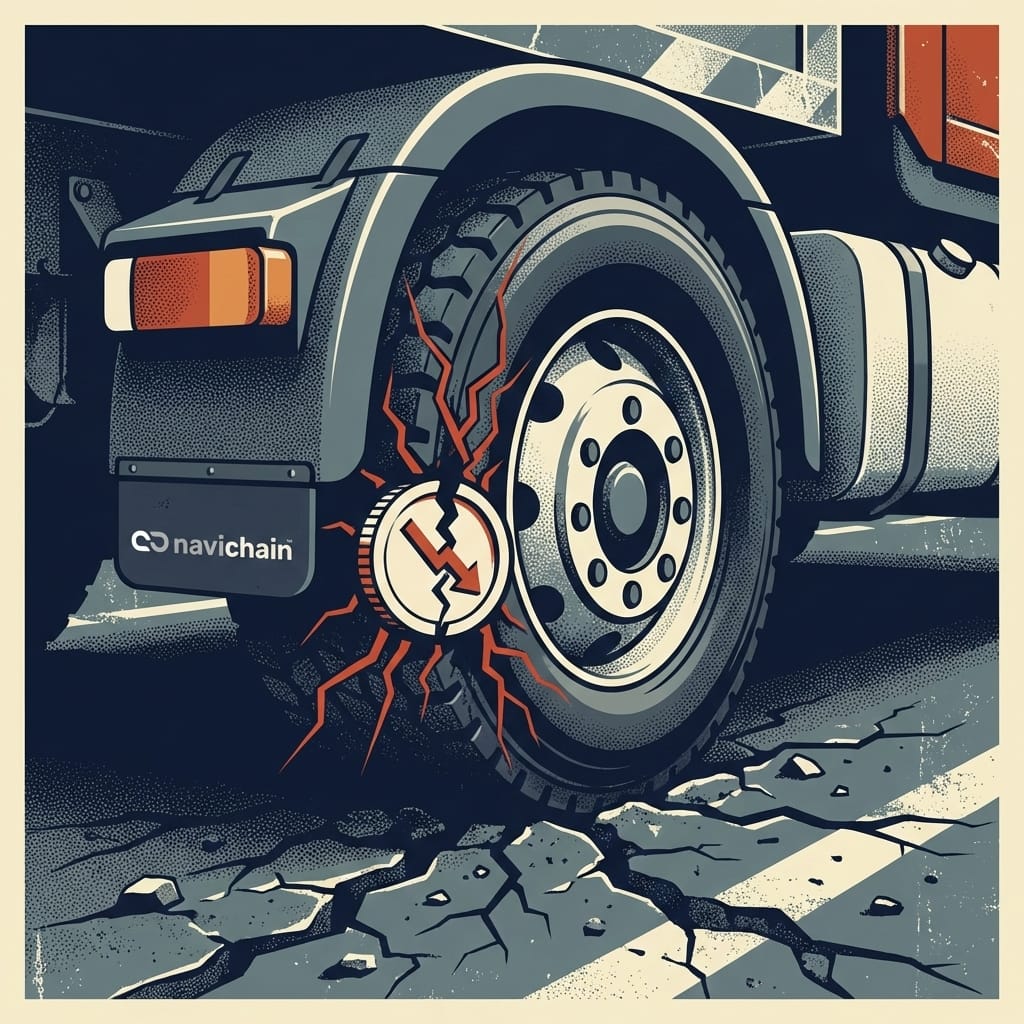
Are deteriorating road conditions silently eroding your haulage SME's profits? Discover how focusing solely on route efficiency blinds you to the hidden costs of vehicle decay and increased downtime. Navichain offers a Unified OS and AI-driven solution to unify your asset, transport, and financial data, transforming operational data into a defensive asset and ensuring true operational resilience.
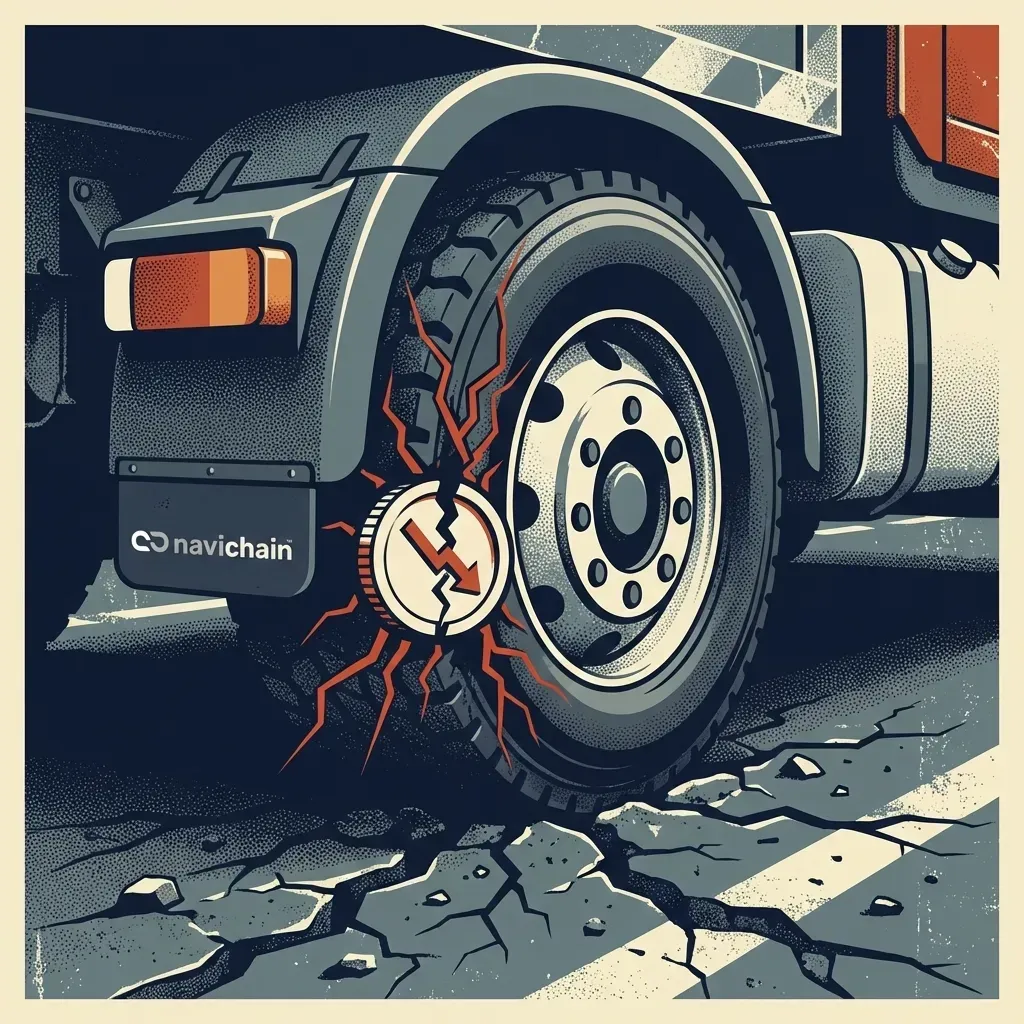
Hidden vehicle decay costs erode profits; route efficiency isn't the full picture.
Executive summary
Scandinavian haulage SMEs are facing a profitability crisis. While traditional Transportation Management Systems (TMS) focus on optimizing routes for speed and fuel efficiency, they often overlook the hidden, compounding costs associated with deteriorating secondary road networks. These costs, including accelerated vehicle wear and tear, increased downtime, and safety risks, can significantly impact the bottom line. This report argues that a strategic shift is needed, moving beyond simple 'route efficiency' to a holistic 'profitability per kilometer' approach. By unifying asset, transport, and financial data into a predictive system, haulage companies can mitigate these infrastructure-driven costs, transforming operational data into a defensive asset and achieving true operational resilience. Navichain SaaS offers a Unified OS and AI-driven solutions to address this challenge directly. Secondary road impact: TMS solutions fail to account for real-world profitability losses.
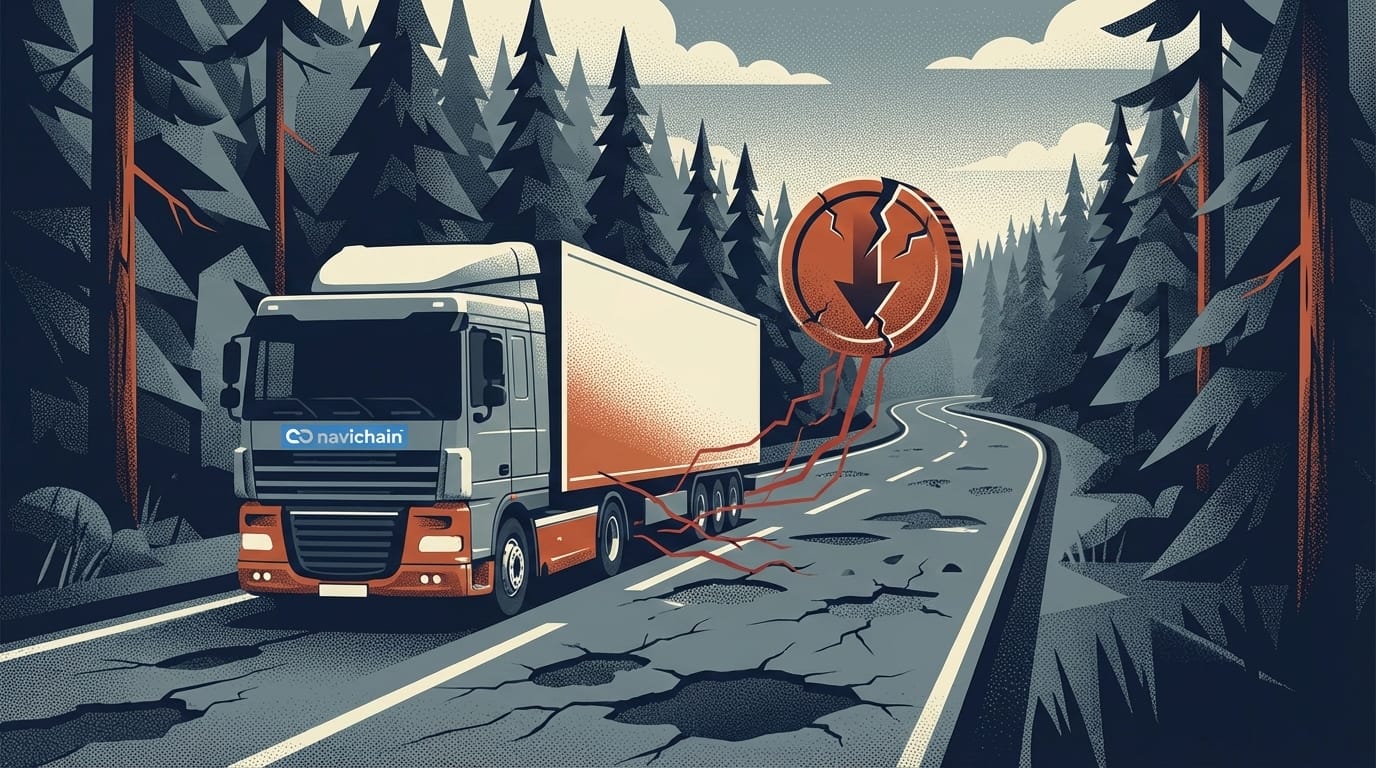
Poor road conditions lead to increased vehicle wear and tear, negatively impacting haulage SME profitability by increasing maintenance and downtime.
Introduction
The logistics landscape is constantly evolving, demanding that haulage companies adapt to remain competitive. While advancements in technology and optimization strategies have led to significant improvements in efficiency, a critical challenge often remains unaddressed: the impact of deteriorating infrastructure. In Scandinavia, particularly in Norway and Sweden, the condition of secondary road networks is creating a significant financial burden for small and medium-sized enterprises (SMEs) in the haulage sector. This report delves into the "Infrastructure Paradox," exploring how the pursuit of route efficiency can inadvertently mask the true cost of vehicle decay and outlining a strategic framework for overcoming this challenge. We will explore how a unified, data-driven approach, enabled by platforms like Navichain, can transform operational data into a predictive asset, empowering haulage companies to build resilience and drive profitability in the face of infrastructure challenges. Deteriorating secondary roads add unseen costs for Scandinavian haulage SMEs.
Section 1: The challenge: the hidden costs of deteriorating infrastructure
The core challenge lies in the disconnect between perceived efficiency and actual profitability. Traditional TMS solutions prioritize factors like distance, time, and fuel consumption when optimizing routes. However, they often fail to account for the long-term impact of road conditions on vehicle health and operational costs. This oversight can lead to a false sense of efficiency, masking the true financial burden imposed by deteriorating infrastructure.
- Increased Maintenance Costs: Driving on poorly maintained roads accelerates wear and tear on tires, suspension systems, chassis, and other critical vehicle components. This leads to more frequent repairs, higher maintenance bills, and increased downtime. Industry estimates suggest that vehicle maintenance costs can increase by 15-20% due to deteriorating road conditions.
- Reduced Vehicle Lifespan: The cumulative effect of constant stress and vibration from rough roads can significantly shorten the lifespan of vehicles. This necessitates more frequent replacements, increasing capital expenditure and impacting long-term profitability.
- Increased Fuel Consumption: Rough road surfaces create more rolling resistance, forcing vehicles to work harder and consume more fuel. This negates some of the fuel efficiency gains achieved through route optimization and other measures.
- Downtime and Lost Revenue: Unexpected breakdowns due to infrastructure-related damage can lead to significant downtime, disrupting delivery schedules, incurring contractual penalties, and resulting in lost revenue.
- Safety Risks and Compliance Issues: Poor road conditions increase the risk of accidents and cargo damage, potentially leading to injuries, insurance claims, and legal liabilities. Furthermore, delays caused by breakdowns can put drivers at risk of violating driving hours regulations, leading to compliance issues and fines.
- Driver Fatigue and Morale: Navigating poorly maintained roads can be physically and mentally taxing for drivers, leading to increased fatigue, stress, and reduced morale. This can impact driver retention and recruitment efforts. Ignoring these hidden costs can have a devastating impact on the profitability of haulage SMEs, eroding their competitive advantage and threatening their long-term sustainability. The cost of inaction is not just financial; it also includes the potential for reputational damage, safety risks, and compliance violations.
Worn roads: Reduced fuel efficiency and inflated maintenance costs erode profitability.
Section 2: The context/data: industry trends, paradoxes, and statistics
The Infrastructure Paradox is not just a theoretical concept; it is a tangible reality supported by industry trends, data, and statistics. Several factors contribute to this challenge: * Underfunding of Secondary Road Networks: In many Scandinavian countries, secondary road networks, such as Norway's 'fylkesveier' and Sweden's 'sekundära vägnätet', have historically been underfunded compared to primary highways. This has resulted in a gradual deterioration of road conditions, with increased potholes, cracks, and uneven surfaces.
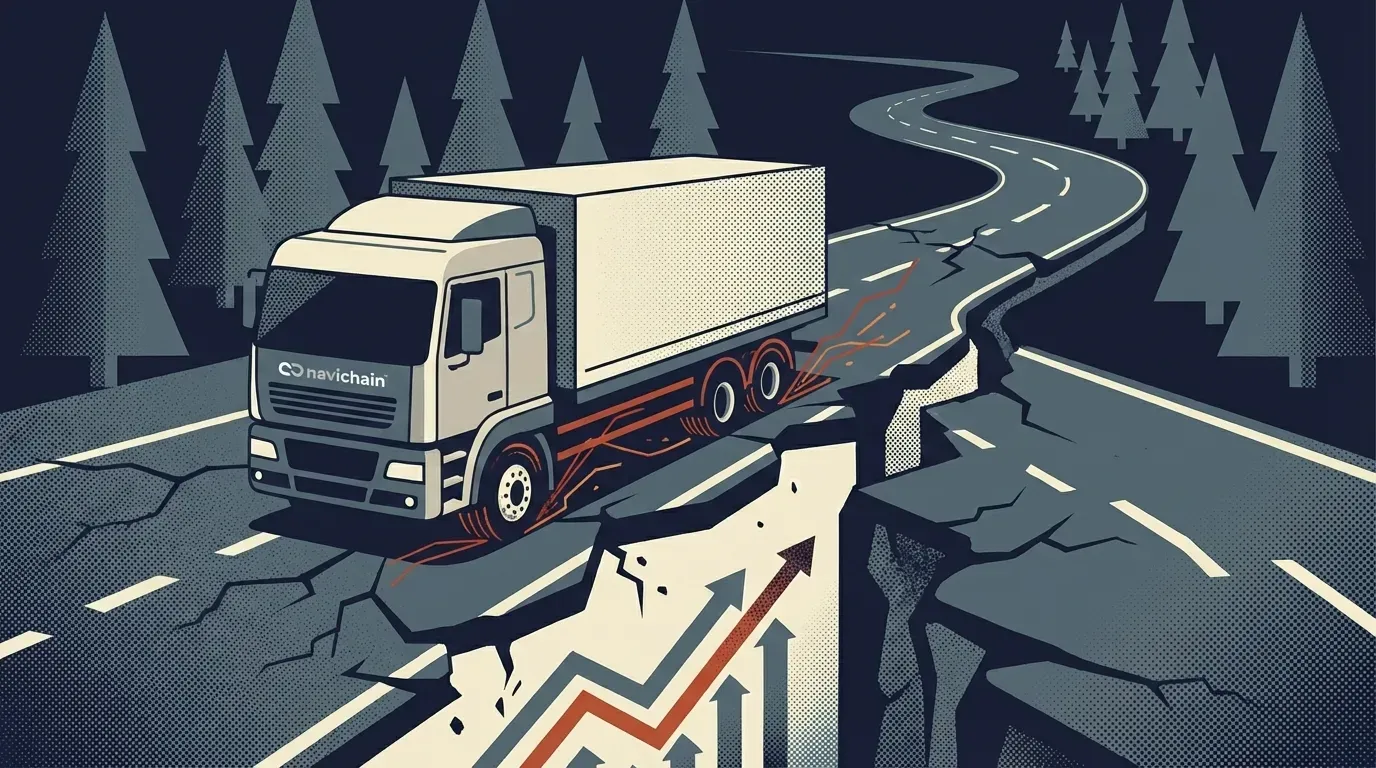
This chart illustrates how focusing solely on route efficiency can mask the substantial costs associated with vehicle decay caused by poor road infrastructure.
- Increased Traffic Volume: The growing demand for freight transportation has led to increased traffic volume on all road networks, including secondary roads. This exacerbates the wear and tear on infrastructure, accelerating its deterioration.
- Aging Vehicle Fleets: Many haulage SMEs operate with aging vehicle fleets, which are more susceptible to damage from poor road conditions. Replacing these vehicles with newer, more robust models requires significant capital investment, which may not be feasible for all companies.
- Data Silos and Lack of Integration: As highlighted earlier, the lack of integration between different operational systems (TMS, WMS, Asset Management, Billing) prevents haulage companies from gaining a holistic view of their costs and performance. This makes it difficult to identify and address the hidden costs associated with deteriorating infrastructure.
- Focus on Short-Term Efficiency: The pressure to reduce costs and improve efficiency often leads haulage companies to prioritize short-term gains over long-term sustainability. This can result in decisions that optimize for speed and fuel consumption but neglect the impact on vehicle health and maintenance costs.
This chart visually represents how prioritizing route efficiency alone can obscure the considerable costs incurred from vehicle deterioration due to inadequate road infrastructure.
- The "Efficiency Paradox": The pursuit of route efficiency can inadvertently lead to increased costs due to accelerated vehicle wear and tear.
- The "Data Paradox": Haulage companies often have access to vast amounts of data, but they lack the tools and processes to extract meaningful insights and make informed decisions.
- The "Investment Paradox": Investing in fuel-efficient vehicles and advanced TMS solutions may not yield the expected returns if the underlying infrastructure is deteriorating.
- Studies have shown that driving on poorly maintained roads can increase vehicle maintenance costs by 15-20%.
- Tire lifespan can be reduced by as much as 25% due to constant vibration and sharp impacts from rough road surfaces.
- Unscheduled downtime due to infrastructure-related damage can cost haulage companies thousands of dollars per incident.
- Driver fatigue and stress are significantly higher when navigating poorly maintained roads, increasing the risk of accidents. These trends, paradoxes, and statistics highlight the urgent need for a strategic shift in how haulage companies approach route planning, asset management, and cost optimization.
Underfunded secondary road networks: A key factor contributing to the Infrastructure Paradox.
Schematic illustrating the Infrastructure Paradox, where focusing solely on route efficiency can mask the escalating costs of vehicle decay due to underfunded road networks.
Section 3: The strategic solution: a holistic approach to profitability
To overcome the Infrastructure Paradox, haulage SMEs must adopt a holistic approach that considers the long-term impact of road conditions on vehicle health, operational costs, and overall profitability. This requires a strategic shift from focusing solely on 'cost-per-kilometer' to prioritizing 'profitability-per-asset-hour'. The key elements of this strategic solution include: 1. Data Unification and Integration: Breaking down data silos and creating a single source of truth is the foundation for effective decision-making. This involves integrating data from TMS, WMS, Asset Management, Billing, and other relevant systems into a unified platform. 2. Route Risk Assessment: Incorporating road condition data into route planning processes is crucial for identifying and mitigating potential risks. This can involve using historical maintenance data, telematics data, and third-party road condition reports to assess the impact of different routes on vehicle health. 3. Predictive Maintenance: Leveraging data analytics and machine learning to predict potential maintenance issues and schedule preventative maintenance proactively. This can help reduce downtime, extend vehicle lifespan, and minimize repair costs. 4. Total Cost of Ownership (TCO) Analysis: Evaluating the true cost of each route by considering all relevant factors, including fuel consumption, driver costs, maintenance costs, vehicle depreciation, and safety risks. This provides a more accurate picture of profitability and enables informed decision-making. 5. Dynamic Pricing: Adjusting pricing based on the road conditions and associated risks of each route. This ensures that customers who require deliveries via notoriously bad roads are charged appropriately to account for the 'infrastructure tax' on assets. 6. Driver Training and Awareness: Educating drivers about the impact of road conditions on vehicle health and safety, and providing them with the skills and knowledge to navigate challenging routes safely and efficiently. 7. Collaboration and Advocacy: Working with industry associations and government agencies to advocate for improved infrastructure funding and maintenance. The strategic solution is grounded in the principles of Total Cost Management (TCM) and Predictive Analytics. TCM emphasizes the importance of considering all costs associated with a product or service throughout its lifecycle, from acquisition to disposal. Predictive Analytics uses statistical techniques and machine learning algorithms to identify patterns in data and predict future outcomes. By combining these two approaches, haulage companies can gain a comprehensive understanding of their costs and risks, and make informed decisions to optimize profitability.
Section 4: The tech enabler (Navichain): transforming logistics with a unified, ai-driven platform
Navichain offers a comprehensive solution to address the challenges outlined in this report. The Navichain SaaS platform provides a Unified OS that integrates data from various sources, including TMS, WMS, Asset Management, and telematics systems, creating a single source of truth for all operational data. This unified view enables haulage companies to gain a holistic understanding of their costs, risks, and performance.
- Unified OS: Integrates data from disparate systems into a single platform, providing a comprehensive view of operations.
- AI-Driven Route Optimization: Uses machine learning algorithms to optimize routes based on road conditions, traffic patterns, and other relevant factors, minimizing wear and tear on vehicles and reducing fuel consumption.
- Predictive Maintenance: Leverages data analytics to predict potential maintenance issues and schedule preventative maintenance proactively, reducing downtime and extending vehicle lifespan.
- Real-Time Monitoring: Provides real-time visibility into vehicle location, performance, and road conditions, enabling proactive intervention and risk mitigation.
- Automated Reporting and Analytics: Generates automated reports and dashboards that provide insights into key performance indicators (KPIs), enabling data-driven decision-making.
- Dynamic Pricing: Allows haulage companies to adjust pricing based on the road conditions and associated risks of each route, ensuring fair compensation for the 'infrastructure tax' on assets.
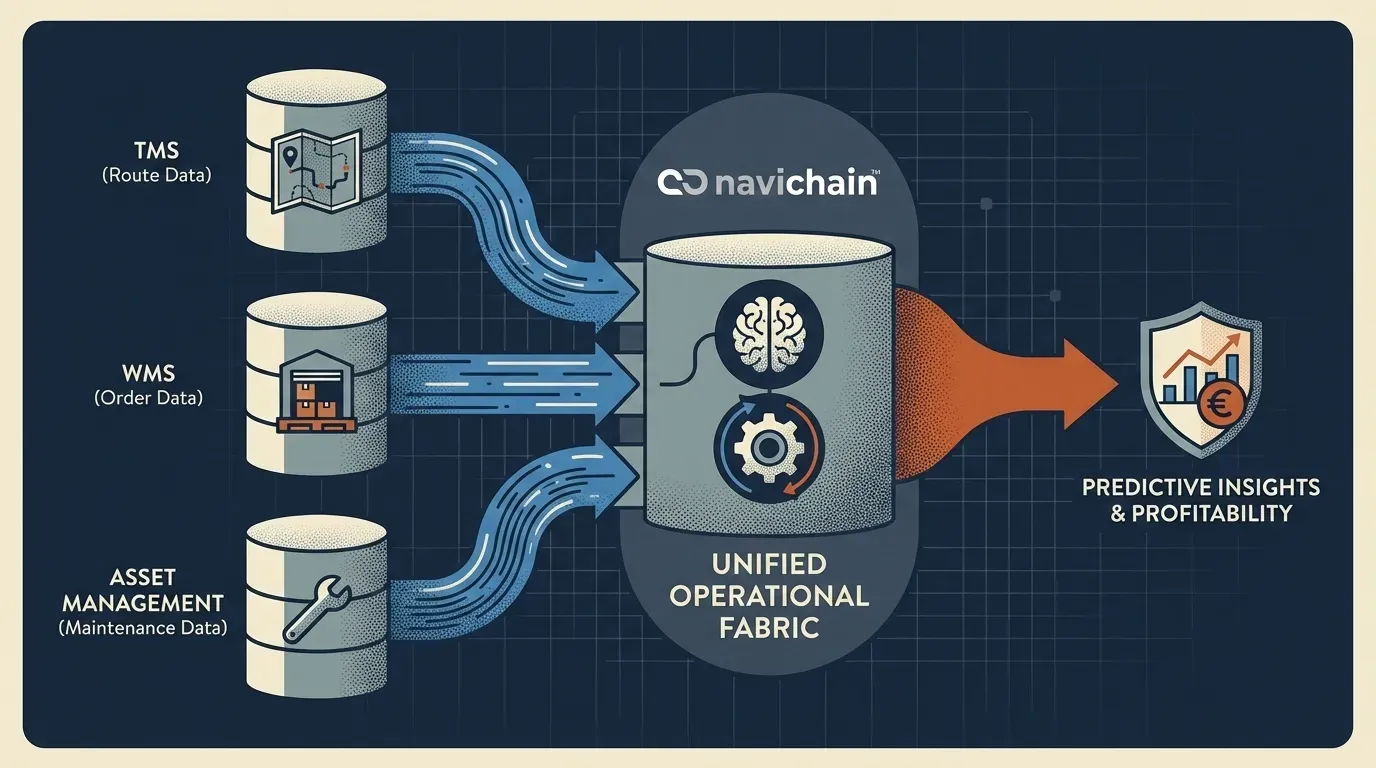
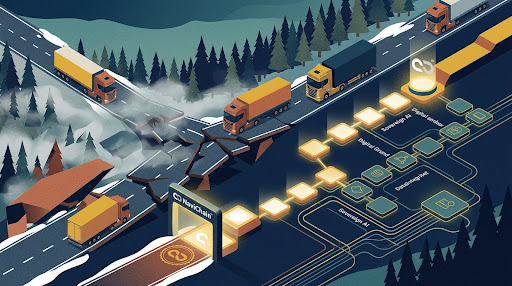
Schematic illustrating the flow of data and insights within a haulage operation, highlighting the interconnectedness of route optimization, vehicle health, and real-time monitoring in addressing the Infrastructure Paradox.
- Improved Driver Safety: Provides drivers with real-time alerts and guidance to navigate challenging routes safely and efficiently, reducing the risk of accidents. Navichain directly addresses the Infrastructure Paradox by:
- Breaking down data silos: Integrating data from disparate systems into a unified platform.
- Incorporating road condition data into route planning: Using AI-driven algorithms to optimize routes based on road conditions and other relevant factors.
- Predicting potential maintenance issues: Leveraging data analytics to identify patterns and predict future outcomes.
- Providing real-time visibility into vehicle performance and road conditions: Enabling proactive intervention and risk mitigation.
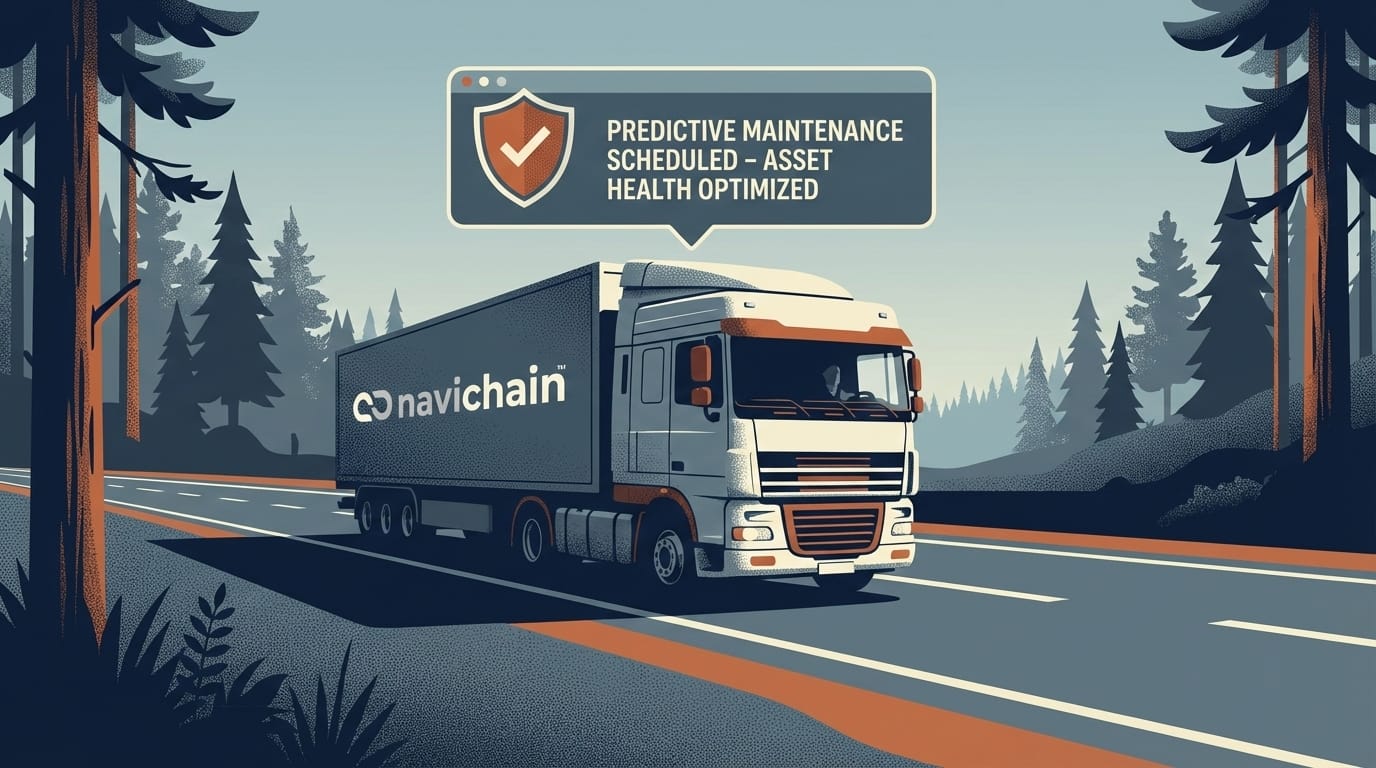
Navichain's predictive capabilities mitigate the hidden costs of infrastructure decay, shifting focus from short-term route efficiency to long-term vehicle health and profitability.
- Enabling dynamic pricing: Allowing haulage companies to adjust pricing based on the road conditions and associated risks of each route. By leveraging Navichain's Unified OS and AI-driven capabilities, haulage companies can transform their operational data into a predictive asset, enabling them to mitigate the hidden costs of deteriorating infrastructure and drive profitability.
Section 5: Business outcomes: ROI, efficiency gains, and strategic resilience
Implementing a strategic solution based on data unification and predictive analytics, enabled by platforms like Navichain, can deliver significant business outcomes for haulage SMEs: * Reduced Maintenance Costs: Predictive maintenance and optimized routing can reduce maintenance costs by 10-15%.
- Extended Vehicle Lifespan: Proactive maintenance and reduced wear and tear can extend vehicle lifespan by 1-2 years.
- Reduced Downtime: Predictive maintenance and real-time monitoring can reduce downtime by 20-30%.
- Increased Fuel Efficiency: Optimized routing and reduced rolling resistance can improve fuel efficiency by 5-10%.
- Improved Driver Safety: Real-time alerts and guidance can reduce the risk of accidents and injuries.
- Enhanced Compliance: Proactive monitoring and reporting can help ensure compliance with driving hours regulations and other safety standards.
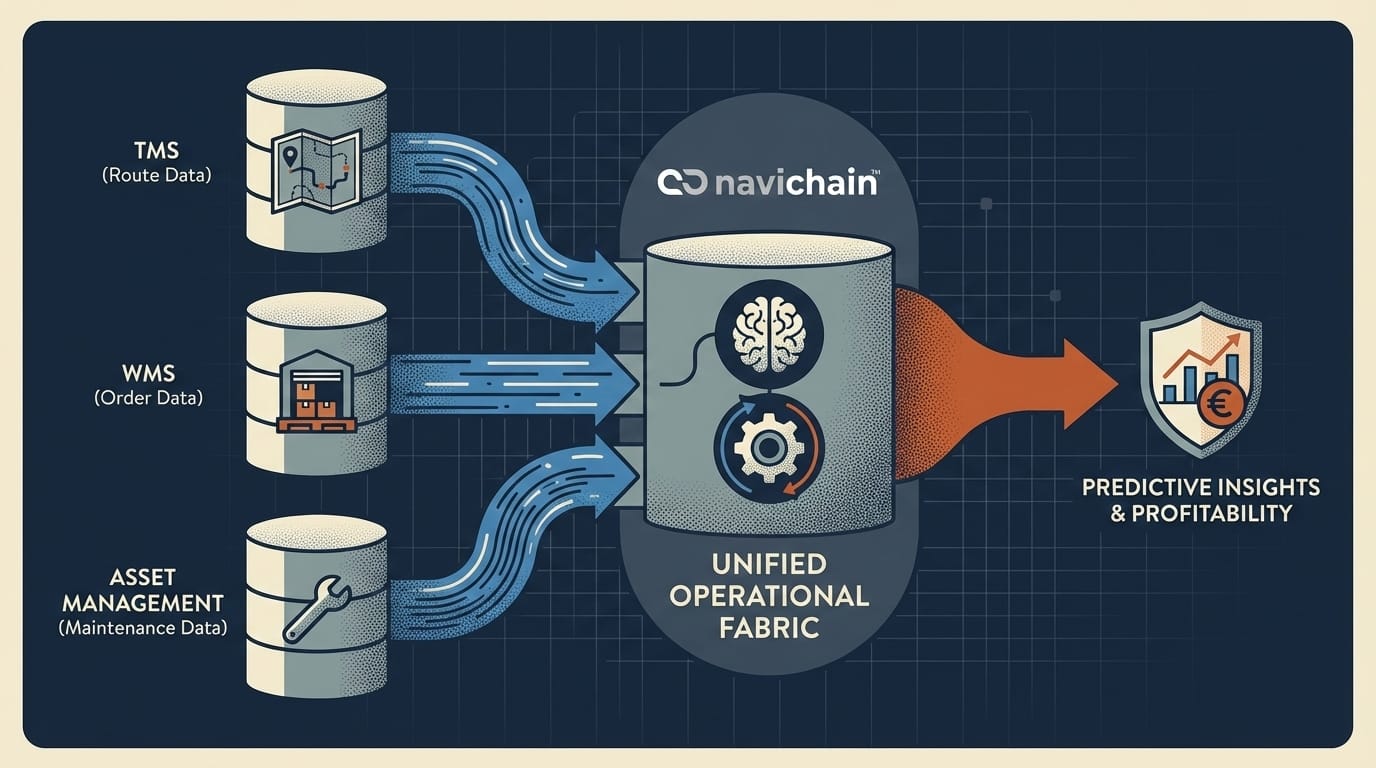
Outcomes of implementing a strategic solution include extended vehicle lifespan, reduced downtime, and increased fuel efficiency, all contributing to a significant increase in profitability.
- Increased Profitability: Reduced costs, increased efficiency, and improved safety can lead to a significant increase in profitability.
- Strategic Resilience: A data-driven approach enables haulage companies to adapt to changing market conditions and infrastructure challenges, building long-term resilience. The ROI of implementing a strategic solution can be calculated by comparing the costs of implementation (software, training, consulting) with the expected benefits (reduced maintenance costs, extended vehicle lifespan, reduced downtime, increased fuel efficiency, improved safety). A detailed ROI analysis should be conducted based on the specific circumstances of each haulage company. Efficiency gains can be measured by tracking key performance indicators (KPIs) such as:
- Maintenance cost per kilometer
- Vehicle uptime
- Fuel consumption per kilometer
- Accident rate
- Driver turnover rate By monitoring these KPIs, haulage companies can track their progress and identify areas for further improvement.
Conclusion
The Infrastructure Paradox presents a significant challenge for Scandinavian haulage SMEs. However, by embracing a strategic solution based on data unification, predictive analytics, and a holistic approach to profitability, these companies can overcome this challenge and build a more resilient and profitable future. Platforms like Navichain provide the tools and capabilities needed to transform operational data into a predictive asset, enabling haulage companies to mitigate the hidden costs of deteriorating infrastructure and drive sustainable growth. The time to act is now. By investing in a data-driven approach, haulage SMEs can not only survive but thrive in the face of infrastructure challenges, securing their long-term competitiveness and profitability.
Navichain's platform offers a unified view of operational data, empowering haulage SMEs to proactively manage costs associated with infrastructure challenges.
Navichain provides a centralized platform for analyzing operational data, helping haulage SMEs identify and mitigate the hidden costs associated with infrastructure-related vehicle decay.
Ready to optimise your supply chain?
navichain Insights Newsletter
Join the newsletter to receive the latest updates in your inbox.