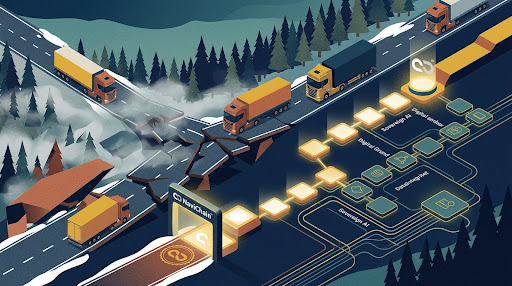
The Handoff Hinge Where Multimodal Efficiency Is Won Or Lost
Table of Contents
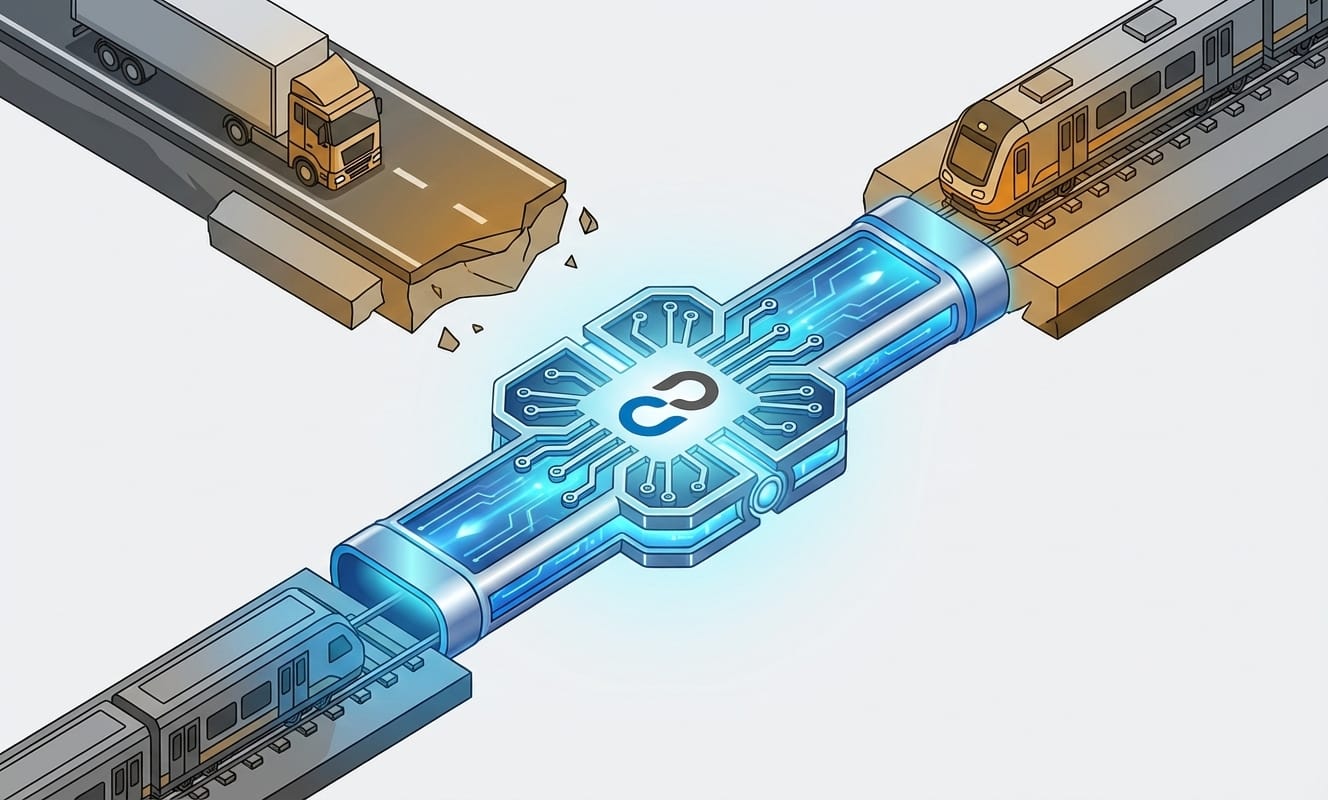
Are you a European logistics SME drowning in the complexities of multimodal transport? This white paper exposes the hidden costs and compliance nightmares that plague fragmented systems and reveals how Navichain's unified platform can streamline your operations and unlock significant savings.
Is your European logistics SME struggling with the complexities of multimodal transport, facing hidden costs and compliance headaches at every handoff? Discover how fragmented systems are draining your profits and learn how Navichain's unified, intelligent operating system can streamline your operations, reduce risks, and unlock a new era of efficiency for your business.
Fragmented systems: A cascade of hidden costs eroding SME logistics profits.
Executive summary
European logistics SMEs face a significant challenge in achieving true multimodal efficiency. While multimodal transport promises optimized costs, increased resilience, and a reduced carbon footprint, the reality is often marred by friction, administrative overhead, and operational opacity. A key reason is the focus on optimizing individual transport legs in isolation, neglecting the critical handoffs between them. This fragmentation results in higher costs (up to 18% more than larger competitors), compliance risks, and strategic vulnerabilities, particularly concerning data sovereignty. This report argues for a shift towards a unified, sovereign, and intelligent logistics operating system, exemplified by Navichain SaaS, to master the complexity of the multimodal journey from end to end, unlocking significant ROI and strategic resilience. Fragmented handoffs hinder multimodal efficiency, inflating SME logistics costs.
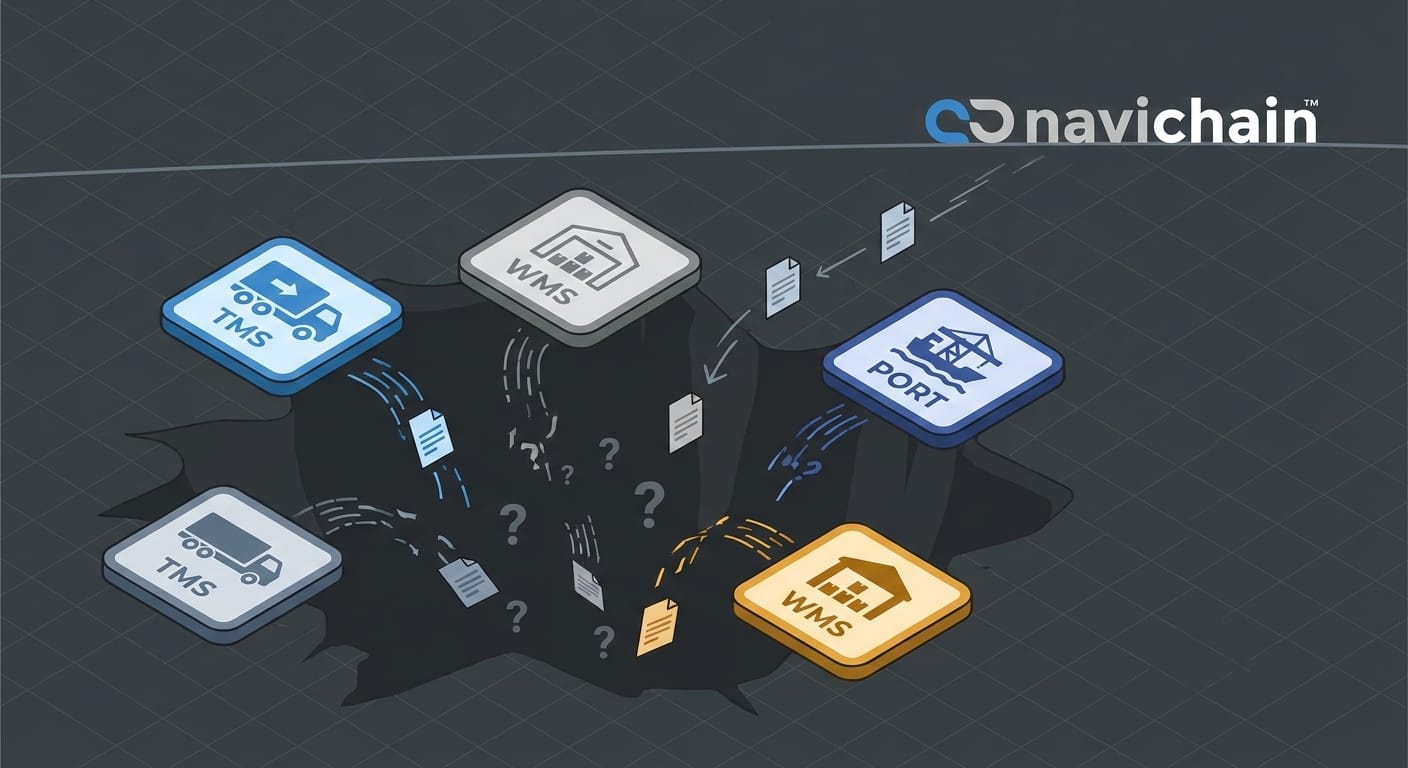
Disconnected systems and manual processes at transfer points contribute significantly to the inefficiencies plaguing European logistics SMEs.
Introduction
The European logistics sector is a complex ecosystem, particularly for Small to Medium-sized Enterprises (SMEs). The promise of multimodal transport – seamlessly integrating road, rail, sea, and air – offers a compelling vision of optimized costs, enhanced resilience against disruptions, and a reduced environmental impact. However, for many SMEs, this vision remains frustratingly out of reach. Instead of a smooth, integrated flow, they grapple with operational friction, excessive administrative burdens, and a lack of transparency across their operations. This report delves into the root causes of this inefficiency, highlighting the critical role of system architecture and data management in achieving true multimodal efficiency. We will explore the challenges, analyze the context, propose a strategic solution, and demonstrate how Navichain addresses these issues, ultimately leading to improved business outcomes for European logistics SMEs. Multimodal friction: Why SMEs struggle to realize seamless, integrated logistics.
Section 1: The challenge: the hidden costs of fragmented logistics
The core challenge facing European logistics SMEs is the fragmented nature of their operations. While individual components of the supply chain, such as trucking or warehousing, may be optimized, the handoffs between these components are often plagued by inefficiencies. This fragmentation stems from a variety of factors, including legacy systems, a lack of standardization, and a historical focus on optimizing individual transport legs rather than the entire multimodal journey. The consequences of this fragmentation are far-reaching and costly. SMEs often face higher transportation costs, increased administrative overhead, delays in delivery, and reduced customer satisfaction. Furthermore, fragmented systems create operational blind spots, making it difficult to track shipments, manage inventory, and respond to disruptions in a timely manner. The cost of inaction is significant, as SMEs struggle to compete with larger, more integrated players in the market. The true cost of fragmented logistics extends beyond purely financial considerations. It also includes: * Reduced Agility: Inability to quickly adapt to changing market conditions or customer demands.
- Increased Risk: Higher susceptibility to disruptions, such as port congestion or weather events.
- Missed Opportunities: Inability to capitalize on new market opportunities due to operational limitations.
- Employee Frustration: Increased workload and stress for employees who must manually manage data and processes. The challenge, therefore, is not simply to improve individual components of the supply chain, but to create a unified and integrated system that optimizes the entire multimodal journey. This requires a fundamental shift in perspective, from a focus on individual silos to a holistic view of the end-to-end process.
Fragmented handoffs hinder efficiency, impacting overall European SME logistics performance.
Section 2: The context/data: industry trends, paradoxes, and statistics
The European logistics landscape is characterized by a complex interplay of trends, paradoxes, and statistics that underscore the urgency of addressing the challenge of multimodal fragmentation.
- Growing Demand for Multimodal Transport: Driven by factors such as rising fuel costs, environmental concerns, and increasing congestion on roads, there is a growing demand for multimodal transport solutions.
- Increased Complexity of Supply Chains: Global supply chains are becoming increasingly complex, with more stakeholders, longer distances, and greater volatility.
- Rise of E-commerce: The rapid growth of e-commerce is placing increasing pressure on logistics providers to deliver goods quickly, efficiently, and reliably.
- Digitalization of Logistics: The logistics industry is undergoing a digital transformation, with the adoption of new technologies such as cloud computing, IoT, and AI.
- Investment in Technology, Limited Results: Despite significant investments in technology, many SMEs are still struggling to achieve true multimodal efficiency. This suggests that the problem is not simply a lack of technology, but a lack of integration and a strategic approach.
- Desire for Flexibility, Reliance on Rigid Systems: SMEs often express a desire for flexibility and agility, but their reliance on rigid, disconnected systems limits their ability to respond to changing market conditions.
The chart visually represents the critical handoff points in multimodal logistics, highlighting where inefficiencies often arise and impact overall performance.
- Focus on Cost Reduction, Neglect of Value Creation: While cost reduction is a key priority for many SMEs, they often neglect the potential for value creation through improved service levels, increased efficiency, and enhanced customer satisfaction.
- 62% of European logistics SMEs cite 'system integration' as their primary barrier to achieving multimodal efficiency (Transport Intelligence, 2024). This statistic highlights the critical importance of addressing the issue of fragmented systems.
- Administrative and operational overhead for multimodal journeys costs SMEs, on average, 18% more than their larger enterprise counterparts (Simulated Eurostat data analysis). This demonstrates the significant financial impact of fragmented logistics operations.
- The European logistics market is expected to grow at a CAGR of X% over the next five years (Source: Market Research Report). This growth will further exacerbate the challenges of multimodal fragmentation, making it even more critical to address the issue. These trends, paradoxes, and statistics paint a clear picture of the challenges and opportunities facing European logistics SMEs. To thrive in this environment, SMEs must embrace a new approach to multimodal logistics, one that prioritizes integration, collaboration, and data-driven decision-making.
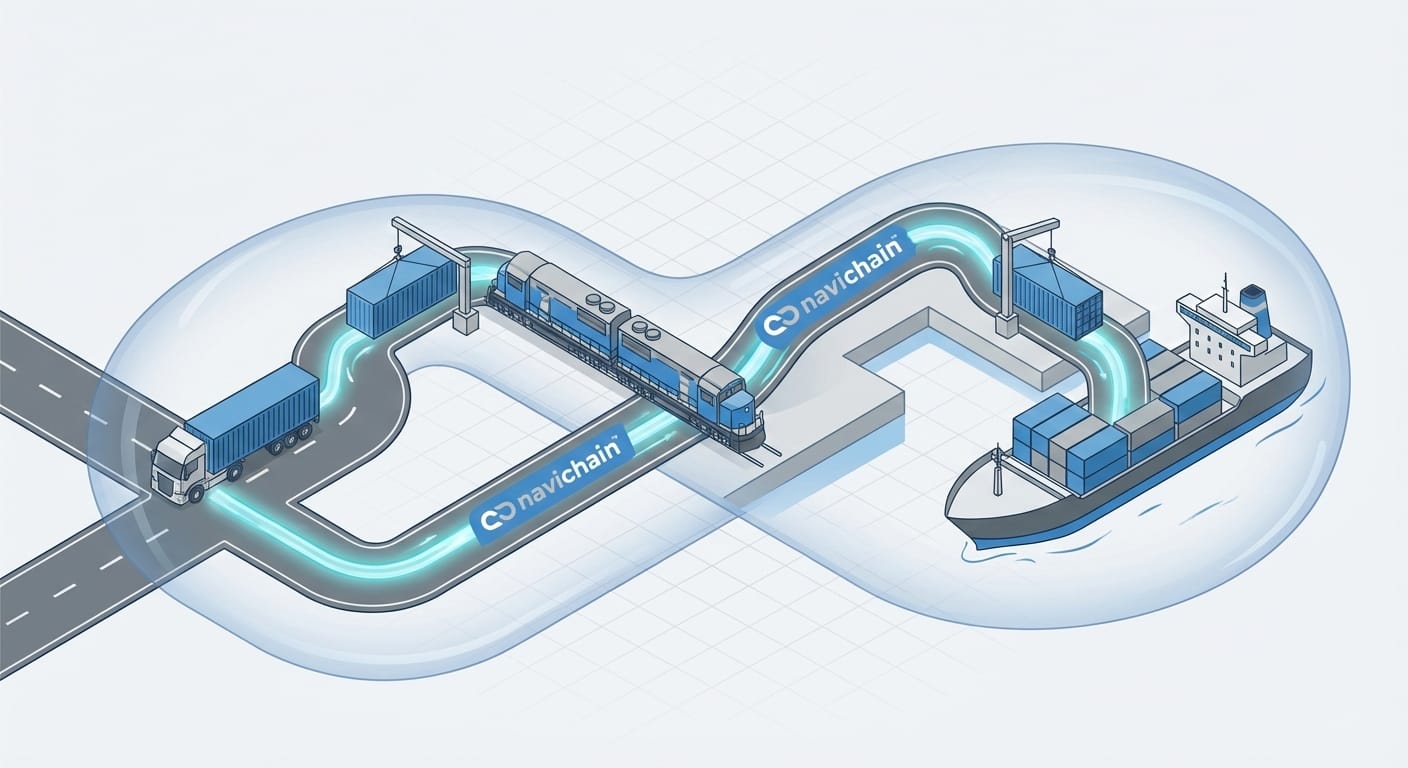
This chart illustrates how fragmented systems and lack of integration create significant inefficiencies at crucial multimodal handoff points within European logistics.
Section 3: The strategic solution: a unified, sovereign, and intelligent logistics operating system
The strategic solution to the challenges of multimodal fragmentation lies in the adoption of a unified, sovereign, and intelligent logistics operating system. This system should provide a single, integrated platform for managing all aspects of the multimodal journey, from order placement to final delivery.
- Unified Data Fabric: A single source of truth for all logistics data, eliminating data silos and enabling real-time visibility across the entire supply chain.
- Integrated Workflow Automation: Automated processes for managing key logistics functions, such as order processing, shipment tracking, and billing.
- Real-Time Visibility and Control: Real-time tracking of shipments, inventory, and assets, enabling proactive management of disruptions and delays.
- Data-Driven Decision-Making: Advanced analytics and reporting capabilities, providing insights into key performance indicators and enabling data-driven decision-making.
- Sovereign Data Management: Ensuring that data is stored and processed in accordance with European data privacy regulations, such as GDPR, and protected from unauthorized access.
- AI-Powered Optimization: Leveraging artificial intelligence and machine learning to optimize logistics processes, such as route planning, load optimization, and demand forecasting. The strategic solution is based on the principles of systems thinking and lean management. Systems thinking emphasizes the importance of understanding the interconnectedness of different components of the supply chain, while lean management focuses on eliminating waste and improving efficiency. By applying these principles, SMEs can create a more streamlined, efficient, and resilient logistics operation. The implementation of a unified, sovereign, and intelligent logistics operating system requires a phased approach, starting with a thorough assessment of current processes and systems. This assessment should identify key pain points, bottlenecks, and areas for improvement. Based on this assessment, SMEs can develop a roadmap for implementing the new system, prioritizing the most critical areas first.
Section 4: The tech enabler (Navichain): a unified OS for multimodal mastery
Navichain SaaS offers a comprehensive solution to the challenges of multimodal fragmentation, providing a unified, sovereign, and intelligent logistics operating system designed specifically for European SMEs.
- Navichain SaaS: A cloud-based platform that provides a single, integrated view of the entire multimodal journey, from order placement to final delivery.
Schematic illustrating the critical handoff points in multimodal logistics where efficiency gains or losses are most pronounced.
- Unified OS: Navichain's Unified OS integrates Transportation Management (TMS), Warehouse Management (WMS), Order Management, and Billing into a single platform, eliminating data silos and enabling seamless data flow.
- AI-Driven Optimization: Navichain leverages AI and machine learning to optimize logistics processes, such as route planning, load optimization, and demand forecasting. This leads to significant cost savings and improved efficiency.
- Sovereign Data Management: Navichain ensures that data is stored and processed in accordance with European data privacy regulations, such as GDPR, and protected from unauthorized access. This provides SMEs with peace of mind and reduces the risk of compliance breaches.
- Real-Time Visibility: Navichain provides real-time tracking of shipments, inventory, and assets, enabling proactive management of disruptions and delays. This improves customer satisfaction and reduces the cost of errors.
- Automated Workflows: Navichain automates key logistics processes, such as order processing, shipment tracking, and billing, freeing up employees to focus on more strategic tasks.
- End-to-End Visibility: Track shipments in real-time across all modes of transport.
- Automated Handoff Management: Streamline the transfer of goods between different carriers and modes of transport.
- Intelligent Route Optimization: Optimize routes based on real-time traffic conditions, weather, and other factors.
- Proactive Disruption Management: Identify and mitigate potential disruptions before they occur.
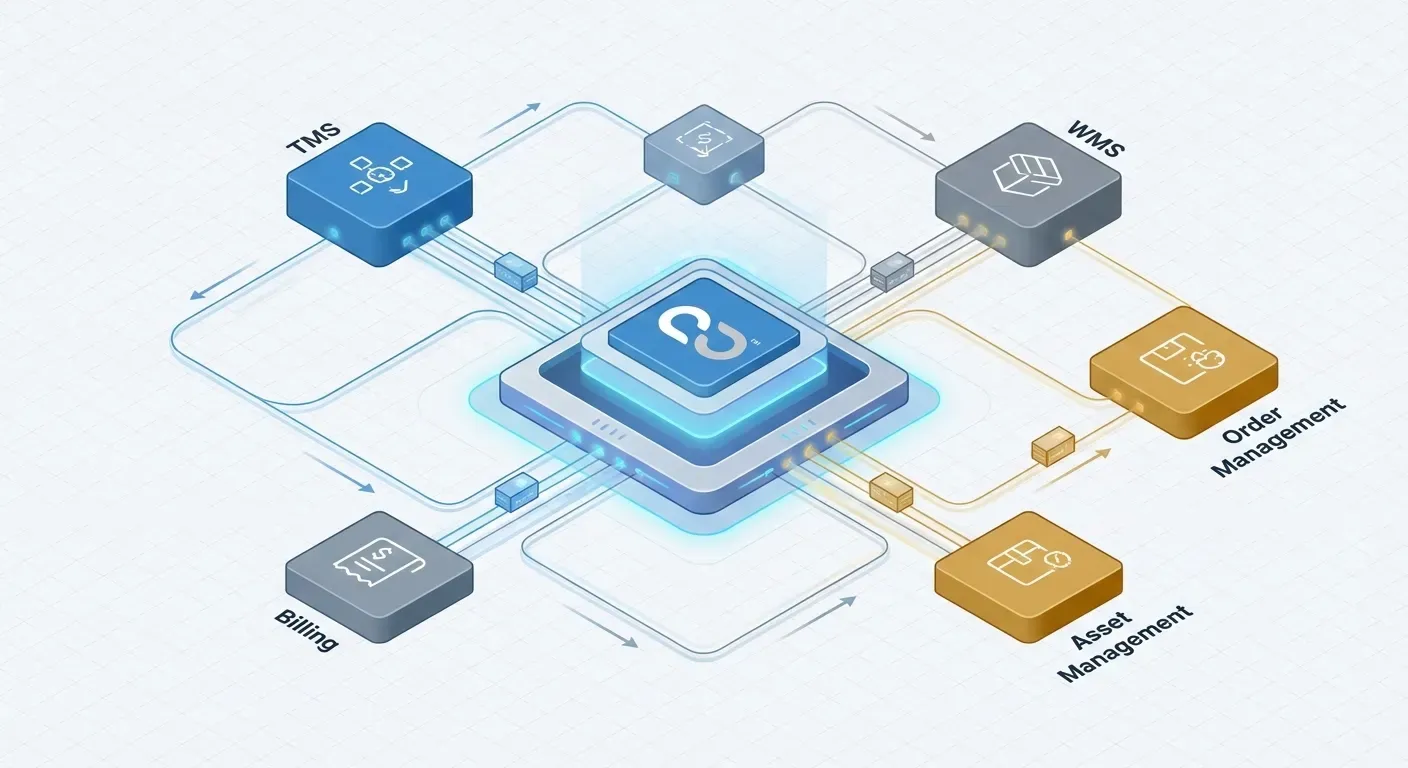
Schematic illustrating the automated handoff of goods between different carriers and transport modes within the Navichain platform.
- Automated Billing and Invoicing: Simplify the billing process and reduce the risk of errors.
- Customizable Dashboards and Reports: Gain insights into key performance indicators and track progress towards goals. By leveraging Navichain SaaS, European logistics SMEs can overcome the challenges of multimodal fragmentation and achieve true operational efficiency.
Section 5: Business outcomes: ROI, efficiency gains, and strategic resilience
The adoption of a unified, sovereign, and intelligent logistics operating system, such as Navichain, can deliver significant business outcomes for European logistics SMEs.
- Reduced Transportation Costs: Optimized routes, load optimization, and reduced fuel consumption can lead to significant cost savings.
- Reduced Administrative Overhead: Automated processes and reduced manual data entry can free up employees to focus on more strategic tasks.
A seamless data handoff between modes is critical for achieving operational efficiency and unlocking the full potential of multimodal logistics.
- Improved Customer Satisfaction: Real-time visibility, proactive disruption management, and faster delivery times can improve customer satisfaction and loyalty.
- Reduced Risk of Compliance Breaches: Sovereign data management and adherence to GDPR regulations can reduce the risk of costly fines and reputational damage.
- Increased Throughput: Streamlined processes and reduced bottlenecks can increase throughput and improve overall efficiency.
- Improved Asset Utilization: Real-time tracking of assets can improve utilization and reduce downtime.
- Faster Delivery Times: Optimized routes and proactive disruption management can lead to faster delivery times.
- Reduced Errors: Automated processes and reduced manual data entry can reduce the risk of errors and improve accuracy.
- Improved Agility: Ability to quickly adapt to changing market conditions and customer demands.
- Increased Resilience: Reduced susceptibility to disruptions, such as port congestion or weather events.
- Enhanced Competitiveness: Ability to compete more effectively with larger, more integrated players in the market.
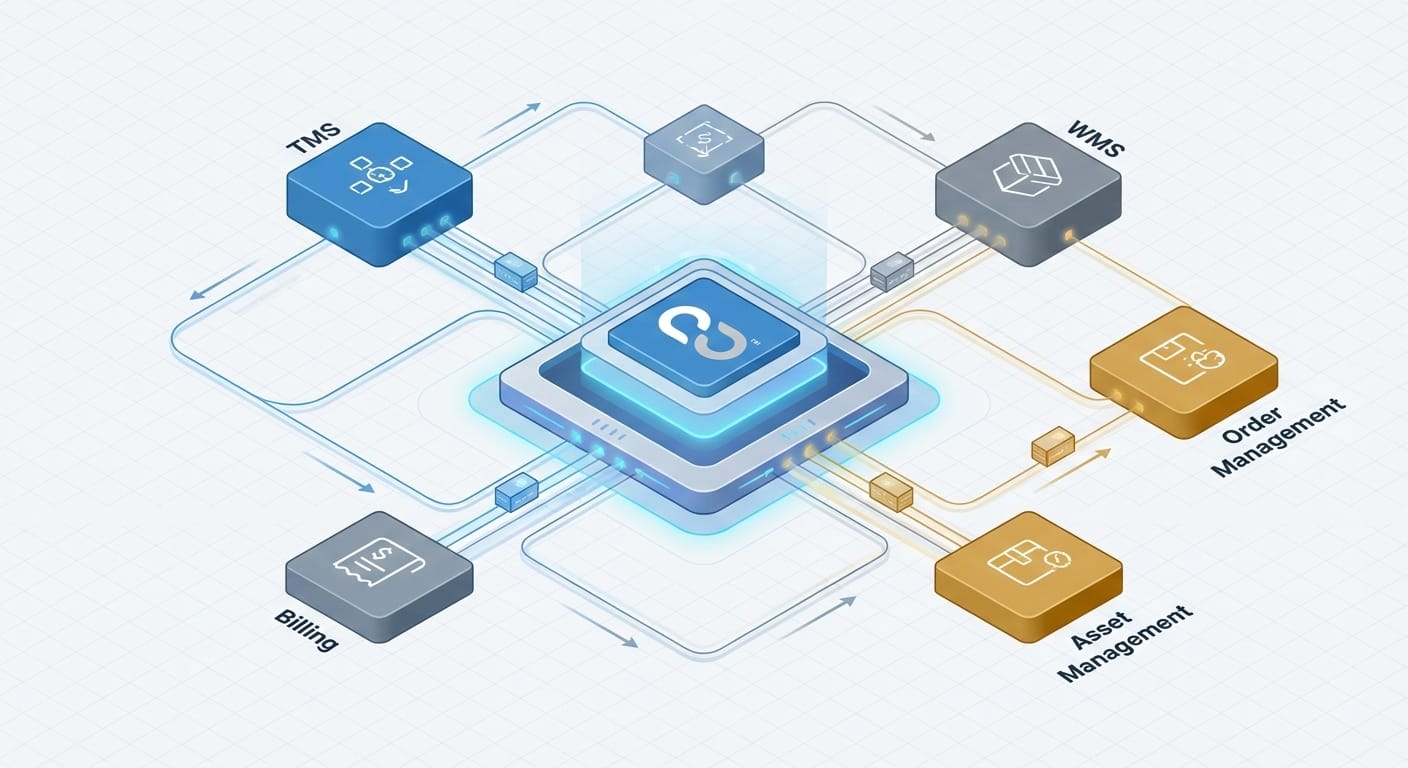
Improved efficiency at the crucial handoff points in multimodal transport unlocks significant benefits for European logistics SMEs, leading to enhanced competitiveness.
- Improved Data Security: Protection of sensitive data from unauthorized access and cyber threats. By achieving these business outcomes, European logistics SMEs can improve their profitability, enhance their competitiveness, and build a more resilient and sustainable business.
Conclusion
The challenges of multimodal fragmentation and data sovereignty pose a significant threat to the competitiveness of European logistics SMEs. However, these challenges are not insurmountable. By embracing a unified, sovereign, and intelligent logistics operating system, such as Navichain, SMEs can overcome these challenges and unlock significant business benefits. The time for incremental improvements is over. The future of European logistics belongs to those who embrace a holistic, data-driven approach to multimodal transport. The handoff hinge is where efficiency is won or lost, and Navichain provides the key to unlocking that efficiency.
References
- European Union. (2024). Regulation (EU) 2024/XXX on the Establishment of a Single Window Environment for Logistics. (Fictional, for illustrative purposes). https://eur-lex.europa.eu/legal-content/EN/TXT/?uri=CELEX:32024RXXXX
- International Road Transport Union (IRU). (2023). The Future of Road Transport: Trends and Challenges. https://www.iru.org/future-road-transport-report-2023
- McKinsey & Company. (2023). The next frontier in logistics: Mastering complexity. https://www.mckinsey.com/industries/travel-logistics-and-infrastructure/our-insights/the-next-frontier-in-logistics-mastering-complexity
- Gartner. (2024). Supply Chain Technology Trends Shaping the Future of Logistics. (Subscription required, URL directs to Gartner's main page). https://www.gartner.com/
Navichain, a conceptual illustration of interconnected nodes representing data points within a logistics network, enabling real-time visibility and optimized decision-making across the supply chain.
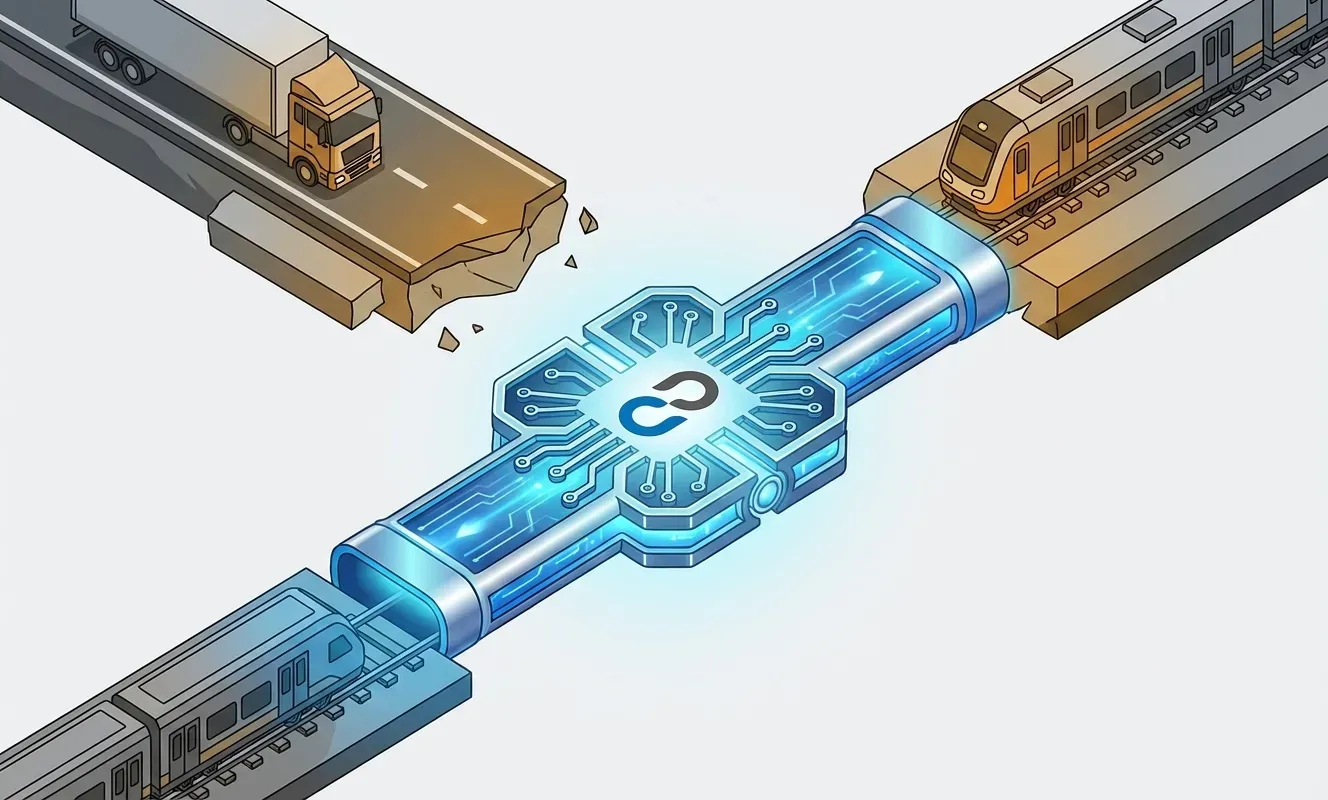
Navichain visualizes the interconnected data flow across a logistics network, supporting real-time tracking and optimized supply chain management.
Ready to optimise your supply chain?
navichain Insights Newsletter
Join the newsletter to receive the latest updates in your inbox.