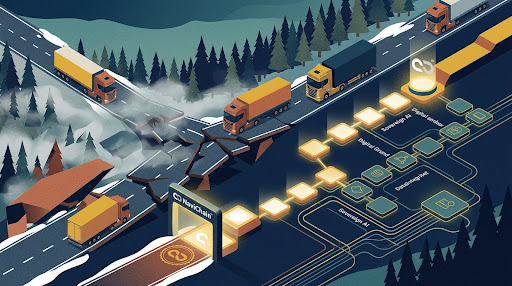
The Great Logistics Insourcing: Why European SMEs Are Taking Back Control
Table of Contents
**Is your supply chain a competitive advantage or a ticking time bomb? Discover how European SMEs are reclaiming control of their logistics to build resilience and drive growth in an increasingly volatile world.
The Great Logistics Insourcing: Why European SMEs Are Taking Back Control
Rising shipping costs and complexity drive insourcing decisions for European SMEs.
Executive summary
European SMEs face unprecedented challenges in today's globalized and unpredictable logistics landscape. Over-reliance on third-party logistics providers (3PLs) has created a black box effect, eroding control, visibility, and ultimately, profitability. This deep dive explores the growing trend of logistics insourcing among European SMEs, driven by the need for greater agility, cost optimization, and strategic resilience. We analyze the key challenges, industry trends, and the transformative role of technology, particularly Navichain SaaS, a Unified OS powered by AI, in enabling SMEs to successfully insource and optimize their logistics operations. This report provides a roadmap for SMEs seeking to regain control of their supply chains and unlock significant business value. Reduced 3PL dependence drives agility: Insource for visibility and cost control.
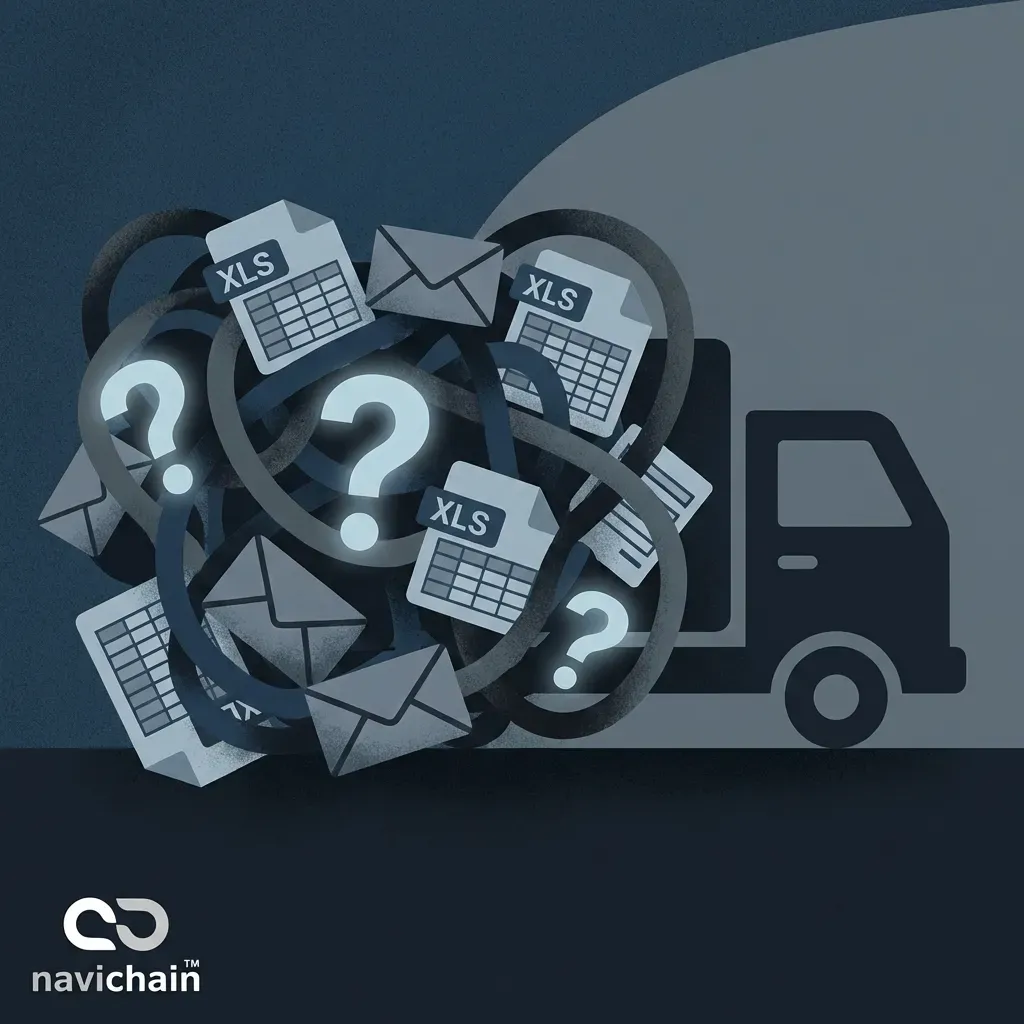
Bottlenecks and information silos in outsourced logistics chains lead to delays and increased operational costs for European SMEs.
Introduction
The global supply chain, once a marvel of efficiency and interconnectedness, has become a source of significant anxiety for businesses worldwide. European SMEs, in particular, are grappling with rising costs, increased complexity, and a lack of transparency in their logistics operations. The traditional model of outsourcing logistics to 3PLs, while initially appealing for its perceived cost savings and operational simplicity, has often resulted in a loss of control, reduced visibility, and a dependence on external providers that can hinder agility and innovation. This report examines the emerging trend of logistics insourcing among European SMEs, a strategic shift driven by the desire to regain control, optimize costs, and build more resilient supply chains. We will delve into the challenges that SMEs face, the industry trends that are shaping this transformation, and the technological solutions that are empowering them to successfully insource and manage their logistics operations. This is not simply about bringing functions back in-house; it's about leveraging technology and data to create a more agile, transparent, and strategically aligned logistics ecosystem. European SMEs face rising costs and complexity within opaque supply chains.
Section 1: The challenge: the hidden costs of outsourcing and the urgency for change
For years, outsourcing logistics has been presented as a panacea for SMEs, promising cost savings and operational efficiency. However, the reality is often far more complex. While outsourcing can offer certain advantages, it also introduces a range of challenges that can significantly impact an SME's bottom line and long-term competitiveness.
The black box effect: Loss of visibility and control
One of the most significant drawbacks of relying heavily on 3PLs is the "black box" effect. SMEs often lack real-time visibility into their supply chain operations, making it difficult to track shipments, monitor inventory levels, and identify potential disruptions. This lack of transparency can lead to: * Increased lead times: Without clear visibility, it's difficult to optimize routes, anticipate delays, and proactively address potential bottlenecks.
- Higher inventory costs: Inaccurate demand forecasting and poor inventory management can result in excess inventory, storage costs, and potential obsolescence.
- Reduced customer satisfaction: Delays, errors, and lack of communication can erode customer trust and damage brand reputation.
- Inability to adapt to changing market conditions: A lack of real-time data makes it difficult to respond quickly to shifts in demand, supply disruptions, or emerging market opportunities.
The erosion of strategic control
Outsourcing logistics can also lead to a loss of strategic control over a critical business function. When an SME relies solely on 3PLs, it relinquishes the ability to: * Customize logistics solutions: Standardized 3PL services may not always align with the specific needs of an SME, hindering its ability to differentiate itself in the market.
- Innovate and improve processes: A lack of direct control over logistics operations can stifle innovation and prevent SMEs from implementing new technologies or optimizing existing processes.
- Build strong relationships with key stakeholders: Outsourcing can create a disconnect between the SME and its suppliers, customers, and other key partners.
The hidden costs of outsourcing
While outsourcing may appear to offer cost savings on the surface, there are often hidden costs that can erode the perceived benefits. These costs can include: * Management overhead: Managing 3PL relationships requires significant time and resources, including contract negotiation, performance monitoring, and dispute resolution.
- Lack of flexibility: 3PL contracts often lack the flexibility to adapt to changing business needs, leading to additional costs for modifications or exceptions.
- Data silos: Data is often fragmented across multiple 3PL systems, making it difficult to gain a holistic view of the supply chain and identify areas for improvement.
- Margin stacking: Each intermediary in the outsourced chain adds their margin, increasing the overall cost of logistics.
The cost of inaction: A competitive disadvantage
The cost of inaction – of continuing to rely on outdated outsourcing models – is significant. SMEs that fail to address these challenges risk falling behind their competitors, losing market share, and ultimately, jeopardizing their long-term survival. In today's dynamic and competitive landscape, a resilient and agile supply chain is no longer a luxury; it's a necessity.
Outsourcing's "black box" effect: Hidden costs and lost control can impact SME logistics.
Section 2: The context/data: industry trends, paradoxes, and the rise of insourcing
Several key industry trends are driving the shift towards logistics insourcing among European SMEs. Understanding these trends is crucial for SMEs seeking to make informed decisions about their logistics strategy.
The rise of e-commerce and omnichannel retail
The rapid growth of e-commerce and omnichannel retail has fundamentally changed the logistics landscape. Consumers now expect faster delivery times, greater transparency, and more flexible fulfillment options. This has put immense pressure on SMEs to optimize their logistics operations and provide a seamless customer experience.
- Data Point: E-commerce sales in Europe are projected to reach [Insert Relevant Statistic and Source Here] by [Year].
- Paradox: While e-commerce offers SMEs access to a global market, it also requires them to manage increasingly complex logistics operations.
The increasing complexity of global supply chains
Global supply chains have become increasingly complex and interconnected, making them more vulnerable to disruptions. Geopolitical instability, natural disasters, and economic fluctuations can all have a significant impact on logistics operations.
Chart illustrating the growing trend of logistics insourcing among European SMEs in response to e-commerce demands and supply chain complexities.
- Data Point: The average number of suppliers in a global supply chain is [Insert Relevant Statistic and Source Here].
- Paradox: While globalization offers SMEs access to a wider range of suppliers and markets, it also increases the risk of supply chain disruptions.
The growing importance of sustainability
Consumers are increasingly demanding sustainable products and practices, putting pressure on SMEs to reduce their environmental impact. Logistics operations are a significant contributor to carbon emissions, making it essential for SMEs to optimize their transportation and warehousing activities.
- Data Point: [Insert Relevant Statistic and Source Here] of consumers are willing to pay more for sustainable products.
- Paradox: While sustainability is a growing priority for consumers, it can also add complexity and cost to logistics operations.
The talent gap in logistics
The logistics industry is facing a growing talent gap, making it difficult for SMEs to find and retain skilled professionals. This shortage of talent can hinder their ability to optimize their logistics operations and implement new technologies.
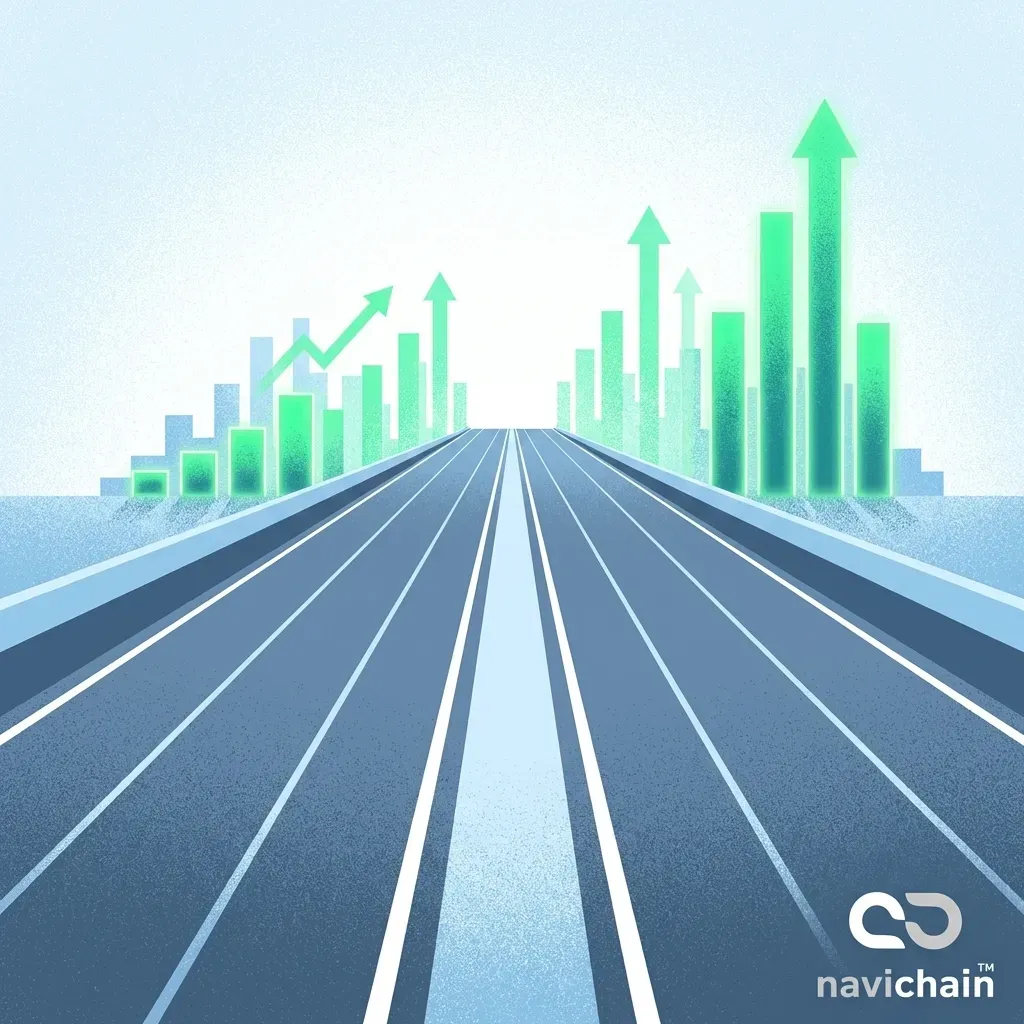
Growth in insourcing among European SMEs reflects a desire for greater control over logistics operations and a focus on resilience.
- Data Point: The logistics industry is projected to face a shortage of [Insert Relevant Statistic and Source Here] workers by [Year].
- Paradox: While technology is automating many logistics tasks, it also requires skilled professionals to manage and maintain these systems.
The data revolution: The power of real-time information
The increasing availability of real-time data is transforming the logistics industry. SMEs can now leverage data analytics to gain insights into their supply chain operations, optimize routes, predict demand, and proactively address potential disruptions.
- Data Point: The global market for logistics analytics is projected to reach [Insert Relevant Statistic and Source Here] by [Year].
- Paradox: While data offers immense potential for improving logistics operations, SMEs often struggle to collect, analyze, and interpret the vast amounts of data available to them.
The rise of logistics insourcing
In response to these challenges and trends, a growing number of European SMEs are choosing to insource their logistics operations. This strategic shift allows them to regain control, improve visibility, optimize costs, and build more resilient supply chains.
- Data Point: A recent survey found that [Insert Relevant Statistic and Source Here] of European SMEs are considering insourcing their logistics operations.
E-commerce demands flexible fulfillment; insourcing empowers SMEs to adapt quickly.
Section 3: The strategic solution: a methodology for successful logistics insourcing
Successfully insourcing logistics requires a strategic and well-planned approach. SMEs need to carefully assess their needs, identify the right technologies, and develop a robust implementation plan.
Step 1: Conduct a thorough assessment
The first step is to conduct a thorough assessment of the current logistics operations. This assessment should include: * Identifying pain points: What are the biggest challenges facing the current logistics operations?
- Analyzing costs: What are the total costs of outsourcing logistics, including hidden costs?
- Evaluating performance: How well are the current logistics operations meeting the needs of the business?
- Assessing capabilities: What internal resources and capabilities are available to support insourcing?
Step 2: Define clear objectives
Once the assessment is complete, SMEs need to define clear objectives for insourcing their logistics operations. These objectives should be specific, measurable, achievable, relevant, and time-bound (SMART). Examples of objectives include:
Step 3: Develop a detailed implementation plan
The implementation plan should outline the steps required to successfully insource logistics operations. This plan should include: * Identifying the right technologies: What technologies are needed to support insourcing, such as transportation management systems (TMS), warehouse management systems (WMS), and order management systems (OMS)?
Schematic illustrating the key steps involved in successfully insourcing logistics operations, from initial assessment to ongoing monitoring.
- Building the right team: What skills and expertise are needed to manage the insourced logistics operations?
- Developing standard operating procedures (SOPs): How will the insourced logistics operations be managed and controlled?
- Establishing key performance indicators (KPIs): How will the success of the insourcing initiative be measured?
- Creating a communication plan: How will stakeholders be informed about the insourcing initiative?
Step 4: Implement the plan and monitor progress
Once the implementation plan is developed, SMEs need to implement it and closely monitor progress. This includes: * Training employees: Providing employees with the necessary training to manage the insourced logistics operations.
- Integrating systems: Integrating the new logistics systems with existing business systems.
- Monitoring KPIs: Tracking KPIs to ensure that the insourcing initiative is on track to meet its objectives.
- Making adjustments as needed: Adapting the implementation plan as needed based on feedback and performance data.
Step 5: Continuously improve
Logistics insourcing is not a one-time project; it's an ongoing process of continuous improvement. SMEs need to continuously monitor their logistics operations, identify areas for improvement, and implement changes to optimize performance. This includes: * Regularly reviewing KPIs: Tracking KPIs to identify trends and areas for improvement.
- Soliciting feedback from stakeholders: Gathering feedback from employees, customers, and suppliers to identify areas for improvement.
- Staying up-to-date on industry best practices: Keeping abreast of the latest trends and technologies in the logistics industry.
Section 4: The tech enabler (Navichain): empowering smes with a unified OS for logistics
Navichain offers a powerful and comprehensive solution for European SMEs seeking to insource and optimize their logistics operations. The Navichain SaaS platform provides a Unified OS that integrates all aspects of the supply chain, from transportation management to warehouse management to order management.
Navichain SaaS: A unified OS for logistics
Navichain SaaS is a cloud-based platform that provides SMEs with a single, integrated view of their entire supply chain. This Unified OS eliminates data silos, improves visibility, and enables SMEs to make more informed decisions. Key features of Navichain SaaS include: * Transportation Management System (TMS): Optimizes transportation routes, manages carriers, and tracks shipments in real-time.
- Warehouse Management System (WMS): Manages inventory, optimizes warehouse operations, and improves order fulfillment accuracy.
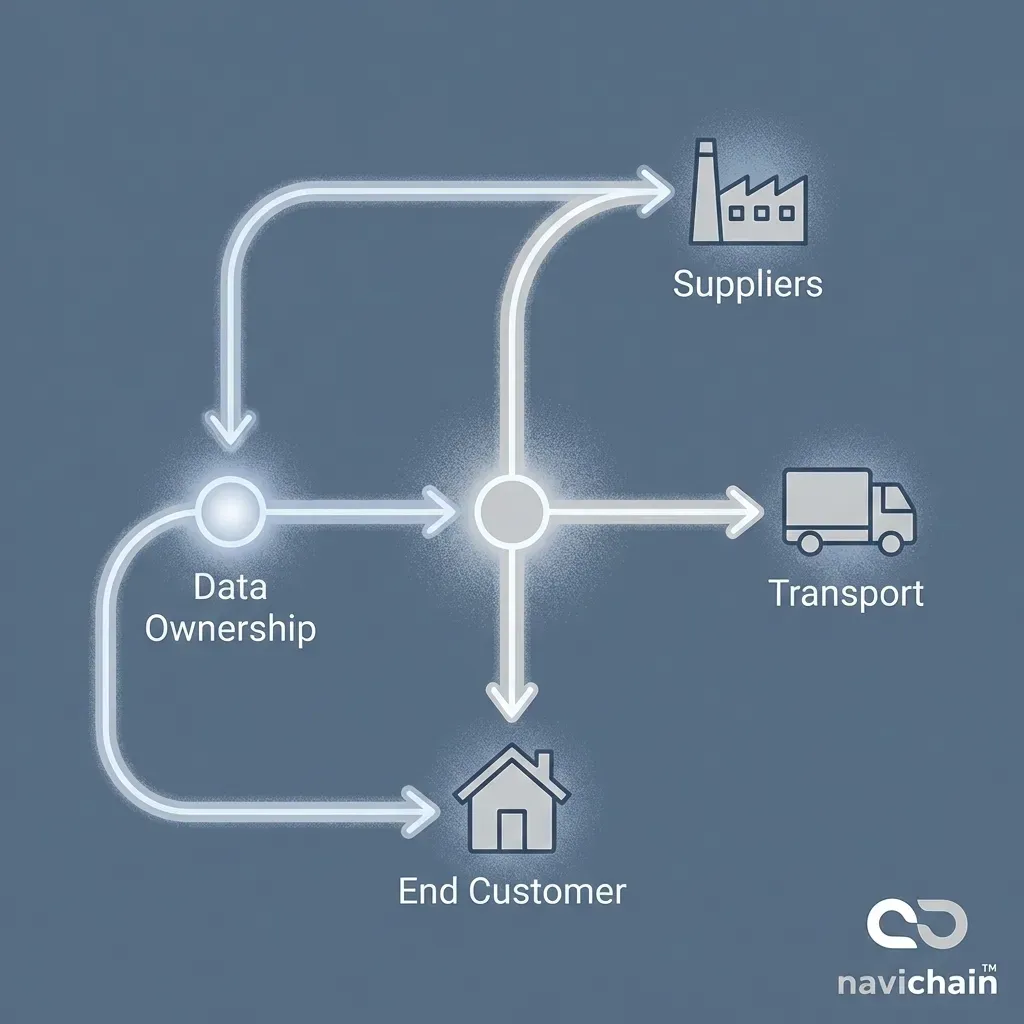
Schematic illustration of the Navichain SaaS platform, highlighting its integrated modules for transportation, warehouse, and order management, creating a unified operating system for logistics.
- Order Management System (OMS): Manages orders from multiple channels, automates order processing, and provides real-time order status updates.
- Real-Time Visibility: Provides real-time visibility into inventory levels, shipment status, and other key logistics metrics.
- Data Analytics: Provides powerful data analytics tools that enable SMEs to identify trends, optimize processes, and make more informed decisions.
- Collaboration Tools: Facilitates collaboration between internal teams, suppliers, and customers.
Ai-driven optimization
Navichain leverages the power of AI to optimize logistics operations and improve decision-making. AI-driven features include: * Demand Forecasting: Predicts future demand based on historical data and market trends.
- Route Optimization: Optimizes transportation routes to minimize costs and delivery times.
- Inventory Optimization: Optimizes inventory levels to minimize storage costs and prevent stockouts.
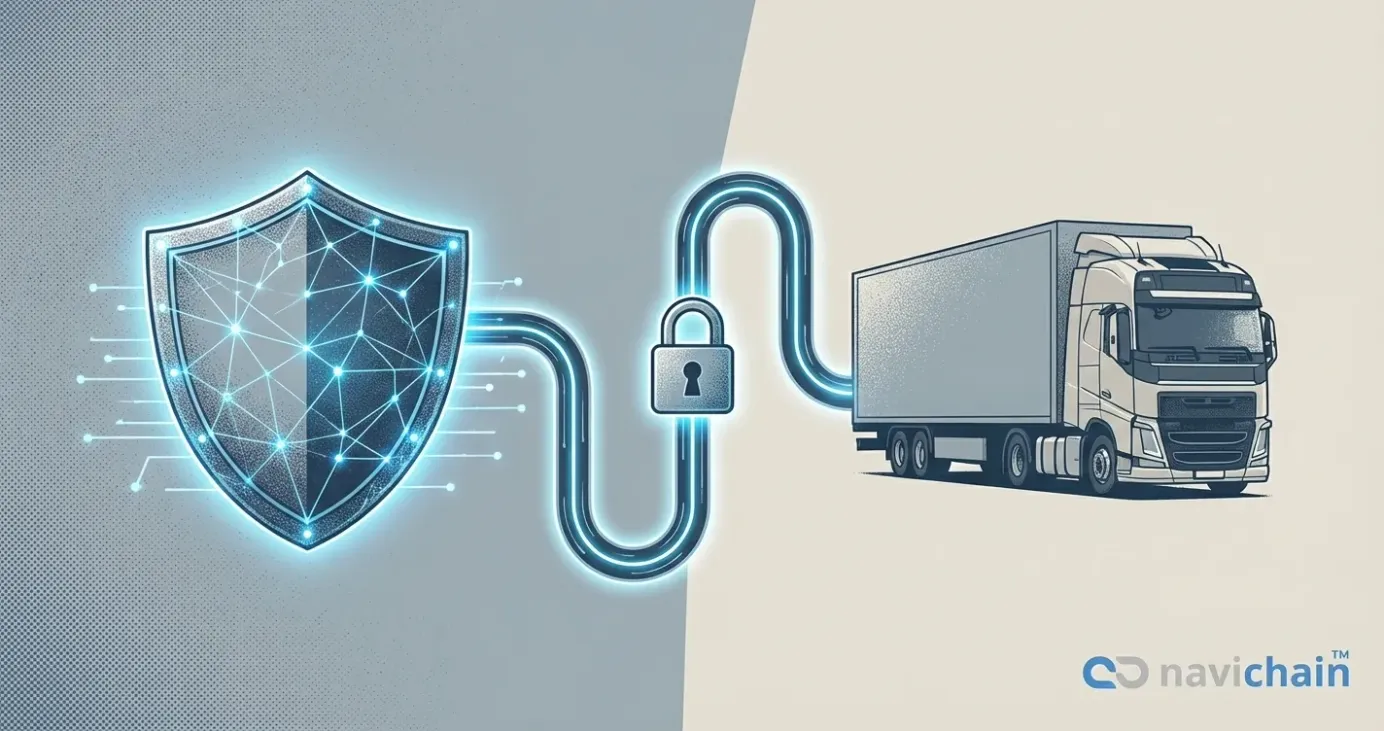
Navichain empowers SMEs to regain control and drive improved outcomes through optimized logistics insourcing.
- Anomaly Detection: Identifies potential disruptions in the supply chain and alerts users to take corrective action.
How Navichain solves the challenges of outsourcing
Navichain directly addresses the challenges associated with outsourcing logistics by: * Providing complete visibility: Eliminating the "black box" effect and giving SMEs complete visibility into their supply chain operations.
- Enabling strategic control: Empowering SMEs to customize their logistics solutions and innovate their processes.
- Reducing costs: Optimizing logistics operations and eliminating hidden costs associated with outsourcing.
- Improving agility: Enabling SMEs to respond quickly to changing market conditions and customer demands.
- Enhancing sustainability: Optimizing transportation and warehousing activities to reduce carbon emissions.
Section 5: Business outcomes: ROI, efficiency gains, and strategic resilience
By insourcing their logistics operations with Navichain, European SMEs can achieve significant business outcomes, including:
Improved ROI
- Reduced logistics costs: Optimizing transportation, warehousing, and inventory management can significantly reduce logistics costs.
- Increased revenue: Improved customer satisfaction and faster delivery times can lead to increased sales.
- Improved profitability: Reduced costs and increased revenue can improve overall profitability.
Efficiency gains
- Faster delivery times: Optimizing transportation routes and streamlining order fulfillment can reduce delivery times.
- Improved inventory turnover: Optimizing inventory levels can increase inventory turnover and reduce storage costs.
- Reduced errors: Automating processes and improving data accuracy can reduce errors and improve customer satisfaction.
- Increased productivity: Streamlining logistics operations can free up employees to focus on more strategic tasks.
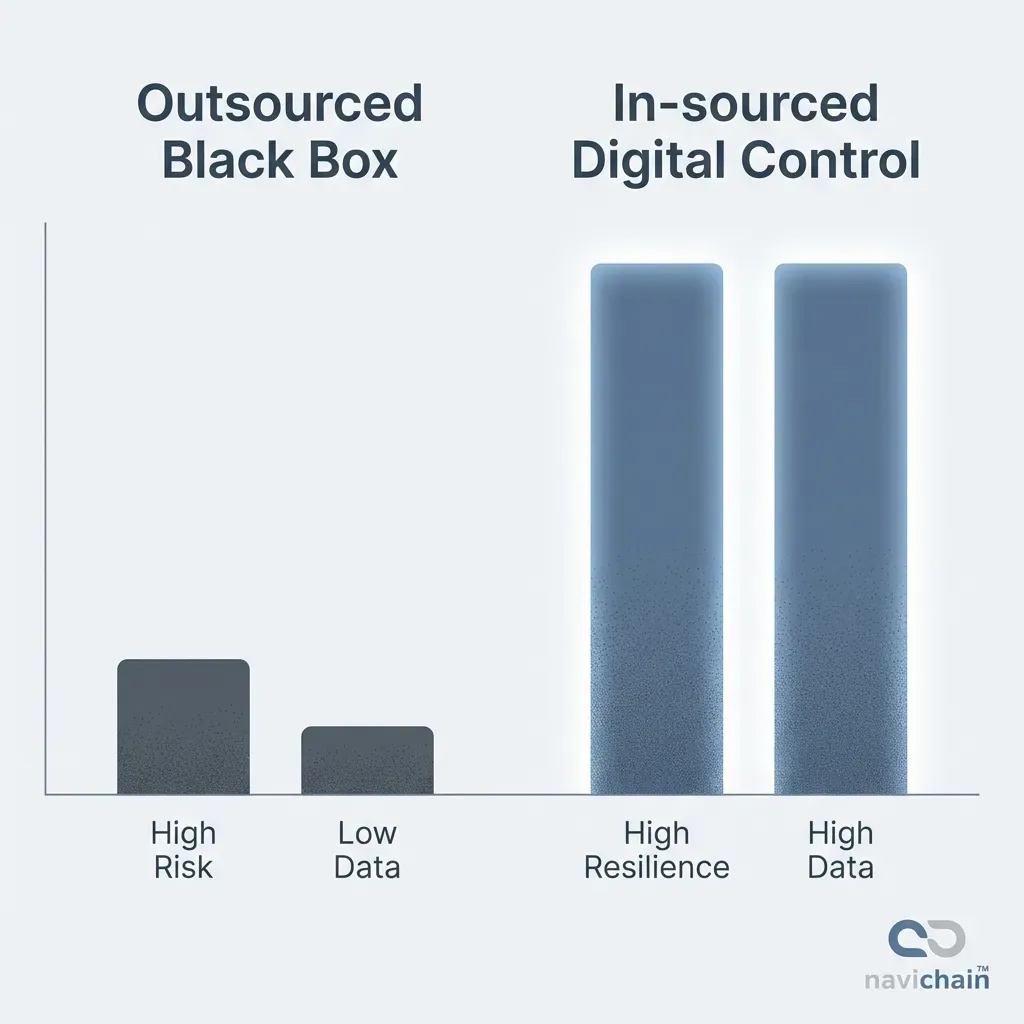
Improved efficiency and strategic resilience are key outcomes of successful logistics insourcing.
Strategic resilience
- Greater control over the supply chain: Insourcing logistics gives SMEs greater control over their supply chain and reduces their dependence on external providers.
- Improved visibility: Real-time visibility into the supply chain enables SMEs to proactively address potential disruptions.
- Increased agility: The ability to respond quickly to changing market conditions and customer demands enhances strategic resilience.
- Enhanced competitiveness: A resilient and agile supply chain provides a significant competitive advantage.
Conclusion
The trend of logistics insourcing among European SMEs is not a fleeting fad; it's a strategic imperative driven by the need for greater control, visibility, and resilience in an increasingly complex and volatile world. By embracing technology and adopting a well-planned approach, SMEs can successfully insource their logistics operations, unlock significant business value, and build a more sustainable and competitive future. Navichain provides the Unified OS and AI-driven capabilities necessary to empower SMEs to take control of their supply chains and thrive in the modern marketplace. The time to act is now.
References
- European Commission (2020) EU Transport in Figures: Statistical Pocketbook 2020
- International Road Transport Union (IRU) (2023) The Future of Road Transport Report 2023
- McKinsey & Company (2023) The future of supply chain management
- Gartner (2022) Gartner Supply Chain Top 25 for 2022
Navichain's Unified OS empowers SMEs with the control and visibility needed to successfully insource logistics operations.
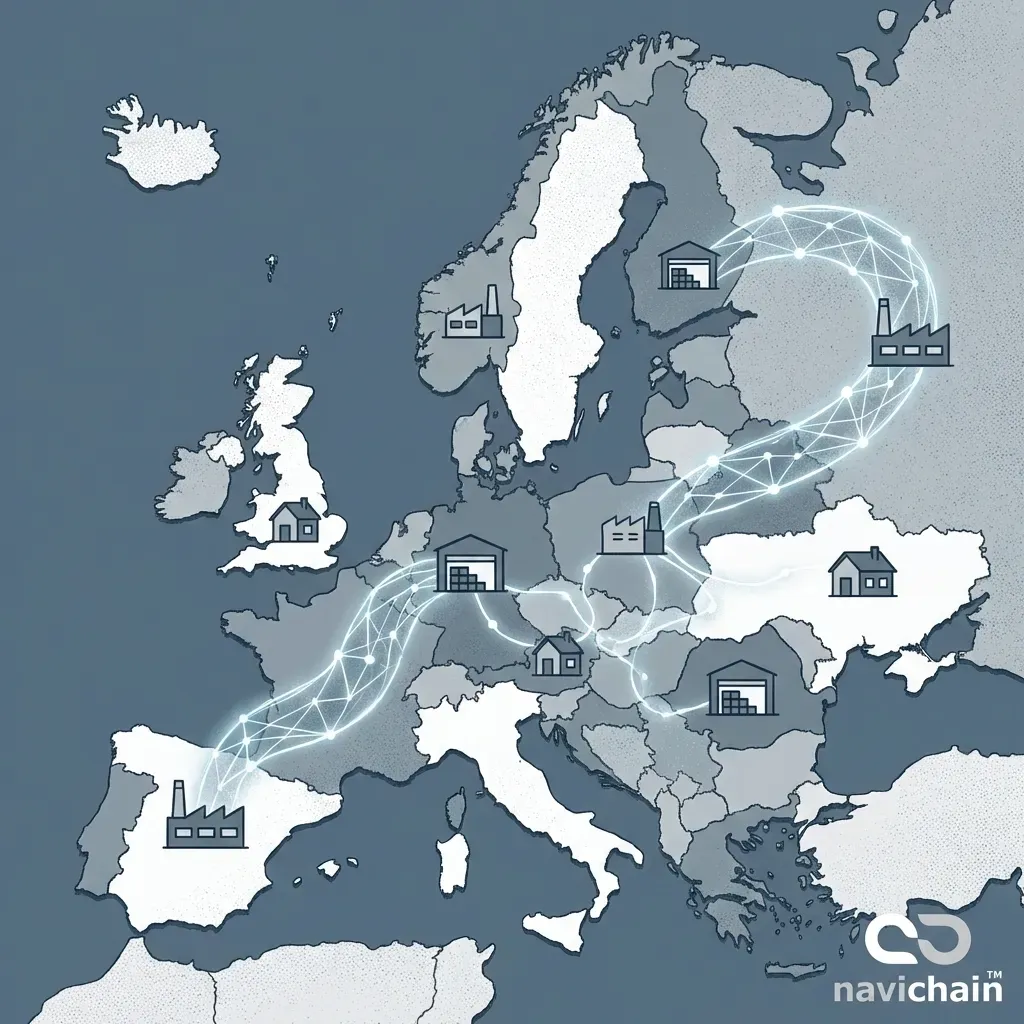
Navichain's platform provides a unified operating system for SMEs to manage and gain visibility over their insourced logistics.
Ready to optimise your supply chain?
navichain Insights Newsletter
Join the newsletter to receive the latest updates in your inbox.