The e-CMR Paradox: Why Your Implementation Isn't a Technology Project, It's a System Failure Test
Table of Contents

For European logistics SMEs, customer mandates for e-CMR are no longer a request but a requirement, potentially cutting documentation costs by 70% according to IRU estimates. But focusing solely on the 'app' misses the bigger picture: e-CMR exposes fragmented systems and costly data silos. This paper reframes e-CMR implementation as a strategic data integration opportunity, offering a 3-step framework to build a unified, efficient, and data-driven operational system.
The e-CMR Paradox: Why Your Implementation Isn''t a Technology Project, It''s
For European logistics SMEs, customer mandates for e-CMR are no longer a request; they're a requirement. The benefits are clear: the IRU estimates e-CMR can cut documentation costs by 70%. But this isn't a simple tech upgrade. This is the e-CMR Paradox. Focusing on the e-CMR 'app' misses the point. The mandate has exposed a deeper, costlier problem: your fragmented systems and data silos. This paper reframes e-CMR implementation from a 'bolt-on' IT problem to a strategic data integration opportunity. We present a 3-step framework to stop plugging leaks and instead build a unified, efficient, and data-driven operational system.
Introduction: When a customer mandate reveals everything
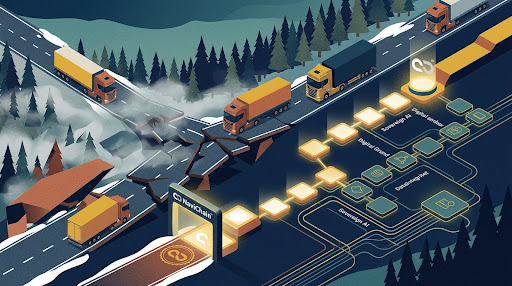
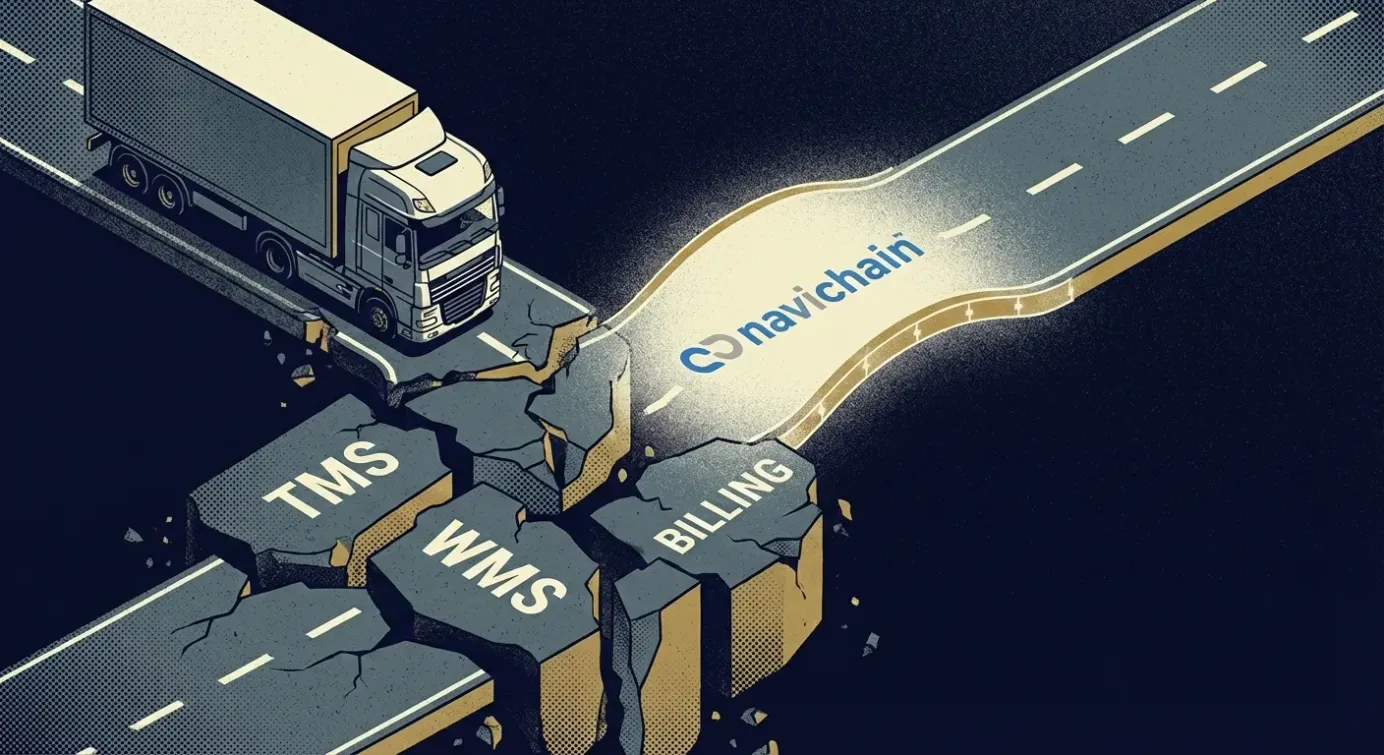
Fig 1: The demand has arrived from your key client: "As of next quarter, we require you to use e-CMR." For most Small to Medium-sized Enterprises (SMEs) in the Euro... The demand has arrived from your key client: "As of next quarter, we require you to use e-CMR." For most Small to Medium-sized Enterprises (SMEs) in the European haulage sector, this feels like one more burden. One more system to learn, one more cost to absorb, one more technical headache in a business of razor-thin margins. But what if this mandate isn't the problem? What if it's the catalyst? What if your customer has unintentionally given you the most powerful incentive to fix a much deeper, more expensive issue that has been silently draining your profitability for years? This is the e-CMR Paradox. The struggle to implement a digital consignment note is not about the e-CMR technology itself. It's about the fact that the mandate has exposed the painful, hidden costs of your system fragmentation. This white paper is not a technical manual for e-CMR. It is a strategic guide for transforming this customer requirement from a reactive cost into a proactive, high-return investment in your company's future. We will argue that the solution isn't to 'buy an e-CMR app,' but to adopt a Data Integration Strategy that solves the root cause of the problem—and a dozen others along with it.
The e-CMR mandate: a seemingly simple request that unveils the complexities of fragmented systems within European logistics SMEs.
The real challenge: The staggering cost of a fractured truth
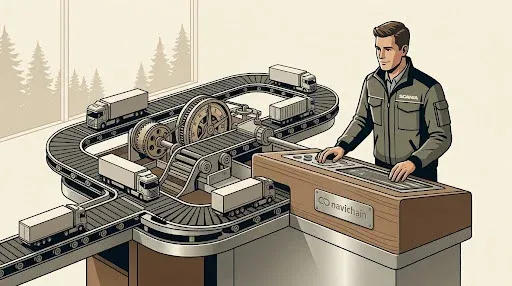
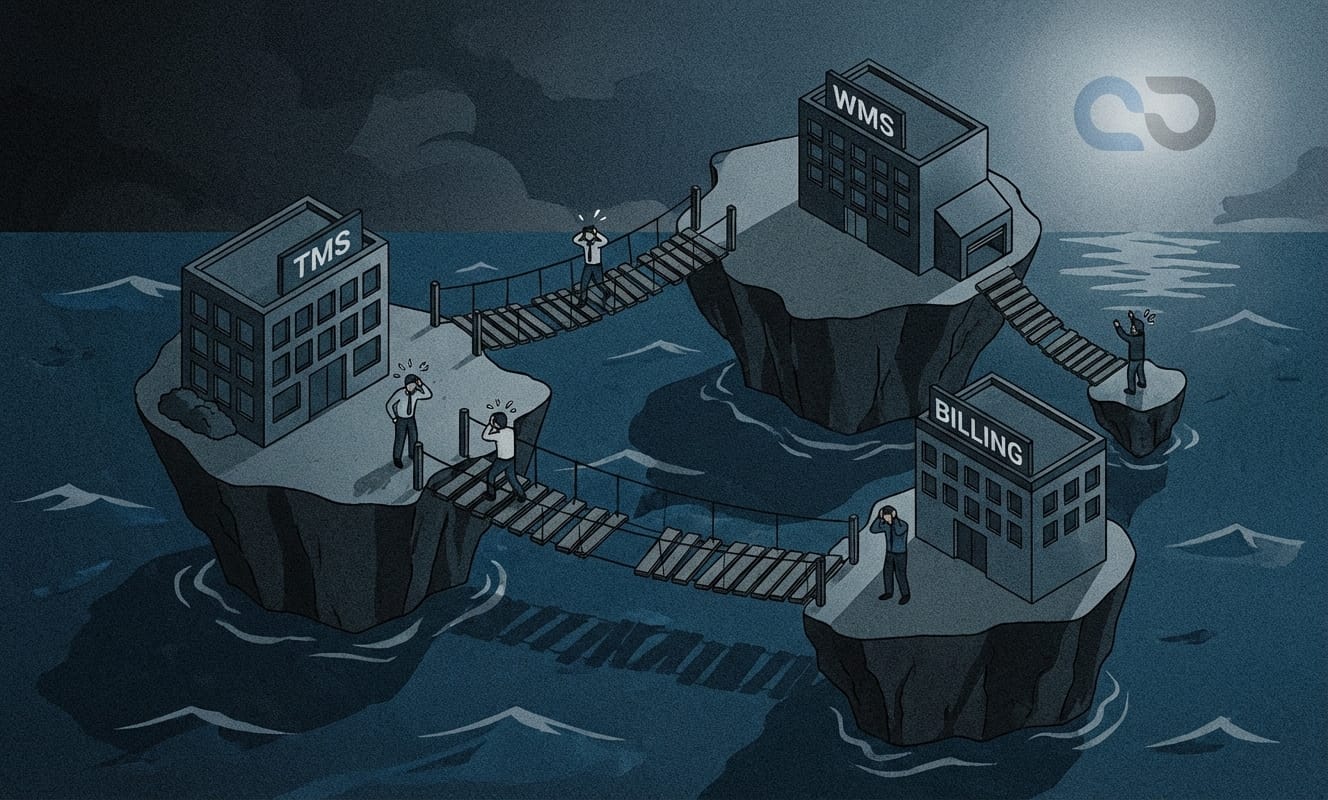
Fig 1: This is system fragmentation.
For the average SME hauler, the operational reality is not a seamless flow. It's a digital archipelago: * Order Management happens in one system (or an email inbox).
- Transport Planning happens in a standalone TMS (Transport Management System).
- Warehouse Status (WMS) is in another silo, if not on paper.
- Billing is in an accounting program that requires manual data entry from the TMS. Each system holds a small piece of the truth, but no single source of truth exists. This is system fragmentation. And it's incredibly expensive.
The hidden cost of manual integration
In this fragmented environment, your employees—planners, dispatchers, and admin staff—are forced to act as human 'APIs.' They spend their days manually copying and pasting data from one screen to another. The cost is astronomical. Research shows that office workers can spend nearly 20% of their work week—a full day—just searching for and gathering information from disconnected sources. Now, introduce the e-CMR mandate. This fragile, manual system shatters. Why? Because a digital consignment note is not an isolated event. To function, an e-CMR must: 1. PULL data from the TMS (what is being shipped, to where, by whom). 2. BE UPDATED in real-time by the driver (status, deviations, signature). 3. IMMEDIATELY PUSH data to the billing system (Proof of Delivery to trigger an invoice). 4. BE ACCESSIBLE to the client via a portal or notification. In a fragmented landscape, this isn't one integration; it's three, four, or five separate, brittle, and expensive point-to-point integrations. The IRU has identified this exact issue—a "lack of interoperability between platforms"—as one of the single biggest barriers to e-CMR adoption. Your implementation problem isn't e-CMR; it's the lack of a unified data foundation.
The path forward: A 3-step framework for strategic data integration
Fig 2: Solving this correctly not only solves the e-CMR problem but also automates dozens of other processes, unlocking the very efficiencies the IRU has quantified—such as a 70% reduction in documentatio...
Instead of 'patching' the system with another standalone solution, the e-CMR mandate forces a strategic choice. The path forward is to shift your focus from the technology (e-CMR) to the strategy (integration). Solving this correctly not only solves the e-CMR problem but also automates dozens of other processes, unlocking the very efficiencies the IRU has quantified—such as a 70% reduction in documentation costs and 59% faster processing times.
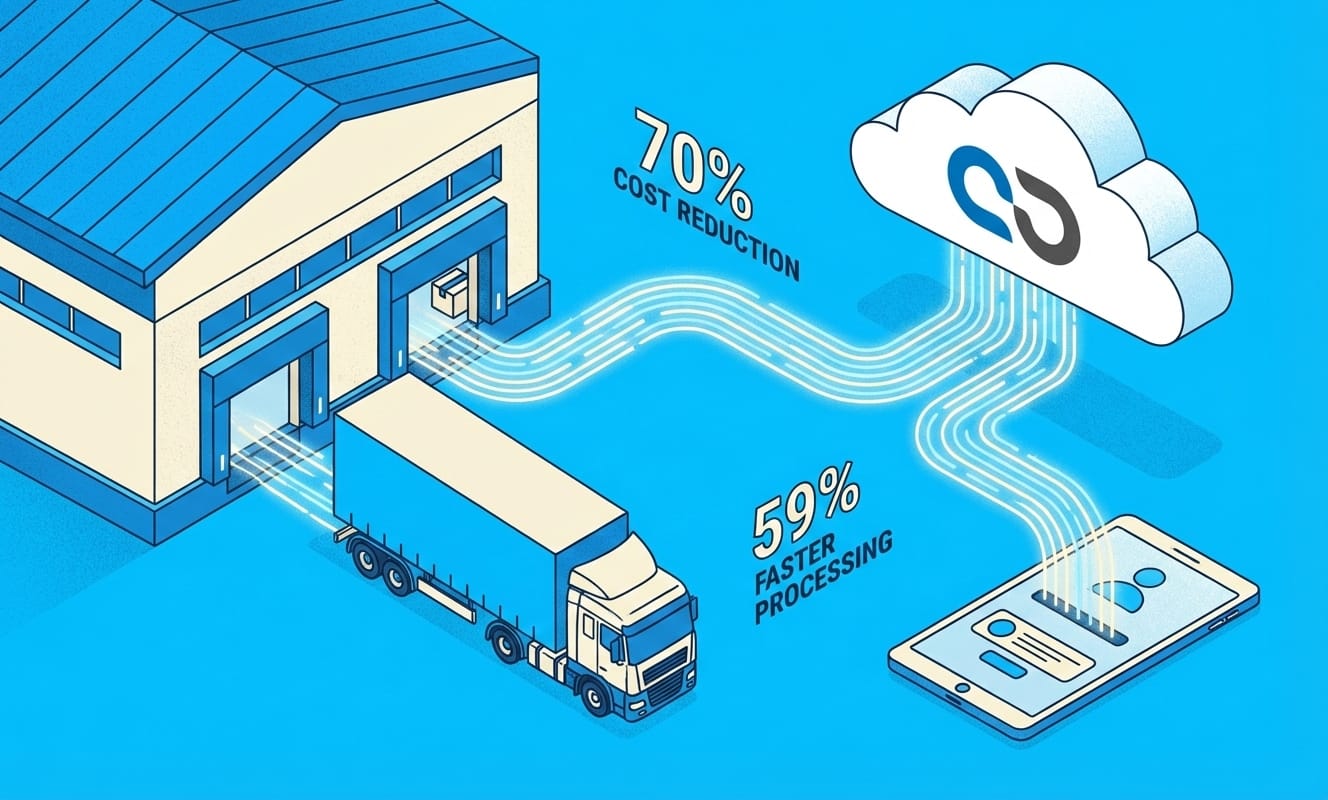
Illustrative representation of the fragmented data landscape, highlighting the multiple point-to-point integrations often required without a unified data foundation.
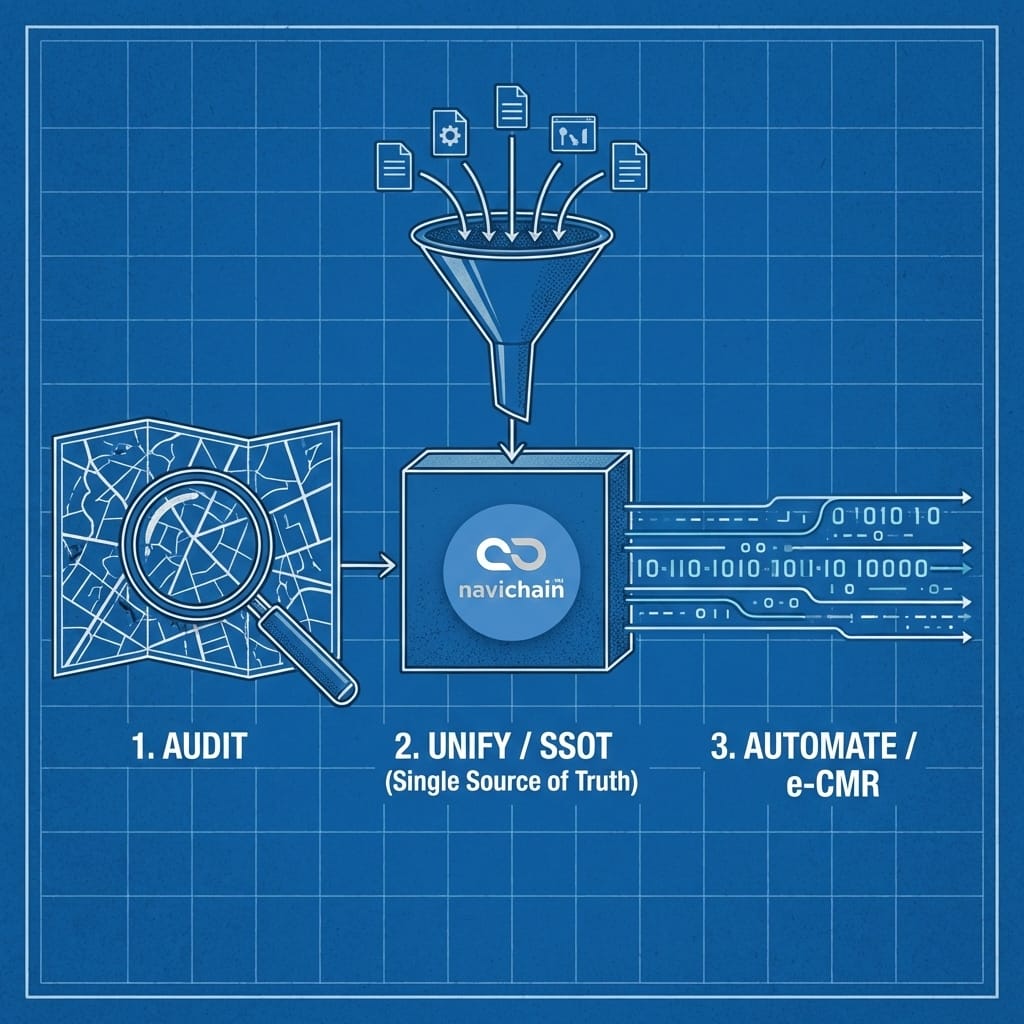
Step 1: Audit – where does your data live?
Before you can build a bridge, you must understand the gap. Start by creating a simple visual map of your core 'order-to-cash' data flow. For each step, ask: * What information is needed?
- Where is this information created (which system, which person)?
- Where does it need to go next?
- How does it get there (manual entry, email, upload)? You will quickly identify the bottlenecks, the manual handovers, and the data-entry 'danger zones.' This is your integration pain map.
Fig 3: Before you can build a bridge, you must understand the gap.
Step 2: Unify – create a single source of truth (SSOT)
The single most important goal is to eliminate data silos. You must move from a fractured truth to a Single Source of Truth (SSOT). In modern logistics, this means a platform where TMS, WMS, order management, and billing are not separate programs 'connected' to each other, but rather different modules of the same, unified operating system. When an order is created, it should exist once in the same system that will be used to plan its transport, track the asset (truck), and generate the invoice. The data is entered one time and flows seamlessly through the entire workflow.
Step 3: Automate – implement e-cmr as a native function
When you have a unified platform (Step 2), the 'implementation' of e-CMR becomes trivial. It is no longer a complex integration project; it is a native output of your existing workflow. 1. The planner creates a dispatch in the unified system. 2. The system automatically generates the e-CMR with all correct data (from the order, client, and asset modules). 3. The driver manages the e-CMR via their mobile device, which is natively connected to the same system. 4. Upon customer signature (Proof of Delivery), the status is updated in the system * instantly. 5. This status change automatically triggers the billing module to create and send a correct invoice. No re-keying, no delays. In this scenario, you haven't 'implemented e-CMR.' You have implemented an efficient, end-to-end logistics flow which includes e-CMR as a standard feature*.
From diagnosis to design: The blueprint for a resilient logistics operating system
Fig 4: To be future-proof, especially within the EU, a modern logistics platform for SMEs must be built on three core principles.
This strategic shift from fragmentation to integration requires a new kind of technical foundation. To be future-proof, especially within the EU, a modern logistics platform for SMEs must be built on three core principles.
Principle 1 - unified operational fabric
Stop thinking in terms of separate 'systems' (TMS, WMS, etc.). The future is a unified operational fabric—a central nervous system for your business. This platform must be designed from the ground up to manage the entire flow from order to cash within a single, consistent environment. This is the only way to achieve a true Single Source of Truth and eliminate the manual data-entry that kills your efficiency.
Principle 2 - secure data architecture and control
In an era of the eFTI regulation and GDPR, you can no longer afford to be unsure where your data is or who controls it. For European SMEs, true operational resilience requires complete control over your data environment. Your data is your most valuable asset. It must be stored and processed on secure infrastructure, under your own region's legal jurisdiction (e.g., within the EU/Sweden). This ensures straightforward GDPR compliance and insulates you from the complexities and risks of international data transfers.
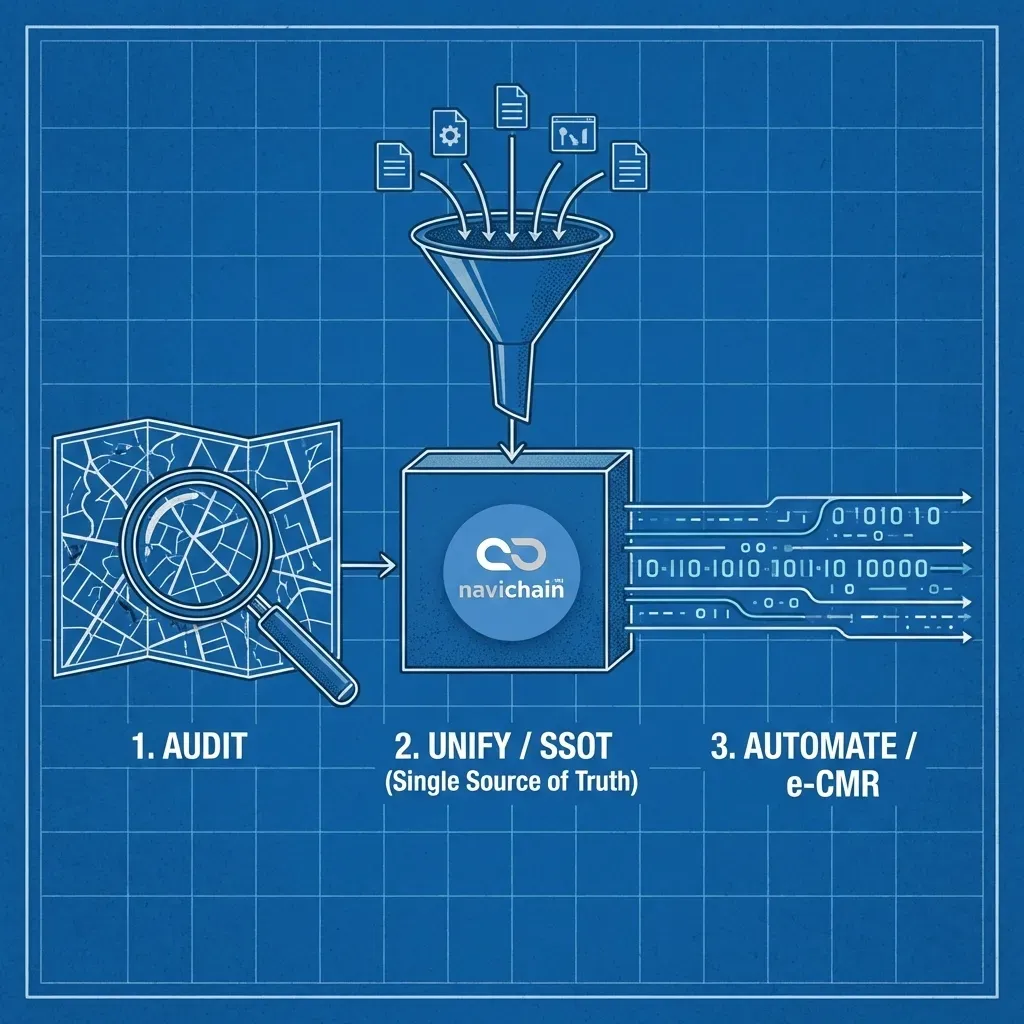
Fig 4 illustrates the three core principles – unified operational fabric, secure data architecture, and embedded analytic intelligence – underpinning a future-proof logistics platform for SMEs in the EU.
Principle 3 - embedded analytic intelligence
Data is only useful if it leads to insight. In a fragmented system, analysis is impossible because the data is incomplete. But in a unified platform (Principle 1) that is secured (Principle 2), your data becomes a goldmine. The final-mile solution is an embedded, integrated AI layer that can analyze 100% of your operational data within that secure environment. This AI can identify inefficient routes, optimize fleet utilization, and predict maintenance needs—unlocking the marginal gains your competitors cannot see.
References/sources
- CargoON (citing IRU): "eCMR: The Digital Future of Transport Documentation." (Provides 70% cost and 59% time savings data). https://cargoon.eu/en/community/blog/digitalisation/ecmr-digital-future-of-transport-documentation/
- International Road Transport Union (IRU): "How can we accelerate the adoption of e-CMR?" (Identifies 'lack of interoperability' as a key barrier). https://www.iru.org/news-resources/newsroom/how-can-we-accelerate-adoption-e-cmr
- LeverX: "How Data Silos Slowly Disrupt Your Business and How to Avoid It." (Provides 20% or 8-10 hours/week wasted time statistic). https://leverx.com/newsroom/how-data-silos-slowly-disrupt-your-business-and-how-to-avoid-it
- Folio3: "Supply Chain Data Integration | 7 Steps, Benefits & Tools." (Outlines formal data integration strategies). https://data.folio3.com/blog/supply-chain-data-integration/
- OECD: "Digitalisation of SMEs." (Covers SME-specific challenges like resource and financial limitations). https://www.oecd.org/en/topics/digitalisation-of-smes.html
Fig 4: This strategic shift from fragmentation to integration requires a new kind of technical foundation.
Enabling the blueprint: The navichain SaaS unified logistics platform
Fig 5: The strategic blueprint described in this white paper—a Unified Operational Fabric, Secure Data Architecture, and Embedded Intelligence—is precisely what we built navichain SaaS to be.
The strategic blueprint described in this white paper—a Unified Operational Fabric, Secure Data Architecture, and Embedded Intelligence—is precisely what we built navichain SaaS to be. We saw that European logistics SMEs were being left behind, forced to choose between expensive, fragmented systems or continuing with manual, inefficient processes. navichain SaaS is designed to democratize this technology.
- For Principle 1 (Unified Fabric): navichain SaaS is not 'integrated with' a TMS or WMS; it is your TMS, WMS, Order Management, Asset Management, and Billing. It is a single, unified platform that creates an immediate Single Source of Truth, eliminating data silos and manual entry from day one.
- For Principle 2 (Secure Data Control): This is our core differentiator. The entire navichain platform is hosted on our own secure infrastructure (Self-Hosted) in Sweden. Your data never leaves Swedish/EU jurisdiction. This guarantees maximum data security, resilience, and the most straightforward path to full GDPR compliance. You maintain complete control over your operational information.
navichain SaaS embodies the white paper's vision, providing a unified, secure, and intelligent logistics platform for European SMEs.
- For Principle 3 (Embedded Intelligence): On top of this unified, secure data foundation runs our integrated AI. Because it analyzes your data within our secure Swedish infrastructure, you can perform deep, secure data analysis to unlock unique efficiencies—without ever exposing your sensitive data to third-party risks. Implementing e-CMR in navichain SaaS isn't a project. It's a standard feature, a natural consequence of having a unified and intelligent platform. Stop patching systems and start building a foundation for the future.
Navichain's unified SaaS platform integrates TMS, WMS, order management, asset management, and billing into a single, secure source of truth, hosted within Swedish/EU jurisdiction.

Navichain's platform delivers a unified view of TMS, WMS, order and asset management, and billing data, all securely managed within Swedish/EU jurisdiction.
Ready to optimise your supply chain?
navichain Insights Newsletter
Join the newsletter to receive the latest updates in your inbox.