The e-CMR Opportunity: Unlock Efficiency and Customer Satisfaction by Fixing Your System, Not Just Installing an App
Table of Contents
Executive Summary
European logistics SMEs face growing pressure from e-CMR mandates and rising operational costs. Many struggle with fragmented systems, hindering efficient e-CMR adoption and impacting customer satisfaction. This white paper explores how disconnected data across TMS and WMS platforms leads to inefficiencies, increased errors, and poor visibility. We demonstrate that simply adopting an e-CMR app is insufficient without addressing underlying data integration issues. By implementing a unified logistics platform, SMEs can streamline processes, improve data accuracy, enhance communication, and ultimately boost both operational efficiency and customer satisfaction in the new e-CMR landscape.
For European logistics SMEs, customer mandates for e-CMR are becoming standard practice, offering potential documentation cost savings of up to 70%, according to IRU estimates. However, the real gains lie not just in adopting e-CMR, but in leveraging it to address underlying operational inefficiencies. This paper presents e-CMR implementation as an opportunity to achieve seamless data integration, enhanced operational efficiency, and improved customer satisfaction through a 3-step framework for a unified operational system.
The e-CMR Paradox: Why Your Implementation Isn''t a Technology Project, It''s
For European logistics SMEs, customer mandates for e-CMR are increasingly common. The potential benefits are significant: the IRU estimates e-CMR can reduce documentation costs by 70%. But focusing solely on the technology overlooks a crucial point: e-CMR adoption is an opportunity to transform your operations. This paper reframes e-CMR implementation, not as a mere software addition, but as a strategic initiative to optimise efficiency and drive customer satisfaction. We present a 3-step framework to build a unified, streamlined, and customer-centric operational system.
Introduction: When a customer mandate unlocks hidden efficiencies
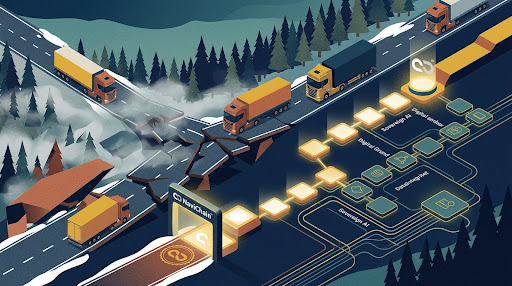
Fig 1: The demand has arrived from your key client: "As of next quarter, we require you to use e-CMR." For most Small to Medium-sized Enterprises (SMEs) in the Euro... The demand has arrived from your key client: "As of next quarter, we require you to use e-CMR." For many Small to Medium-sized Enterprises (SMEs) in the European haulage sector, this initially feels like another requirement to fulfil. One more digital tool to adopt in an already complex environment.
But what if this mandate is, in fact, a catalyst for positive change? What if your customer has inadvertently presented you with a powerful opportunity to enhance efficiency, reduce costs, and improve customer service?
This is the e-CMR Opportunity. The imperative to implement a digital consignment note highlights the potential to eliminate inefficiencies arising from system fragmentation. This white paper provides a strategic guide for leveraging this customer requirement into a high-return investment in your company's future. We argue that the optimal approach isn't simply to 'buy an e-CMR app,' but to implement a Data Integration Strategy that resolves the root causes of operational bottlenecks, improves customer interactions, and drives profitability.
*The e-CMR mandate: "2026-02-03"
The real challenge: Fragmented systems and diminished customer satisfaction
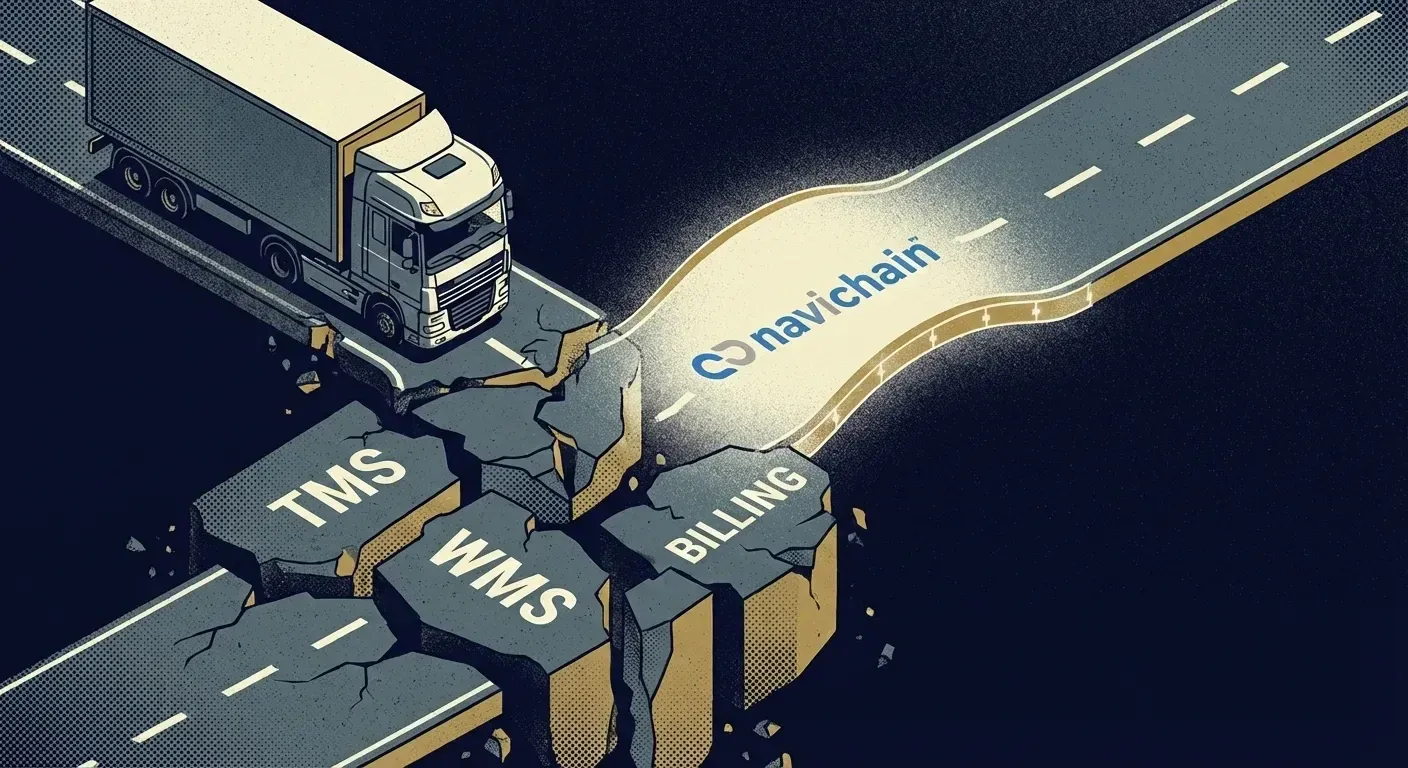
Fig 1: This is system fragmentation.
For the average SME hauler, the operational reality is often far from seamless: * Order Management happens in one system (or an email inbox).
- Transport Planning happens in a standalone TMS (Transport Management System).
- Warehouse Status (WMS) is in another silo, if not on paper.
- Billing is in an accounting program that requires manual data entry from the TMS. This fragmented landscape leads to inefficiencies, errors, and delays, ultimately impacting customer satisfaction.
The impact of manual integration on efficiency and customer service
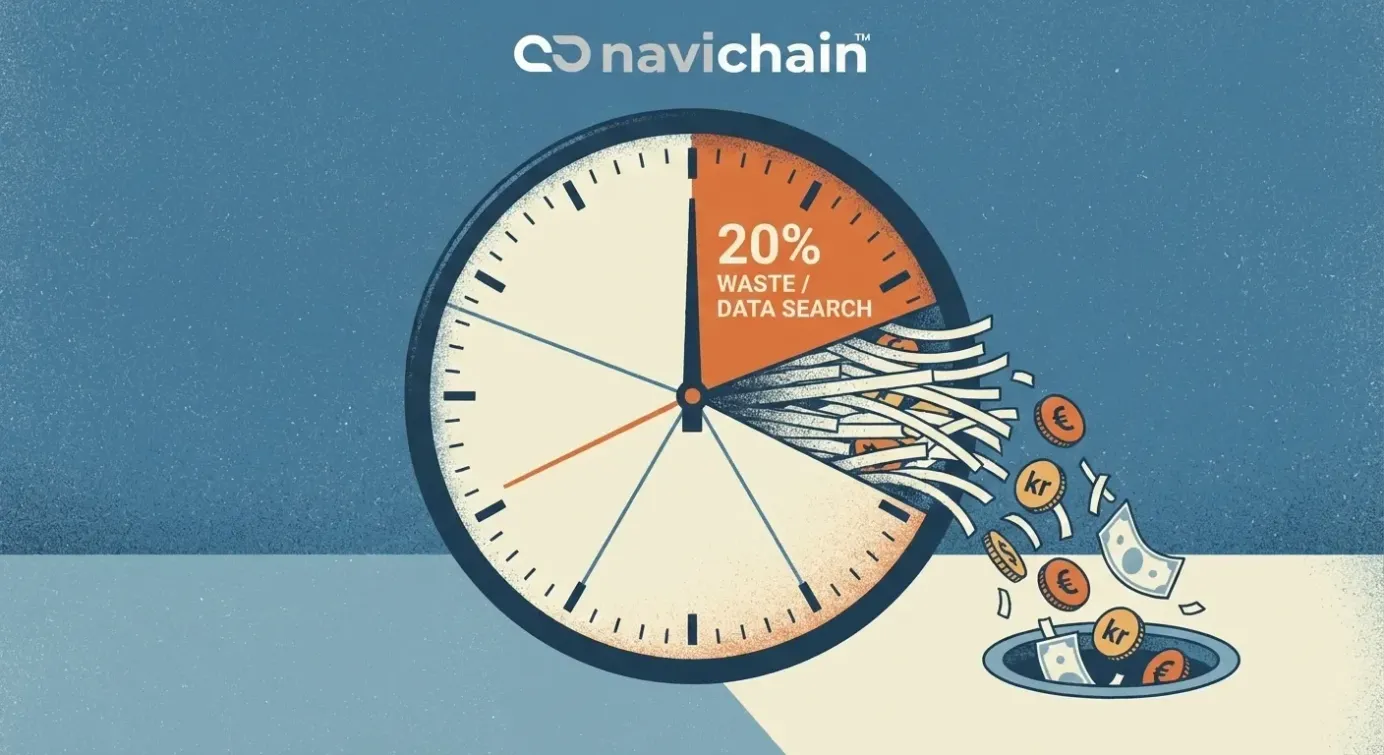
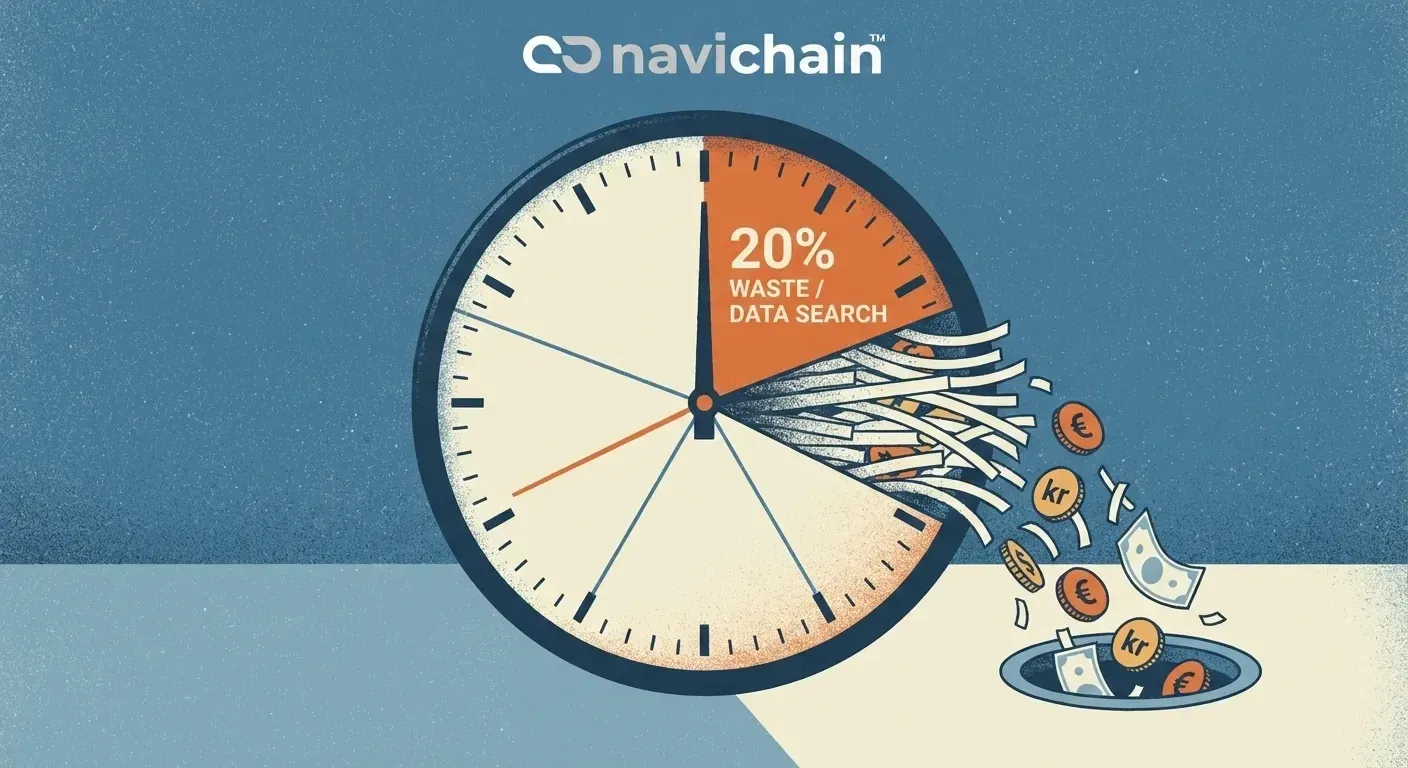
In this fragmented environment, employees spend significant time manually transferring data between systems. Research indicates that office workers can spend nearly 20% of their work week searching for and gathering information from disconnected sources. This time could be better spent focusing on customer needs and improving service quality. The e-CMR mandate highlights the limitations of this approach. To function effectively, an e-CMR must: 1. PULL data from the TMS (shipment details). 2. BE UPDATED in real-time by the driver (status updates, exceptions). 3. IMMEDIATELY PUSH data to the billing system (Proof of Delivery for invoicing). 4. BE ACCESSIBLE to the client via a portal or notification (real-time visibility). In a fragmented environment, this translates into multiple, complex integrations. The IRU identifies this "lack of interoperability between platforms" as a major barrier to e-CMR adoption. The core issue is the absence of a unified data foundation, hindering both efficiency and customer communication.
The path forward: A 3-step framework for strategic data integration
Fig 2: Solving this correctly not only solves the e-CMR problem but also automates dozens of other processes, unlocking the very efficiencies the IRU has quantified—such as a 70% reduction in documentatio...
Instead of viewing e-CMR as another isolated system, it should be the catalyst for a strategic shift towards integration. This involves moving your focus from individual technologies to a holistic strategy. Solving this effectively streamlines processes, enhances customer satisfaction, and unlocks the efficiencies the IRU has identified—such as a 70% reduction in documentation costs and 59% faster processing times.

Illustrative representation of the fragmented data landscape, highlighting the multiple point-to-point integrations often required without a unified data foundation.
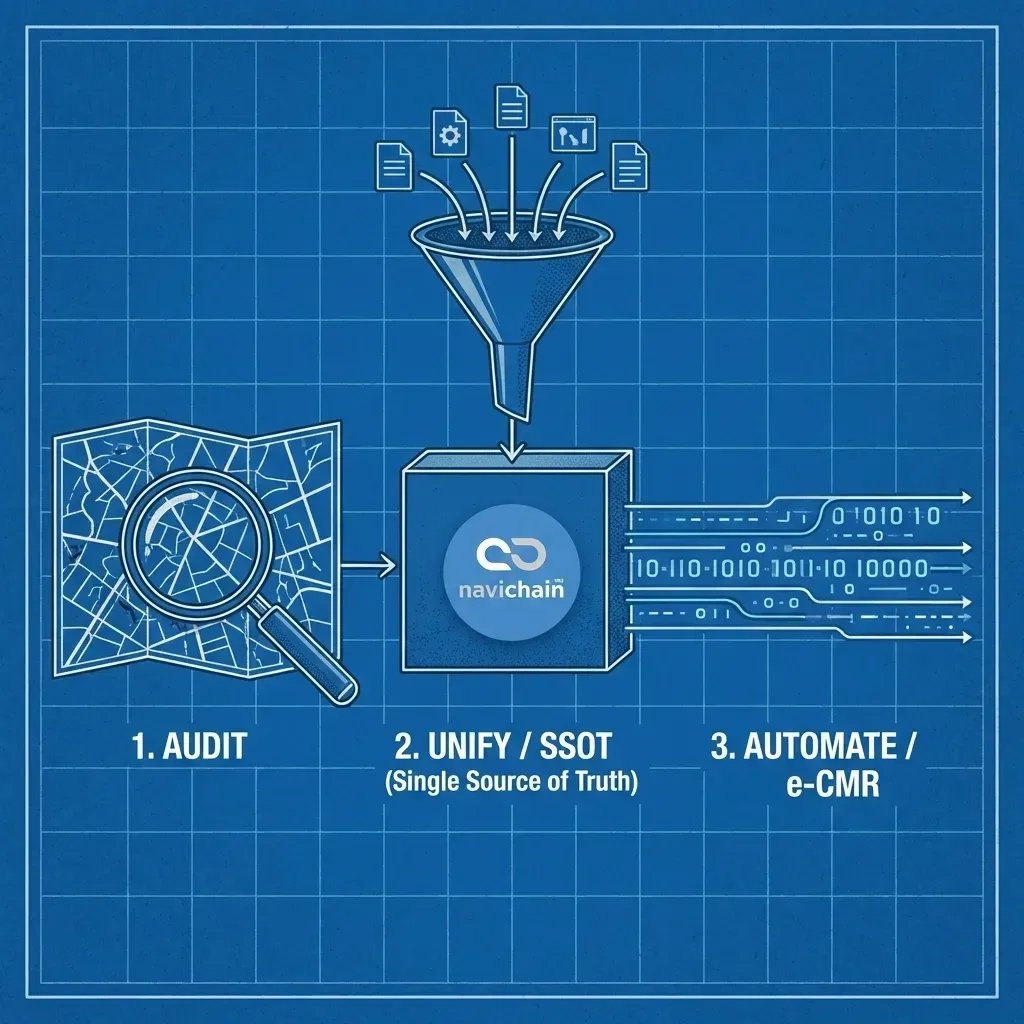
Step 1: Audit – map your data flow and identify customer touchpoints
Before implementing any changes, understand your current data landscape. Create a visual map of your core 'order-to-cash' data flow, paying particular attention to how data impacts customer interactions. For each step, ask: * What information is needed?
- Where is this information created?
- Where does it need to go next?
- How does it get there? Identify bottlenecks, manual processes, and areas where data inaccuracies could negatively affect customer experience.
Fig 3: Before you can build a bridge, you must understand the gap.
Step 2: Unify – create a single source of truth (SSOT) for improved customer visibility
The primary goal is to eliminate data silos and establish a Single Source of Truth (SSOT). This involves moving towards a platform where TMS, WMS, order management, and billing are modules within a unified operating system, rather than separate, 'connected' programs. When an order is created, it should exist once within the system used to manage transport, track assets, and generate invoices. This ensures data accuracy and enables proactive customer communication.
Step 3: Automate – implement e-CMR as a native function, enhancing customer communication
With a unified platform (Step 2), e-CMR becomes a natural extension of your workflow, improving customer communication and transparency. 1. The planner creates a dispatch in the unified system. 2. The system automatically generates the e-CMR with relevant data. 3. The driver manages the e-CMR via their mobile device. 4. Upon customer signature (Proof of Delivery), the status is updated instantly in the system and shared with the customer. 5. This status change automatically triggers the billing module, streamlining invoicing. In this scenario, e-CMR implementation transforms into an efficient, end-to-end logistics flow, enhancing customer satisfaction through real-time visibility and proactive communication.
From diagnosis to design: The blueprint for a resilient and customer-centric logistics operating system
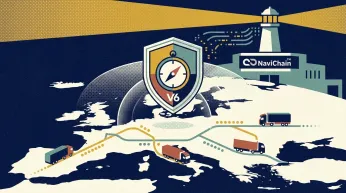
Fig 4: To be future-proof, especially within the EU, a modern logistics platform for SMEs must be built on three core principles.
This strategic shift requires a new technical foundation. A modern logistics platform for SMEs must be built on three core principles.
Principle 1 - unified operational fabric for seamless customer experience
Move beyond separate 'systems' and embrace a unified operational fabric. This central nervous system manages the entire flow from order to cash within a single environment. This achieves a true Single Source of Truth, eliminating manual data entry and enabling proactive customer communication.
Principle 2 - secure data architecture and control for customer trust
In the era of eFTI and GDPR, transparency and security are critical for building customer trust. European SMEs require complete control over their data environment, storing and processing data on secure infrastructure within their region's legal jurisdiction. This simplifies GDPR compliance and reinforces customer confidence in your data handling practices. While Data Sovereignty can provide marginal benefits.
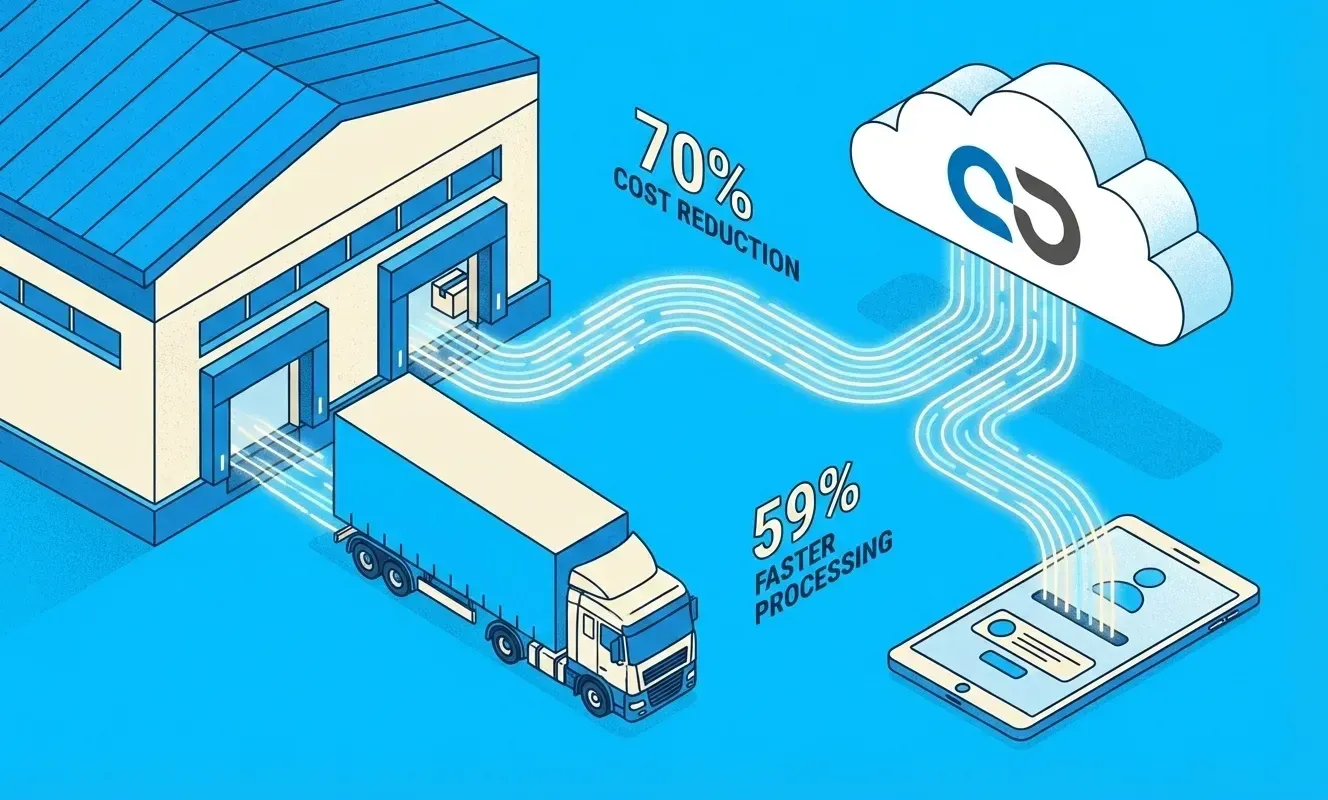
Fig 4 illustrates the three core principles – unified operational fabric, secure data architecture, and embedded analytic intelligence – underpinning a future-proof logistics platform for SMEs in the EU.
Principle 3 - embedded analytic intelligence
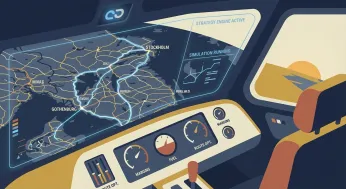
Data insights are crucial for continuous improvement. A unified platform (Principle 1) with secure data practices (Principle 2) unlocks valuable data analysis. Route optimisation, fleet utilisation analysis, and predictive maintenance scheduling enable enhanced efficiency and service quality.
Conclusion
The journey to efficient, transparent logistics in Europe hinges on unified data and secure control. Navichain offers a clear path forward. By centralizing TMS, WMS, order management, asset tracking, and billing within a single, self-hosted platform operating under stringent Swedish/EU data protection, Navichain eliminates data silos and empowers informed decision-making. With embedded intelligence and seamless e-CMR integration, you’re not just streamlining operations today, you’re building a resilient, future-proof foundation for your business. Embrace the power of unified logistics and unlock the next level of efficiency. The future of your supply chain starts now.
References/sources
- CargoON (citing IRU): "eCMR: The Digital Future of Transport Documentation." (Provides 70% cost and 59% time savings data). https://cargoon.eu/en/community/blog/digitalisation/ecmr-digital-future-of-transport-documentation/
- International Road Transport Union (IRU): "How can we accelerate the adoption of e-CMR?" (Identifies 'lack of interoperability' as a key barrier). https://www.iru.org/news-resources/newsroom/how-can-we-accelerate-adoption-e-cmr
- LeverX: "How Data Silos Slowly Disrupt Your Business and How to Avoid It." (Provides 20% or 8-10 hours/week wasted time statistic). https://leverx.com/newsroom/how-data-silos-slowly-disrupt-your-business-and-how-to-avoid-it
- Folio3: "Supply Chain Data Integration | 7 Steps, Benefits & Tools." (Outlines formal data integration strategies). https://data.folio3.com/blog/supply-chain-data-integration/
- OECD: "Digitalisation of SMEs." (Covers SME-specific challenges like resource and financial limitations). https://www.oecd.org/en/topics/digitalisation-of-smes.html
Fig 4: This strategic shift from fragmentation to integration requires a new kind of technical foundation.
Enabling the blueprint: The navichain SaaS unified logistics platform
Fig 5: The strategic blueprint described in this white paper—a Unified Operational Fabric, Secure Data Architecture, and Embedded Intelligence—is precisely what we built navichain SaaS to be.
The strategic blueprint described in this white paper – a Unified Operational Fabric and Secure Data Architecture – is precisely what defines navichain SaaS. We recognised the challenges European logistics SMEs faced: managing complex, fragmented systems while striving to improve customer service. navichain SaaS aims to democratise this technology.
- For Principle 1 (Unified Fabric): navichain SaaS is not merely 'integrated with' a TMS or WMS; it is your TMS, WMS, Order Management, Asset Management, and Billing. It's a unified platform creating an immediate Single Source of Truth, eliminating data silos and improving customer experience.
- For Principle 2 (Secure Data Control): The entire navichain platform is hosted on our own secure infrastructure (Self-Hosted) in Sweden. Your data remains within Swedish/EU jurisdiction, guaranteeing maximum data security and a straightforward path to GDPR compliance.

navichain SaaS embodies the white paper's vision, providing a unified, secure, and intelligent logistics platform for European SMEs.
- For Principle 3 (Embedded Intelligence): An integrated analytical layer analyses your data within our secure Swedish infrastructure, to unlock unique efficiencies. Implementing e-CMR in navichain SaaS is a standard feature, improving operational flow. Start building a foundation for the future.
Navichain's unified SaaS platform integrates TMS, WMS, order management, asset management, and billing into a single, secure source of truth, hosted within Swedish/EU jurisdiction.
Navichain's platform delivers a unified view of TMS, WMS, order and asset management, and billing data, all securely managed within Swedish/EU jurisdiction.
Ready to optimise your supply chain?
navichain Insights Newsletter
Join the newsletter to receive the latest updates in your inbox.