The Competitive Squeeze: Why 'Efficient' Logistics Tech Fails to Make SMEs Competitive
European SME hauliers are fighting for survival against global giants and ever-increasing costs. Discover how the conventional, piecemeal approach to technology is not the solution, but part of the problem, creating hidden inefficiencies and catastrophic data risks. This paper outlines a strategic framework for a unified, sovereign logistics platform, levelling the playing field and empowering SMEs to thrive.
The Competitive Squeeze: Why ''Efficient'' Logistics Tech Fails to Make SMEs
Here's a teaser paragraph, tailored to your specifications: European SME hauliers are trapped in a competitive vise: squeezed by the economies of scale of global giants and the relentless rise of operational costs. The IRU's 2023 driver shortage report confirms this pressure, which inflates costs and limits capacity. The conventional response—adopting 'efficient' standalone tech for TMS, WMS, or billing—is a strategic error. This paper argues this siloed approach actually erodes competitiveness by creating hidden inefficiencies, driving up costs, and exposing the business to catastrophic data risks. We present a strategic framework for a unified, sovereign logistics platform as the essential 'equalizer,' enabling SMEs to lower costs, enhance visibility, and build the operational resilience needed to compete and win.
Introduction: The new competitive battlefield in european logistics
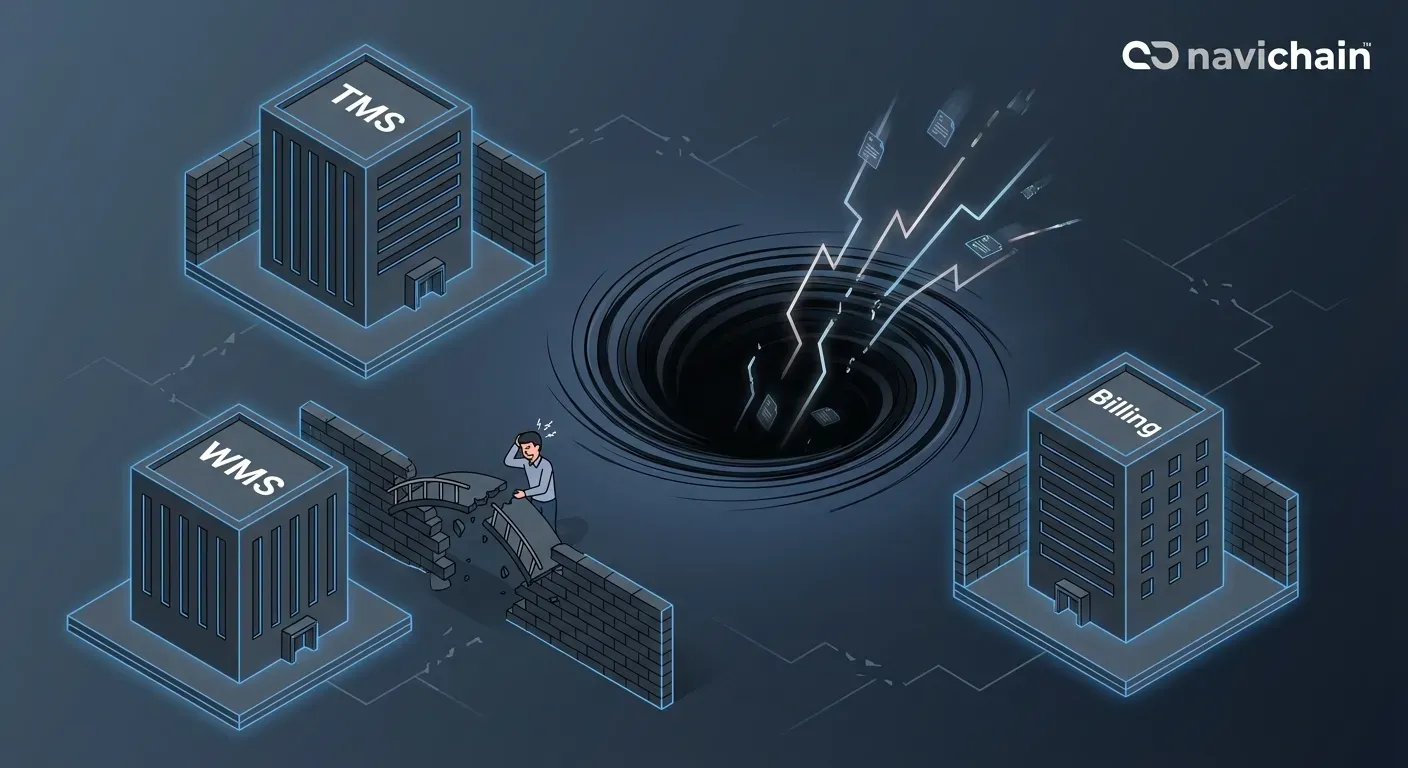
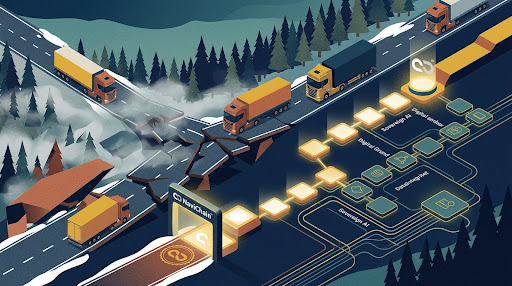
Fig 1: For Small to Medium-sized Enterprises (SMEs) in the European haulage sector, the ground has shifted. A visual representation of the increasing pressure on European SME hauliers, highlighting the challenges of competing with larger entities amidst rising costs.
For Small to Medium-sized Enterprises (SMEs) in the European haulage sector, the ground has shifted. Competitiveness was once a straightforward equation of asset utilization, fuel costs, and local customer relationships. Today, that model is fundamentally broken. The modern SME logistics leader is fighting a war on two fronts. On one front, operational costs are surging. The International Road Transport Union (IRU) reports a persistent, critical driver shortage across Europe, placing immense upward pressure on wages and limiting capacity. This is compounded by volatile fuel prices and a complex, ever-growing compliance burden. On the other front, large-scale competitors—global 3PLs and tech-forward enterprises—are leveraging vast, integrated technology stacks. They offer customers a seamless, "Amazon-like" experience of real-time tracking, self-service portals, and predictive ETAs. This is no longer a luxury; it is the baseline expectation. A 2024 Salesforce report found that 88% of business buyers say the experience a company provides is as important as its products. This creates the central strategic dilemma: How can an SME compete when it is being simultaneously out-spent on technology by giants and squeezed on margins by operational costs? The common response is to seek 'efficiencies' by purchasing point solutions: a 'best-in-breed' TMS, a separate WMS, a cloud billing tool. This paper argues that this intuitive, cost-saving approach is a strategic trap. By creating data silos, these 'efficient' tools are the primary source of the inefficiencies and service failures that make an SME less competitive.
This post is for subscribers only
SubscribeAlready have an account? Log in