The Collaboration Paradox: How More Partners Can Lead to Lower Profits (and
Table of Contents
The Central Thesis: For SMEs in logistics, effective collaboration is no longer a strategic choice but a survival necessity. However, the traditional method—fragmented systems and manual coordination—creates more operational risk and hidden costs than it generates in value. True competitiveness is achieved only through a unified integration strategy where data is shared securely and in real-time within a controlled, common ecosystem.
The Collaboration Paradox: How More Partners Can Lead to Lower Profits (and
Here's a teaser paragraph designed to grab attention and highlight the key problem: The European logistics market, overwhelmingly composed of Small to Medium-sized Enterprises (SMEs), forces collaboration for survival. The challenge is that these partnerships often create more administrative chaos than strategic value. Why? Because they are built on a foundation of fragmented systems, manual processes, and insecure data sharing via email and phone. This isn't just inefficient—it's an operational and legal risk that erodes margins. This white paper challenges the traditional view of collaboration and presents a strategic framework for a 'Unified Collaboration Strategy'. We demonstrate how a robust data integration strategy is the only path forward to transform data chaos into a fluid, secure, and profitable operational model.
Introduction: The necessity and reality of collaboration
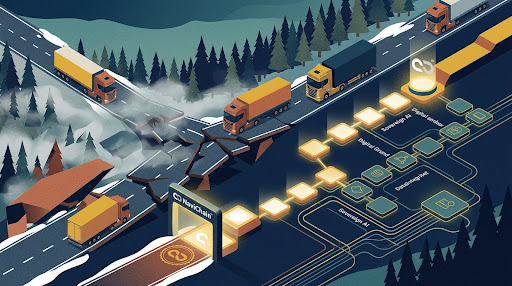
Fig 1: For a logistics manager at a Swedish or Scandinavian haulage company, the scenario is all too familiar.
For a logistics manager at a Swedish or Scandinavian haulage company, the scenario is all too familiar. The company wins a new contract, but subcontractors are required to handle the volume. What looks like a profitable expansion on paper quickly turns into an administrative nightmare. The reality for most small and medium-sized hauliers is that 'collaboration' means a storm of phone calls, Excel files emailed back and forth, manual entry of order data into separate TMS (Transport Management Systems), and a constant chase for trip reports and invoice documentation. This is not collaboration; it is coordinated chaos. The problem isn't the will to collaborate. The problem is that the industry is built on an infrastructure of data silos. Each company has its own system, its own processes, and its own 'truths'. When these silos are forced to interact without a common strategy, friction arises. This friction has a price: lost time, incorrect invoicing, dissatisfied customers, and, in the worst cases, serious security and regulatory breaches. This white paper analyzes why the current model fails and presents a strategic framework for building truly profitable collaboration through a well-designed data integration strategy.
Deconstructing the problem: The cost of 'integration spaghetti'
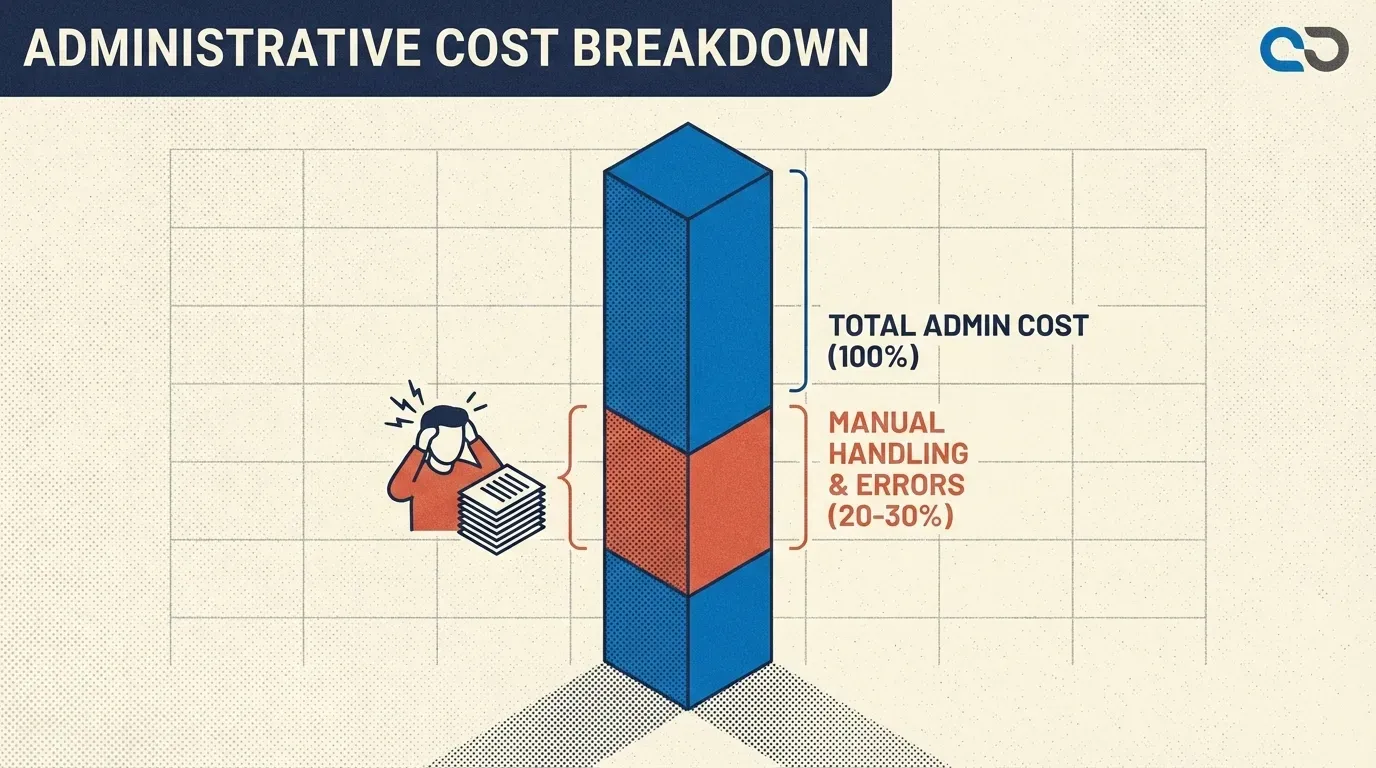
Fig 2: The tangled mess of cables visually represents the 'integration spaghetti' that results from fragmented data systems and manual processes, a common challenge in logistics collaboration.
When two or more logistics companies try to collaborate without a common platform, they inevitably create what IT architects call 'integration spaghetti'. This is a complex tangle of point-to-point solutions, manual handovers, and brittle API connections that are expensive to build and impossible to maintain.
The hidden factory: Manual labor
The most immediate cost is the time spent on manual, non-value-adding work.
- Dual Entry: An order received by Haulier A must be manually entered into Haulier B's system when the job is subcontracted.
- Status Chasing: Haulier A's dispatcher must call or email Haulier B for a status update, which must then be manually entered into their own system to inform the customer.
- Invoice Auditing: When Haulier B sends their invoice, Haulier A's finance department must manually check it against the original order files and trip reports. According to industry studies, up to 20-30% of the administrative costs in a transport assignment can be traced to this exact type of manual data handling and error correction.
The risk: When data sharing becomes a data breach
In a post-GDPR world, perhaps the greatest risk is the uncontrolled spread of data. When a dispatcher emails a transport order to a subcontractor, that email often contains sensitive information: * Customer Information: Names, addresses, and contact details for the end customer.
- Goods Details: Information about the cargo, which may be confidential.
- Personal Data: In some cases, the names and phone numbers of drivers. This email now sits unencrypted on multiple servers, outside the original company's control. There is no traceability, no access control, and no way to recall the information. This is a direct violation of GDPR's fundamental principles of data minimization and 'privacy by design'. The fines for non-compliance are an existential risk for an SME.
The strategic blackout: Lack of Insight
The biggest strategic problem is the lack of overview. When data is fragmented across five different partners, it's impossible to answer basic questions: * Where is my customer's shipment right now?
- What is my actual profitability on this contract, including all partner costs?
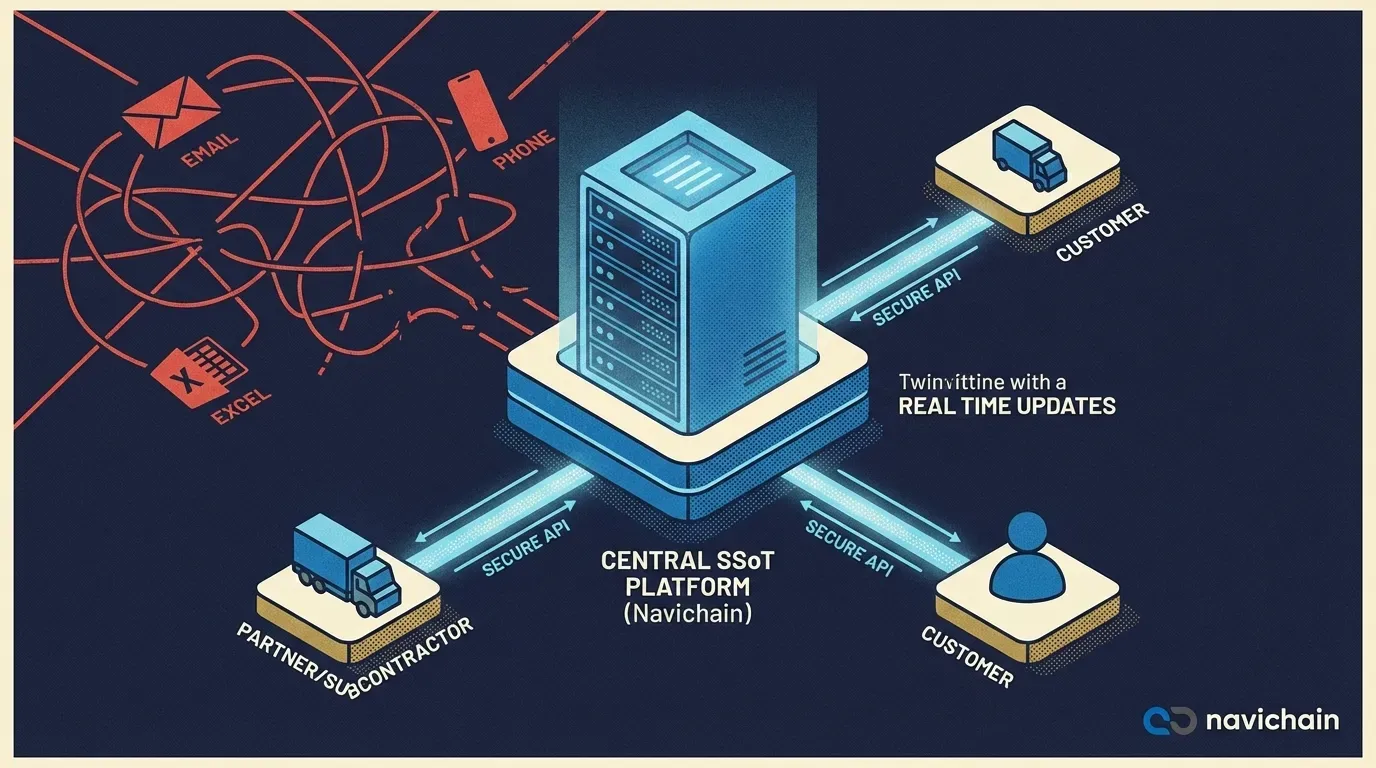
Fig 2: Data fragmentation across multiple partners makes it impossible to gain a clear, comprehensive view of operations and profitability.
- Which of my partners are performing best, and which are causing the most problems? Without answers to these questions, management cannot make data-driven decisions. They are forced to navigate in the dark, guided by gut feeling instead of facts.
The path forward: A strategic framework for data integration
Fig 3: Solving the collaboration paradox isn't about finding one new piece of software.
Solving the collaboration paradox isn't about finding one new piece of software. It's about adopting a strategy for how data is handled, shared, and protected across the entire value chain. This strategy rests on three pillars.
Pillar 1: A centralized truth (single source of truth - SSoT)
Before you can share data effectively, you must have your own, indisputable source of truth. For a logistics company, this means that orders, routes, assets (vehicles, trailers), warehouse status, and billing must all exist in one and the same system. When an order is then shared with a partner, a copy of the data is not shared. Instead, the partner is given controlled access to the original order in the central system. The partner updates the status directly in the same system (either via a partner portal or a simple mobile app). This eliminates all dual entry. Everyone involved—dispatcher, partner, finance department, and customer—sees the exact same information in real-time.
Pillar 2: Standardized and secure data flow
Giving a partner access to your system requires a robust technical and legal framework. The strategy must define how data flows and what rules apply.
- From Email to API: Instead of emailing PDFs, integration should occur via modern, secure APIs (Application Programming Interfaces) or, even better, within a common platform where all parties are already connected.
- Role-Based Access: Define exactly what a partner can see and do. A subcontractor should be able to see the details for their specific assignment, but absolutely nothing else. They should be able to mark a job as 'completed', but not 'invoice' it in your name.
Pillar 3: Complete governance and data control
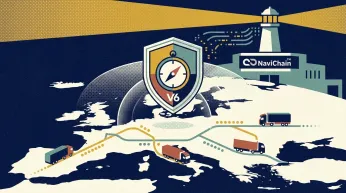
This is the most critical pillar from a risk and compliance perspective. An integration strategy must answer the question: Who owns the data, and where does it live? For a European SME, the answer is crucial. Using cloud services hosted outside the EU (e.g., on US servers) means data falls under foreign legislation (like the U.S. CLOUD Act). This creates a legal gray zone and a nightmare for GDPR compliance. A robust strategy demands that all operational and personal data is stored and processed strictly within the EU/EEA area, preferably on a dedicated or private infrastructure where you have full control. This is not just a technical detail; it is a strategic necessity to guarantee data sovereignty and ensure compliance when collaborating.
A schematic illustrating data flow and control within a collaborative logistics ecosystem, emphasizing data sovereignty within the EU/EEA area.
From diagnosis to design: The blueprint for a resilient logistics operating system
Based on this integration strategy, we can now define the three core principles that any modern logistics system for a collaborative SME must embody.
Principle 1: Unified operational fabric
Stop buying separate 'best-in-class' solutions for TMS, WMS, billing, and order management. Each separate system is a new silo that must be integrated. Instead, look for a unified platform where these functions are fused together from the ground up. This is the only way to achieve a true 'Single Source of Truth' (Pillar 1). When TMS and billing are part of the same system, the process from a completed job to a sent invoice becomes immediate and error-free. This becomes your operational 'central nervous system'.
Principle 2: Secure data architecture and control
The platform must be built on a 'security-first' principle that addresses the risks of collaboration (Pillar 3). For European companies, this means the platform must offer a hosting solution within the EU/Sweden. The optimum is a 'Self-Hosted' or private cloud solution where your company has complete, undisputed control over its data. This eliminates the risks of international data disputes and makes GDPR compliance a straightforward process. You cannot collaborate securely if you do not have full control over your own data.
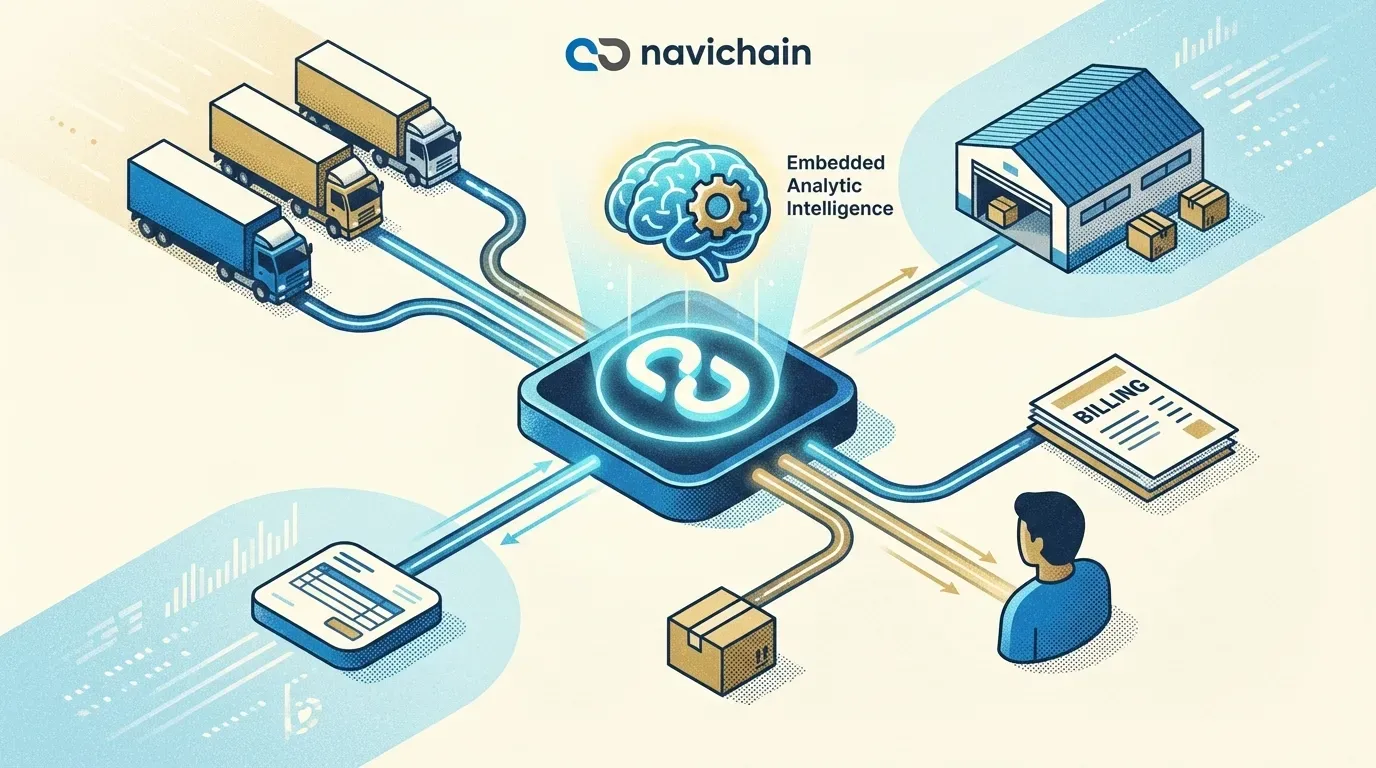
Principle 3: Embedded analytic intelligence
Once all your data (and your partners' data flows) reside in one unified, secure system, the next great opportunity arises. The platform must have a built-in, intelligent layer—a proprietary 'Integrated AI'—that can analyze this collective data. This AI should not be an external tool but an integrated part of the operating system that runs within your own secure infrastructure. It can then analyze profitability per route, identify your most efficient partners, and suggest optimizations in real-time, all without your sensitive business data ever leaving your controlled environment.
References/sources
- International Road Transport Union (IRU). (2023). EU Road Freight Market Intelligence Report. (Available at: https://www.iru.org
- European Commission. Strategy for sustainable and smart mobility. (Available at: https://transport.ec.europa.eu
- Transport Intelligence (Ti Insight). (2024). European Road Freight Transport Market Report. (Available at: https://www.ti-insight.com
- Swedish Data Protection Authority (Integritetsskyddsmyndigheten - IMY). Guidance on the Transfer of Personal Data to Third Countries. (Available at: https://www.imy.se
- Digital Transport and Logistics Forum (DTLF). Recommendations on fostering the voluntary sharing of data. (Available at: https://digital-transport.europa.eu
Fig 4: Based on this integration strategy, we can now define the three core principles that any modern logistics system for a collaborative SME must embody.
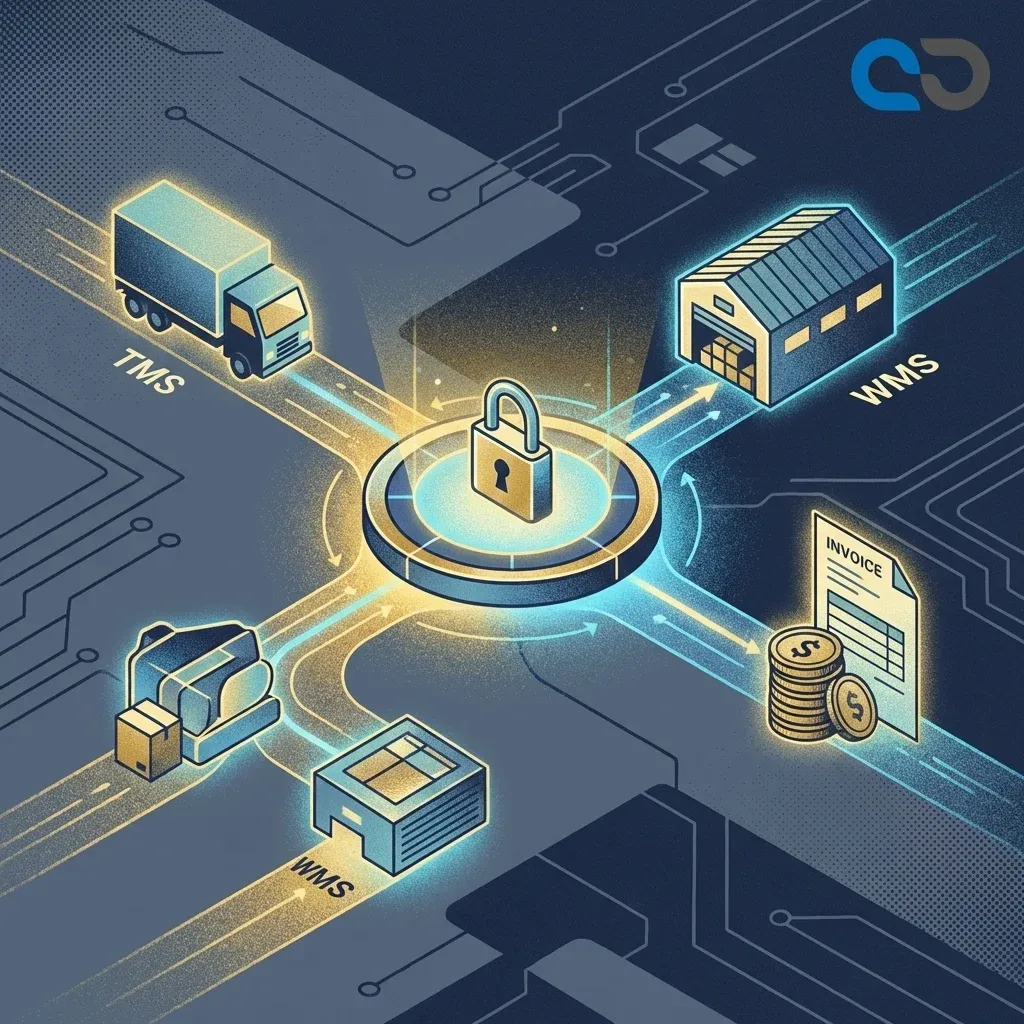
Fig 4 illustrates the three core principles that define a modern, collaborative logistics system for SMEs, forming the foundation for the Navichain SaaS platform.
Enabling the blueprint: The navichain SaaS unified logistics platform
The strategic framework and blueprint presented in this white paper—from solving integration chaos to building a unified, secure, and intelligent operational model—is the exact vision behind navichain SaaS. We designed our platform to directly address the three core principles: 1. Unified Operational Fabric: navichain SaaS is not a collection of modules; it is a single, unified operating system. Our platform seamlessly integrates Transport Management (TMS), Warehouse Management (WMS), Asset Management, Billing Management, and Order Management. This eliminates data silos and creates the 'Single Source of Truth' required for effective collaboration. 2. Secure Data Architecture and Control: This is our key differentiator. Our entire platform is hosted on our own secure infrastructure (Self-Hosted) in Sweden. This is not just a 'feature'—it is a strategic commitment. By keeping all data strictly within Swedish/EU jurisdiction, our clients maintain full control over their operational information. This ensures straightforward GDPR compliance and protects them from international data complexities—an absolute necessity when collaborating with partners. 3. Embedded Analytic Intelligence: Our platform is enhanced by a Integrated AI that runs on the same secure, Swedish infrastructure. Because your data (and your partners' data flows) already resides in the unified system, our AI can perform deep, secure analysis to unlock unique efficiencies and optimize your network, without your data ever being exposed to third-party vendors. navichain SaaS's mission is to democratize logistics technology for the SME sector, offering the integrated power and data control that was previously reserved for the largest players. We enable a collaboration that is not only efficient but also secure, controlled, and profitable.
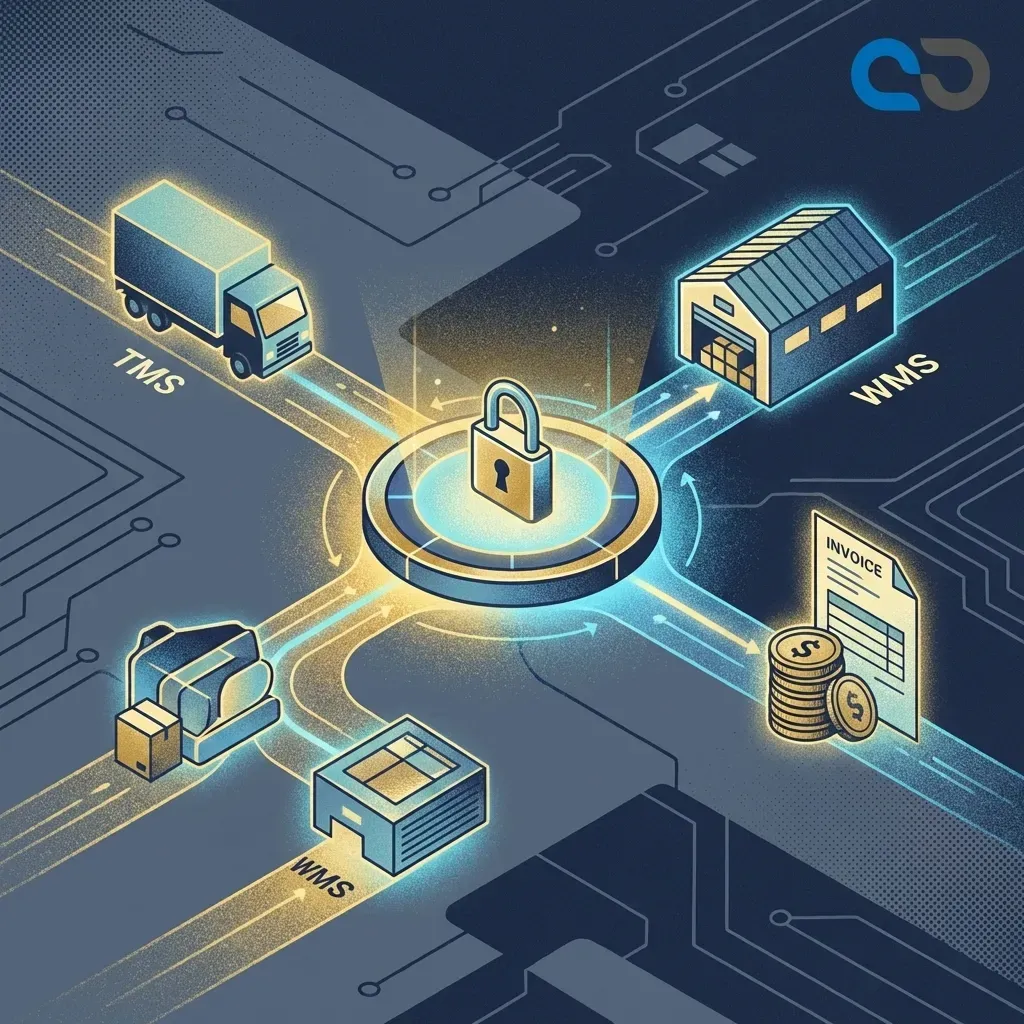
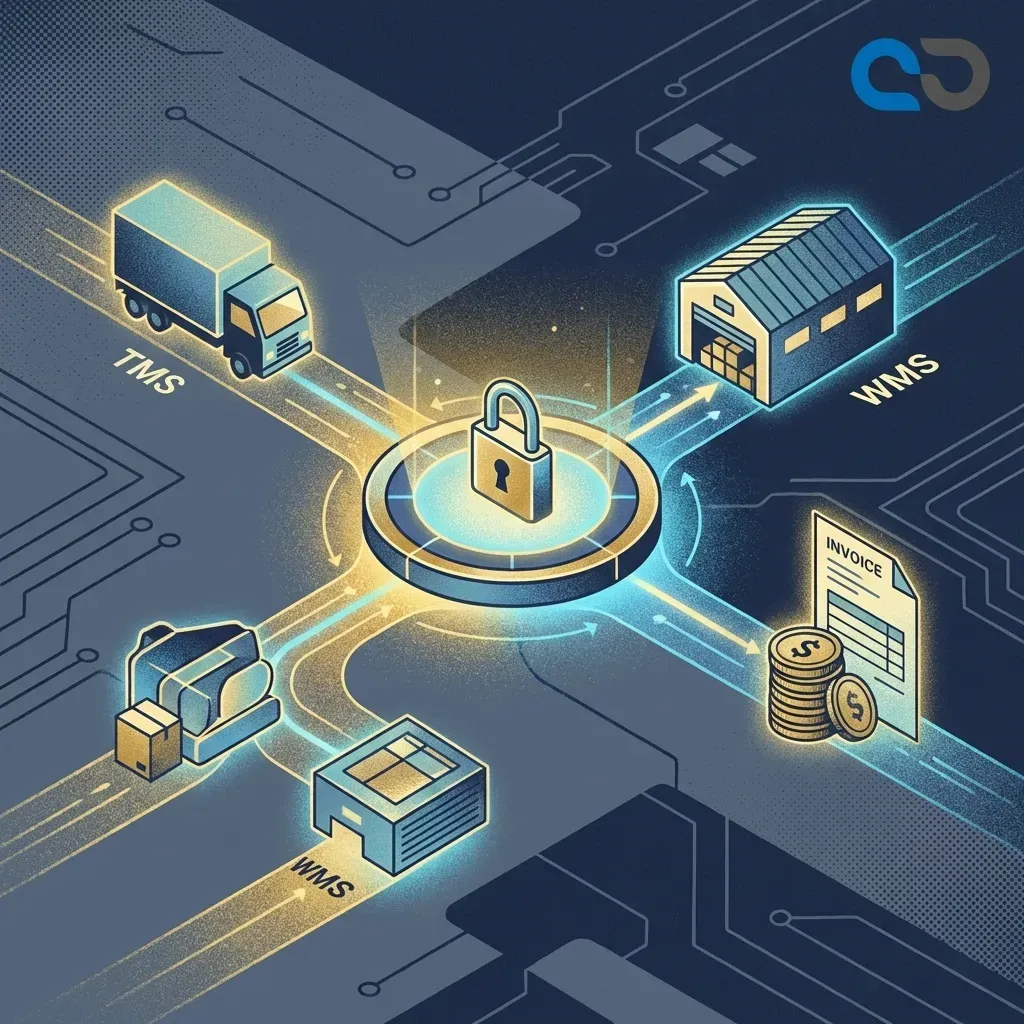
navichain SaaS provides a unified logistics platform designed to eliminate data silos and enhance secure collaboration across the supply chain.
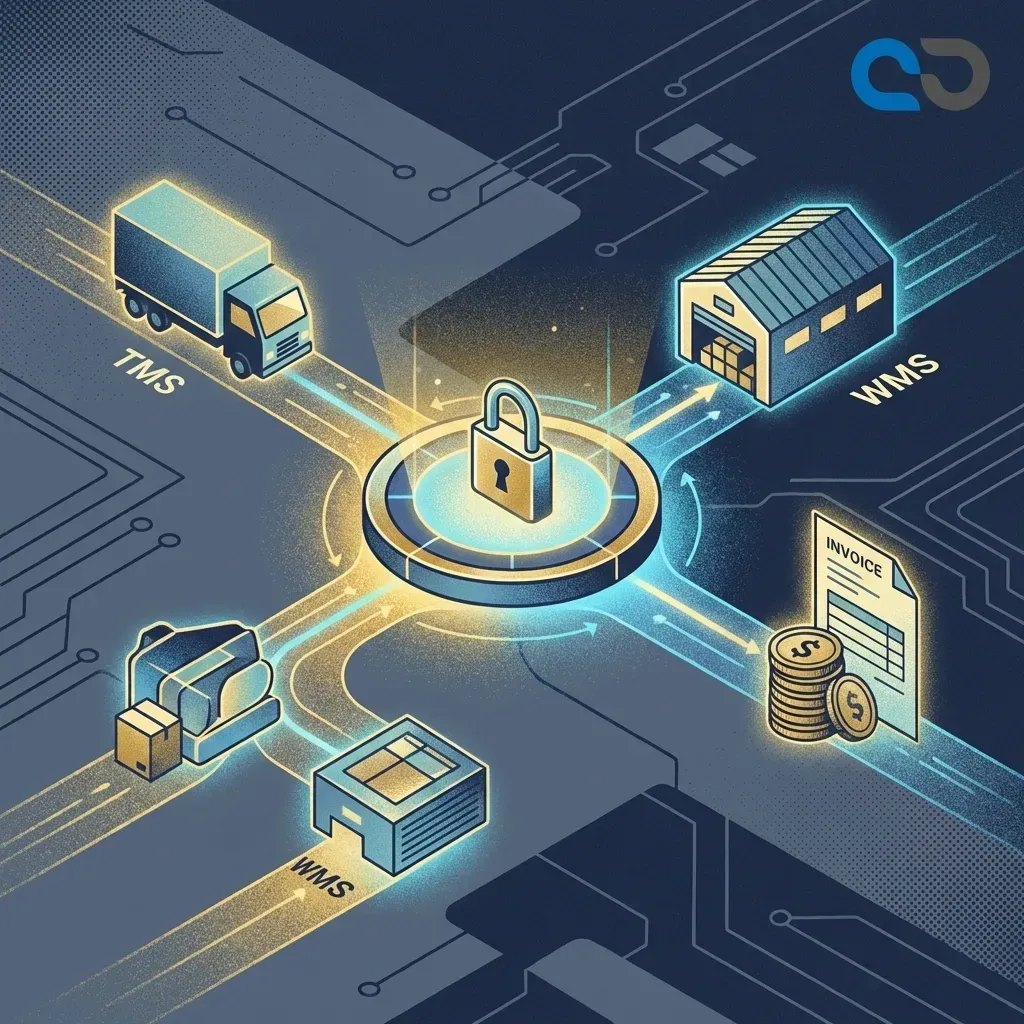
navichain's unified platform architecture integrates key logistics functions, offering a single source of truth for secure data sharing and collaboration.
Ready to optimise your supply chain?
navichain Insights Newsletter
Join the newsletter to receive the latest updates in your inbox.