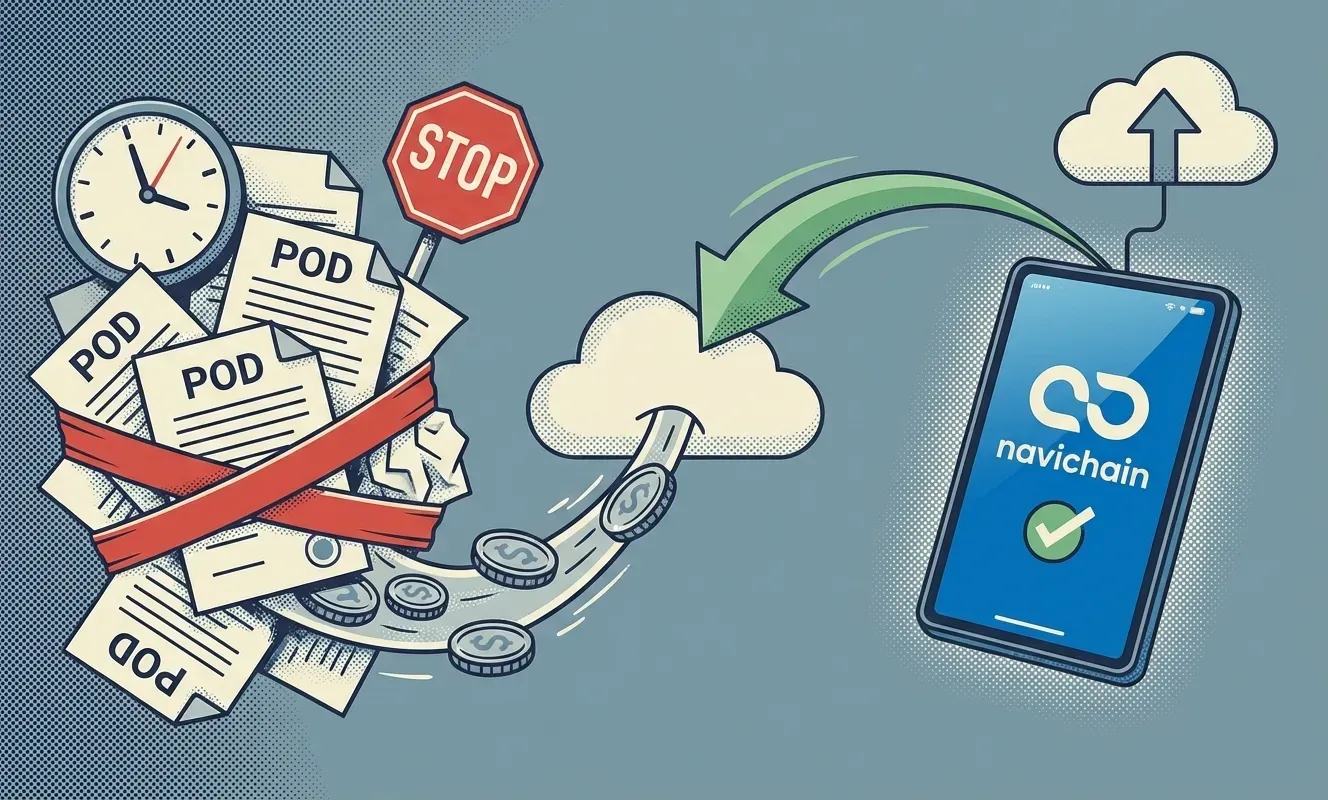
The Cash Flow Paradox: Why Your Manual POD Process Is Silently Draining Your
Table of Contents
European SME hauliers are grappling with soaring operational costs, and the seemingly unavoidable manual chase for Proofs of Delivery (PODs) is exacerbating the problem. This white paper exposes how manual POD collection is more than just an administrative burden; it's a critical cash flow bottleneck silently eroding your profitability.
The Cash Flow Paradox: Why Your Manual POD Process Is Silently Draining Your
European SME hauliers face immense pressure, with recent reports showing operational costs rising by over 6% in the last year. For many, the manual chase for Proofs of Delivery (PODs) feels like a necessary, if frustrating, part of this cost. This assumption is a strategic error. This white paper argues that manual POD collection isn't a minor administrative task; it's a critical cash flow bottleneck. This 'friction tax'—paid in administrative hours, delayed invoicing, and driver dissatisfaction—is silently draining your profitability. We present a 3-step 'Zero-Friction' framework to transform this vulnerability into a competitive advantage, moving from manual 'nagging' to automated, real-time data flow that accelerates your entire Order-to-Cash (O2C) cycle.
The hidden bottleneck: Why the POD chase is a strategic crisis, not an admin task
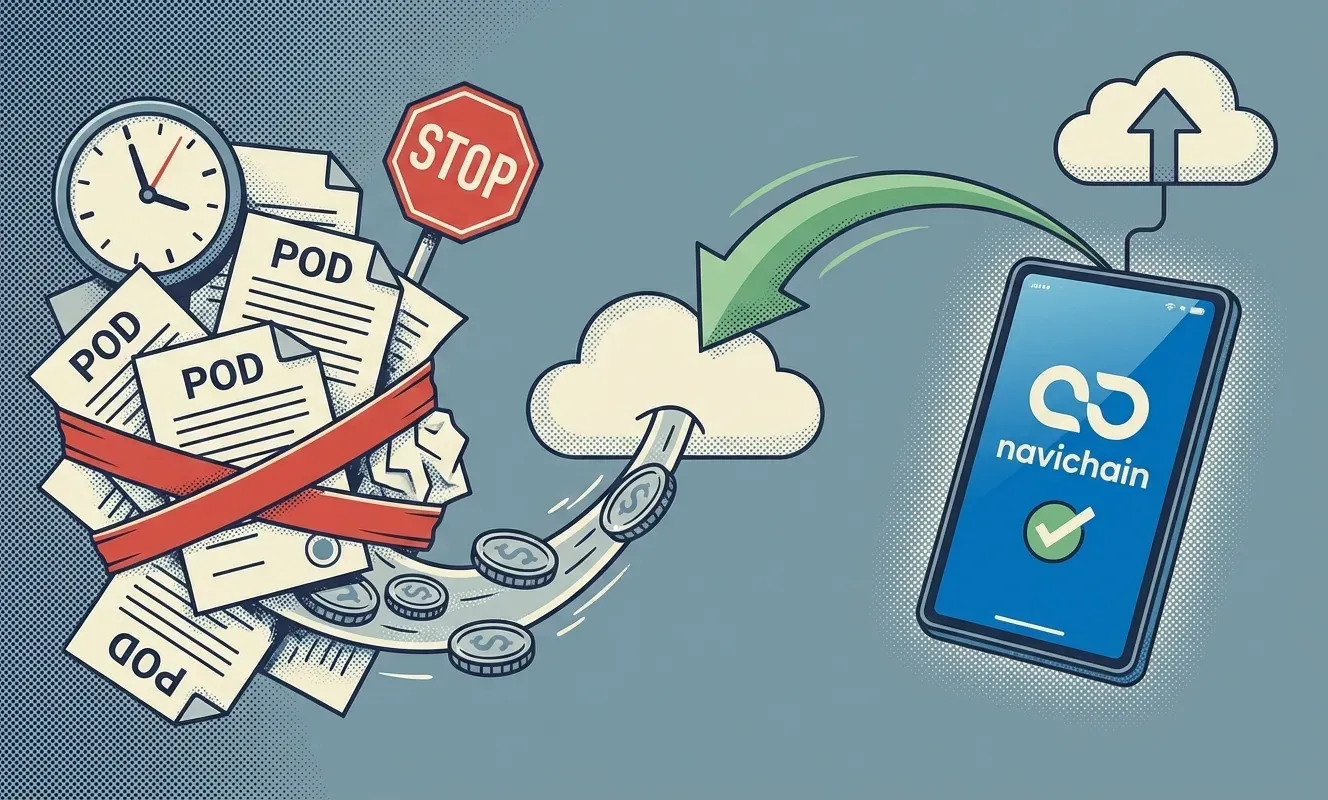
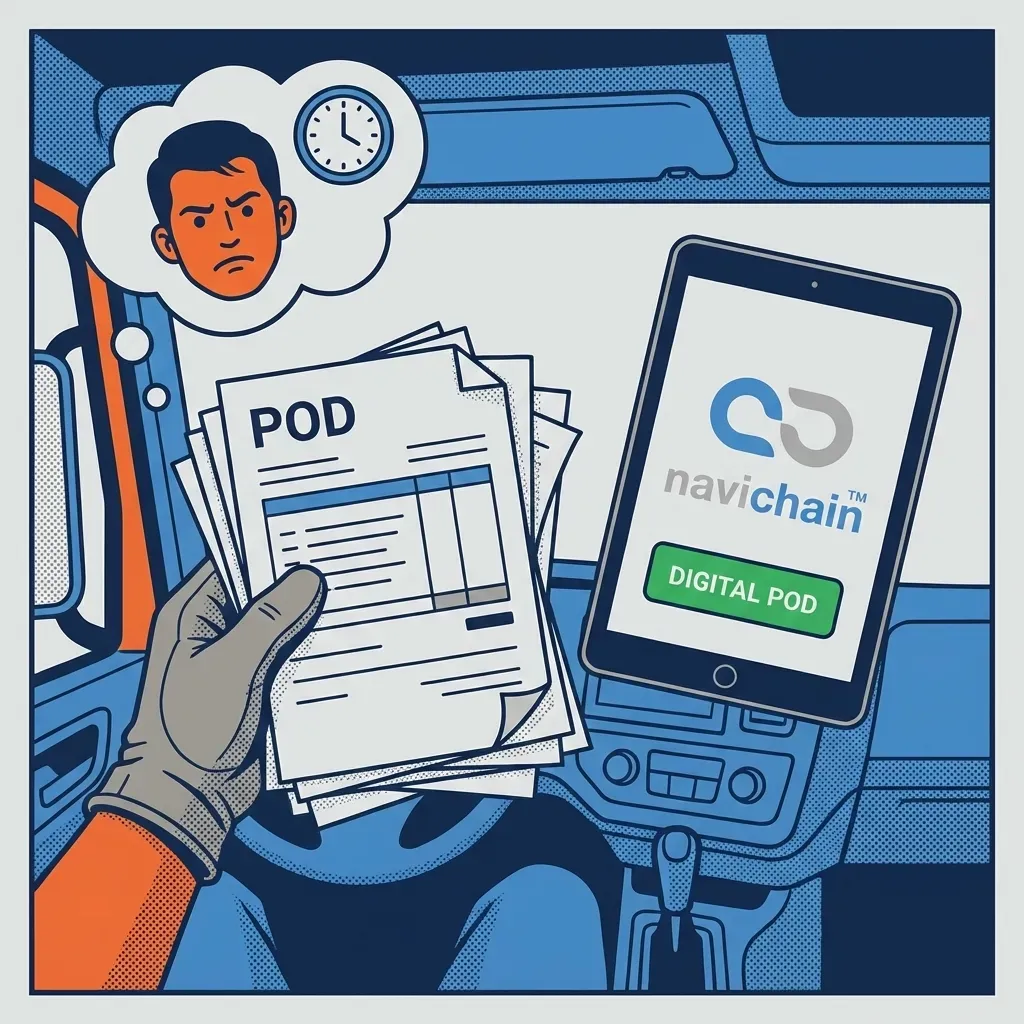
Fig 1: It’s 4:00 PM on a Friday.
It’s 4:00 PM on a Friday. Your transport manager is not optimizing routes for Monday; they are on the phone, sending text messages, and 'nagging' drivers to send in their paperwork from the week's deliveries. Some drivers have already gone home for the weekend. Others are frustrated, trying to manage a stack of crumpled papers from their cab. Meanwhile, your billing department can't issue invoices for completed jobs, pushing tens of thousands of Euros in revenue into next week's, or even next month's, cash flow. This scene is repeated daily in SME haulage companies across Scandinavia and Europe. It's accepted as 'the cost of doing business.' This paper argues that this acceptance is a critical strategic failure. The manual, high-effort collection of Proofs of Delivery (PODs) is not a simple administrative inconvenience. It is a systemic operational inefficiency that creates a 'friction tax' on your entire business. This tax is paid in wasted administrative hours, dangerously delayed cash flow, high driver turnover, and a complete lack of real-time operational data. The challenge is not external market pressure—it's this internal operational friction. And the solution is not to 'nag' harder; it's to fundamentally redesign the flow of data from the 'edge' (the driver) to the 'core' (your billing system).
Deconstructing the 'friction tax': The three ways manual pods are draining your profitability
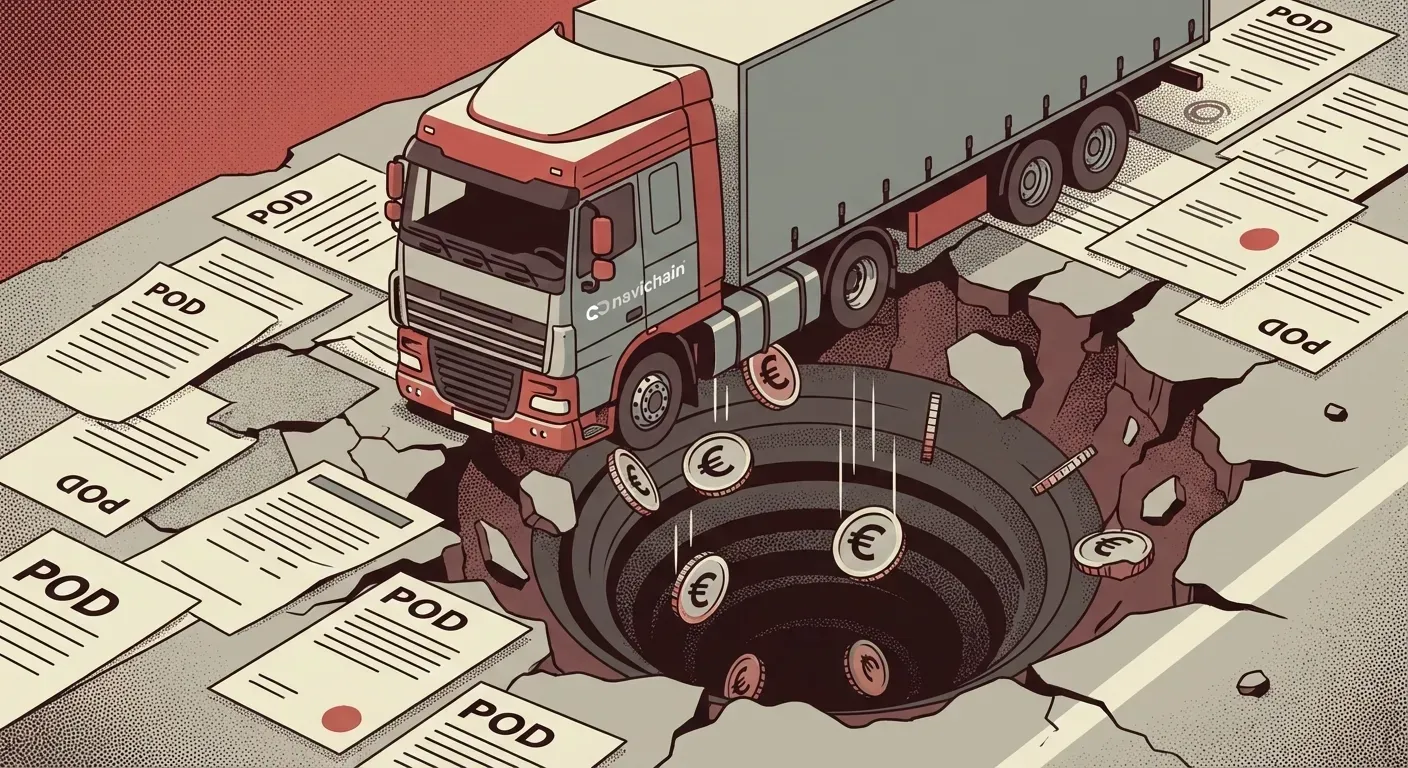
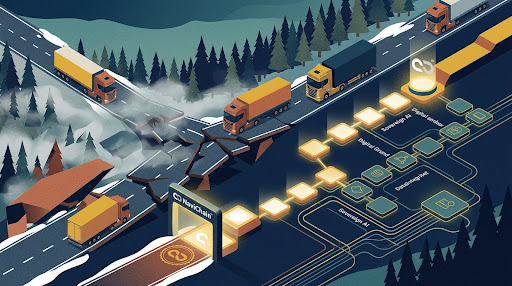
This image illustrates the chaotic reality of manual Proof of Delivery collection, highlighting the administrative burden and data bottlenecks that plague many SME haulage companies.
To solve the problem, we must first quantify its true cost. The 'friction tax' of a manual POD process is far higher than the cost of a driver's time or a transport manager's salary. It manifests in three distinct, costly ways.
1. the direct cost: Administrative bloat and error
The most visible cost is the sheer number of human hours dedicated to a low-value task. Consider a typical SME with 30 drivers, each completing 5 deliveries per day. This is 150 PODs per day, or 750 per week.
- Driver 'Admin' Time: Drivers spend time managing paper, taking photos, and responding to "nagging" texts and calls. This is time they are not driving, resting, or providing customer service.
- Back-Office 'Chase' Time: Your transport and admin staff spend hours per day manually tracking, verifying, and chasing missing or illegible PODs.
- Data Re-Keying: Once the paper (or a photo of it) arrives, an administrator must manually re-key the information into the Transport Management System (TMS) and then again, perhaps, into the billing system. This introduces a significant risk of human error—wrong dates, incorrect quantities, or misspelled names—which leads to customer disputes and even more administrative clean-up. This is a direct, recurring, and entirely unnecessary drain on your payroll.
2. the critical cost: The order-to-cash (O2C) bottleneck
This is the most dangerous cost, as it directly impacts your company's lifeblood: cash flow. The Order-to-Cash (O2C) cycle is the time between a customer placing an order and you receiving payment for it. In logistics, the largest delay in this cycle is almost always the gap between 'Delivery Complete' and 'Invoice Sent.' Why? Because most customers will not pay an invoice without a valid POD. Industry analysis from transport and logistics finance sectors consistently shows that implementing a digital POD (ePOD) system can shorten the O2C cycle by an average of 7 to 10 days. For an SME haulier, pulling an entire week's worth of revenue forward is the difference between financial stability and a constant liquidity crisis. A manual process where PODs are collected 'by the end of the week' means you are, by definition, spotting your customers a week's worth of interest-free credit.
3. the compounding cost: Driver burnout and data black holes
Finally, there are the compounding strategic costs that are harder to see but just as damaging.
- Driver Burnout: In a market with a chronic driver shortage, retention is key. Drivers are skilled professionals, not administrators. Constant 'nagging' about paperwork is a primary source of friction and dissatisfaction, contributing directly to high turnover rates. Replacing a driver is expensive, costing thousands in recruitment and training.
- The Data Black Hole: With manual PODs, your operational data is, at best, 24 hours old; at worst, it's a week old. You have no real-time visibility. You cannot answer simple customer questions like 'Where is my delivery?' with 100% confidence. You cannot identify delivery performance issues until long after they've occurred. You are effectively driving your business while looking in the rearview mirror.
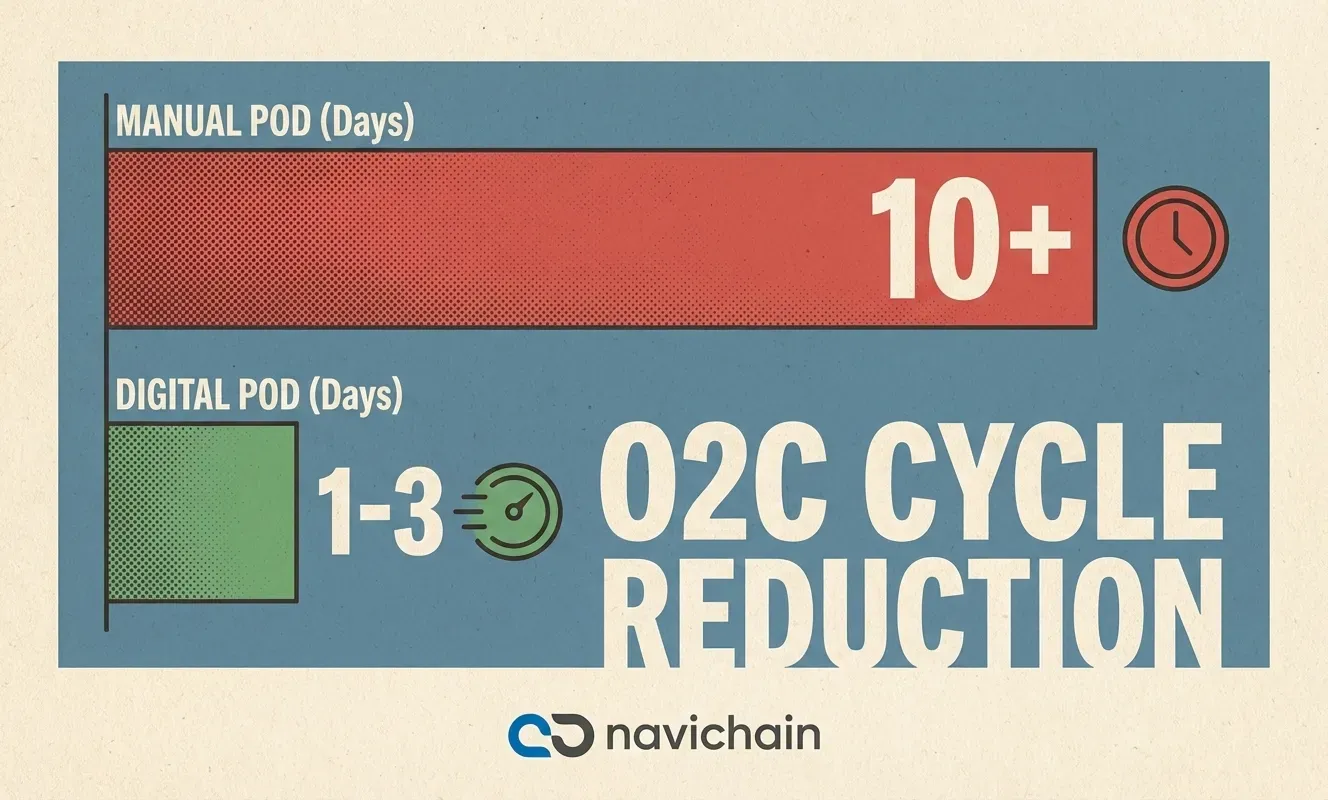
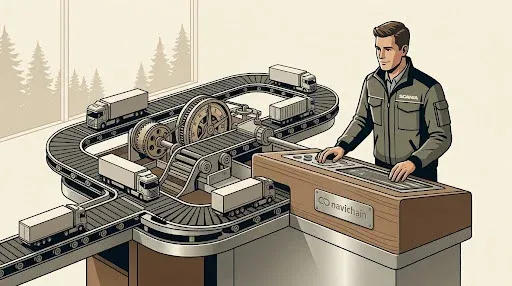
Fig 3: The 'cash flow paradox' illustrates how manual POD processes drain business value through delays, errors, and lack of real-time visibility, impacting profitability.
The path forward: The 'zero-friction' operations framework
Fig 3: Eliminating the 'friction tax' requires a strategic shift from chasing paper to enabling data.
Eliminating the 'friction tax' requires a strategic shift from chasing paper to enabling data. The goal is to create a 'Zero-Friction' operational model where the flow of information is as smooth and automated as the flow of goods. This framework is built on three progressive principles.
Principle 1: Digitize at the edge
The point of friction is the driver. The solution is not to 'nag' them, but to empower them with simple, effective tools. This means replacing the paper, pen, and "nagging" phone calls with a single mobile application. This 'edge' application should integrate seamlessly with the driver's daily workflow. It should provide them with their route and manifest, and in return, allow them to capture the POD instantly. This includes: * Digital signature capture on glass.
- Photo capture of goods (for proof of condition).
- Barcode scanning for item-level verification.
- Geotagging and time-stamping for indisputable proof. When the tool is easier to use than the old paper-based method, driver adoption is rapid. The 'nagging' stops, and the driver becomes an active, real-time participant in the data supply chain.
Principle 2: Unify the core
A digital POD app is useless if it simply emails a PDF to your admin team, creating a digital version of the same manual bottleneck. The 'Zero-Friction' model demands that the 'edge' (the driver's app) is seamlessly connected to the 'core' (your central operating system). This means the moment the driver hits 'Complete' on their device, the data must flow automatically and instantly into your unified platform. There should be no re-keying. No data silos. The POD status in your TMS, your Warehouse Management System (WMS), and, most importantly, your Billing Management module must all update in the same second. This creates a single source of truth for the entire operation. A customer service rep can see the POD instantly. A transport manager can see the driver's updated status. And the billing department can see that the job is ready to be invoiced.
Principle 3: Automate the cycle
With a digitized edge and a unified core, you can now achieve the final, most valuable step: automation. You can set rules that transform your O2C cycle from days to minutes.
- Automated Invoicing: Create a rule: 'IF [POD status] = 'Complete' AND [POD contains valid signature], THEN [Billing status] = 'Ready to Invoice'.'
- Proactive Notifications: You can even automate the invoice generation itself, sending it to the customer with the POD attached within minutes of the delivery.
- Self-Service for Customers: Give your customers a portal where they can see their own delivery statuses and download their own PODs, eliminating "Where is my invoice?" calls entirely. This is the end state: a 'Zero-Friction' operation where manual intervention is the exception, not the rule. Your cash flow accelerates, your administrative overhead plummets, and your team is free to focus on high-value tasks like customer service and business growth.
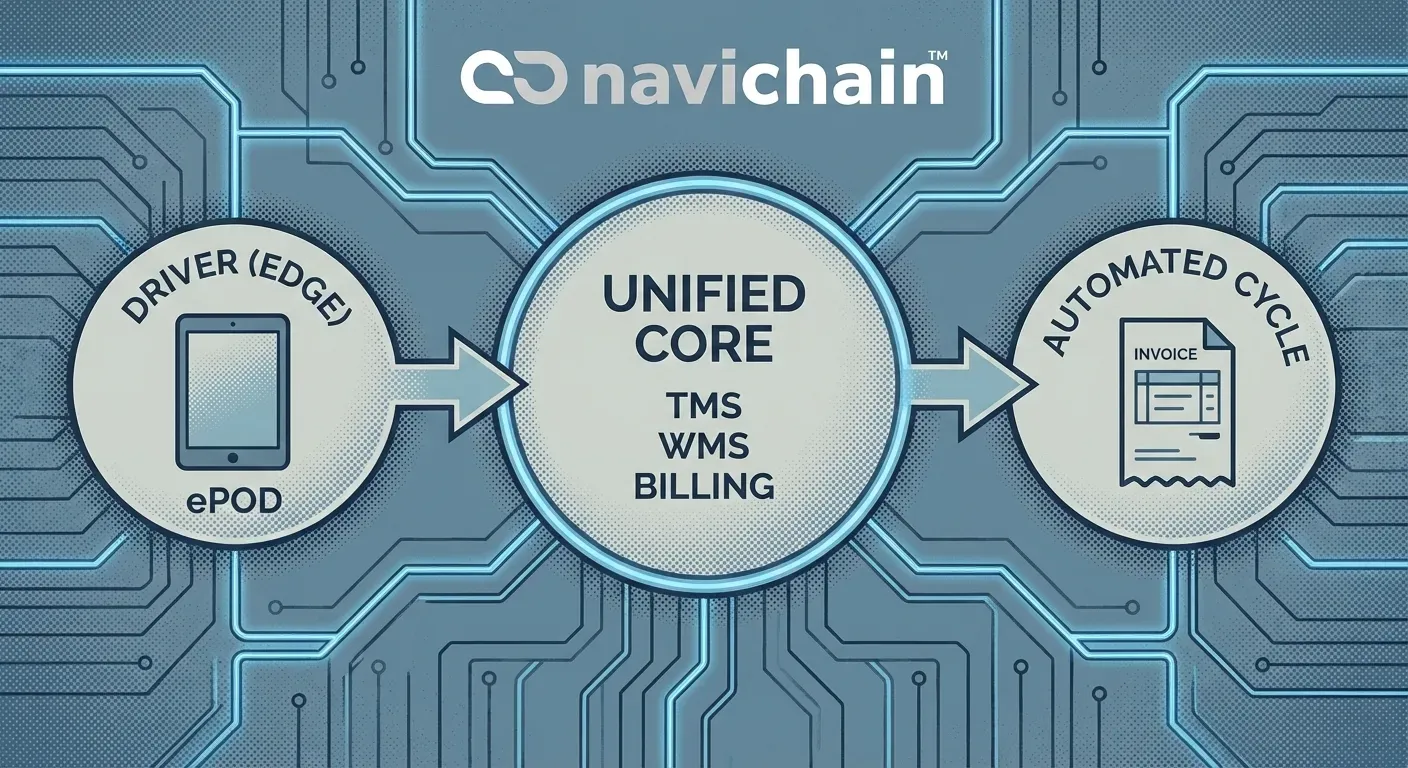
A schematic illustrating the transition to a 'Zero-Friction' logistics operation through automation, highlighting the interconnectedness of key processes for improved efficiency and cash flow.
From diagnosis to design: The blueprint for a resilient logistics operating system
This 'Zero-Friction' framework is not just a theory; it is a design specification. To implement it, SME hauliers cannot rely on a patchwork of disconnected software. You require a modern, unified logistics operating system built on three foundational pillars.
Principle 1 - unified operational fabric
Your technology must function as a single, central nervous system, not a collection of separate limbs. You need a platform where Transportation Management (TMS), Warehouse Management (WMS), Order Management, and Billing Management are not just 'integrated' but are one and the same thing. When a driver captures an ePOD, the data must not be 'sent to' the billing system; it must already be in the billing system because they share a single database. This is the only way to create a single source of truth and eliminate data silos and re-keying for good.
Principle 2 - secure data architecture and control
This new, real-time data is one of your most valuable assets—and liabilities. For European and Scandinavian SMEs, managing this data correctly is non-negotiable. True operational resilience requires complete control over your data environment. Your operational data, including sensitive PODs and customer lists, must be stored and processed under your own region's legal jurisdiction (i.e., within the EU/Sweden) on secure, self-hosted infrastructure. This ensures straightforward and demonstrable GDPR compliance, protects your data from foreign jurisdiction, and minimizes your exposure to the complexities and risks of international data transfers.
Principle 3 - embedded analytic intelligence
Once you have a clean, unified, real-time data stream (from Principle 1) flowing through a secure environment (from Principle 2), you can unlock the final advantage. You need an embedded, integrated AI layer that can analyze this data within your secure platform. This AI can move beyond simple automation to proactive optimization. It can analyze POD-to-invoice times across all clients to flag payment bottlenecks, identify patterns in delivery exceptions from POD photo data, or optimize driver routes based on real-time completion data. This intelligence must run on your secure infrastructure, ensuring your competitive insights remain your own.
References/sources
- Transport Intelligence (Ti Insight) (2025). European Road Freight Market 2025 Report. (Data on rising operational costs and market pressures for SMEs.) https://www.ti-insight.com
- International Road Transport Union (IRU). (2024). Driver Shortage Report 2024. (Statistics and analysis on driver dissatisfaction, retention challenges, and administrative burdens.) https://www.iru.org
- Logistics Management. (2024). The State of Logistics: Order-to-Cash Optimization. (Industry analysis on O2C cycle benchmarks and the financial impact of automation.) https://www.logisticsmgmt.com
- European Commission. GDPR Rules for Business and Organisations. (Official guidelines on data processing, control, and jurisdiction, reinforcing the need for secure, EU-based data hosting.) https://commission.europa.eu/law/law-topic/data-protection/data-protection-eu_en
Fig 4: This 'Zero-Friction' framework is not just a theory; it is a design specification.
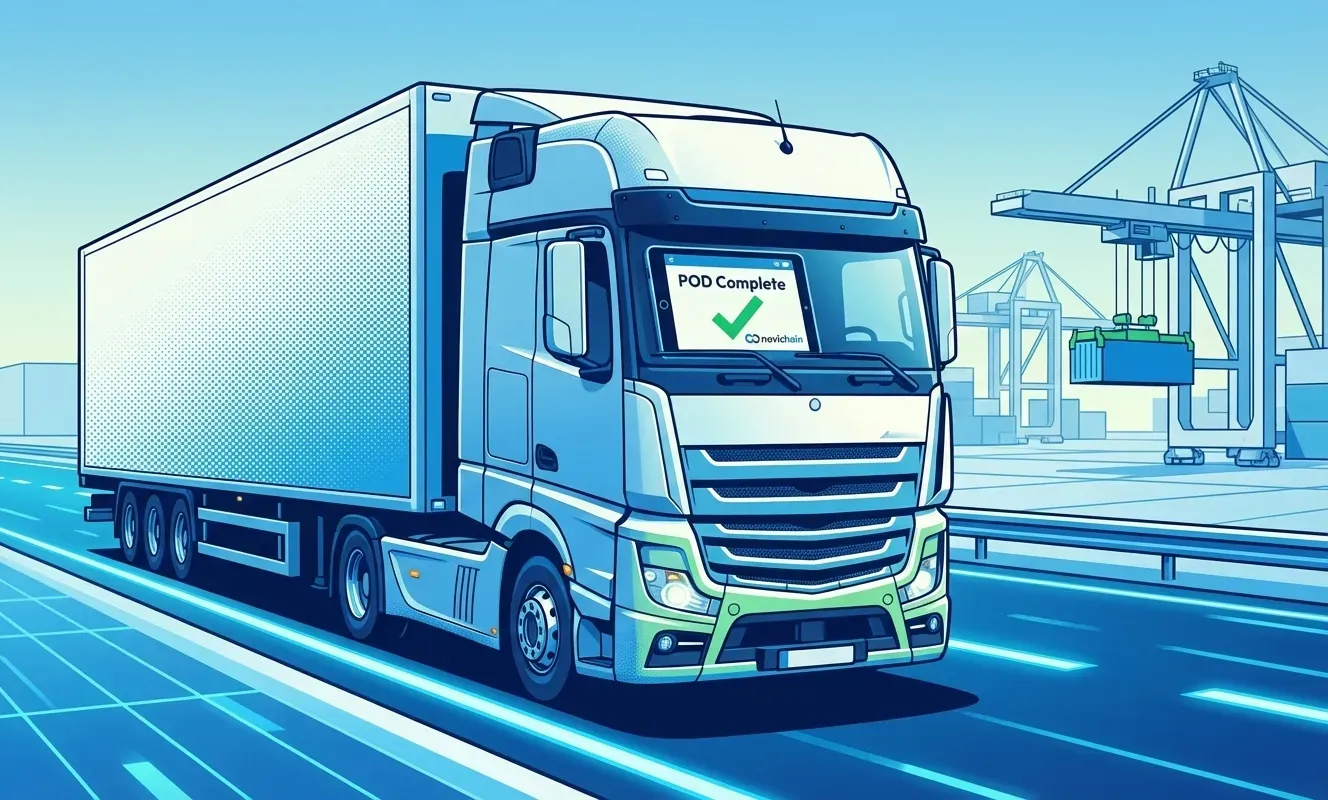
The 'Zero-Friction' outcome: a streamlined, automated logistics process fueled by a unified SaaS platform minimizes cash flow bottlenecks and maximizes operational efficiency.
Enabling the blueprint: The navichain SaaS unified logistics platform
This white paper has laid out the strategic blueprint for a 'Zero-Friction' operation. The navichain SaaS platform was designed to be the engine that embodies these principles for Scandinavian and European SMEs. We provide a single, unified logistics operating system that directly enables the three core pillars of a modern, resilient operation: 1. Unified Operational Fabric: navichain is not a collection of modules. It is a single, seamless platform where your Transportation Management (TMS), Warehouse Management (WMS), Billing Management, and Order Management work as one. When a driver uses our integrated mobile solution to capture an ePOD, that data is instantly available for billing. This is the end of data silos and the 'friction tax' of re-keying. 2. Secure Data Architecture and Control: This is our core differentiator. The entire navichain SaaS platform is hosted on our own secure, self-hosted infrastructure in Sweden. This is not a shared public cloud. For our clients, this means maximum data security, unparalleled control, and straightforward GDPR compliance. Your operational data stays within Swedish/EU jurisdiction, under your control, ensuring resilience and freedom from international data complexities. 3. Embedded Analytic Intelligence: Running on this secure infrastructure is our integrated AI. Because your data is already unified (Principle 1) and secure (Principle 2), our AI can perform deep, secure analysis on your complete operational dataset. It can unlock efficiencies in your POD-to-Cash cycle, optimize asset utilization, and provide insights that are impossible to gain when data is fragmented and insecure. Our mission is to democratize this level of logistics technology, offering a seamless, powerful, and affordable solution that helps SMEs thrive by eliminating friction and taking back control of their data. ", "wordCount": 2148
The navichain platform unifies core logistics functions (TMS, WMS, Billing, Order Management) into a single system, eliminating data silos and enabling seamless operations for enhanced efficiency and control.
The navichain platform unifies core logistics functions (TMS, WMS, Billing, Order Management) into a single system, eliminating data silos and enabling seamless operations for enhanced efficiency and control.
Ready to optimise your supply chain?
navichain Insights Newsletter
Join the newsletter to receive the latest updates in your inbox.