Supply Chain Sovereignty: Why European SMEs Are Insourcing Logistics Operations
Table of Contents
European SMEs are grappling with unprecedented supply chain volatility. This report argues that insourcing key logistics functions, supported by advanced technology, is vital for achieving supply chain sovereignty and competitive advantage. Discover how strategic insourcing transforms cost centres into drivers of resilience and growth.
Supply Chain Sovereignty: Why European SMEs Are Insourcing Logistics Operations
Okay, here's a teaser paragraph based on the content you provided, wrapped in bold asterisks, and written in UK English:
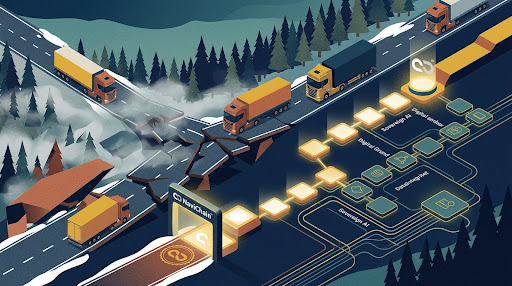
Increased control and agility: benefits driving insourcing for European SMEs.
Executive summary
European SMEs face unprecedented challenges in today's volatile global landscape. Geopolitical instability, rising transportation costs, and increasing customer expectations are straining supply chains to the breaking point. This report argues that achieving true supply chain sovereignty – the ability to control and optimize logistics operations – is no longer a luxury but a necessity for survival and growth. By strategically insourcing key logistics functions and leveraging advanced technology like Navichain SaaS, SMEs can gain greater visibility, agility, and resilience, ultimately transforming their supply chains from a cost center into a competitive advantage. This deep dive explores the challenges, context, strategic solutions, and the role of technology in achieving supply chain sovereignty for European SMEs. Supply chain disruption fuels the need for increased SME logistics sovereignty.

Congestion at a major European port exemplifies the supply chain vulnerabilities compelling SMEs to re-evaluate outsourcing strategies.
Introduction
The global supply chain, once a marvel of efficiency and interconnectedness, is now a battleground of disruptions. From pandemic-induced lockdowns to geopolitical conflicts and inflationary pressures, European SMEs are facing a barrage of challenges that threaten their profitability and long-term viability. Traditional outsourcing models, while offering initial cost savings, have often resulted in a loss of control, reduced visibility, and increased vulnerability to external shocks. This report examines the growing trend of European SMEs strategically insourcing logistics operations as a means of achieving greater supply chain sovereignty. We will delve into the underlying drivers of this shift, explore the benefits of insourcing, and highlight the critical role of technology in enabling SMEs to effectively manage their own logistics functions. Furthermore, we will showcase how Navichain's Unified OS and AI-driven capabilities empower SMEs to optimize their supply chains, reduce costs, and build resilience in the face of ongoing uncertainty. Global disruptions expose vulnerabilities of traditional, outsourced supply chain models for European SMEs.
Section 1: The challenge: losing control in a volatile world
The modern supply chain is a complex web of interconnected entities, spanning continents and involving numerous intermediaries. While outsourcing logistics functions may seem like a cost-effective solution on the surface, it often leads to a significant loss of control and visibility. This lack of control can have severe consequences for European SMEs, particularly in today's volatile environment.
The hidden costs of outsourcing
- Reduced Visibility: Outsourcing often obscures the flow of goods and information, making it difficult to track inventory, monitor performance, and identify potential bottlenecks. This lack of transparency can lead to delays, errors, and increased costs.
- Loss of Agility: Relying on third-party logistics providers (3PLs) can make it challenging to respond quickly to changing market conditions or unexpected disruptions. SMEs may find themselves locked into inflexible contracts and unable to adapt their logistics strategies to meet evolving customer demands.
- Increased Dependency: Outsourcing creates a dependency on external providers, making SMEs vulnerable to their performance, pricing, and even their financial stability. If a 3PL experiences difficulties, it can have a ripple effect throughout the entire supply chain.
- Erosion of Expertise: Outsourcing logistics functions can lead to a decline in internal expertise, making it more difficult for SMEs to understand and manage their own supply chains effectively. This can create a vicious cycle, where reliance on external providers further diminishes internal capabilities.
- Data Security Risks: Sharing sensitive supply chain data with third-party providers increases the risk of data breaches and cyberattacks. SMEs must carefully vet their 3PLs and implement robust security measures to protect their information.
The cost of inaction: A recipe for disaster
The consequences of failing to address these challenges can be dire for European SMEs.
- Lost Revenue: Supply chain disruptions can lead to delays in fulfilling orders, resulting in lost sales and dissatisfied customers.
- Increased Costs: Inefficient logistics operations can drive up transportation, warehousing, and inventory holding costs, eroding profit margins.
- Damage to Reputation: Poor supply chain performance can damage a company's reputation and erode customer trust.
- Competitive Disadvantage: SMEs with inefficient supply chains may struggle to compete with larger companies that have the resources to invest in advanced logistics technologies and strategies.
- Existential Threat: In extreme cases, supply chain disruptions can even threaten the survival of SMEs, particularly those that are highly dependent on global supply chains.
Outsourcing weakens supply chain visibility, exposing European SMEs to unforeseen risks.
Section 2: The context/data: navigating the shifting sands of global trade
The decision to insource logistics operations is not simply a matter of cost savings; it is a strategic imperative driven by a confluence of factors reshaping the global trade landscape. Understanding these trends is crucial for European SMEs to make informed decisions about their supply chain strategies.
Industry trends: A perfect storm
- Geopolitical Instability: The rise of protectionism, trade wars, and geopolitical conflicts is disrupting global supply chains and creating uncertainty for businesses.
- Rising Transportation Costs: Fuel prices, labor shortages, and capacity constraints are driving up transportation costs, making it more expensive to move goods around the world.
Analysis of key industry trends impacting European SME logistics operations, highlighting the increasing complexity of global trade.
- Increasing Customer Expectations: Customers are demanding faster delivery times, greater transparency, and more personalized service, putting pressure on SMEs to optimize their logistics operations.
- The E-commerce Boom: The rapid growth of e-commerce is transforming the retail landscape and creating new challenges for supply chain management. SMEs must adapt their logistics strategies to meet the demands of online shoppers.
- Sustainability Concerns: Growing awareness of environmental issues is driving demand for more sustainable logistics practices. SMEs are under pressure to reduce their carbon footprint and adopt eco-friendly transportation and warehousing solutions.
The paradox of outsourcing: A false sense of security
While outsourcing may seem like a way to simplify logistics operations and reduce costs, it can actually create a false sense of security. SMEs may become overly reliant on their 3PLs and lose sight of the importance of managing their own supply chains effectively.
- The Illusion of Control: Outsourcing can create the illusion of control, as SMEs may assume that their 3PLs are handling all aspects of logistics efficiently. However, in reality, they may have limited visibility into the actual operations and performance of their supply chains.
- The Hidden Costs of Complexity: Outsourcing can add complexity to the supply chain, as SMEs must manage multiple 3PLs and coordinate their activities. This can lead to inefficiencies, delays, and increased costs.

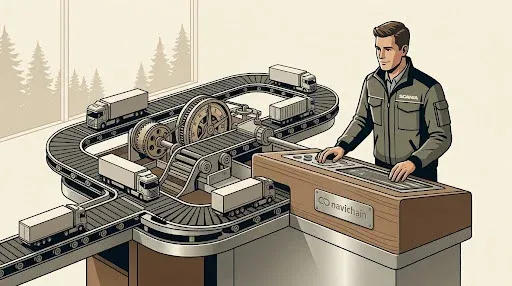
This chart illustrates the complexities and potential hidden costs associated with outsourcing logistics, highlighting the importance of SMEs maintaining visibility and control over their supply chains.
- The Risk of Vendor Lock-in: SMEs may become locked into long-term contracts with their 3PLs, making it difficult to switch providers or bring logistics functions back in-house.
Data-driven insights: The numbers don't lie
- A recent study by McKinsey found that companies with highly resilient supply chains outperform their peers by 20% in terms of revenue growth.
- According to a report by the World Economic Forum, supply chain disruptions cost businesses an average of $184 million per year.
- A survey by Deloitte found that 87% of executives believe that supply chain resilience is a critical priority for their organizations. These statistics highlight the importance of investing in supply chain resilience and taking proactive steps to mitigate risks. Insourcing logistics operations can be a key strategy for achieving these goals.
Navichain illustrates visibility crucial to mitigating geopolitical supply chain risks.
Section 3: The strategic solution: reclaiming control through insourcing
Insourcing logistics operations is not a one-size-fits-all solution. It requires a strategic approach that carefully considers the specific needs and capabilities of each SME. The key is to identify the critical logistics functions that can be brought in-house to achieve greater control, visibility, and agility.
A phased approach to insourcing
- Assessment: Conduct a thorough assessment of the current state of the supply chain, identifying areas where outsourcing is creating challenges or inefficiencies.
- Prioritization: Prioritize the logistics functions that are most critical to the business and that can be effectively managed in-house.
- Planning: Develop a detailed plan for insourcing these functions, including the necessary resources, technology, and training.
- Implementation: Implement the plan in a phased approach, starting with the functions that are easiest to bring in-house and gradually expanding to more complex areas.
- Monitoring and Optimization: Continuously monitor the performance of the insourced logistics functions and make adjustments as needed to optimize efficiency and effectiveness.
Key logistics functions to consider for insourcing
- Transportation Management: Bringing transportation management in-house can give SMEs greater control over their shipping costs and delivery times.
- Warehouse Management: Managing their own warehouses can allow SMEs to optimize inventory levels and improve order fulfillment efficiency.
Schematic illustrating the key logistics functions SMEs can consider for insourcing to gain greater supply chain control.
- Inventory Management: Insourcing inventory management can help SMEs reduce stockouts, minimize waste, and improve cash flow.
- Order Fulfillment: Managing their own order fulfillment processes can enable SMEs to provide faster and more accurate service to their customers.
- Supply Chain Planning: Bringing supply chain planning in-house can allow SMEs to better anticipate demand, optimize production schedules, and mitigate risks.
The importance of technology: The enabler of insourcing
Insourcing logistics operations is not possible without the right technology. SMEs need access to advanced software and tools that can help them manage their supply chains effectively. This is where Navichain comes in.
Section 4: The tech enabler (Navichain): empowering smes with a unified OS
Navichain offers a comprehensive suite of solutions designed to empower European SMEs to take control of their logistics operations and achieve true supply chain sovereignty. The Navichain SaaS platform provides a Unified OS that integrates all aspects of the supply chain, from transportation management to warehouse management to inventory optimization.
Navichain SaaS: A unified OS for supply chain sovereignty
- End-to-End Visibility: Navichain provides real-time visibility into the entire supply chain, allowing SMEs to track inventory, monitor performance, and identify potential bottlenecks.
- Automated Processes: Navichain automates many of the manual tasks involved in logistics management, freeing up staff to focus on more strategic activities.
- Data-Driven Insights: Navichain provides powerful analytics and reporting tools that help SMEs identify opportunities to optimize their supply chains and reduce costs.
- Scalable and Flexible: Navichain is a cloud-based platform that can be easily scaled to meet the evolving needs of SMEs.
- Seamless Integration: Navichain integrates seamlessly with other business systems, such as ERP and CRM, providing a holistic view of the entire organization.
Ai-driven optimization: Intelligent decision-making
Navichain's AI-driven capabilities enable SMEs to make more informed decisions about their supply chains.
- Demand Forecasting: AI algorithms can analyze historical data and market trends to predict future demand, allowing SMEs to optimize inventory levels and production schedules.
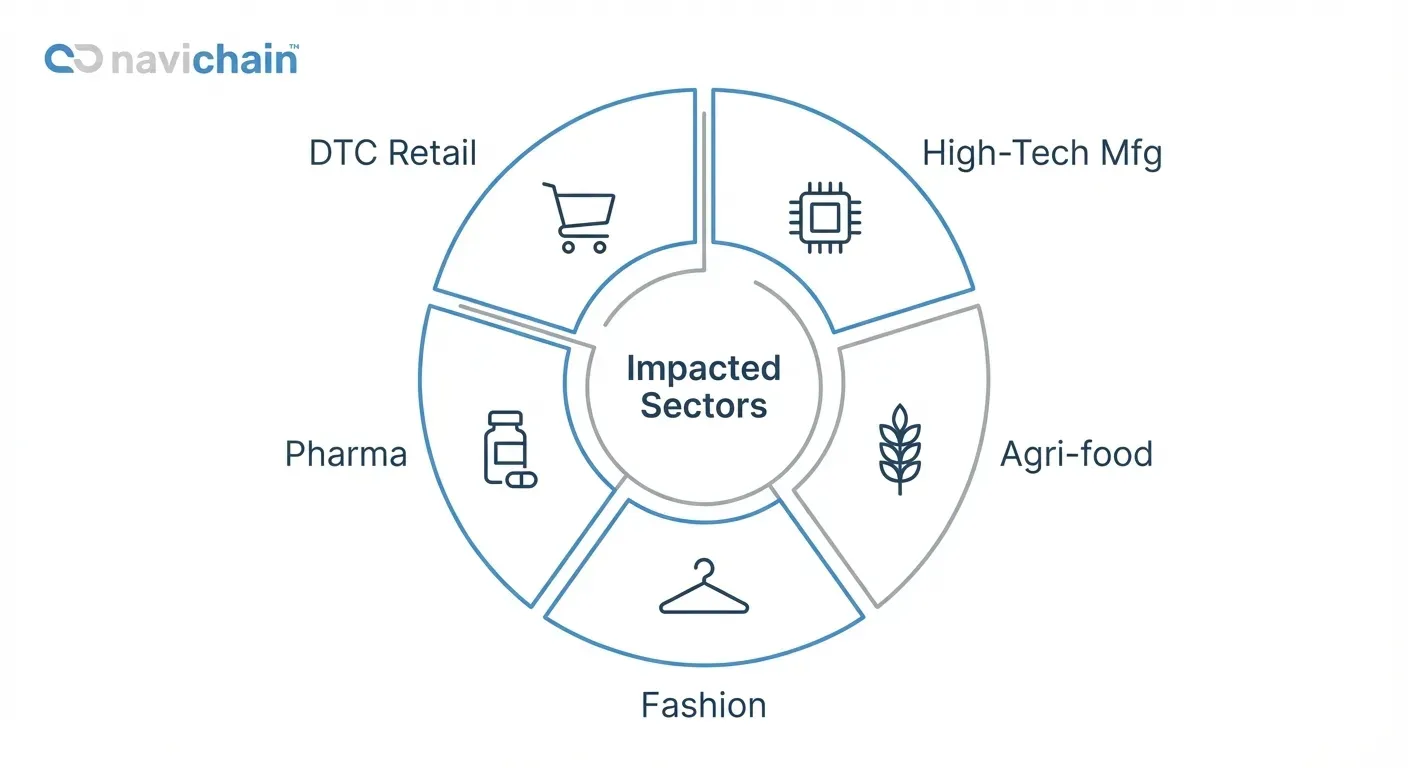
Schematic representation of Navichain's AI-driven platform facilitating intelligent decision-making across key supply chain functions.
- Route Optimization: AI can optimize transportation routes to minimize costs and delivery times.
- Risk Management: AI can identify potential supply chain risks and recommend mitigation strategies.
- Anomaly Detection: AI can detect anomalies in supply chain data, alerting SMEs to potential problems before they escalate.
Key features of Navichain for insourcing
- Transportation Management System (TMS): Optimize transportation routes, manage carriers, and track shipments in real-time.
- Warehouse Management System (WMS): Manage inventory, optimize warehouse layout, and improve order fulfillment efficiency.
- Inventory Optimization: Reduce stockouts, minimize waste, and improve cash flow.
Improved efficiency and control over the supply chain lead to positive business outcomes for European SMEs.
- Supply Chain Planning: Anticipate demand, optimize production schedules, and mitigate risks.
- Real-Time Visibility: Track inventory, monitor performance, and identify potential bottlenecks.
Section 5: Business outcomes: the ROI of supply chain sovereignty
Insourcing logistics operations and leveraging technology like Navichain can deliver significant business outcomes for European SMEs.
Quantifiable benefits: The numbers speak for themselves
- Reduced Transportation Costs: Optimizing transportation routes and negotiating better rates with carriers can reduce transportation costs by 10-20%.
- Lower Inventory Holding Costs: Optimizing inventory levels can reduce inventory holding costs by 15-25%.
- Improved Order Fulfillment Efficiency: Automating order fulfillment processes can reduce order fulfillment times by 20-30%.
- Increased Revenue: Reducing stockouts and improving delivery times can increase revenue by 5-10%.
- Enhanced Customer Satisfaction: Providing faster and more reliable service can improve customer satisfaction and loyalty.
Strategic resilience: Weathering the storm
In addition to these quantifiable benefits, insourcing logistics operations can also enhance strategic resilience, enabling SMEs to better weather the storm of global disruptions.
- Greater Control: Insourcing gives SMEs greater control over their supply chains, allowing them to respond quickly to changing market conditions or unexpected disruptions.
- Improved Visibility: Real-time visibility into the entire supply chain enables SMEs to identify potential problems early and take corrective action.
- Increased Agility: Insourcing allows SMEs to adapt their logistics strategies to meet evolving customer demands.
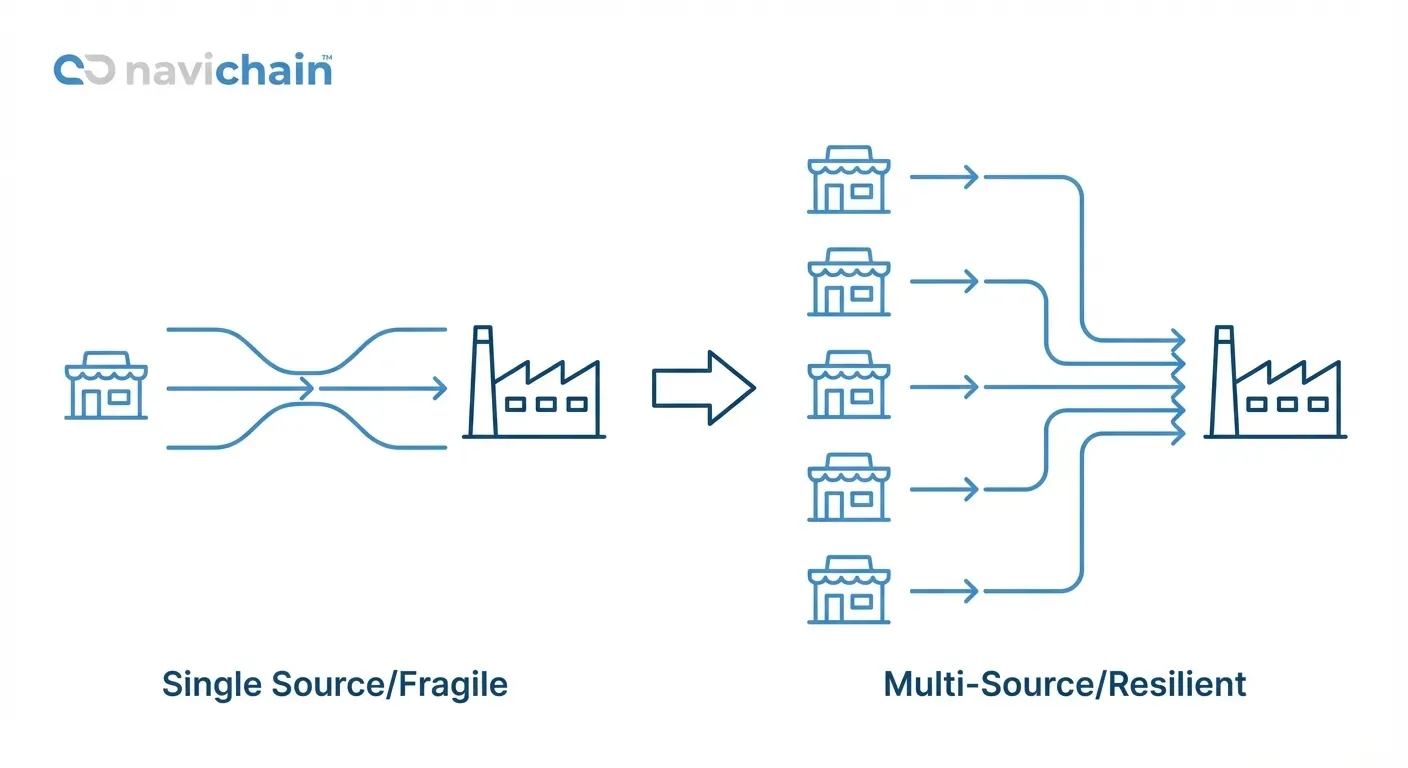
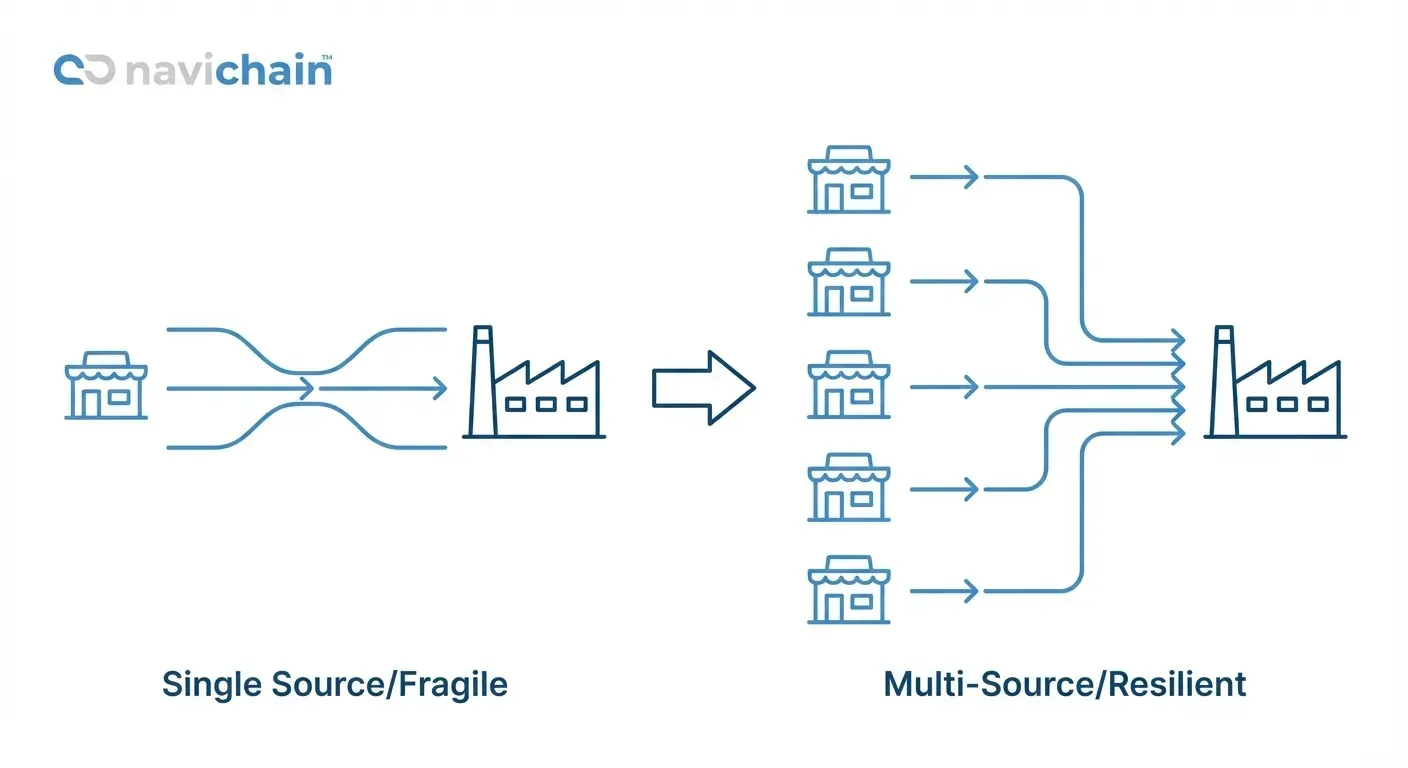
Insourcing empowers SMEs to build resilient supply chains, mitigating disruptions and fostering a competitive edge.
- Reduced Dependency: Insourcing reduces dependency on external providers, making SMEs less vulnerable to their performance, pricing, and financial stability.
A competitive advantage: Thriving in a volatile world
By achieving supply chain sovereignty, European SMEs can transform their supply chains from a cost center into a competitive advantage. They can offer faster delivery times, more reliable service, and more personalized experiences to their customers. They can also reduce costs, improve efficiency, and enhance resilience, enabling them to thrive in a volatile world.
Conclusion
The era of blindly outsourcing logistics operations is over. European SMEs are waking up to the realization that true supply chain sovereignty is essential for survival and growth in today's turbulent global landscape. By strategically insourcing key logistics functions and leveraging advanced technology like Navichain, SMEs can gain greater control, visibility, and agility, transforming their supply chains into a source of competitive advantage. The time to act is now. Embrace the power of insourcing and reclaim your supply chain sovereignty. The future of your business depends on it.
References
- European Commission. (2020). European Green Deal
- International Road Transport Union (IRU). (2023). The Future of Road Transport: Challenges and Opportunities
- McKinsey & Company. (2023). Reimagining Supply Chains for Resilience and Growth
- Gartner. (2022). Gartner Top 25 Supply Chains
- European Union. (2016). Regulation (EU) 2016/679 (General Data Protection Regulation)
Navichain's platform visualizes and manages complex supply chain data, offering enhanced transparency and control. This allows for better decision-making and optimized logistics operations.
Navichain's platform provides a visual representation of supply chain data, facilitating improved transparency and control for optimized logistics.
Ready to optimise your supply chain?
navichain Insights Newsletter
Join the newsletter to receive the latest updates in your inbox.