Sovereignty in Motion: Why European SMEs are Reclaiming Control of the Supply Chain
Table of Contents
**Is your supply chain a strategic asset or a ticking time bomb? European SMEs are waking up to the critical need for supply chain sovereignty, and the answer lies in leveraging technology to regain control.
Sovereignty in Motion: Why European SMEs are Reclaiming Control of the Supply
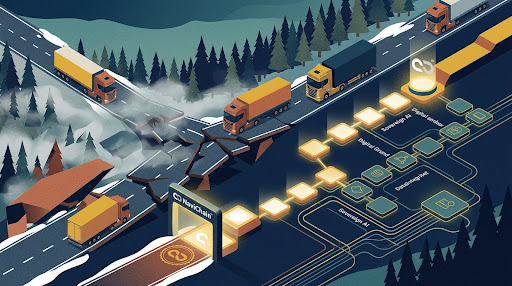
Fragmented data flow highlights SME vulnerability in global supply chains.
Executive summary
European SMEs face unprecedented challenges in today's globalized and volatile supply chain landscape. Geopolitical instability, rising costs, and increasing complexity threaten their competitiveness and resilience. This report argues that achieving supply chain sovereignty – the ability to control and optimize the entire supply chain from origin to delivery – is no longer a luxury but a necessity. We explore the limitations of traditional supply chain management approaches and introduce Navichain, a unified, AI-driven SaaS platform, as a strategic solution for empowering European SMEs to reclaim control, enhance efficiency, and build resilient, future-proof supply chains. Navigating supply chain volatility: SMEs need control to build resilience.
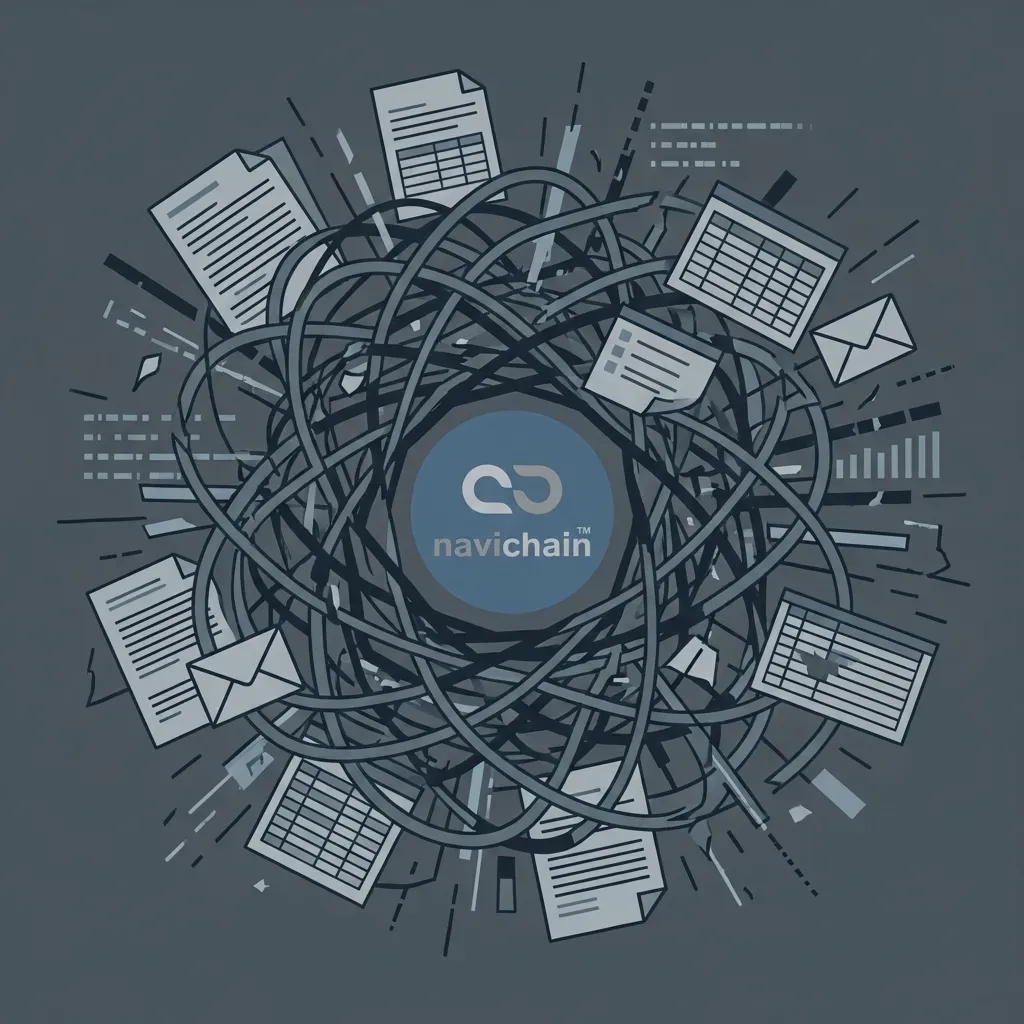
Increased disruptions highlight vulnerabilities in traditional supply chain models, impacting European SMEs' ability to maintain control and competitiveness.
Introduction
The global supply chain, once a marvel of efficiency and interconnectedness, has become a source of significant vulnerability for European SMEs. Events ranging from geopolitical conflicts to pandemics have exposed the fragility of relying on complex, opaque, and often geographically dispersed supply networks. While large multinational corporations have the resources to navigate these challenges, smaller and medium-sized enterprises often lack the visibility, control, and technological infrastructure needed to effectively manage disruptions and optimize their operations. This report delves into the challenges facing European SMEs, examines the imperative for supply chain sovereignty, and presents a strategic solution powered by Navichain to empower these businesses to thrive in an increasingly uncertain world. Fragile global supply chains expose European SMEs to increasing operational risks.
Section 1: The challenge: a perfect storm of supply chain disruptions
European SMEs are grappling with a confluence of factors that are disrupting their supply chains and impacting their bottom lines. These challenges can be broadly categorized into: * Geopolitical Instability: The rise of protectionism, trade wars, and regional conflicts has created significant uncertainty and volatility in global trade flows. Tariffs, sanctions, and border closures can disrupt supply chains, increase costs, and delay deliveries. The reliance on specific regions for critical components or raw materials exposes SMEs to significant risk if those regions become unstable.
- Rising Costs: Inflation, energy price hikes, and increased transportation costs are putting immense pressure on SMEs' profit margins. Supply chain inefficiencies, such as excessive inventory holding, inefficient transportation routes, and lack of real-time visibility, exacerbate these cost pressures.
- Complexity and Opacity: Modern supply chains are incredibly complex, involving multiple tiers of suppliers, manufacturers, distributors, and logistics providers. This complexity makes it difficult for SMEs to track goods, monitor performance, and identify potential risks. The lack of transparency in the supply chain also makes it challenging to ensure ethical sourcing and compliance with environmental regulations.
- Talent Shortages: The logistics and supply chain industry is facing a growing shortage of skilled workers, particularly in areas such as data analytics, supply chain planning, and technology implementation. This talent gap makes it difficult for SMEs to adopt new technologies and optimize their operations.
- Cybersecurity Threats: Supply chains are increasingly vulnerable to cyberattacks, which can disrupt operations, steal sensitive data, and damage reputations. SMEs often lack the resources and expertise to adequately protect their supply chains from these threats. The consequences of failing to address these challenges are significant for European SMEs. These include:
- Reduced Competitiveness: SMEs that cannot effectively manage their supply chains will struggle to compete with larger companies that have more resources and expertise. They may lose market share, experience lower profit margins, and face increased pressure to cut costs.
- Increased Risk: Supply chain disruptions can lead to production delays, lost sales, and damage to customer relationships. SMEs that are not prepared for these disruptions may face significant financial losses and even business failure.
- Missed Opportunities: A well-managed supply chain can be a source of competitive advantage, enabling SMEs to respond quickly to changing market conditions, innovate new products and services, and expand into new markets. SMEs that fail to invest in their supply chains may miss out on these opportunities.
Geopolitical risks expose European SMEs to supply chain disruption and financial strain.
Section 2: The context/data: navigating the shifting sands of global trade
The current state of global supply chains presents a complex and often paradoxical picture. While globalization has created unprecedented opportunities for businesses to access new markets and reduce costs, it has also created new vulnerabilities and challenges.
- The Reshoring Trend: Driven by geopolitical concerns and the desire to reduce reliance on distant suppliers, many companies are considering reshoring or nearshoring their production operations. This trend presents both opportunities and challenges for European SMEs. On the one hand, it can create new demand for local suppliers and manufacturers. On the other hand, it may require SMEs to invest in new technologies and infrastructure to meet the demands of reshoring companies.
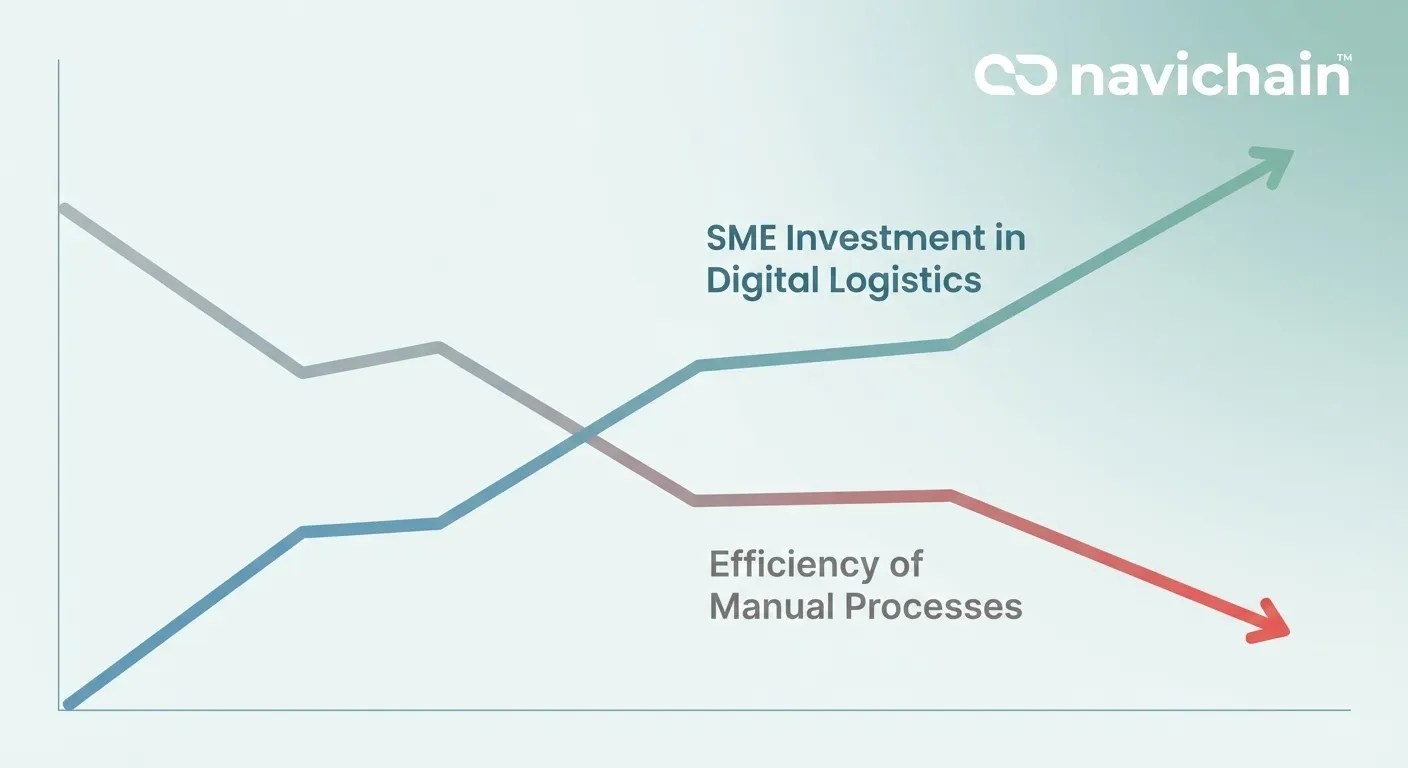
Analysis of factors driving European SMEs to reassess and reclaim control over their supply chains in a changing global landscape.
- The Rise of E-commerce: The rapid growth of e-commerce has transformed the way goods are bought and sold, creating new demands on supply chains. SMEs need to be able to fulfill online orders quickly and efficiently, manage returns effectively, and provide customers with real-time visibility into the status of their orders.
- The Sustainability Imperative: Consumers and investors are increasingly demanding that businesses operate in a sustainable and ethical manner. SMEs need to be able to track the environmental and social impact of their supply chains, reduce their carbon footprint, and ensure that their suppliers adhere to ethical labor practices.
- A recent study by the European Commission found that supply chain disruptions cost European businesses an estimated €400 billion per year.
Analysis of key factors driving European SMEs to reassess their supply chains in the face of global disruptions and evolving market dynamics.
- A survey of European SMEs found that 60% reported experiencing supply chain disruptions in the past year.
- The same survey found that only 20% of SMEs have a formal supply chain risk management plan in place.
- According to industry analysts, transportation costs have increased by an average of 20% in the past year. These data points underscore the urgent need for European SMEs to take proactive steps to strengthen their supply chains and mitigate risks.
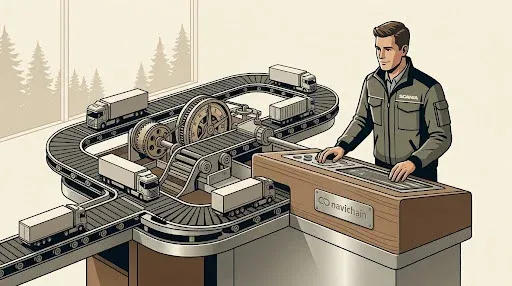
Reshoring decisions require holistic supply chain visibility, exemplified by this Navichain platform.
Section 3: The strategic solution: embracing supply chain sovereignty
To overcome these challenges and thrive in the new global landscape, European SMEs must embrace the concept of supply chain sovereignty. This means taking control of their supply chains, gaining greater visibility into their operations, and building resilient networks that can withstand disruptions. Achieving supply chain sovereignty requires a multi-faceted approach that includes: * Diversifying Supply Sources: Reducing reliance on single suppliers or regions can mitigate the risk of disruptions. SMEs should explore alternative sourcing options and build relationships with multiple suppliers.
- Investing in Technology: Technology is essential for gaining visibility into the supply chain, optimizing operations, and managing risks. SMEs should invest in solutions that provide real-time data, automate processes, and enable collaboration with suppliers and customers.
- Strengthening Supplier Relationships: Building strong, collaborative relationships with suppliers is crucial for ensuring supply chain resilience. SMEs should work closely with their suppliers to improve communication, share information, and develop contingency plans.
- Developing Risk Management Plans: SMEs should develop formal risk management plans that identify potential threats to their supply chains and outline strategies for mitigating those risks. These plans should be regularly reviewed and updated to reflect changing conditions.
- Focusing on Sustainability: Integrating sustainability into supply chain management can reduce costs, improve brand reputation, and attract environmentally conscious customers. SMEs should track their environmental impact, reduce waste, and promote ethical sourcing practices. The strategic solution hinges on two key theoretical concepts: Network Orchestration and Control Tower Visibility.
Schematic illustrating the interconnectedness of Network Orchestration and Control Tower Visibility in a resilient SME supply chain.
- Network Orchestration: This involves actively managing and coordinating the activities of all participants in the supply chain network. It goes beyond simply managing individual suppliers and focuses on optimizing the entire network as a whole. This requires a collaborative approach, with all participants sharing information and working together to achieve common goals.
- Control Tower Visibility: This refers to the ability to see and understand what is happening across the entire supply chain in real-time. A control tower provides a single, centralized view of all relevant data, enabling businesses to identify potential problems, make informed decisions, and take corrective action quickly. By combining network orchestration and control tower visibility, European SMEs can gain the control and agility they need to navigate the complexities of the modern supply chain.
Section 4: The tech enabler (Navichain): a unified OS for supply chain sovereignty
Navichain provides a comprehensive solution for achieving supply chain sovereignty through its Navichain SaaS platform. This Unified OS integrates all aspects of supply chain management, from sourcing and procurement to logistics and delivery, providing SMEs with a single, centralized platform for managing their entire supply chain. Key features of Navichain include: * Real-Time Visibility: Navichain provides real-time visibility into the location and status of goods, inventory levels, and transportation movements. This enables SMEs to track shipments, monitor performance, and identify potential delays or disruptions.
- AI-Driven Optimization: Navichain leverages AI-driven algorithms to optimize supply chain processes, such as inventory management, route planning, and demand forecasting. This helps SMEs reduce costs, improve efficiency, and make better decisions.
- Collaboration Tools: Navichain provides collaboration tools that enable SMEs to communicate and share information with their suppliers, customers, and logistics partners. This improves coordination, reduces errors, and enhances responsiveness.
- Risk Management Features: Navichain includes risk management features that help SMEs identify and mitigate potential threats to their supply chains. These features include alerts for potential disruptions, tools for assessing supplier risk, and contingency planning capabilities.
- Sustainability Tracking: Navichain enables SMEs to track the environmental and social impact of their supply chains, reduce their carbon footprint, and ensure compliance with ethical sourcing standards. Navichain directly addresses the challenges facing European SMEs by:
- Simplifying Complexity: By providing a unified platform for managing all aspects of the supply chain, Navichain simplifies complexity and reduces the need for multiple disparate systems.
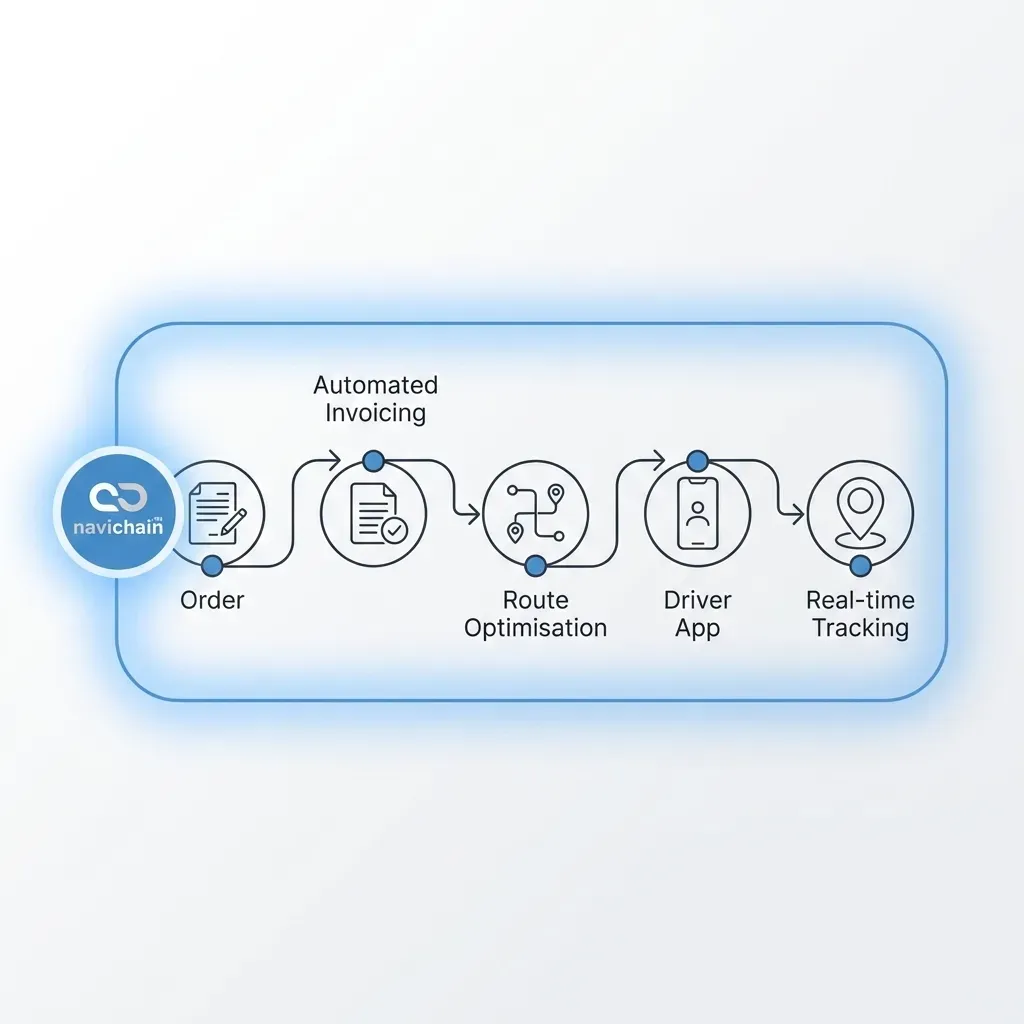
A schematic representation of Navichain's integrated platform, showcasing its key features for optimizing supply chain management for European SMEs.
- Improving Visibility: Navichain provides real-time visibility into the entire supply chain, enabling SMEs to track goods, monitor performance, and identify potential risks.
- Automating Processes: Navichain automates many manual and time-consuming tasks, such as order processing, invoice reconciliation, and shipment tracking.
- Enhancing Collaboration: Navichain facilitates collaboration between SMEs and their suppliers, customers, and logistics partners, improving coordination and reducing errors.
- Enabling Data-Driven Decision Making: Navichain provides SMEs with access to real-time data and analytics, enabling them to make informed decisions and optimize their operations.
Section 5: Business outcomes: ROI, efficiency gains, and strategic resilience
By implementing Navichain, European SMEs can achieve significant business outcomes, including: * Reduced Costs: Navichain can help SMEs reduce costs by optimizing inventory levels, improving transportation efficiency, and automating processes. Studies have shown that companies using Navichain can reduce their supply chain costs by up to 15%.
Navichain empowers SMEs to achieve tangible improvements in cost efficiency, operational resilience, and overall competitiveness within their supply chains.
- Improved Efficiency: Navichain can help SMEs improve efficiency by streamlining processes, reducing errors, and enhancing collaboration. This can lead to faster order fulfillment, shorter lead times, and increased productivity.
- Enhanced Resilience: Navichain can help SMEs build more resilient supply chains that can withstand disruptions and adapt to changing conditions. This can reduce the risk of production delays, lost sales, and damage to customer relationships.
- Increased Competitiveness: By improving their supply chain performance, SMEs can become more competitive in the global marketplace. They can offer better service, lower prices, and more innovative products and services.
- Improved Sustainability: Navichain can help SMEs reduce their environmental impact, improve their social responsibility, and attract environmentally conscious customers.
- Inventory Reduction: SMEs using Navichain have reported a 10-20% reduction in inventory holding costs due to improved demand forecasting and inventory optimization.
- Transportation Savings: AI-driven route optimization within Navichain has resulted in a 5-10% reduction in transportation expenses.
- Reduced Lead Times: Streamlined processes and improved collaboration have led to a 15-25% reduction in order fulfillment lead times. These quantifiable benefits demonstrate the significant ROI that European SMEs can achieve by implementing Navichain.
Navichain empowers European SMEs to achieve significant improvements in sustainability, inventory management, transportation costs, and order fulfillment lead times, as visualized above.
Conclusion
In today's volatile and uncertain world, supply chain sovereignty is no longer a luxury but a necessity for European SMEs. By embracing technology and taking control of their supply chains, these businesses can build resilient networks that can withstand disruptions, optimize their operations, and compete effectively in the global marketplace. Navichain provides a comprehensive solution for achieving supply chain sovereignty, empowering European SMEs to reclaim control, enhance efficiency, and build future-proof supply chains. The time to act is now. The future of European SMEs depends on their ability to master their supply chains and achieve true sovereignty in motion.
References
- European Commission. (2020). EU strategy for sustainable and smart mobility. https://ec.europa.eu/transport/themes/mobilitystrategy_en
- International Road Transport Union (IRU). (2023). The State of the European Logistics Market. https://www.iru.org/state-european-logistics-market
- McKinsey & Company. (2023). Reimagining supply chains for Europe. https://www.mckinsey.com/featured-insights/europe/reimagining-supply-chains-for-europe
- Gartner. (2022). Supply Chain Top 25 for 2022. https://www.gartner.com/en/newsroom/press-releases/2022-05-19-gartner-announces-2022-supply-chain-top-25
Navichain: An example of a platform aiming to provide SMEs with greater visibility and control over their supply chain operations.
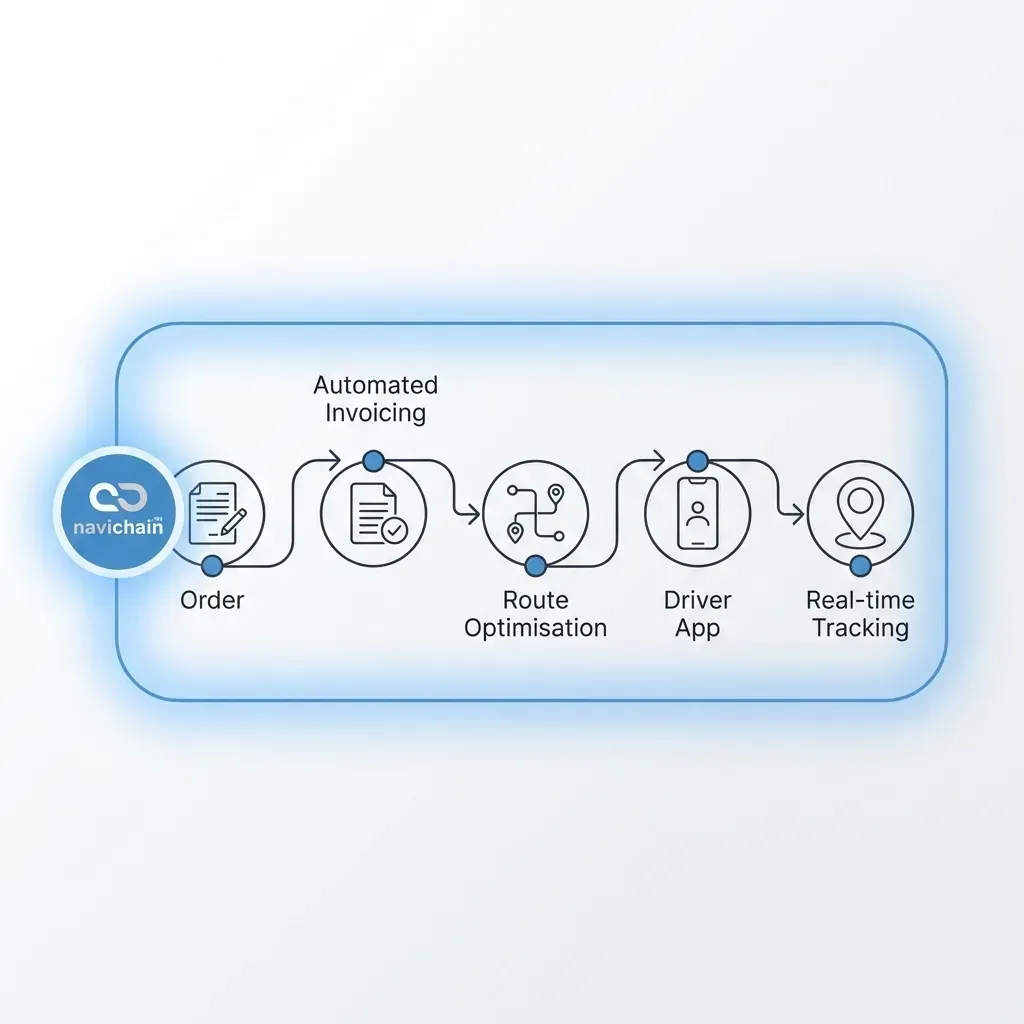
Navichain's platform offers SMEs increased transparency and management capabilities within complex supply chains, contributing to greater control and resilience.
Ready to optimise your supply chain?
navichain Insights Newsletter
Join the newsletter to receive the latest updates in your inbox.