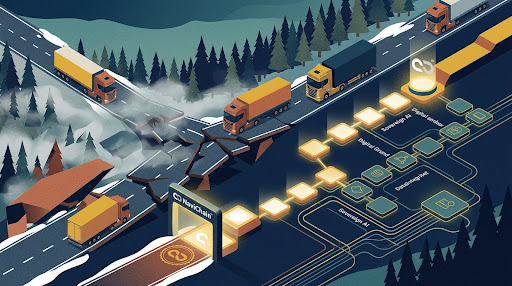
Sovereignty and Scale: Navigating the New Paradigm of European Supply Chain Resilience
Table of Contents

European supply chains are at a breaking point, struggling under the weight of geopolitical instability and fragmented networks. Discover how achieving supply chain sovereignty is no longer optional, but a strategic imperative for European businesses. Learn how Navichain, a unified, AI-driven platform, empowers firms to navigate this new paradigm and unlock unprecedented resilience and scalability.
Sovereignty and Scale: Navigating the New Paradigm of European Supply Chain
Fragmented networks hinder European firms seeking supply chain sovereignty and scale.
Executive summary
European supply chains are facing unprecedented challenges. Geopolitical instability, increasing regulatory complexity, and the ever-present need for cost optimization are creating a perfect storm. Traditional supply chain management systems, often fragmented and lacking real-time visibility, are proving inadequate. This report delves into these challenges, explores the strategic imperative of supply chain sovereignty, and introduces Navichain, a unified, AI-driven platform designed to empower European businesses to achieve both resilience and scalability in this new paradigm. Navichain SaaS provides a unified OS for end-to-end supply chain management, enabling businesses to optimize operations, mitigate risks, and unlock significant business value. Fragmented systems hinder real-time visibility, impeding European supply chain sovereignty.

Siloed data and disconnected systems impede visibility and control across the complex European supply chain landscape.
Introduction
The global supply chain has undergone a radical transformation in recent years. Once a relatively stable and predictable system, it is now characterized by volatility, uncertainty, complexity, and ambiguity (VUCA). This is particularly true in Europe, where geopolitical tensions, evolving regulations, and increasing customer expectations are creating significant challenges for businesses of all sizes. The traditional approach to supply chain management, often relying on disparate systems and manual processes, is no longer sufficient. Businesses need a new paradigm – one that prioritizes resilience, agility, and visibility. This requires a strategic shift towards supply chain sovereignty, the ability to control and optimize every aspect of the supply chain, from sourcing and production to distribution and delivery. This report examines the key challenges facing European supply chains, explores the strategic importance of supply chain sovereignty, and introduces Navichain, a technology platform designed to empower businesses to navigate this new landscape and achieve sustainable competitive advantage. Fragmented systems exacerbate VUCA challenges in the European supply chain.
Section 1: The challenge: navigating the labyrinth of modern supply chains
The challenges facing European supply chains are multifaceted and interconnected. Ignoring these challenges comes at a significant cost, impacting profitability, customer satisfaction, and long-term competitiveness. Let's examine the key pain points in detail: * Geopolitical Instability: The ongoing conflict in Ukraine, coupled with broader geopolitical tensions, has disrupted supply routes, increased transportation costs, and created uncertainty around access to critical raw materials. Businesses are forced to diversify their sourcing strategies, build buffer stocks, and develop contingency plans to mitigate these risks. The cost of inaction here is significant, potentially leading to production delays, lost sales, and reputational damage.
- Regulatory Complexity: Europe is known for its stringent regulatory environment, and supply chains are subject to a growing number of regulations related to environmental sustainability, labor standards, and data privacy. Compliance with these regulations requires significant investment in technology, processes, and expertise. Failure to comply can result in hefty fines, legal action, and damage to brand reputation. The EU's Carbon Border Adjustment Mechanism (CBAM), for example, will significantly impact businesses importing goods from countries with less stringent carbon emission standards.
- Supply Chain Disruptions: Natural disasters, cyberattacks, and other unforeseen events can disrupt supply chains, leading to production delays, shortages, and price increases. The COVID-19 pandemic exposed the vulnerability of many supply chains, highlighting the need for greater resilience and redundancy. Businesses need to invest in risk management strategies, such as diversifying their supplier base and building buffer stocks, to mitigate the impact of these disruptions.
- Labor Shortages: Many European countries are facing labor shortages, particularly in the transportation and logistics sectors. This is driving up labor costs and making it more difficult to find qualified workers. Businesses need to invest in automation and technology to improve productivity and reduce their reliance on manual labor. They also need to focus on attracting and retaining talent by offering competitive wages, benefits, and training opportunities.
- Sustainability Imperatives: Consumers and investors are increasingly demanding that businesses operate in a sustainable and ethical manner. This requires businesses to reduce their carbon footprint, minimize waste, and ensure fair labor practices throughout their supply chains. Businesses need to invest in sustainable sourcing practices, implement circular economy principles, and track their environmental and social performance.
- Lack of Visibility: Many businesses lack end-to-end visibility into their supply chains, making it difficult to identify and respond to potential disruptions. This lack of visibility is often due to fragmented systems, manual processes, and a lack of data sharing between partners. Businesses need to invest in technology that provides real-time visibility into their supply chains, enabling them to make better decisions and respond more quickly to changing conditions.
- Cost Pressures: Businesses are under constant pressure to reduce costs and improve efficiency. This is particularly challenging in the current environment, with rising energy prices, labor costs, and transportation costs. Businesses need to optimize their supply chain processes, leverage technology to automate tasks, and negotiate better deals with their suppliers. The cost of inaction in addressing these challenges is significant. Businesses that fail to adapt to the new reality risk losing market share, damaging their reputation, and ultimately, failing to survive.
Geopolitical risks visualized: Supply chain disruption and cost escalation in Europe.
Section 2: The context/data: decoding the european supply chain landscape
Understanding the current state of European supply chains requires a deeper dive into industry trends, paradoxes, and relevant statistics.
- The Reshoring Trend: Driven by geopolitical instability and the desire for greater control over their supply chains, many European businesses are considering reshoring or nearshoring production. This trend is supported by government incentives and a growing awareness of the risks associated with relying on distant suppliers. However, reshoring also presents challenges, such as higher labor costs and the need to rebuild domestic manufacturing capabilities.
- The Rise of E-commerce: The rapid growth of e-commerce has transformed the retail landscape, creating new challenges for supply chains. Businesses need to adapt to the demands of omnichannel fulfillment, offering fast and flexible delivery options to meet customer expectations. This requires significant investment in logistics infrastructure, technology, and processes.
Visual representation of key factors influencing European supply chain dynamics, including reshoring, e-commerce growth, data utilization, and sustainability considerations.
- The Data Deluge: Supply chains are generating vast amounts of data, but many businesses are struggling to extract meaningful insights from this data. This is often due to fragmented systems, a lack of data standardization, and a shortage of data scientists. Businesses need to invest in data analytics tools and expertise to unlock the value of their supply chain data.
- The Sustainability Paradox: While there is growing pressure on businesses to operate sustainably, many are struggling to balance environmental concerns with cost considerations. Sustainable sourcing practices, for example, can be more expensive than traditional sourcing methods. Businesses need to find innovative ways to reduce their environmental impact without sacrificing profitability.
- The Skills Gap: The increasing complexity of supply chains requires a workforce with specialized skills in areas such as data analytics, risk management, and sustainability. However, there is a shortage of qualified professionals in these areas. Businesses need to invest in training and development programs to upskill their workforce and attract new talent.
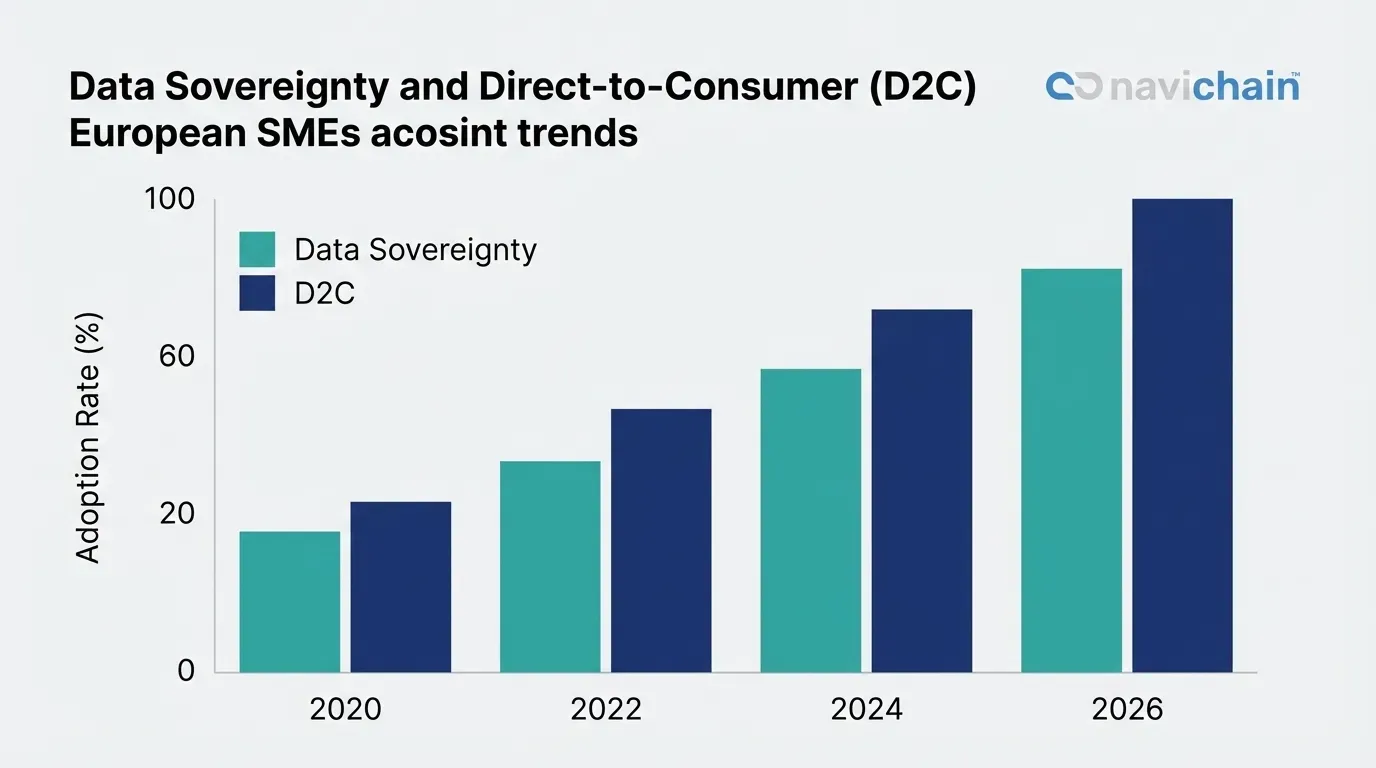
Key factors and their interdependencies affecting European supply chain resilience, encompassing reshoring, e-commerce, data analytics, and sustainability.
- According to a recent study by McKinsey, supply chain disruptions cost European businesses an average of 4% of their annual revenue.
- A report by the European Commission found that only 20% of European businesses have fully integrated their supply chains.
- Research by Gartner indicates that companies with advanced supply chain analytics capabilities outperform their peers by 20% in terms of profitability.
- The European Logistics Association estimates that the logistics sector accounts for 14% of the EU's GDP. These trends and statistics highlight the urgent need for European businesses to transform their supply chains. The traditional approach is no longer sustainable, and businesses need to embrace new technologies and strategies to thrive in the new paradigm.
Reshoring considerations: Navichain data illuminates the complexity of European supply chain realignment.
Section 3: The strategic solution: embracing supply chain sovereignty
To navigate the complexities of the modern supply chain, European businesses need to embrace a strategic approach centered around the concept of supply chain sovereignty. This means taking control of every aspect of the supply chain, from sourcing and production to distribution and delivery. It's about building resilience, agility, and visibility into the entire network. This strategic solution encompasses several key elements: * Diversification of Sourcing: Reducing reliance on single suppliers or geographic regions is crucial for mitigating risk. This involves identifying alternative sources of supply, building relationships with multiple suppliers, and developing contingency plans in case of disruptions.
- Regionalization and Nearshoring: Bringing production closer to home can reduce transportation costs, improve lead times, and enhance responsiveness to customer demand. This involves evaluating the feasibility of reshoring or nearshoring production, considering factors such as labor costs, infrastructure, and regulatory environment.
- Technology Adoption: Investing in technology is essential for improving visibility, automating processes, and optimizing decision-making. This includes implementing supply chain management software, utilizing data analytics tools, and leveraging artificial intelligence to predict and prevent disruptions.
- Collaboration and Data Sharing: Building strong relationships with suppliers, customers, and other partners is crucial for improving coordination and collaboration. This involves establishing clear communication channels, sharing data in real-time, and developing joint strategies to address challenges.
- Risk Management: Implementing a robust risk management framework is essential for identifying, assessing, and mitigating potential disruptions. This involves conducting regular risk assessments, developing contingency plans, and investing in insurance to protect against losses.
Schematic illustrating key strategies for enhancing supply chain resilience, including diversification, regionalization, and technology adoption.
- Sustainability Integration: Embedding sustainability into every aspect of the supply chain is crucial for meeting customer expectations and complying with regulations. This involves implementing sustainable sourcing practices, reducing carbon emissions, and minimizing waste.
- Talent Development: Investing in training and development programs is essential for upskilling the workforce and attracting new talent. This involves providing employees with the skills they need to manage complex supply chains, utilize technology effectively, and make informed decisions. By implementing these strategies, European businesses can achieve greater control over their supply chains, improve their resilience to disruptions, and enhance their competitiveness in the global marketplace. This is not just about optimizing efficiency; it's about building a strategic asset that drives long-term growth and profitability.
Section 4: The tech enabler (Navichain): your unified OS for supply chain sovereignty
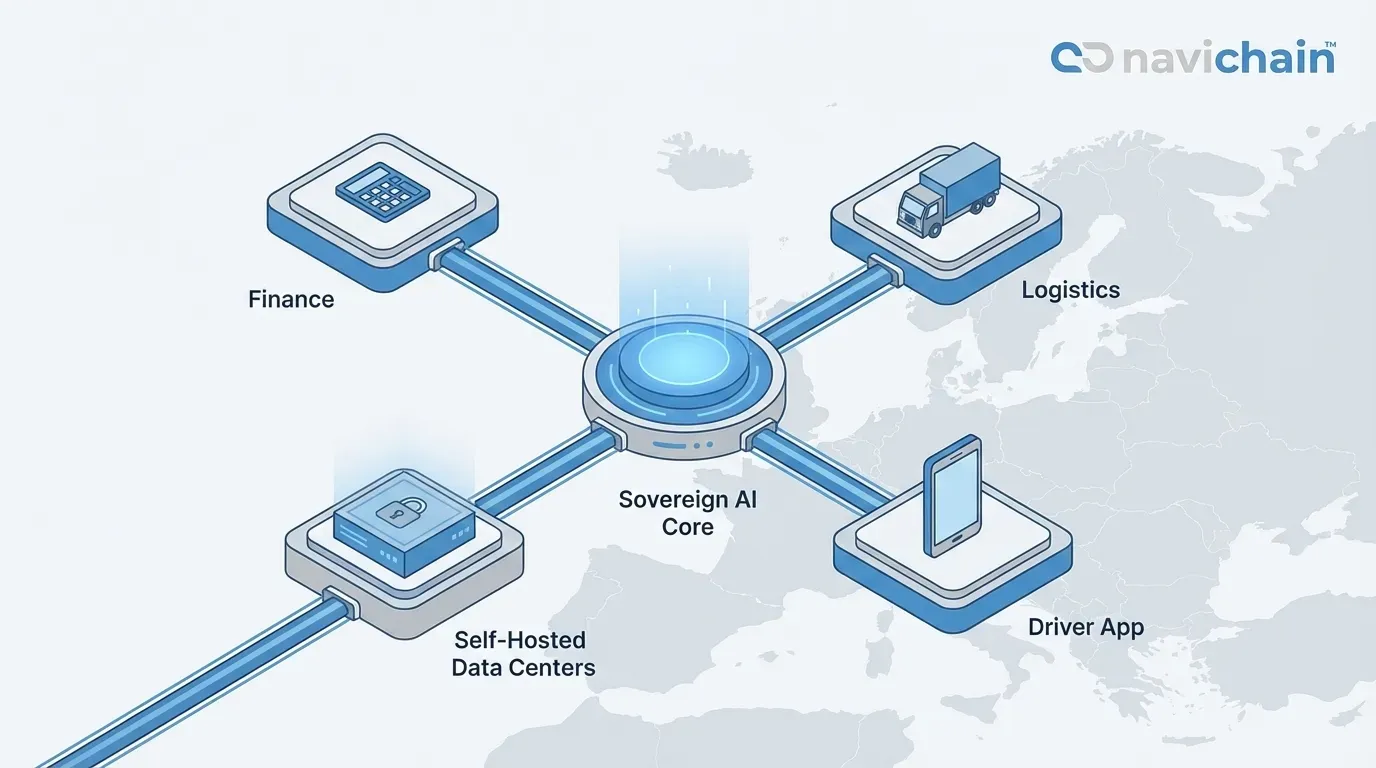
Navichain is a purpose-built technology platform designed to empower European businesses to achieve supply chain sovereignty. It provides a Unified OS for end-to-end supply chain management, integrating all key functions into a single, seamless platform. Unlike traditional, fragmented systems, Navichain offers a holistic view of the entire supply chain, enabling businesses to optimize operations, mitigate risks, and unlock significant business value. Navichain SaaS delivers a comprehensive suite of features, including: * Real-time Visibility: Provides end-to-end visibility into the entire supply chain, from sourcing and production to distribution and delivery. This enables businesses to track inventory levels, monitor shipments, and identify potential disruptions in real-time.
- AI-Driven Optimization: Leverages artificial intelligence and machine learning to optimize supply chain processes, predict demand, and prevent disruptions. This includes features such as demand forecasting, inventory optimization, and predictive maintenance.
- Risk Management: Helps businesses identify, assess, and mitigate potential risks throughout the supply chain. This includes features such as risk scoring, scenario planning, and contingency management.
- Collaboration Platform: Facilitates collaboration and data sharing between suppliers, customers, and other partners. This includes features such as secure messaging, document sharing, and workflow automation.
- Sustainability Tracking: Enables businesses to track their environmental and social performance throughout the supply chain. This includes features such as carbon footprint calculation, waste management tracking, and ethical sourcing monitoring.
- Customizable Dashboards and Reporting: Provides customizable dashboards and reports that allow businesses to monitor key performance indicators (KPIs) and identify areas for improvement.
Schematic illustrating Navichain's integrated platform, showcasing key functionalities for enhancing supply chain resilience through AI-driven optimization, risk management, and collaborative tools.
- Geopolitical Instability: Navichain's AI-driven risk management capabilities help businesses identify and assess potential disruptions caused by geopolitical events. The platform enables businesses to quickly identify alternative sources of supply and develop contingency plans to mitigate the impact of these disruptions.
- Regulatory Complexity: Navichain helps businesses comply with complex regulations by providing a centralized platform for managing compliance data and automating reporting processes. The platform also provides alerts and notifications when new regulations are introduced or existing regulations are updated.
- Supply Chain Disruptions: Navichain's real-time visibility and AI-driven optimization capabilities enable businesses to quickly identify and respond to supply chain disruptions. The platform helps businesses reroute shipments, adjust production schedules, and allocate resources to minimize the impact of disruptions.
- Labor Shortages: Navichain helps businesses automate tasks and improve productivity, reducing their reliance on manual labor. The platform also provides tools for managing workforce schedules and optimizing labor allocation.
- Sustainability Imperatives: Navichain enables businesses to track their environmental and social performance throughout the supply chain, helping them meet customer expectations and comply with regulations. The platform also provides tools for identifying and implementing sustainable sourcing practices. By leveraging Navichain, European businesses can transform their supply chains from a source of risk and vulnerability into a strategic asset that drives growth and profitability.
Navichain empowers European businesses to achieve supply chain resilience, leading to improved efficiency, reduced risks, and enhanced sustainability.
Section 5: Business outcomes: realizing the ROI of supply chain sovereignty
Implementing Navichain and embracing a strategy of supply chain sovereignty delivers significant business outcomes, including: * Improved Efficiency: Automating tasks, optimizing processes, and improving visibility can significantly improve efficiency throughout the supply chain. This translates into lower costs, faster lead times, and improved customer satisfaction.
- Reduced Risk: Identifying, assessing, and mitigating potential disruptions can significantly reduce risk throughout the supply chain. This translates into fewer production delays, lower inventory costs, and improved business continuity.
- Enhanced Agility: Responding quickly to changing market conditions and customer demands can significantly enhance agility. This translates into faster time to market, improved customer responsiveness, and a competitive advantage.
- Increased Profitability: Improving efficiency, reducing risk, and enhancing agility can all contribute to increased profitability. This translates into higher revenues, lower costs, and improved margins.
- Strategic Resilience: Building a resilient supply chain that can withstand disruptions and adapt to changing conditions is crucial for long-term success. This translates into greater stability, improved competitiveness, and a sustainable competitive advantage.
- Up to 20% reduction in inventory costs: By optimizing inventory levels and improving demand forecasting, Navichain can help businesses reduce their inventory costs by up to 20%.
- Up to 15% reduction in transportation costs: By optimizing transportation routes and consolidating shipments, Navichain can help businesses reduce their transportation costs by up to 15%.
- Up to 10% increase in on-time delivery: By improving visibility and optimizing logistics processes, Navichain can help businesses increase their on-time delivery rates by up to 10%.
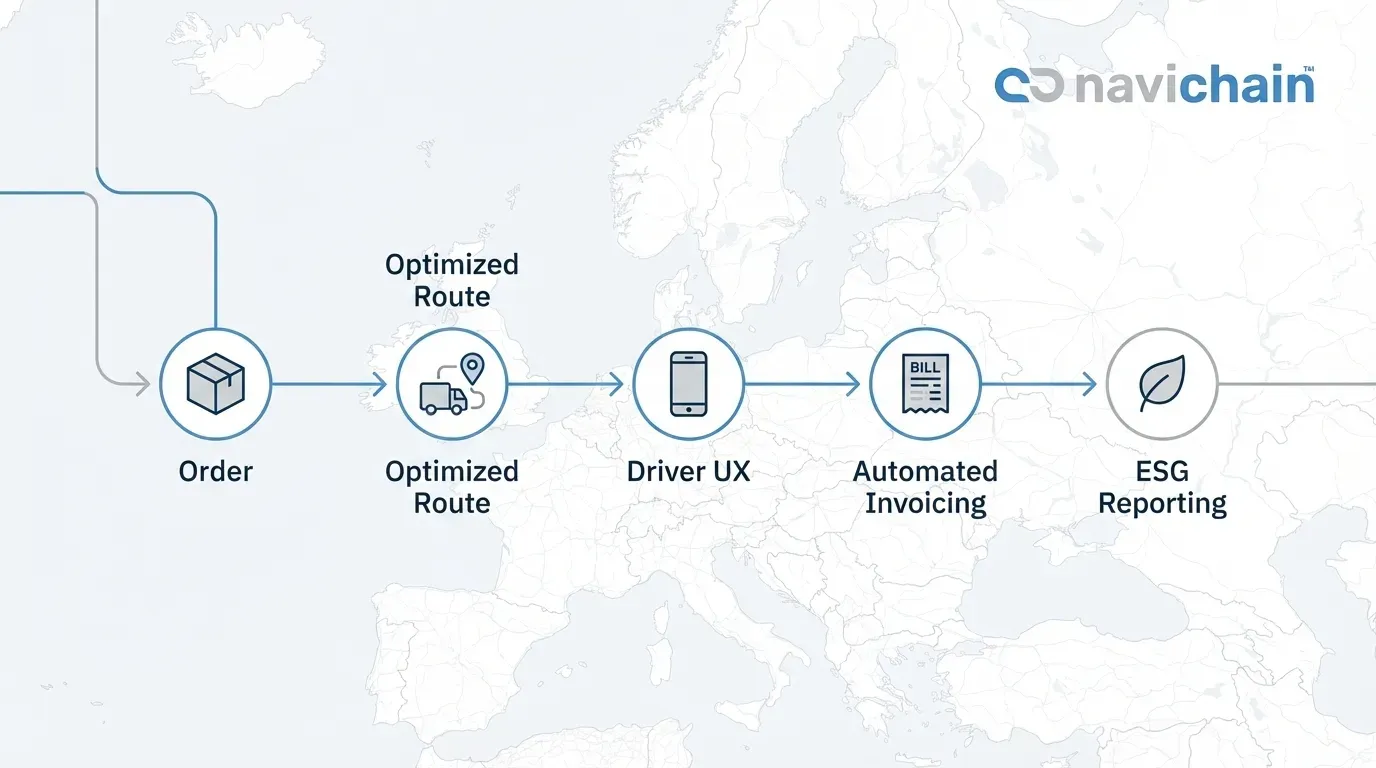
Navichain's impact: Demonstrating potential improvements in on-time delivery, inventory costs, and transportation expenses for European businesses.
- Significant reduction in supply chain disruptions: By identifying and mitigating potential risks, Navichain can help businesses significantly reduce the frequency and severity of supply chain disruptions. These quantifiable benefits demonstrate the significant ROI that European businesses can achieve by implementing Navichain and embracing a strategy of supply chain sovereignty.
Conclusion
The European supply chain landscape is undergoing a period of profound transformation. Geopolitical instability, regulatory complexity, and increasing customer expectations are creating significant challenges for businesses of all sizes. The traditional approach to supply chain management is no longer sufficient, and businesses need to embrace a new paradigm that prioritizes resilience, agility, and visibility. Supply chain sovereignty is the key to navigating this new landscape. By taking control of every aspect of the supply chain, from sourcing and production to distribution and delivery, businesses can build resilience, mitigate risks, and unlock significant business value. Navichain is the technology enabler that empowers European businesses to achieve supply chain sovereignty. Its Unified OS provides end-to-end visibility, AI-driven optimization, and a collaborative platform that enables businesses to optimize operations, mitigate risks, and unlock significant business value. In conclusion, embracing supply chain sovereignty with Navichain is not just about optimizing efficiency; it's about building a strategic asset that drives long-term growth, profitability, and resilience in the face of unprecedented challenges. The time to act is now.
References
- European Commission (2020) A New Industrial Strategy for Europe
- International Road Transport Union (IRU) (2023) EU Transport Policy
- McKinsey & Company (2023) Supply-chain resilience: Rethinking risk and opportunity
- Gartner (2022) Top 25 Supply Chains in Europe
Navichain empowers businesses to achieve supply chain sovereignty, enhancing resilience and driving long-term growth.
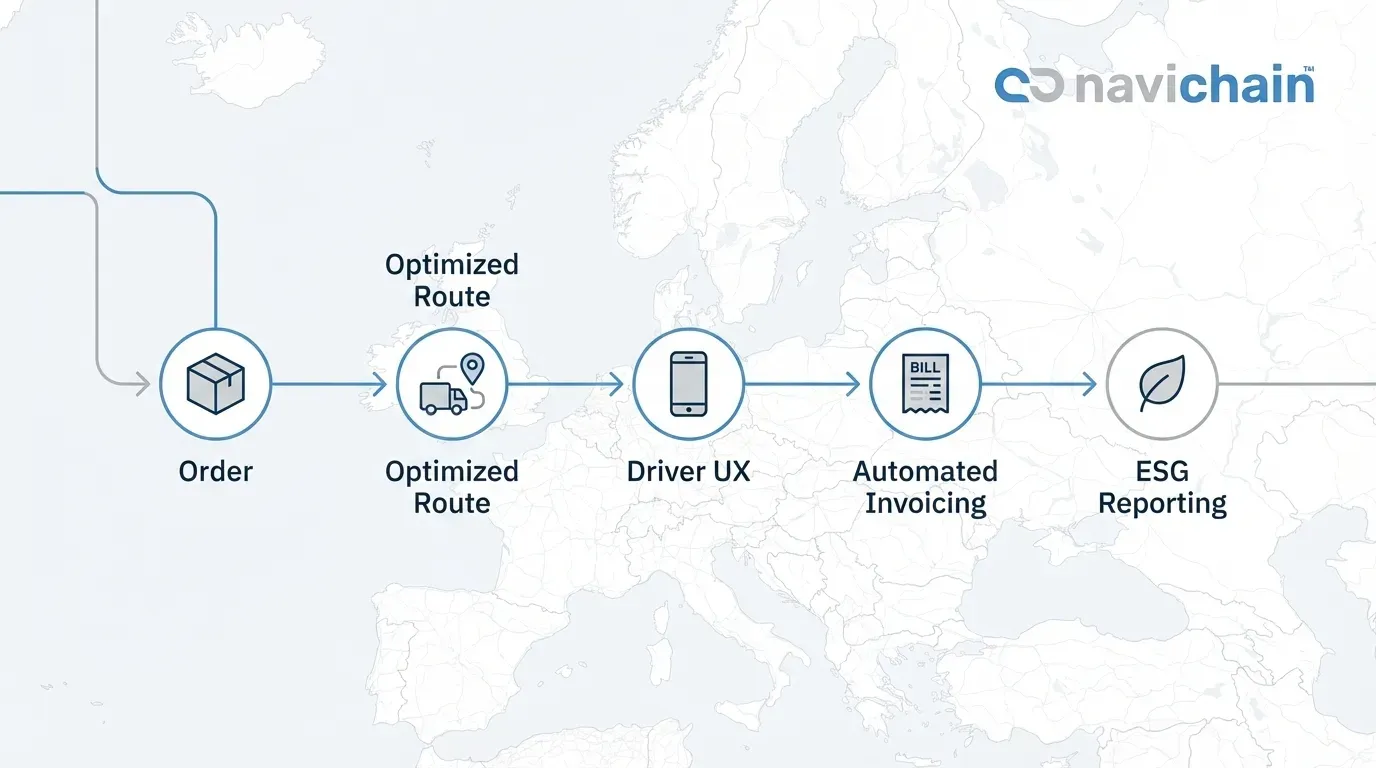
Navichain's platform enables businesses to build robust and sovereign supply chains within Europe. This supports enhanced resilience and sustainable growth in a dynamic market.
Ready to optimise your supply chain?
cript>
navichain Insights Newsletter
Join the newsletter to receive the latest updates in your inbox.