
The 90-Day Ceiling: Converting Regulatory Friction into Operational Precision
Table of Contents

The ticking clock: Managing the invisible limit.
In the demanding world of European haulage, operational efficiency is paramount. Brexit has introduced a new challenge: the 90/180-day Schengen rule. This regulation, limiting UK drivers' time in the EU, presents a significant capacity constraint that, if mismanaged, can cripple profitability.
We are witnessing a Paradigm Shift from Reactive Management (spreadsheets and panic) to Predictive Compliance (unified data and algorithms).
The problem is clear: UK drivers are now third-country nationals. The rule is binary and unforgiving: a maximum of 90 days in the EU within any rolling 180-day period. For many haulage SMEs, the response has been defensive—hiring more drivers, increasing administrative overhead, and retreating from profitable routes.
Navichain offers a unified operating system that transforms this friction into precision. By integrating driver legality data directly into your Transport Management System (TMS), we enable you to simulate the future, not just record the past.
Take Action
- Unified Driver Profile: Eliminate the "Spreadsheet of Doom" by housing passport and route data in one platform.
- Predictive Assignment: Algorithmic checks validate every trip before the key is turned.
- Revenue Assurance: Maximize every driver's legal capacity without risking fines.
Operational friction usually manifests as noise: a ringing phone, a breakdown, a missed slot. The friction of the 90/180 rule is silent until it is catastrophic.
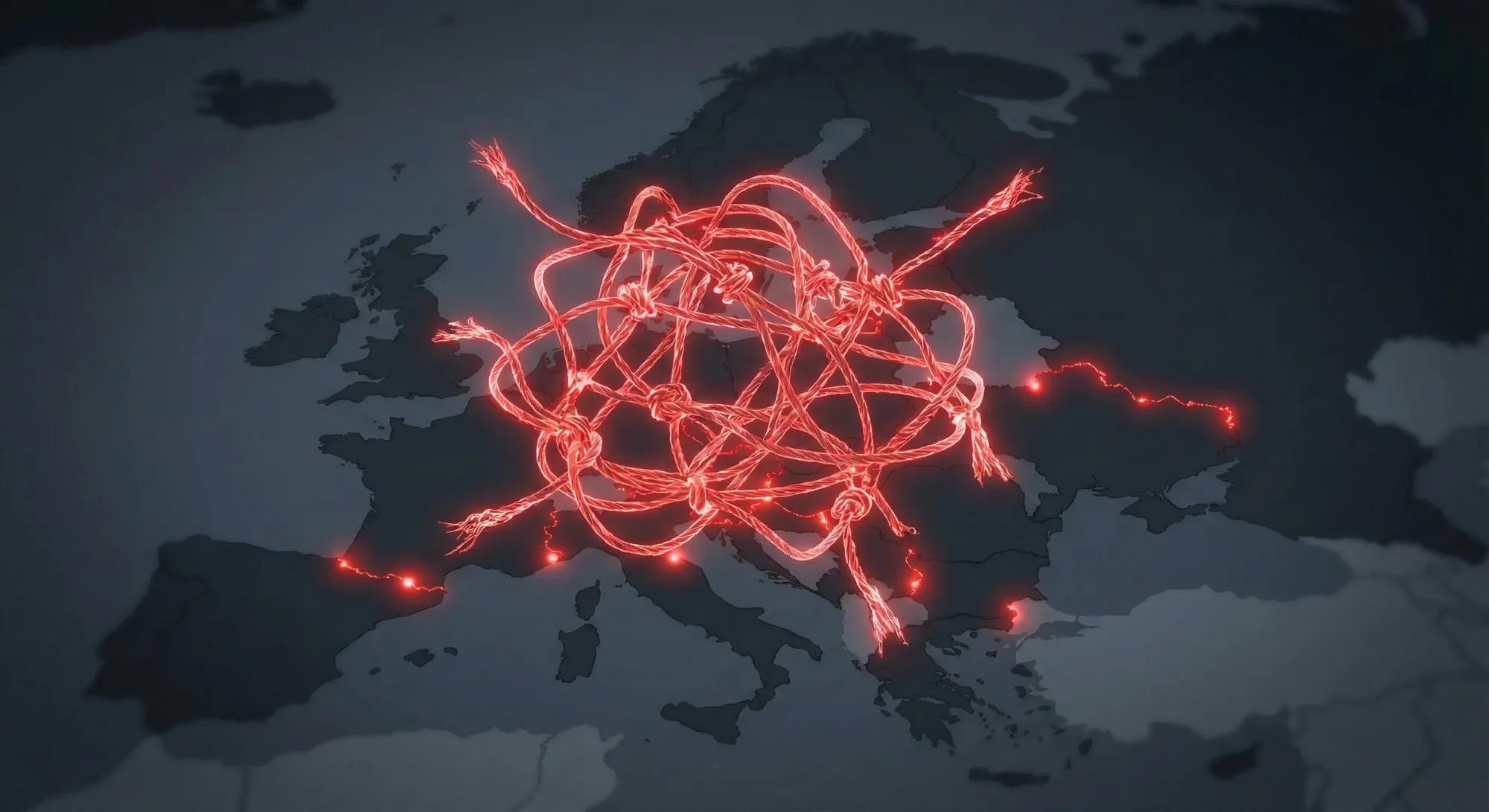
The Silent Threat: Complexity that grounds your fleet.
The core issue is the disconnect between Commercial Ambition (taking the load) and Legal Reality (the driver's calendar). In a traditional setup, these two data sets live in different silos:
- The TMS: Knows where the truck needs to go.
- The HR File/Spreadsheet: Knows where the driver has been.
When a planner accepts a job from Manchester to Milan, they are rarely cross-referencing a manual spreadsheet that tracks the rolling 180-day history of the driver. The result? The Compliance Breach. You send a driver out, miscalculating the return leg, resulting in fines, bans, and reputational damage.
To restore profitability, we must move from Retroactive Tracking (logging where they went) to Predictive Planning (knowing where they can go).
True efficiency requires the unification of the driver's legal profile with the active execution layer of the business. The decision to assign a driver to a route must be validated by an algorithmic check of their remaining Schengen allowance before deployment.
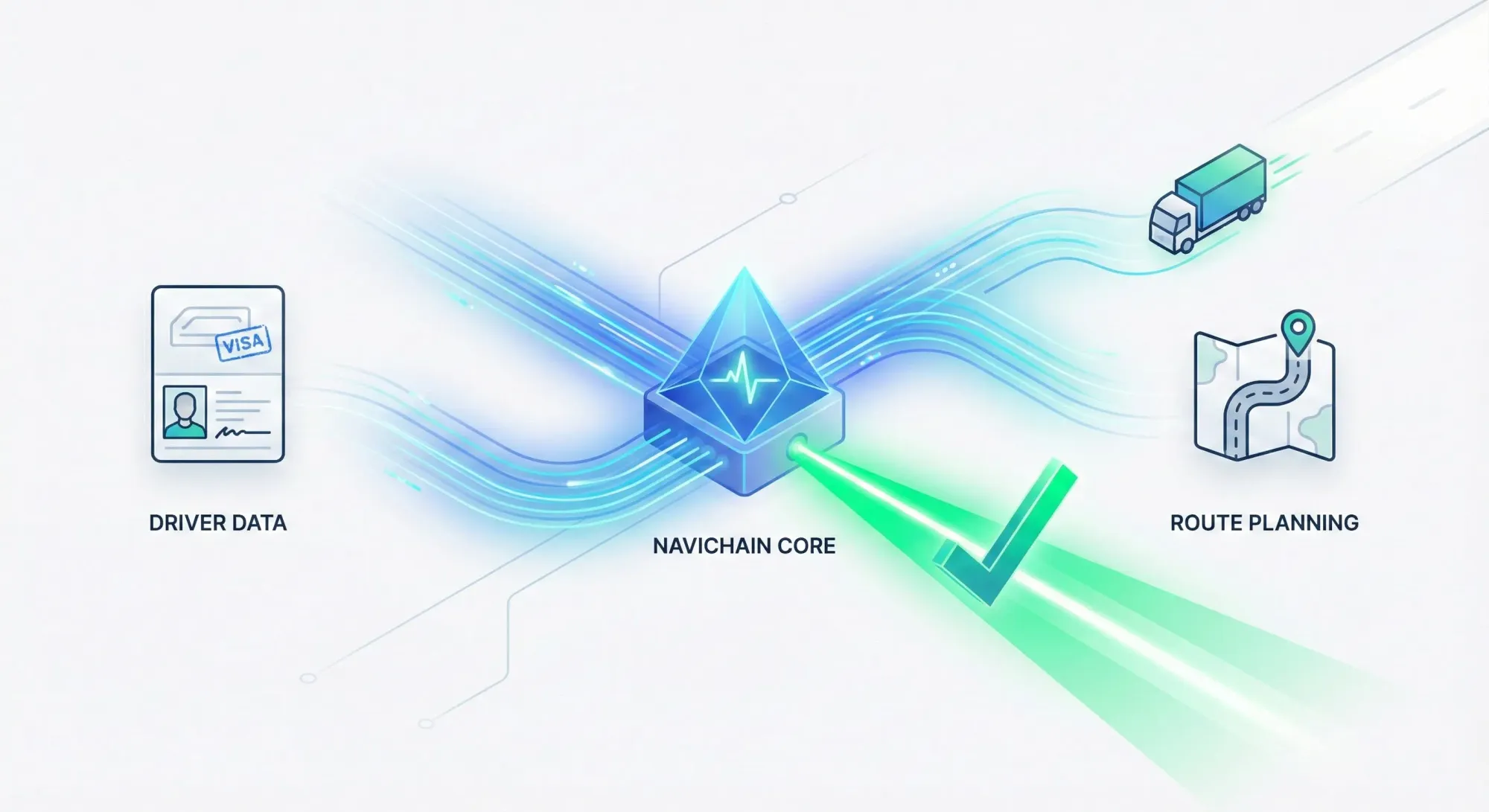
The Green Light: Automating the decision to go.
In a unified environment, "Compliance" becomes a resource, just like fuel or driving hours. It is a consumable inventory that must be allocated to the most profitable routes.
Navichain SaaS resolves this friction by obliterating the wall between the Transport Management System (TMS) and Human Resources. We do not view the 90/180 rule as an external constraint, but as a parameter within the planning engine.
1. The Unified Driver Profile
Navichain eliminates the "Spreadsheet of Doom." Driver data—including passport scans, entry/exit logs, and historic route data—is housed within the same platform that manages your dispatch. There is no data re-entry; the system knows where the driver has been because it was the system that sent them there.
2. Predictive Assignment Validation
Our proprietary AI does not just track the past; it simulates the future. When a planner drags a job onto a driver's timeline: * Instant Analysis: The system calculates the driver's current Schengen balance. * Route Projection: It estimates the duration of the proposed trip. * The Rolling Window: It factors in days that will "drop off" the count during the trip. * The Verdict: If the trip risks a breach, the system flags it immediately.
3. Revenue Assurance
By automating this check, Navichain ensures that every driver is utilized to their exact legal maximum. You stop hiring redundant staff to cover "uncertainty gaps" and start maximizing the revenue per driver. This is how you protect margins in a 2% industry.
The 90/180 clock is not going away. The choice for UK hauliers is stark: continue to bleed margin through inefficiency and fear, or digitize the problem and turn compliance into a background process.
With Navichain, you gain the visibility to see the horizon. You reclaim the time spent on administration and reinvest it in growth. In the asset-heavy world, he who controls the data controls the road.

Clear Horizons: Operate with certainty.

Navichain: Your Sovereign Operational Backbone.
References
- European Union External Action Service. (2024). Schengen Visa Rules for Third-Country Nationals.
- Road Haulage Association (RHA). (2024). Impact of Brexit on UK Haulage Capacity.
- McKinsey & Company. (2023). Digitization in Logistics: The SME Gap.
To ensure the best possible readability, AI tools were used to translate and refine this content.
navichain Insights Newsletter
Join the newsletter to receive the latest updates in your inbox.