The Pallet Trap: Why Wood is Eating Your Cash Flow
Table of Contents
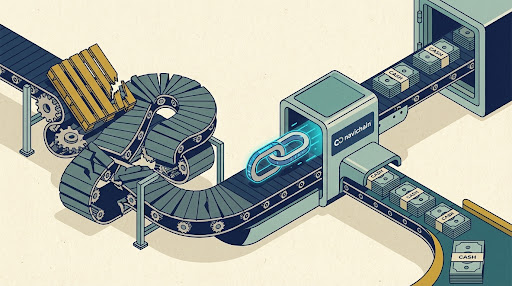
It's just a stack of wood, right? Wrong. The standard EUR pallet is the unofficial currency of the European logistics industry. With a replacement cost hovering around €25 and a loss rate that some hauliers estimate at 10-15% annually, pallet management is a "Black Hole" for profits. But the direct cost of lost wood is nothing compared to the secondary damage: Disputed invoices and the Liquidity Trap.
Executive Summary
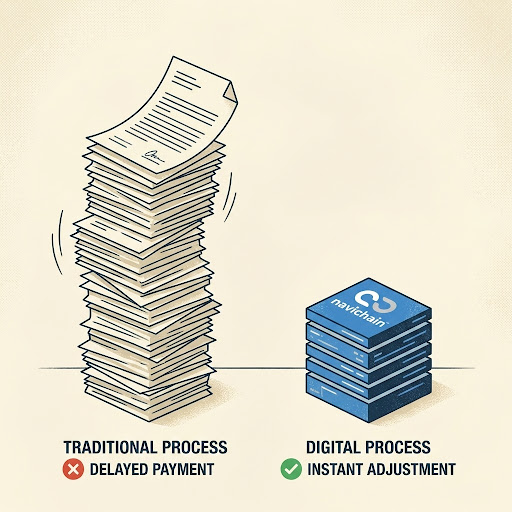
For many hauliers, pallet exchange is an administrative nightmare managed on crumpled pieces of paper. * The Leak: A haulier with 50 trucks can lose dozens of pallets a week. That’s thousands of Euros in direct losses. * The Dispute: "You owe me 30 pallets." "No, I gave you 30 back." This argument delays payment for the transport itself. * The Solution: Moving from analog "IOUs" to a real-time, digital ledger integrated into the Transport Management System (TMS).
This white paper explores how digitizing pallet management can enforce accountability, reduce disputes by 90%, and unlock frozen liquidity.
Part 1: The Mathematics of Loss
The €25 Bill
Let's do the math. A EUR pallet costs roughly €25. If your drivers lose or forget to collect just 5 pallets a day across your entire fleet, that is €125 per day. Over a year (250 working days), that is €31,250. That is the net profit of several trucks, wiped out by wood.
The Liquidity Trap
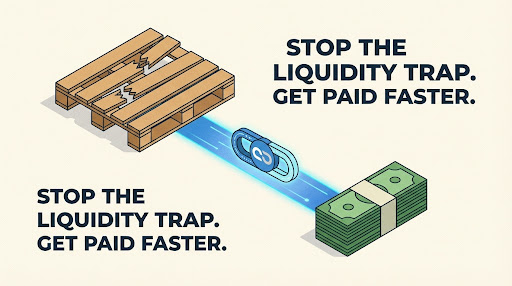
The bigger danger lies in the invoicing. Scenario: You invoice a customer €10,000 for transport services. The customer's warehouse claims you owe them 50 pallets (value €1,250). They don't just deduct the €1,250; they withhold the entire €10,000 payment until the dispute is settled. Suddenly, a minor issue over wood has frozen your major cash flow for 60 or 90 days. We call this the "Liquidity Trap."
Part 2: The Paper Voucher is Dead
The root cause of these disputes is the paper pallet voucher. * Lost Vouchers: Drivers lose them. They get coffee spilled on them. They fade in the sun. * Illegible Handwriting: Was that a "3" or an "8"? * No Proof: It is your word against theirs.
The Digital Ledger
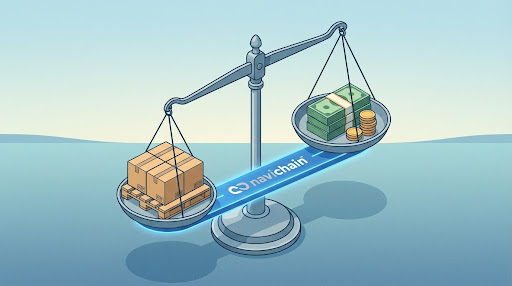
Navichain treats pallets like currency. 1. Digital Balance: Every customer and location has a "Pallet Balance" in the system. 2. Transaction Logic: When a driver delivers 33 pallets and receives 0 in return, the customer's debt increases by +33. 3. The Signature: The receiver signs for the goods and the pallet transaction on the driver's glass. This creates an indisputable digital record.
Part 3: Navichain - Automated Accountability
The "Bank Statement" for Pallets
Instead of fighting over individual deliveries, Navichain allows you to send a monthly "Pallet Account Statement" to your customers. * Transparency: "On these 15 dates, we delivered X and received Y. Your balance is -450 pallets." * Evidence: Each line item is clickable and shows the digital signature and GPS location of the transaction. * Action: You can invoice the balance or schedule a "Pallet Sweep" to collect the debt.
Solving Disputes on the Dock
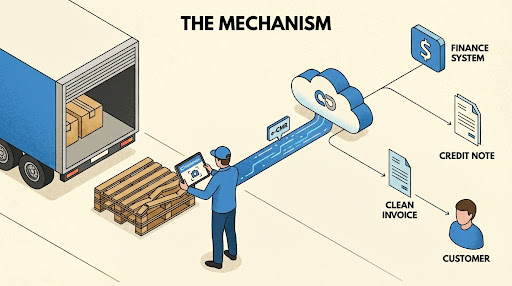
If a receiver claims a pallet is broken, the driver photographs it in the app. * Condition Report: "30 Good, 2 Broken." * Instant Notification: The transport planner sees this immediately and can alert the customer service team. * Clean Invoice: The anticipated invoice can be adjusted before it is sent, ensuring the customer has no valid reason to withhold payment.
Conclusion
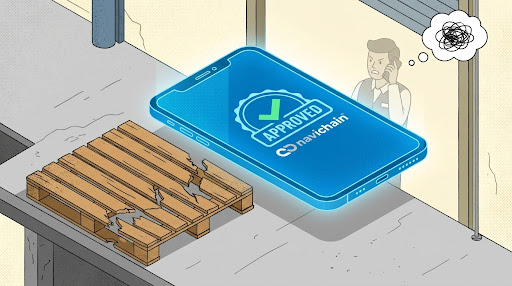
In 2026, managing pallets on paper is a choice to lose money. It is a choice to accept vague disputes and delayed payments.
By digitizing this flow, you turn a cost center into a controlled process. You stop the €25 leaks. You unblock your invoices. You take control of your liquidity. Stop trading wood for cash flow.
Secure Your Pallet Assets.
See how Navichain tracks every pallet and eliminates disputes.
navichain Insights Newsletter
Join the newsletter to receive the latest updates in your inbox.