Logistics Sovereignty: Why European SMEs Are Reclaiming Their Supply Chain Data
Table of Contents
**Is your supply chain a strategic asset or a ticking time bomb? European SMEs are waking up to the critical need for logistics sovereignty, and the answer lies in leveraging technology to regain control.
Logistics Sovereignty: Why European SMEs Are Reclaiming Their Supply Chain
Fragmented logistics hinder SME control, jeopardizing supply chain resilience.
Executive summary
European SMEs face unprecedented challenges in today's globalized and volatile supply chain landscape. Geopolitical instability, rising costs, and increasing complexity are eroding profitability and threatening business continuity. This report argues that achieving "Logistics Sovereignty" – the ability to control and optimize one's own supply chain – is no longer a luxury but a necessity for European SMEs to thrive. We will explore the challenges, analyze the context, and present a strategic solution powered by Navichain, a unified, AI-driven SaaS platform designed to empower SMEs to reclaim their supply chains and build resilience for the future. Geopolitical instability and rising costs erode SME profitability across Europe.
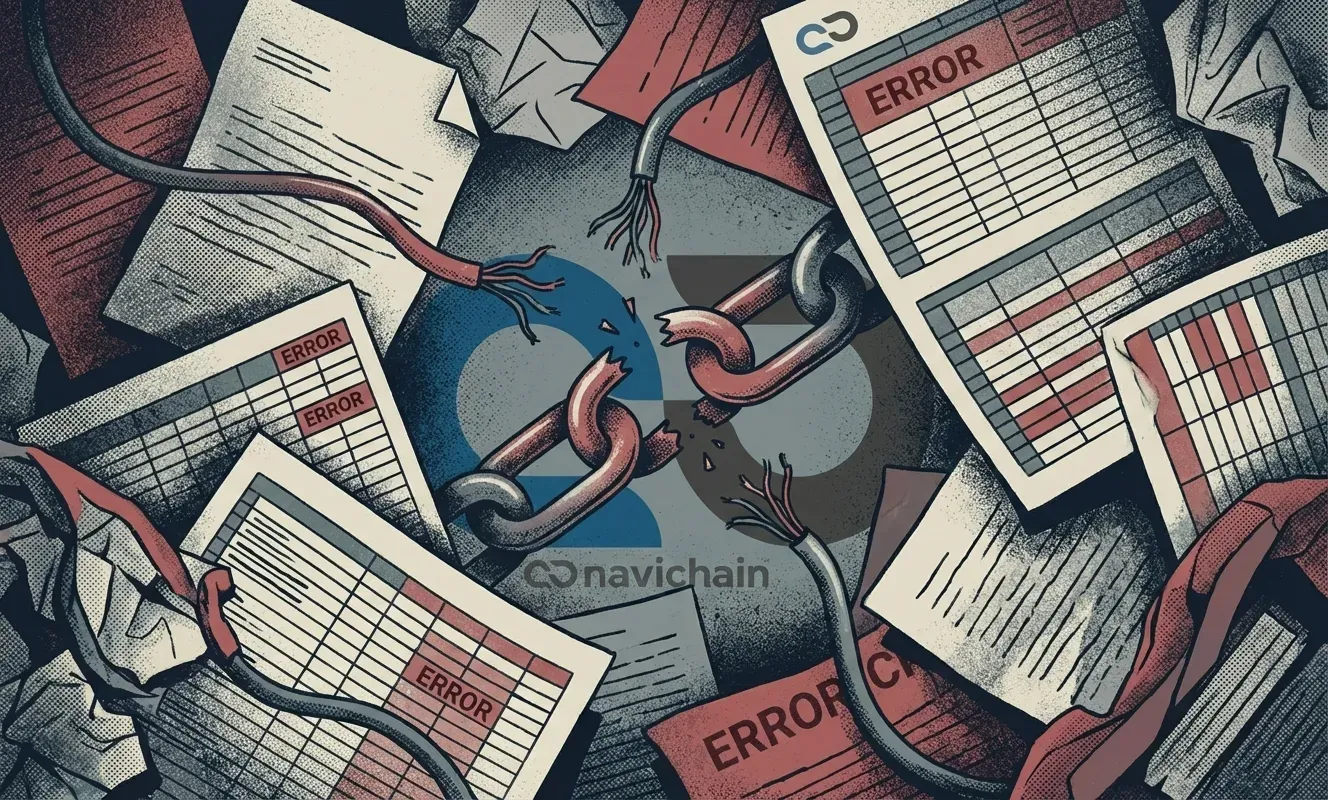
Silos of data and disconnected systems create visibility gaps, leaving SMEs vulnerable to disruptions and inefficiencies within their supply chains.
Introduction
The global supply chain, once a marvel of efficiency and interconnectedness, has become a source of significant vulnerability for businesses, particularly European SMEs. Recent events, from the COVID-19 pandemic to geopolitical conflicts and escalating trade tensions, have exposed the fragility of relying on complex, opaque, and often geographically dispersed supply networks. This has led to disruptions, delays, increased costs, and a growing sense of powerlessness among SMEs who find themselves at the mercy of external forces. The concept of "Logistics Sovereignty" is emerging as a critical response to these challenges. It represents a proactive approach to regaining control over the supply chain, empowering businesses to make informed decisions, optimize operations, and build resilience against future disruptions. This report delves into the importance of logistics sovereignty for European SMEs, exploring the challenges they face, the context in which they operate, and the strategic solutions available to them, with a particular focus on the transformative potential of Navichain. Vulnerable supply chains threaten European SME stability in an era of global disruption.
Section 1: The challenge: a perfect storm of supply chain disruptions
European SMEs are facing a confluence of challenges that are severely impacting their supply chains and bottom lines. These challenges can be broadly categorized as follows: * Geopolitical Instability: The ongoing conflict in Ukraine, coupled with rising tensions in other regions, has created significant uncertainty and disruption to global trade routes. Sanctions, border closures, and increased security risks are all contributing to higher transportation costs and longer lead times. The reliance on specific regions for raw materials or manufacturing capacity has become a major vulnerability.
- Rising Costs: Inflation, particularly in energy and transportation, is driving up the cost of goods and services across the supply chain. Fuel surcharges, port congestion fees, and increased labor costs are all squeezing profit margins for SMEs. The ability to accurately forecast and manage these costs is becoming increasingly critical.
- Complexity and Opacity: Modern supply chains are incredibly complex, involving multiple tiers of suppliers, manufacturers, distributors, and logistics providers. This complexity makes it difficult for SMEs to track goods, monitor performance, and identify potential risks. Lack of transparency further exacerbates the problem, making it challenging to hold suppliers accountable and resolve issues quickly.
- Labor Shortages: Many European countries are experiencing significant labor shortages, particularly in the transportation and warehousing sectors. This is leading to delays, increased costs, and reduced service levels. SMEs are struggling to attract and retain skilled workers, further compounding the challenges they face.
- Sustainability Demands: Growing pressure from consumers, investors, and regulators is forcing SMEs to adopt more sustainable supply chain practices. This includes reducing carbon emissions, minimizing waste, and ensuring ethical sourcing. However, implementing these changes can be costly and complex, particularly for smaller businesses with limited resources. Failing to address these challenges can have severe consequences for European SMEs:
- Reduced Profitability: Increased costs, delays, and disruptions can significantly erode profit margins, making it difficult for SMEs to compete effectively.
- Loss of Market Share: Inability to meet customer demand due to supply chain issues can lead to lost sales and market share.
- Damage to Reputation: Delays, quality issues, and ethical concerns can damage a company's reputation, making it difficult to attract and retain customers.
- Increased Risk: Reliance on vulnerable supply chains exposes SMEs to a range of risks, including financial losses, operational disruptions, and legal liabilities.
- Business Failure: In extreme cases, persistent supply chain problems can lead to business failure, particularly for SMEs with limited financial resources.
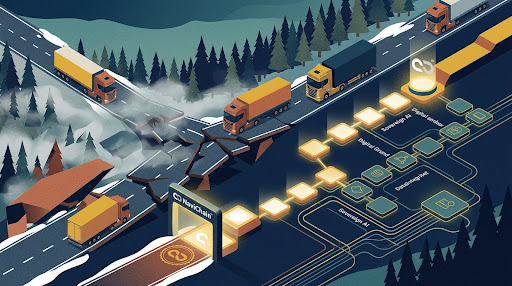
Geopolitical instability strains European SME supply chains and profitability.
Geopolitical instability impacts on European SME supply chains and profitability are visualized, highlighting the challenges discussed.
Section 2: The context/data: navigating the shifting sands of global trade
The challenges facing European SMEs are not isolated incidents but rather symptoms of a broader shift in the global trade landscape. Understanding the underlying trends and paradoxes is crucial for developing effective strategies to achieve logistics sovereignty.
- The Reshoring/Nearshoring Trend: In response to supply chain disruptions and geopolitical risks, many companies are considering reshoring or nearshoring their manufacturing operations. This involves bringing production back to Europe or moving it to nearby countries. While this can reduce reliance on distant suppliers and improve control over the supply chain, it also requires significant investment and careful planning.
- The Rise of Digitalization: Digital technologies are transforming every aspect of the supply chain, from planning and sourcing to manufacturing and distribution. Cloud computing, artificial intelligence, and the Internet of Things (IoT) are enabling companies to improve efficiency, transparency, and resilience. However, many SMEs are struggling to adopt these technologies due to lack of resources and expertise.
- The Sustainability Imperative: Sustainability is no longer a niche concern but a mainstream business imperative. Consumers are increasingly demanding sustainable products and practices, and regulators are imposing stricter environmental regulations. SMEs need to integrate sustainability into their supply chain strategies to remain competitive and meet stakeholder expectations.

A visual representation of the key trends influencing European SMEs' supply chains, including reshoring, digitalization, and sustainability.
- The Data Paradox: While there is more data available than ever before, many SMEs are struggling to extract meaningful insights from it. Data silos, lack of integration, and inadequate analytical tools are preventing them from leveraging data to improve decision-making and optimize operations.
- A recent survey by the European Commission found that over 60% of European SMEs have experienced supply chain disruptions in the past year.
- The average cost of supply chain disruptions for European SMEs is estimated to be 5% of annual revenue.
- Only 20% of European SMEs have fully implemented digital supply chain solutions.
- Over 70% of European consumers are willing to pay a premium for sustainable products. These statistics highlight the urgent need for European SMEs to address their supply chain challenges and embrace new strategies to achieve logistics sovereignty.
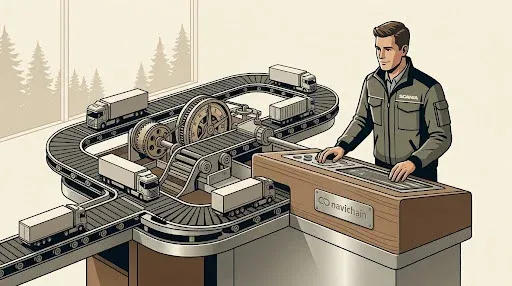
Reshoring complexities visualized: Navichain platform enables agile European SME logistics strategies.
Section 3: The strategic solution: reclaiming control through visibility and agility
Achieving logistics sovereignty requires a strategic approach that focuses on building visibility, agility, and resilience into the supply chain. This involves the following key elements: * End-to-End Visibility: Gaining a clear and comprehensive view of the entire supply chain, from raw materials to finished goods. This requires integrating data from multiple sources, including suppliers, manufacturers, logistics providers, and customers.
- Real-Time Monitoring: Tracking goods and shipments in real-time to identify potential delays, disruptions, and quality issues. This requires leveraging IoT sensors, GPS tracking, and other technologies to monitor the movement of goods throughout the supply chain.
- Predictive Analytics: Using data analytics and machine learning to forecast demand, anticipate disruptions, and optimize inventory levels. This requires developing sophisticated models that can analyze historical data, market trends, and external factors to predict future outcomes.
Schematic illustrating the Navichain platform's integrated approach to enhanced visibility and agility for European SME logistics operations.
- Agile Sourcing: Diversifying the supplier base and developing alternative sourcing options to reduce reliance on single suppliers or regions. This requires building strong relationships with multiple suppliers and establishing contingency plans in case of disruptions.
- Flexible Logistics: Developing a flexible and adaptable logistics network that can respond quickly to changing conditions. This requires leveraging multiple transportation modes, optimizing warehouse locations, and implementing dynamic routing algorithms.
- Collaborative Partnerships: Building strong relationships with suppliers, customers, and logistics providers to improve communication, coordination, and collaboration. This requires establishing clear communication channels, sharing data, and working together to solve problems.
- Risk Management: Identifying and assessing potential risks to the supply chain and developing mitigation strategies to minimize their impact. This requires conducting regular risk assessments, developing contingency plans, and implementing insurance policies. This strategic approach requires a fundamental shift in mindset, from a reactive approach to a proactive one. SMEs need to embrace technology, invest in data analytics, and build strong relationships with their partners to achieve logistics sovereignty.
Section 4: The tech enabler (Navichain): a unified OS for supply chain control
Navichain offers a powerful and comprehensive solution for European SMEs seeking to achieve logistics sovereignty. The Navichain SaaS platform provides a Unified OS that integrates all aspects of the supply chain, from planning and sourcing to manufacturing and distribution. This unified platform provides end-to-end visibility, real-time monitoring, and predictive analytics, empowering SMEs to make informed decisions and optimize their operations. Key features of Navichain include: * Supplier Management: Streamline supplier onboarding, communication, and performance monitoring.
- Order Management: Automate order processing, tracking, and fulfillment.
- Inventory Management: Optimize inventory levels, reduce waste, and improve demand forecasting.
- Transportation Management: Optimize transportation routes, reduce costs, and improve delivery times.
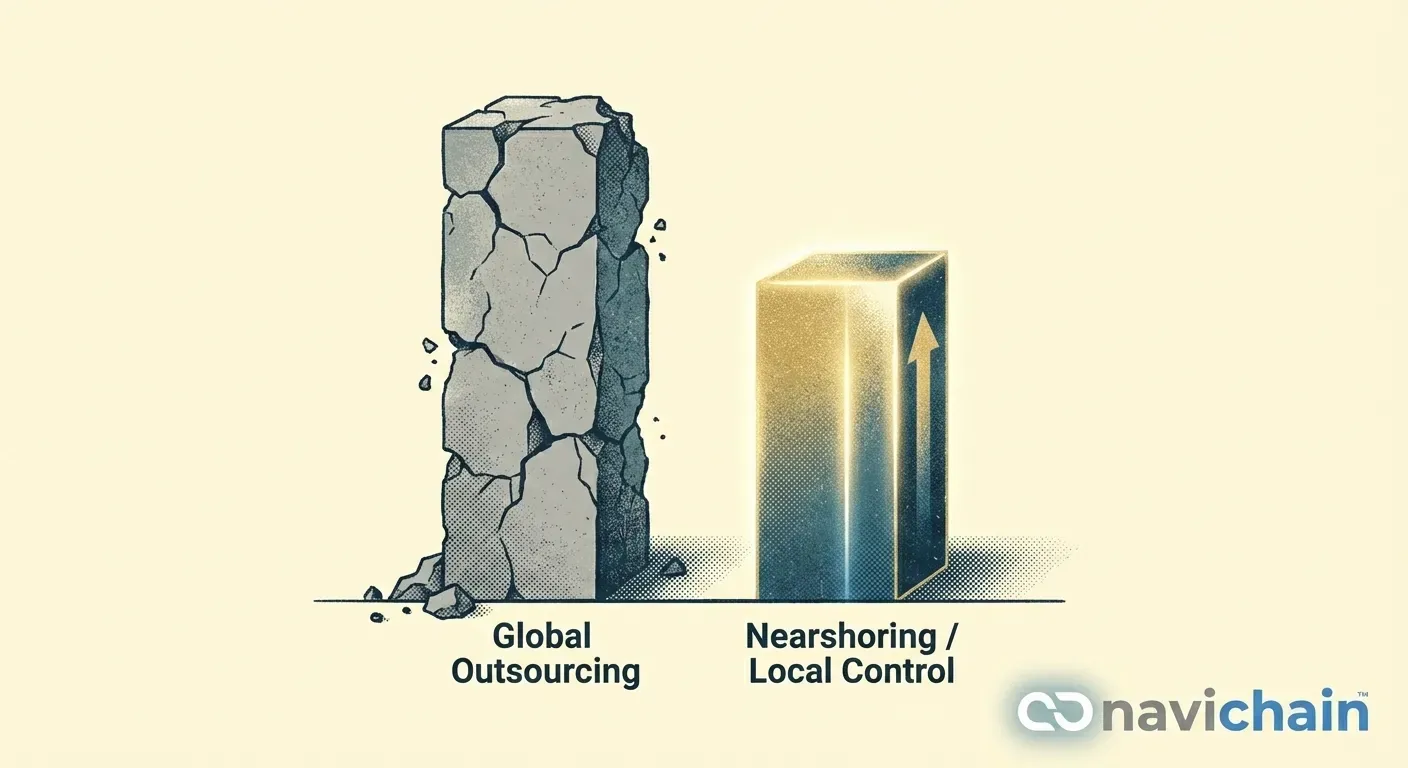
Schematic illustrating Navichain's Unified OS, showcasing the seamless integration of key supply chain functions for enhanced visibility and control.
- Warehouse Management: Improve warehouse efficiency, reduce errors, and optimize storage space.
- Analytics and Reporting: Gain insights into supply chain performance, identify trends, and make data-driven decisions. The AI-driven capabilities of Navichain further enhance its value to SMEs. The platform uses machine learning algorithms to:
- Predict Demand: Accurately forecast demand based on historical data, market trends, and external factors.
- Optimize Inventory: Automatically adjust inventory levels based on demand forecasts and supply chain conditions.
- Detect Anomalies: Identify potential disruptions and quality issues in real-time.
- Recommend Actions: Provide actionable recommendations to improve efficiency, reduce costs, and mitigate risks. By leveraging Navichain, European SMEs can:
- Gain End-to-End Visibility: Track goods and shipments in real-time, from raw materials to finished products.
Navichain empowers SMEs to achieve improved visibility, efficiency, and strategic resilience across their entire supply chain.
- Improve Efficiency: Automate processes, reduce errors, and optimize resource utilization.
- Reduce Costs: Optimize transportation routes, reduce inventory levels, and minimize waste.
- Mitigate Risks: Identify potential disruptions and develop contingency plans.
- Improve Customer Satisfaction: Meet customer demand, reduce delivery times, and improve service levels. Navichain is not just a software platform; it's a strategic partner that empowers European SMEs to reclaim their supply chains and build resilience for the future.
Section 5: Business outcomes: ROI, efficiency gains, strategic resilience
Implementing Navichain can deliver significant business outcomes for European SMEs, including: * Increased ROI: By optimizing operations, reducing costs, and mitigating risks, Navichain can generate a significant return on investment. SMEs can expect to see improvements in profitability, cash flow, and shareholder value.
- Improved Efficiency: Automating processes, reducing errors, and optimizing resource utilization can significantly improve efficiency across the supply chain. SMEs can expect to see reductions in lead times, inventory levels, and operating costs.
- Enhanced Strategic Resilience: By gaining end-to-end visibility, developing agile sourcing strategies, and implementing risk management plans, SMEs can build resilience against future disruptions. This will enable them to weather storms, maintain business continuity, and protect their reputation.
- Data-Driven Decision Making: Navichain provides SMEs with access to real-time data and powerful analytics tools, enabling them to make informed decisions based on facts rather than intuition. This will lead to better outcomes, improved performance, and increased competitiveness.
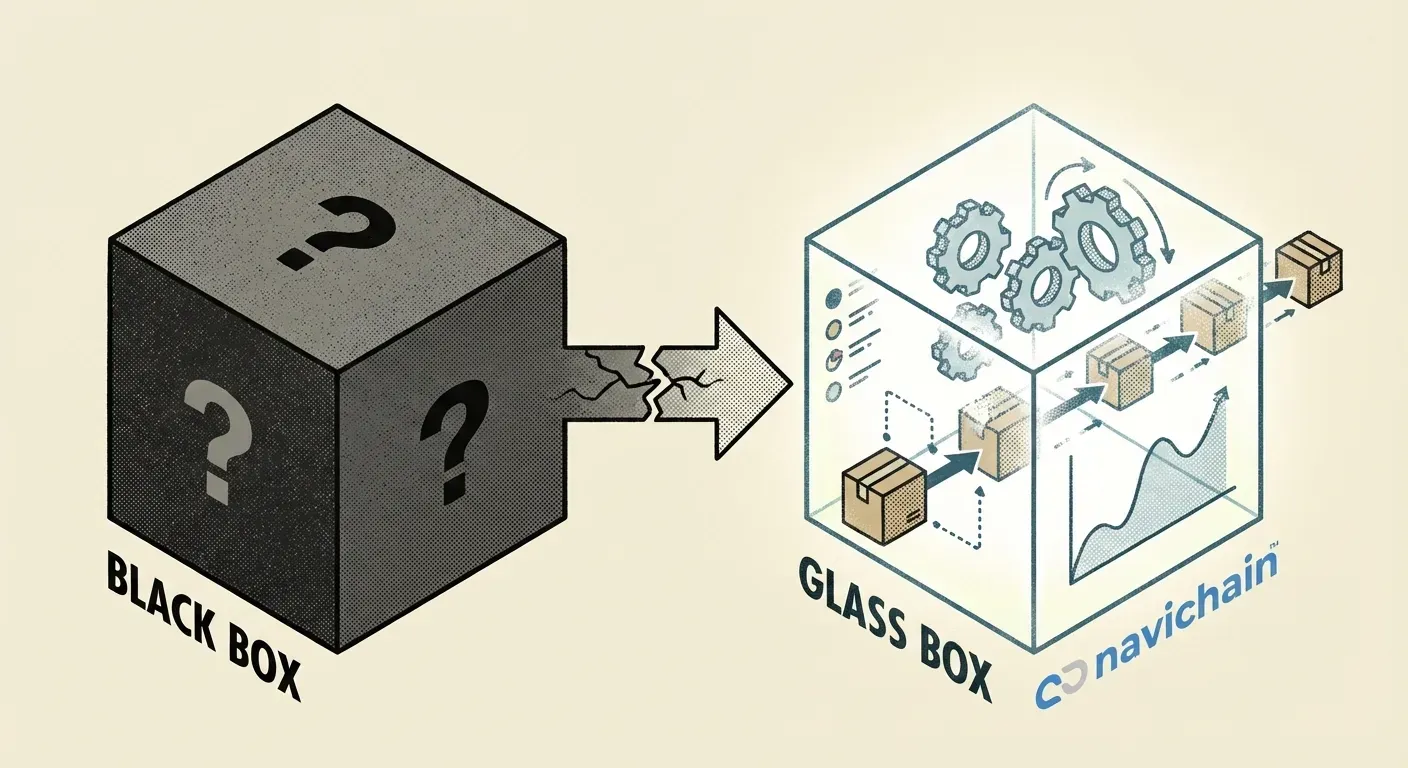
Navichain implementation leads to tangible improvements in ROI, efficiency, and strategic resilience for European SMEs.
- Improved Customer Satisfaction: By meeting customer demand, reducing delivery times, and improving service levels, SMEs can enhance customer satisfaction and loyalty. This will lead to increased sales, repeat business, and positive word-of-mouth referrals. While specific results will vary depending on the individual circumstances of each SME, typical benefits of implementing Navichain include: These benefits demonstrate the transformative potential of Navichain for European SMEs seeking to achieve logistics sovereignty.
Conclusion
The challenges facing European SMEs in today's globalized and volatile supply chain landscape are significant, but they are not insurmountable. By embracing a strategic approach that focuses on visibility, agility, and resilience, SMEs can reclaim control over their supply chains and build a foundation for future success. Navichain offers a powerful and comprehensive solution for achieving logistics sovereignty. Its Unified OS, AI-driven capabilities, and comprehensive suite of features empower SMEs to optimize their operations, reduce costs, mitigate risks, and improve customer satisfaction. The time for action is now. European SMEs must recognize the critical need for logistics sovereignty and embrace the technologies and strategies that will enable them to thrive in the face of ongoing challenges. By partnering with Navichain, SMEs can unlock the full potential of their supply chains and build a more resilient, sustainable, and profitable future. The future belongs to those who control their destiny, and in the world of logistics, that means achieving true sovereignty.
References
- Regulation (EU) 2016/679 (General Data Protection Regulation)
- International Road Transport Union (IRU)
- McKinsey & Company: The Future of Logistics
- European Union Agency for Cybersecurity (ENISA) - Supply Chain Attacks
Navichain's platform empowers SMEs to regain control over their logistics data, fostering resilience and strategic advantage.
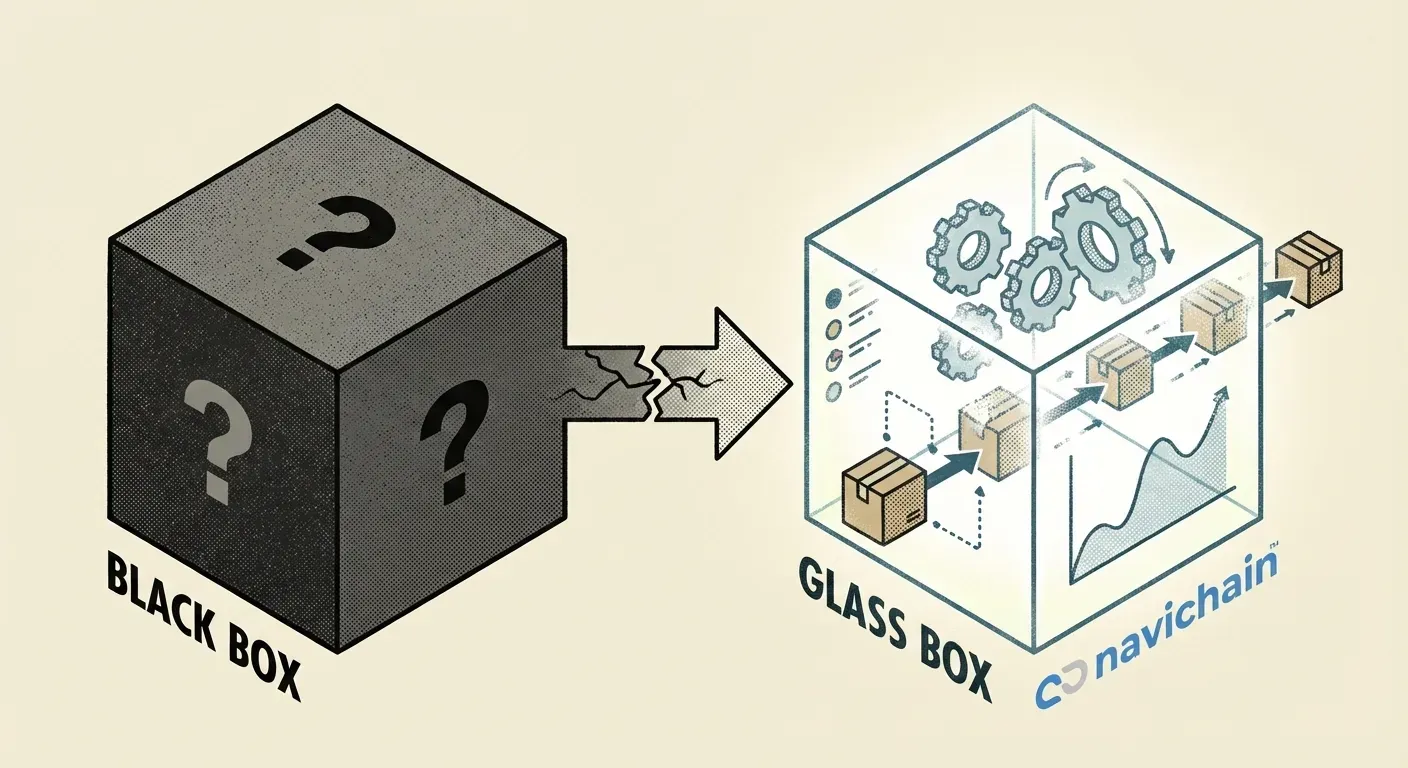
Navichain's platform provides SMEs with enhanced visibility and control over their logistics data, promoting data sovereignty and resilience within the supply chain.
Ready to optimise your supply chain?
navichain Insights Newsletter
Join the newsletter to receive the latest updates in your inbox.