Logistics Sovereignty: Why European SMEs are Reclaiming Control of the Supply Chain
Table of Contents

Logistics Sovereignty: Why European SMEs are Reclaiming Control of the Supply
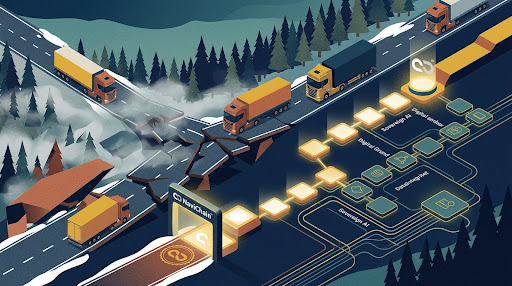
Fragmented visibility hinders SME autonomy in EU logistics networks.
Executive summary
European SMEs face unprecedented challenges in today's globalized and volatile supply chain landscape. Geopolitical instability, rising costs, and increasing complexity are eroding their competitiveness and threatening their resilience. This deep dive explores the concept of "Logistics Sovereignty" – the ability of SMEs to control and optimize their supply chains independently, ensuring business continuity and strategic advantage. We analyze the pain points, contextualize the challenges with industry data, and present a strategic solution enabled by Navichain, a Unified OS for logistics powered by AI. This report demonstrates how Navichain empowers SMEs to achieve logistics sovereignty, resulting in significant ROI, efficiency gains, and enhanced strategic resilience. Supply chain volatility erodes SME margins: Logistics sovereignty provides a buffer.
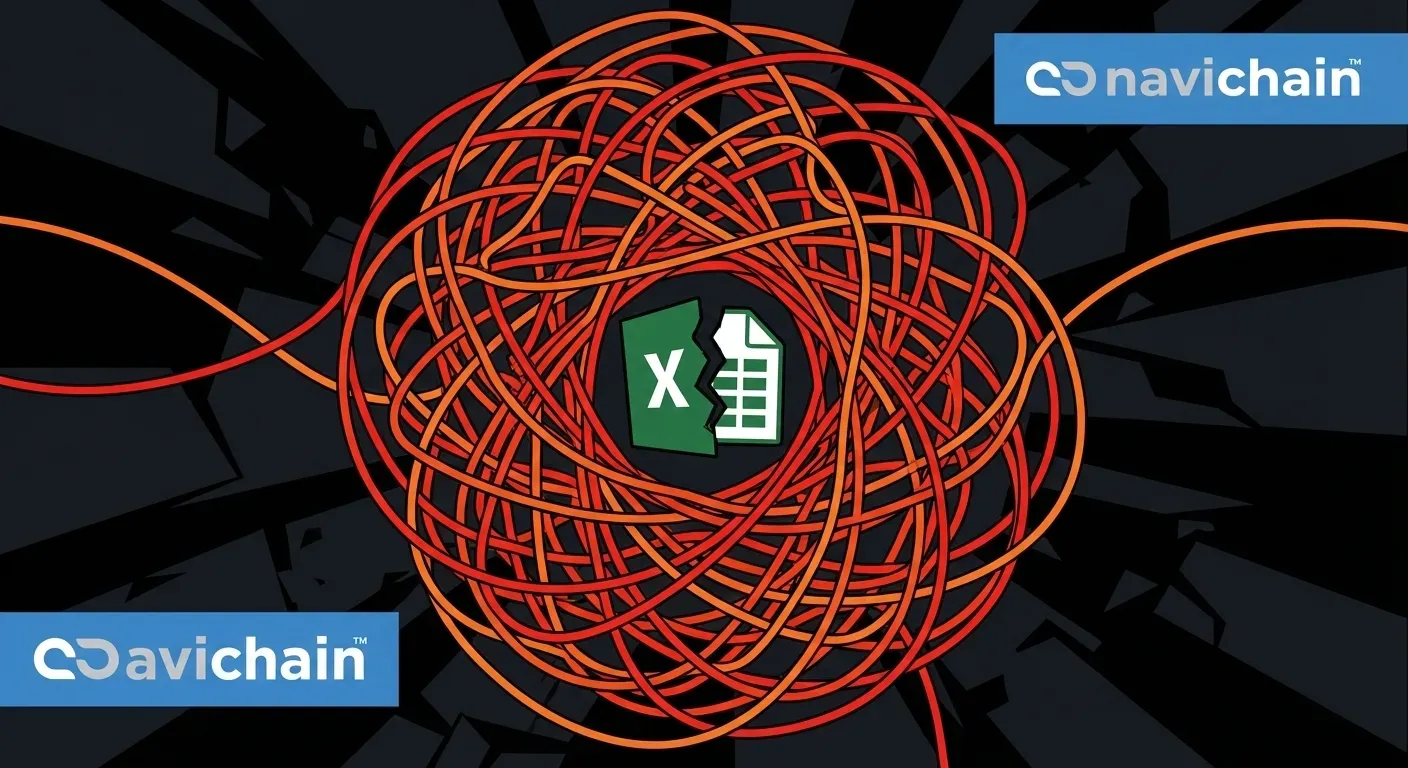
Operational bottlenecks and data silos impede the agility and responsiveness of European SMEs in navigating complex supply chains.
Introduction
The global supply chain, once a marvel of efficiency and interconnectedness, has become a source of significant vulnerability for European SMEs. Exposed to geopolitical risks, fluctuating commodity prices, and increasingly complex regulatory landscapes, these businesses are finding their competitiveness eroded and their very survival threatened. The traditional reliance on fragmented systems, opaque processes, and a lack of real-time visibility has left them vulnerable to disruptions and unable to adapt quickly to changing market conditions. This report argues that the solution lies in achieving Logistics Sovereignty. This isn't about isolationism or protectionism; it's about empowering European SMEs to take control of their supply chains, optimize their operations, and build resilience against future shocks. It's about having the data, the tools, and the strategic agility to navigate the complexities of the modern global marketplace on their own terms. This deep dive will explore the challenges, the context, the strategic solutions, and the technological enablers that are making Logistics Sovereignty a reality for European SMEs. Fragmented systems leave European SMEs vulnerable to supply chain disruption and eroded competitiveness.
Section 1: The challenge: losing control and paying the price
The challenges facing European SMEs in the logistics and supply chain space are multifaceted and deeply interconnected. They can be broadly categorized into: * Lack of Visibility: Many SMEs operate with limited visibility into their supply chains. They lack real-time data on inventory levels, shipment status, and potential disruptions. This lack of transparency makes it difficult to identify bottlenecks, anticipate problems, and respond effectively to unforeseen events. This leads to increased costs, delays, and dissatisfied customers.
- Fragmented Systems: SMEs often rely on a patchwork of disparate systems for managing different aspects of their supply chain – transportation management systems (TMS), warehouse management systems (WMS), enterprise resource planning (ERP) systems, and spreadsheets. These systems are often not integrated, leading to data silos, manual processes, and inefficiencies. The lack of a unified view of the supply chain makes it difficult to optimize operations and make informed decisions.
- Geopolitical Instability: The world is becoming increasingly volatile, with geopolitical tensions, trade wars, and political instability posing significant risks to supply chains. European SMEs are particularly vulnerable to these risks, as they often rely on suppliers and customers in different parts of the world. Disruptions to trade routes, tariffs, and sanctions can have a significant impact on their operations.
- Rising Costs: The cost of logistics is rising rapidly, driven by factors such as fuel prices, labor shortages, and increased demand for transportation services. SMEs are particularly vulnerable to these cost pressures, as they often lack the bargaining power of larger companies. This can significantly impact their profitability and competitiveness.
- Complexity and Compliance: The regulatory landscape for logistics is becoming increasingly complex, with new rules and regulations being introduced at the national, European, and international levels. SMEs often lack the resources and expertise to navigate this complex landscape, leading to compliance risks and potential penalties. Environmental regulations, in particular, are adding complexity and cost. The consequences of failing to address these challenges are significant. SMEs that fail to achieve Logistics Sovereignty face:
- Reduced Competitiveness: Inefficient supply chains lead to higher costs, longer lead times, and lower customer satisfaction, eroding their competitiveness in the marketplace.
- Increased Risk: Lack of visibility and control makes them more vulnerable to disruptions, leading to lost sales, damaged reputations, and potential business failure.
- Missed Opportunities: Inability to adapt quickly to changing market conditions prevents them from capitalizing on new opportunities and expanding their businesses.
- Erosion of Profit Margins: Rising costs and inefficiencies eat into profit margins, making it difficult to invest in growth and innovation.
- Strategic Dependence: Reliance on external providers without sufficient oversight creates strategic dependencies, limiting their ability to control their own destiny.
Limited visibility creates reactive, inefficient SME supply chain management.
Section 2: The context/data: industry trends, paradoxes, and statistics
The challenges outlined above are not isolated incidents; they are part of a broader trend impacting the entire logistics and supply chain industry. Understanding the context and the underlying data is crucial for developing effective solutions.
- The Rise of E-commerce: The rapid growth of e-commerce has placed immense pressure on supply chains, demanding faster delivery times, greater flexibility, and increased transparency. SMEs must adapt to this new reality or risk losing market share to larger, more agile competitors.
- The Labor Shortage: The logistics industry is facing a severe labor shortage, particularly for truck drivers and warehouse workers. This shortage is driving up labor costs and making it difficult to meet demand.
A visual representation of key industry trends impacting SME supply chain management, illustrating the complexities and challenges they face.
- The Sustainability Imperative: Consumers and regulators are increasingly demanding sustainable logistics practices. SMEs must reduce their carbon footprint and adopt environmentally friendly practices to remain competitive and compliant.
- The Data Deluge: The amount of data generated by supply chains is growing exponentially. However, many SMEs lack the tools and expertise to effectively analyze this data and extract meaningful insights.
- Cost of Supply Chain Disruptions: Studies show that supply chain disruptions can cost companies millions of dollars in lost revenue and increased expenses. A single major disruption can have a devastating impact on an SME.
- Adoption of Technology: While technology adoption is increasing, many SMEs still lag behind in adopting advanced technologies such as AI, blockchain, and IoT. This puts them at a disadvantage compared to larger companies that have the resources to invest in these technologies.
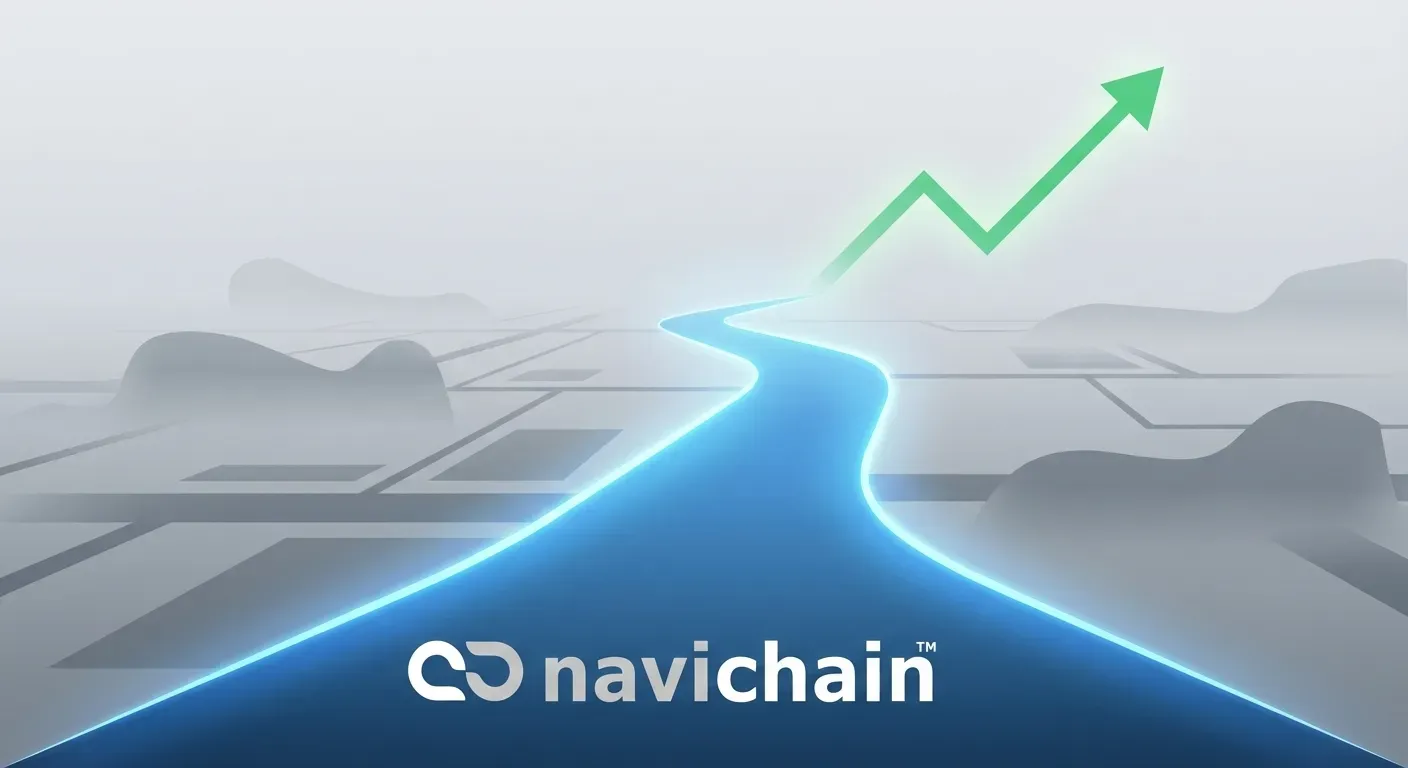
Key industry trends impacting SME supply chain management, illustrating the complexities and challenges they face.
- The "Bullwhip Effect": This phenomenon, where small fluctuations in demand at the retail level can lead to large swings in inventory levels further up the supply chain, highlights the importance of real-time visibility and accurate forecasting. SMEs are particularly vulnerable to the bullwhip effect due to their limited visibility and control.
- The Paradox of Efficiency: While efficiency is crucial, an overemphasis on efficiency can make supply chains more vulnerable to disruptions. Just-in-time inventory management, for example, can reduce costs but also increase the risk of stockouts if there are delays or disruptions.
- The Growing Importance of Resilience: The COVID-19 pandemic highlighted the importance of supply chain resilience. SMEs that had diversified their supply chains and invested in risk management were better able to weather the storm. These trends and statistics underscore the urgent need for European SMEs to achieve Logistics Sovereignty. They must embrace technology, build resilience, and take control of their supply chains to survive and thrive in the modern global marketplace.
E-commerce demands agile logistics: Navichain visualizes pressures on SMEs to adapt.
Section 3: The strategic solution: a holistic approach to logistics sovereignty
Achieving Logistics Sovereignty requires a holistic approach that encompasses technology, processes, and people. It's not simply about implementing new software; it's about fundamentally rethinking how SMEs manage their supply chains. The strategic solution involves: * End-to-End Visibility: Implementing systems and processes that provide real-time visibility into all aspects of the supply chain, from raw materials to finished goods. This includes tracking inventory levels, shipment status, and potential disruptions.
- Data-Driven Decision Making: Leveraging data analytics to identify bottlenecks, optimize processes, and make informed decisions. This requires collecting and analyzing data from multiple sources and using it to improve forecasting, planning, and execution.
- Process Optimization: Streamlining and automating key processes, such as order management, inventory management, and transportation management. This reduces costs, improves efficiency, and minimizes errors.
- Risk Management: Identifying and mitigating potential risks to the supply chain, such as geopolitical instability, natural disasters, and supplier failures. This requires developing contingency plans and diversifying supply sources.
- Collaboration and Communication: Fostering collaboration and communication among all stakeholders in the supply chain, including suppliers, customers, and logistics providers. This improves coordination, reduces delays, and enhances customer satisfaction.
- Technology Adoption: Embracing new technologies such as AI, blockchain, and IoT to improve efficiency, transparency, and security. This requires investing in the right technologies and training employees to use them effectively.
- Sustainability: Integrating sustainability into all aspects of the supply chain, from sourcing raw materials to delivering finished goods. This reduces environmental impact, improves brand reputation, and attracts environmentally conscious customers. The strategic solution can be framed within the context of Dynamic Capabilities. This theory emphasizes the ability of organizations to adapt and reconfigure their resources and capabilities in response to changing environments. Logistics Sovereignty, in this context, is about developing the dynamic capabilities necessary to navigate the complexities and uncertainties of the modern global marketplace. This includes:
- Sensing: The ability to identify and understand changes in the external environment, such as new technologies, emerging risks, and shifting customer preferences.
Schematic illustration of Dynamic Capabilities framework applied to Logistics Sovereignty, emphasizing the sensing and seizing of opportunities and threats.
- Seizing: The ability to mobilize resources and capabilities to respond to these changes, such as investing in new technologies, diversifying supply sources, and developing new products and services.
- Transforming: The ability to continuously adapt and reconfigure the organization to maintain a competitive advantage, such as streamlining processes, improving collaboration, and fostering innovation. By developing these dynamic capabilities, European SMEs can achieve Logistics Sovereignty and build resilience against future shocks.
Section 4: The tech enabler (Navichain): a unified OS for logistics
Navichain is a technology platform designed to empower European SMEs to achieve Logistics Sovereignty. It provides a Unified OS for logistics, integrating all aspects of the supply chain into a single, seamless platform. This eliminates data silos, streamlines processes, and provides real-time visibility into all operations.
- Unified Platform: Navichain integrates TMS, WMS, and other key logistics functions into a single platform, providing a unified view of the entire supply chain. This eliminates the need for multiple systems and reduces the risk of errors and inefficiencies.
- Real-Time Visibility: Navichain provides real-time visibility into inventory levels, shipment status, and potential disruptions. This allows SMEs to proactively identify and address problems before they impact their operations.
- AI-Driven Optimization: Navichain leverages AI-driven algorithms to optimize logistics processes, such as route planning, inventory management, and demand forecasting. This reduces costs, improves efficiency, and enhances customer satisfaction.
- Automated Processes: Navichain automates key processes, such as order management, invoice processing, and customs clearance. This reduces manual effort, minimizes errors, and frees up employees to focus on more strategic tasks.
- Collaboration and Communication: Navichain facilitates collaboration and communication among all stakeholders in the supply chain, including suppliers, customers, and logistics providers. This improves coordination, reduces delays, and enhances customer satisfaction.
- Scalability and Flexibility: Navichain is a cloud-based platform that can be easily scaled to meet the changing needs of SMEs. It is also highly flexible and can be customized to fit specific business requirements.
Schematic representation of Navichain's integrated platform, highlighting key functionalities such as AI-driven optimization and real-time visibility, empowering SMEs to reclaim control over their supply chain.
- Enhanced Security: Navichain provides robust security features to protect sensitive data and prevent unauthorized access. This ensures the confidentiality and integrity of supply chain information.
- Lack of Visibility: Navichain provides end-to-end visibility into the supply chain, allowing SMEs to track inventory levels, shipment status, and potential disruptions in real-time.
- Fragmented Systems: Navichain integrates all key logistics functions into a single platform, eliminating data silos and streamlining processes.
- Geopolitical Instability: Navichain helps SMEs mitigate geopolitical risks by providing real-time alerts about potential disruptions and enabling them to quickly adjust their supply chains.
- Rising Costs: Navichain optimizes logistics processes, such as route planning and inventory management, to reduce costs and improve efficiency.
- Complexity and Compliance: Navichain helps SMEs navigate the complex regulatory landscape by providing automated compliance checks and alerts. By leveraging Navichain, European SMEs can achieve Logistics Sovereignty and build resilience against future shocks.
Navichain empowers European SMEs to achieve logistics sovereignty, leading to tangible business benefits like improved ROI, increased efficiency, and enhanced strategic resilience.
Section 5: Business outcomes: ROI, efficiency gains, and strategic resilience
Implementing Navichain and achieving Logistics Sovereignty delivers significant business outcomes for European SMEs. These outcomes can be quantified in terms of: * Return on Investment (ROI): By optimizing logistics processes, reducing costs, and improving efficiency, Navichain can deliver a significant ROI for SMEs. This ROI can be measured in terms of reduced transportation costs, lower inventory holding costs, and increased sales.
- Efficiency Gains: Navichain automates key processes, such as order management and invoice processing, freeing up employees to focus on more strategic tasks. This leads to significant efficiency gains and improved productivity.
- Strategic Resilience: By providing real-time visibility into the supply chain and enabling SMEs to quickly adapt to changing conditions, Navichain enhances strategic resilience. This allows them to weather disruptions, capitalize on new opportunities, and maintain a competitive advantage.
- Reduced Transportation Costs: AI-driven route optimization can reduce transportation costs by 10-20%.
- Lower Inventory Holding Costs: Improved inventory management can reduce inventory holding costs by 15-25%.
- Increased Sales: Faster delivery times and improved customer service can lead to increased sales and market share.
- Reduced Risk of Disruptions: Real-time alerts and proactive risk management can minimize the impact of disruptions on operations.
- Improved Compliance: Automated compliance checks and alerts can reduce the risk of penalties and fines.
- Increased Profit Margins: By reducing costs and improving efficiency, Navichain can increase profit margins by 5-10%.
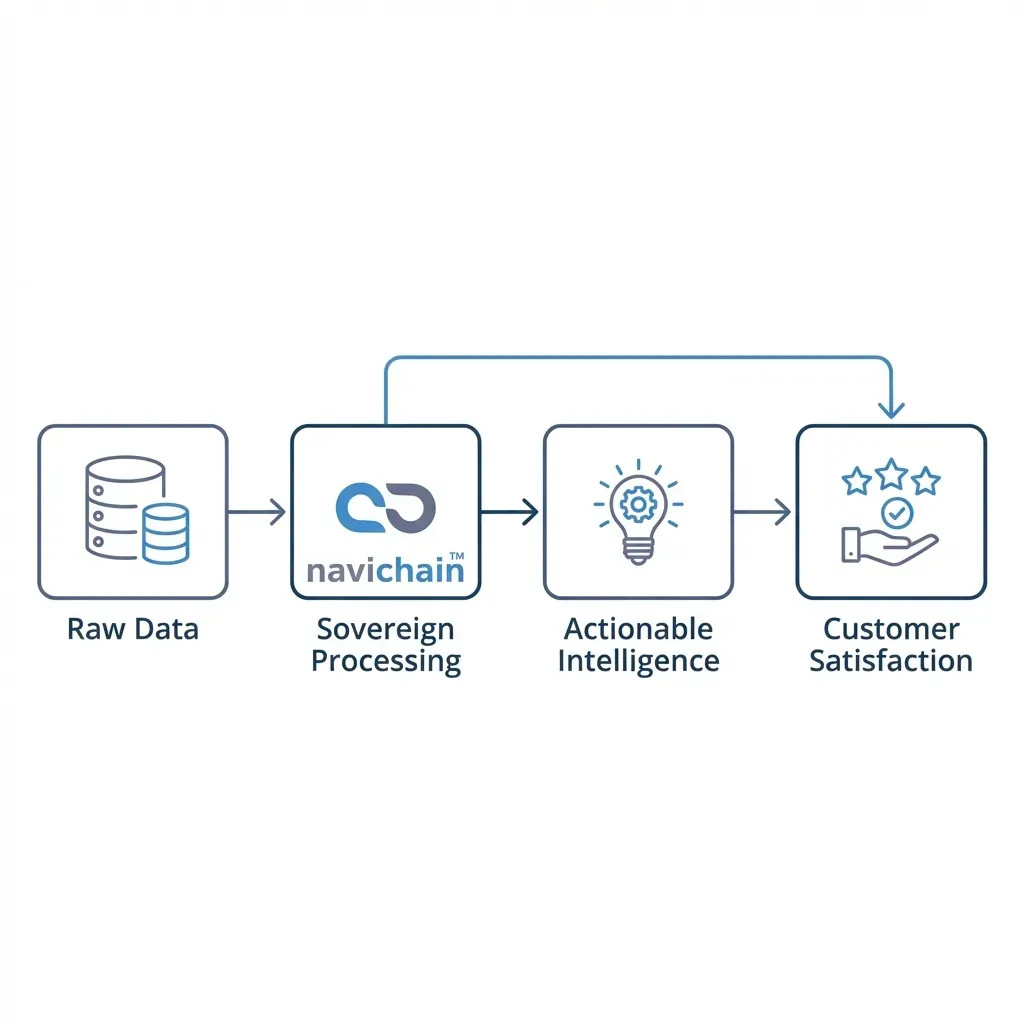
Navichain empowers SMEs to achieve tangible outcomes: increased sales, reduced costs, and greater customer satisfaction.
- Faster Time to Market: Streamlined processes and improved coordination can reduce time to market for new products and services.
- Enhanced Customer Satisfaction: Faster delivery times, improved communication, and greater transparency can enhance customer satisfaction and loyalty. By achieving Logistics Sovereignty with Navichain, European SMEs can transform their supply chains from a source of vulnerability into a strategic asset.
Conclusion
The era of passively accepting the complexities and vulnerabilities of global supply chains is over. European SMEs must proactively embrace Logistics Sovereignty to secure their future. This requires a strategic shift towards greater control, visibility, and resilience. Navichain provides the technological foundation for this transformation, offering a Unified OS for logistics powered by AI. By adopting Navichain, SMEs can unlock significant ROI, achieve unprecedented efficiency gains, and build the strategic resilience needed to thrive in an increasingly volatile and competitive global marketplace. The time to act is now. Reclaim control of your supply chain, and secure your future with Logistics Sovereignty.
References
- European Commission (2020). EU Transport Policy: Setting the Stage for a Sustainable Future
- International Road Transport Union (IRU) (2023). The Future of Road Transport: Challenges and Opportunities
- McKinsey & Company (2022). Reimagining Supply Chains for a New Era
- Gartner (2023). Top Supply Chain Technology Trends
Navichain: The Unified OS for logistics, providing SMEs with the technological foundation for Logistics Sovereignty and enhanced supply chain control.
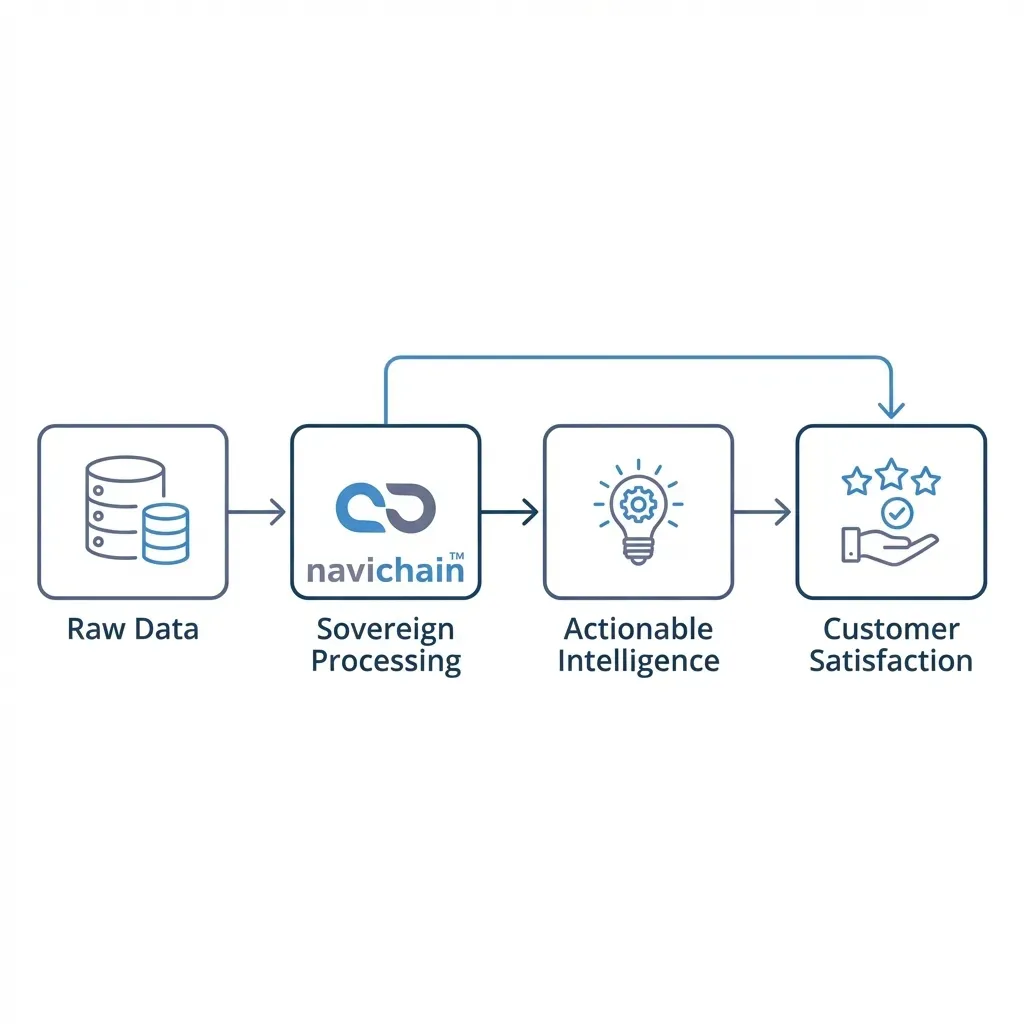
Navichain's unified operating system empowers SMEs with increased visibility and control over their supply chains, fostering logistics sovereignty.
Ready to optimise your supply chain?
navichain Insights Newsletter
Join the newsletter to receive the latest updates in your inbox.