The IT Skills Gap and Shadow IT in Haulage: A Security Risk and Impediment to Growth
Table of Contents
Executive Summary
The haulage sector faces a critical challenge: a severe deficit in personnel possessing both IT proficiency and a nuanced understanding of haulage operations. This has catalysed an alarming proliferation of "Shadow IT" – ad-hoc, unofficial IT solutions developed by employees, often within Excel or leveraging communication tools like WhatsApp. While seemingly expedient, these solutions represent a substantial security hazard and can severely constrain growth. This White Paper examines the issue in detail, explores its ramifications, and presents a tangible solution in the form of the Navichain no-code/low-code platform, facilitating standardisation and digitalisation without requiring specialist IT knowledge. Read on to discover how to secure your operations and optimise your processes for the future.
Phase 1: Context/Problem - The Acute Skills Shortage and the Rise of Shadow IT
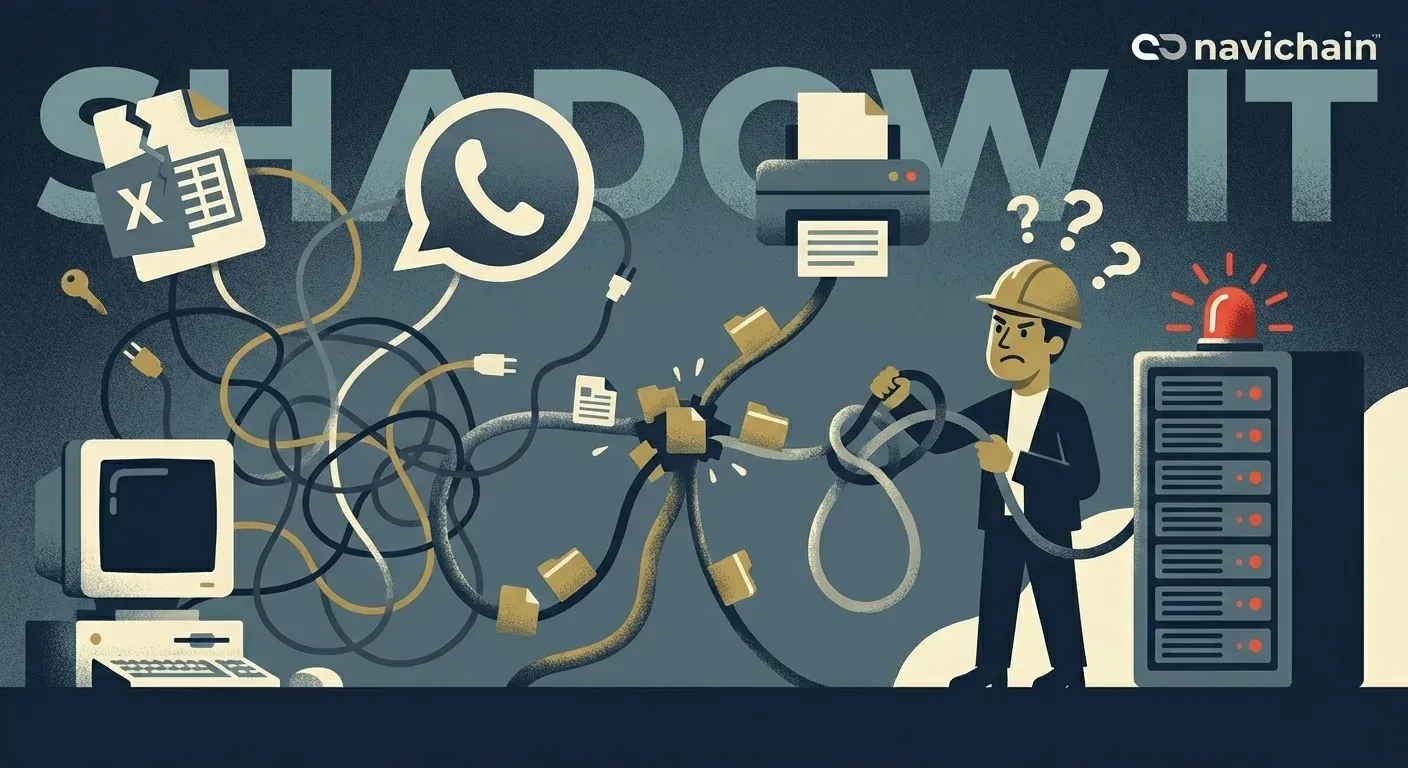
The haulage industry is undergoing rapid digitalisation, yet many businesses are struggling to keep pace. A dual challenge exists: a general scarcity of IT experts, compounded by a specific shortage of individuals who grasp both IT and the inherent complexities of haulage. This skills gap has fuelled a perilous trend: employees, striving to enhance their work efficiency, are creating their own IT solutions – often within Excel spreadsheets or by utilising communication platforms such as WhatsApp for order management and information dissemination. This is "Shadow IT" – IT solutions deployed without the approval or oversight of the IT department, should one even exist.
The concern lies not with employee initiative, but with the fact that these solutions are rarely secure, scalable, or integrated with the organisation's established systems. They are frequently reliant on individual expertise and challenging to maintain, creating vulnerability. Consider an Excel spreadsheet containing customer data that only one employee understands and maintains. What happens if that person leaves or is indisposed?
Phase 2: Deep Dive/Implications - Security Risks, Individual Dependency, and Growth Stifling
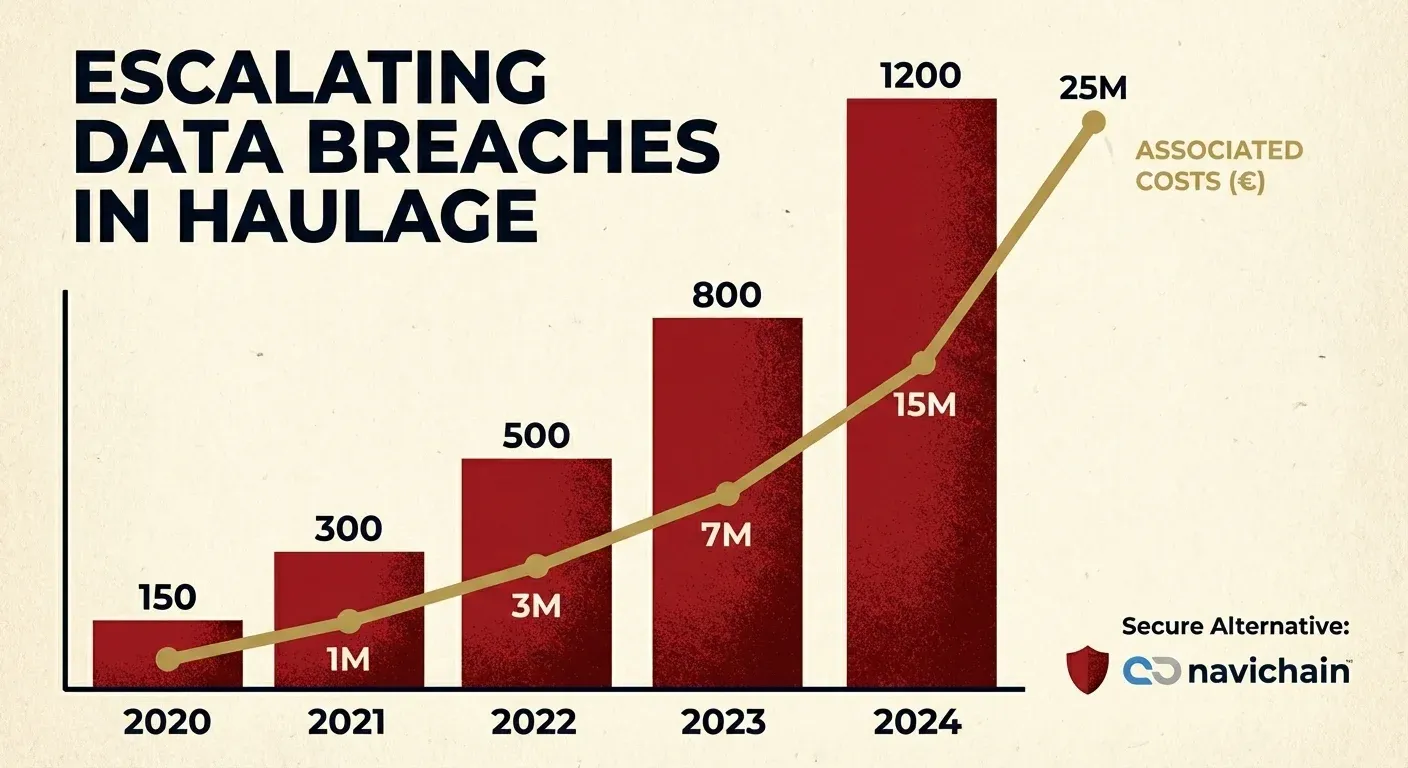
Shadow IT presents a catalogue of severe risks for haulage companies:
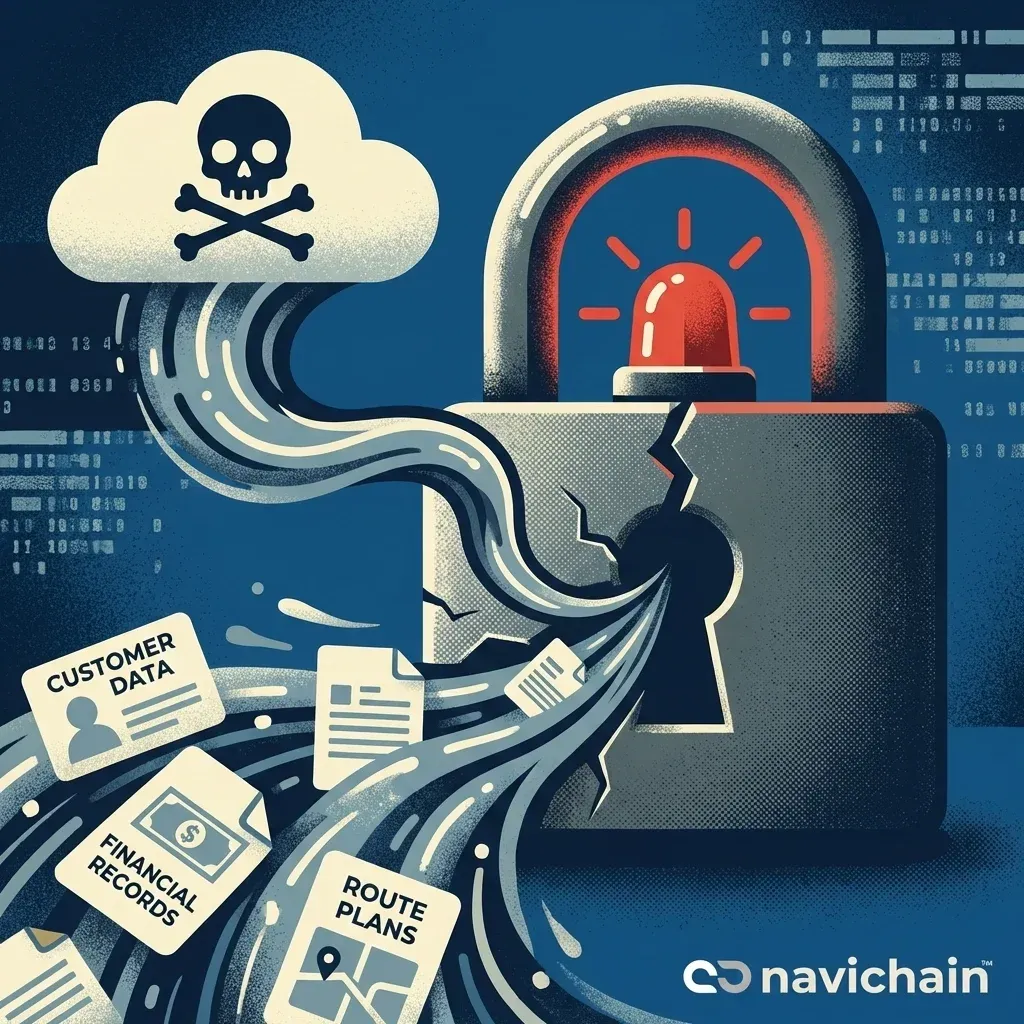
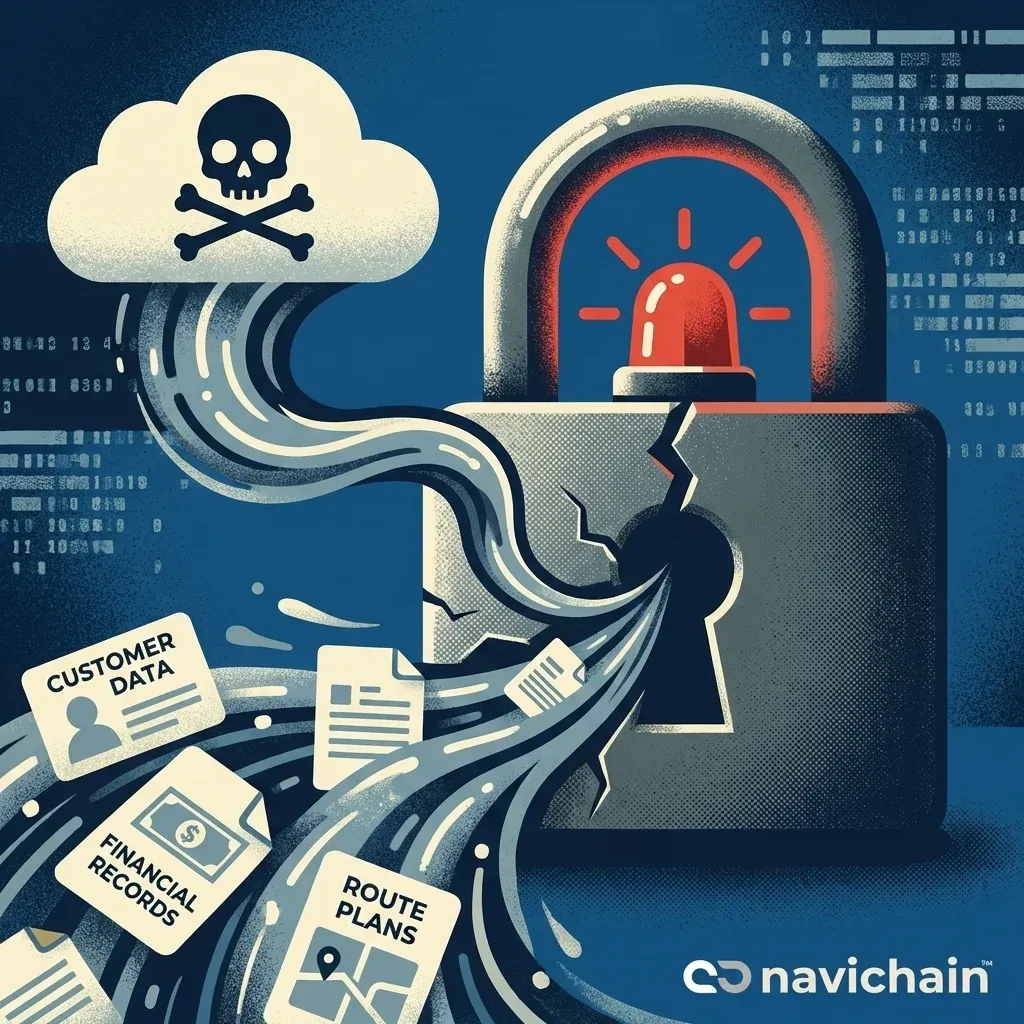
- Security Vulnerabilities: Employee-created solutions often lack robust security measures. This can lead to data breaches, intrusions, and potential regulatory fines should sensitive information fall into the wrong hands. In an era where GDPR is a palpable reality, the consequences can be devastating.
- Individual Dependency: If a crucial process hinges on a single person's Excel spreadsheet or WhatsApp group, the company becomes acutely vulnerable. Should that individual leave or be unavailable, the process grinds to a halt.
- Lack of Integration: Shadow IT solutions are seldom integrated with the company's core systems, leading to information silos and inefficiencies. Data must be manually transferred between systems, a time-consuming practice that amplifies the risk of errors.
- Difficulty in Scaling: As the business expands, these makeshift solutions quickly become inadequate. They cannot handle the increased data volume or user base, thereby hindering growth.
- Lack of Oversight and Control: Senior management lacks visibility into the systems in use or how data is being managed. This makes it difficult to make informed decisions and optimise processes.
Enabling the Blueprint: Navichain SaaS Unified Logistics Platform
The Navichain SaaS platform is designed to be the tool that enables this blueprint for European SMEs.
We directly embody the three core principles required for a truly resilient logistics operating system: 1. Unified Operational Fabric: Navichain is not a collection of integrated modules; it is a single, unified logistics operating system. Your Transport Management (TMS), Warehouse Management (WMS), invoicing, and order management all work as one unit, creating a single source of truth. This eliminates data silos and enables seamless workflows. 2. Secure Data Architecture & Control: We believe you should own and control your own data. Our entire platform is hosted on our own secure, Self-Hosted infrastructure in Sweden. This is our key differentiator. By keeping your data strictly within Swedish/EU jurisdiction, we ensure maximum data security, straightforward GDPR compliance, and complete freedom from the complexities of international data transfers. 3. Embedded Analytical Intelligence: Because your data is unified and secure, we can apply our Integrated AI to it safely. This AI runs on our own Swedish infrastructure, analyzing your unified operational data to unlock unique efficiency gains and drive continuous improvement.
Our mission is to democratize logistics technology for the SMEs that form the backbone of the European economy. We provide the powerful, unified, and secure platform you need to stop fighting fires and start building a more efficient, resilient, and profitable future.
Conclusion - Future-Proof Your Business with a No-Code/Low-Code Solution
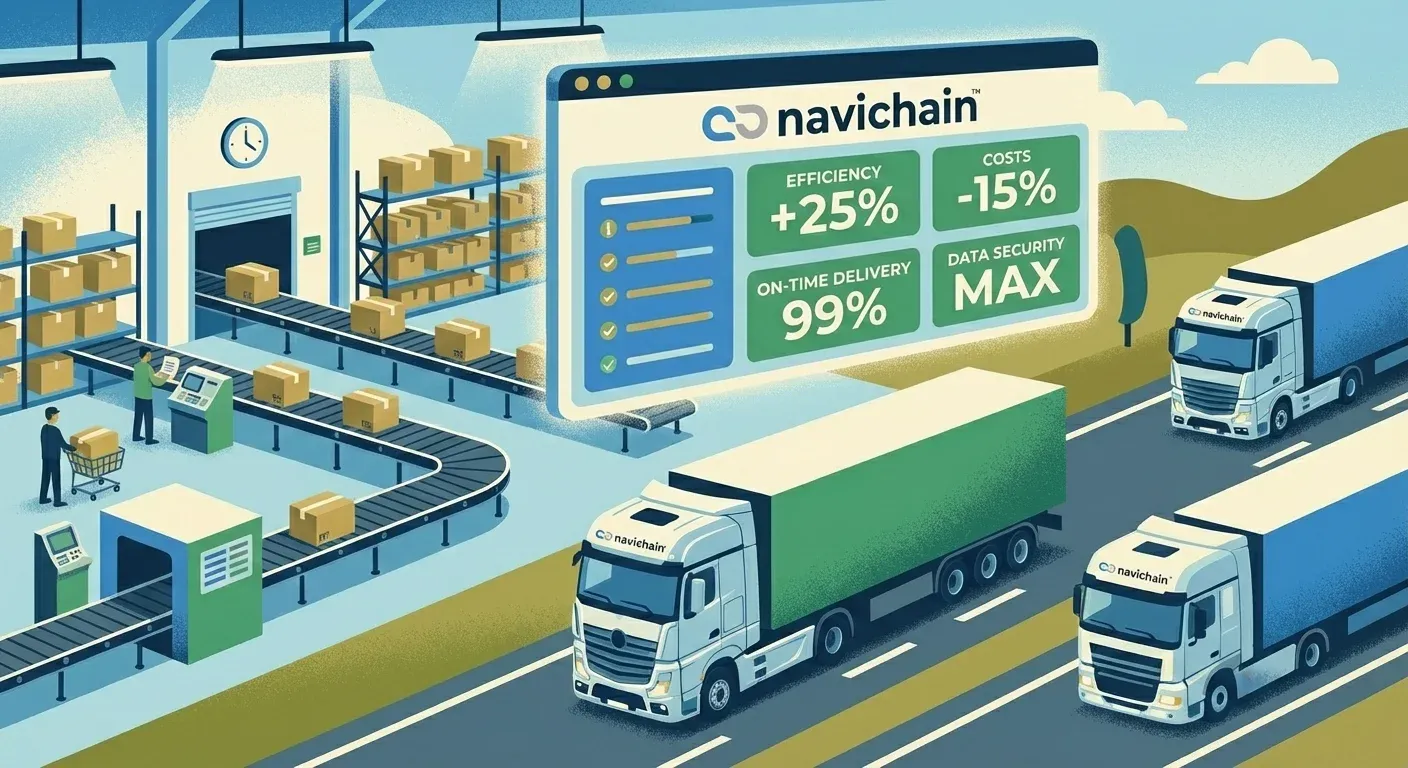
The IT skills shortage and the proliferation of Shadow IT represent a grave challenge for the haulage industry. By implementing a no-code/low-code platform such as Navichain, you can address these concerns and future-proof your business. You will not only gain a more secure and efficient operation, but also one that is equipped to tackle the challenges and opportunities of tomorrow. The time to act is now. Contact us at Navichain today to discover how we can help you digitalise your operations without code!
References
- Ti Insight (2024). European Road Freight Market 2024. https://ti-insight.com/reports/european-road-freight-market-2024/
- International Road Transport Union (IRU) (2024). Digitalisation key to solve EU driver shortage. https://www.iru.org/resources/news-and-events/digitalisation-key-solve-eu-driver-shortage
- Eurostat (2024). Digital adoption in EU enterprises. https://ec.europa.eu/eurostat/statistics-explained/index.php?title=Digital_adoption_in_EU_enterprises
- SchrezenGubler, H. (2023). The True Cost of Poor Quality (COPQ) in Supply Chain Management. Journal of Supply Chain Excellence.
- European Data Protection Board (EDPB). Guidelines on Data Transfers. https://edpb.europa.eu/our-work-tools/our-documents/guidelines/
Want to see how profitable your operation can be with Navichain?
navichain Insights Newsletter
Join the newsletter to receive the latest updates in your inbox.