Seamless Integration of Industry-Specific Systems: Avoiding the Liquidity Trap and Optimising Data Traffic
Table of Contents
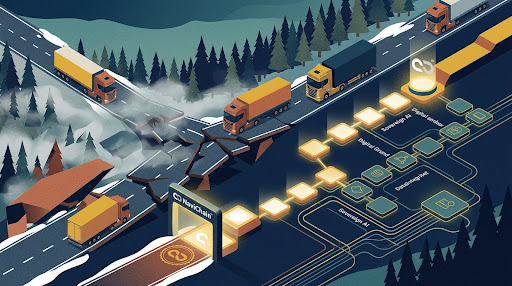
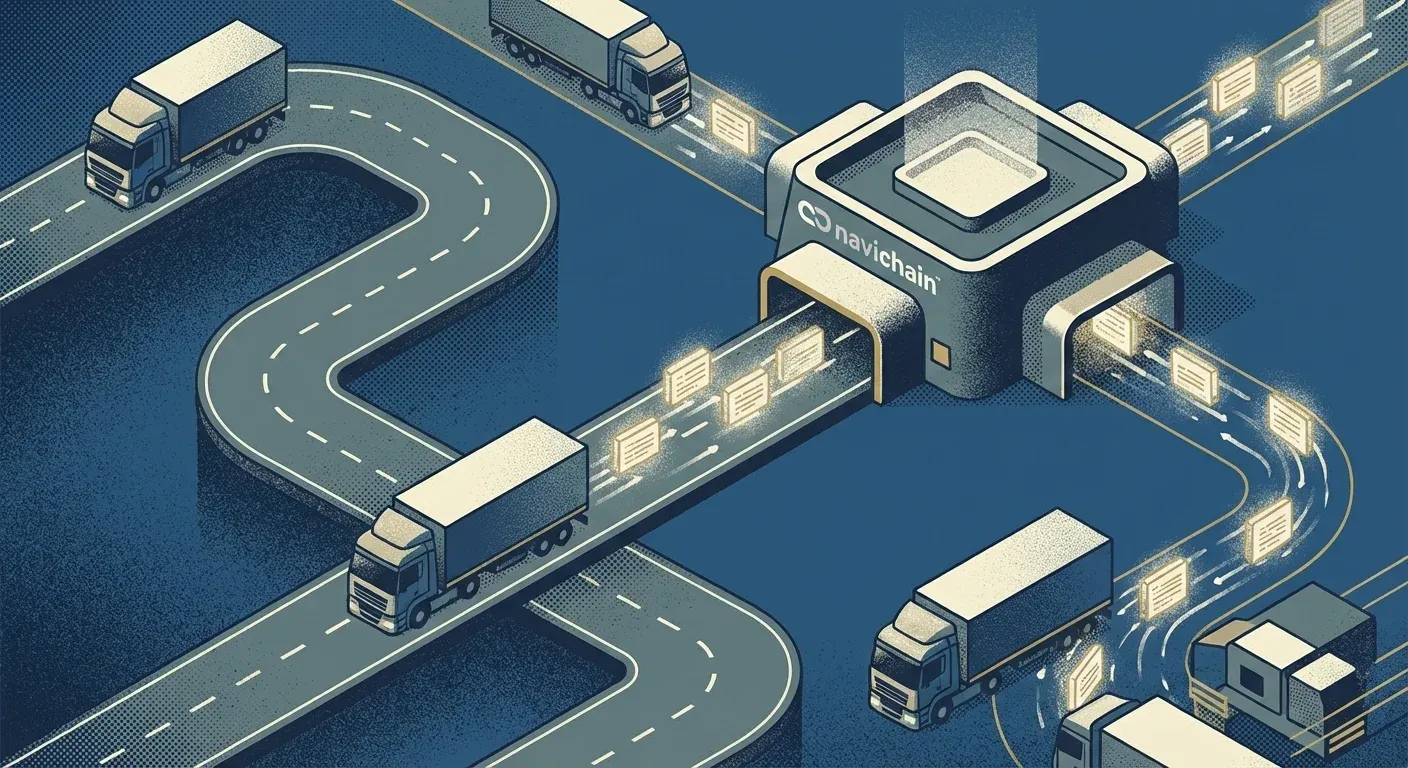
The move to centralised systems, such as VIOL3 within the forestry sector, promises enhanced efficiency and transparency. However, for many hauliers, this vision rapidly devolves into a nightmare when integration with existing Transport Management Systems (TMS) falters. Consignment notes and weighbridge tickets become inaccurate or go missing altogether, leading to invoicing issues, delayed payments, and ultimately – critical liquidity problems. This white paper examines the challenges, the consequences, and presents a practical solution: Navichain, an integration hub that secures your data traffic and streamlines your processes. Don't miss the opportunity to transform integration troubles into a competitive advantage.
Phase 1: Context and Problems - When Digitalisation Backfires
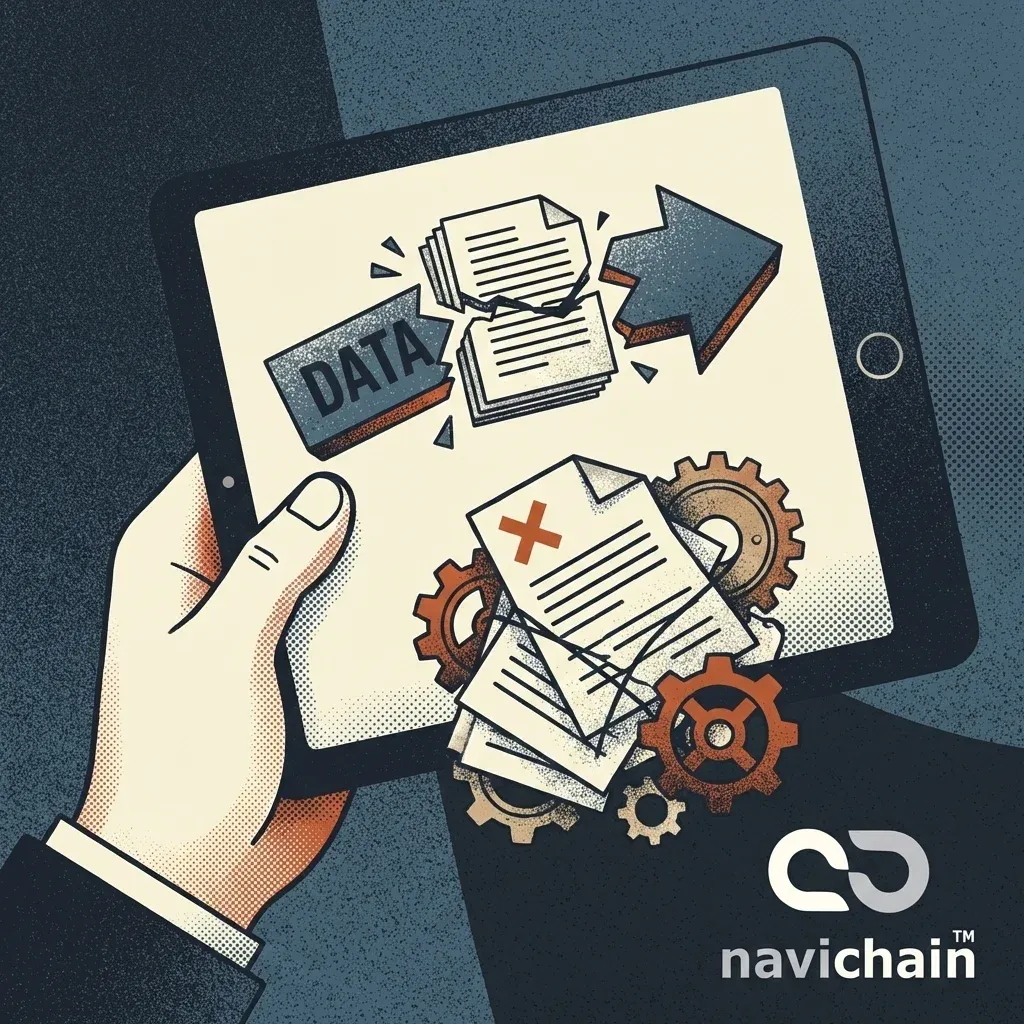
The transition to central systems like VIOL3 represents a significant step forward for the forestry industry. The objective is clear: improved control, better traceability, and more efficient information management. But lurking behind the promises of improved processes is a complex challenge for hauliers: the integration of their existing TMS with the new central platform.
Many haulage companies are currently facing issues such as:
- Incomplete or inaccurate data transfer: Consignment notes and weighbridge tickets, critical for invoicing, are mislaid, missing, or contain incorrect information.
- Manual intervention: Instead of flowing automatically through the systems, data must be manually entered and corrected, which is time-consuming and fraught with risk.
- Compatibility issues: Different systems "don't speak the same language," creating friction and delays.
This results in a series of tangible and serious consequences:
- Invoicing problems: Invoices that cannot be sent or are inaccurate, which delays payments.
- Liquidity problems: Delays in invoicing lead directly to reduced liquidity, which impacts the ability to pay bills and invest in the business.
- Disgruntled drivers: Hassle with paperwork and systems creates frustration and dissatisfaction among drivers, which impacts their performance and motivation.
- Increased administrative burden: Administrative staff spend unnecessary time correcting errors and chasing information, instead of focusing on more value-adding tasks.
Phase 2: In-Depth Analysis - The Implications of a Failed Integration
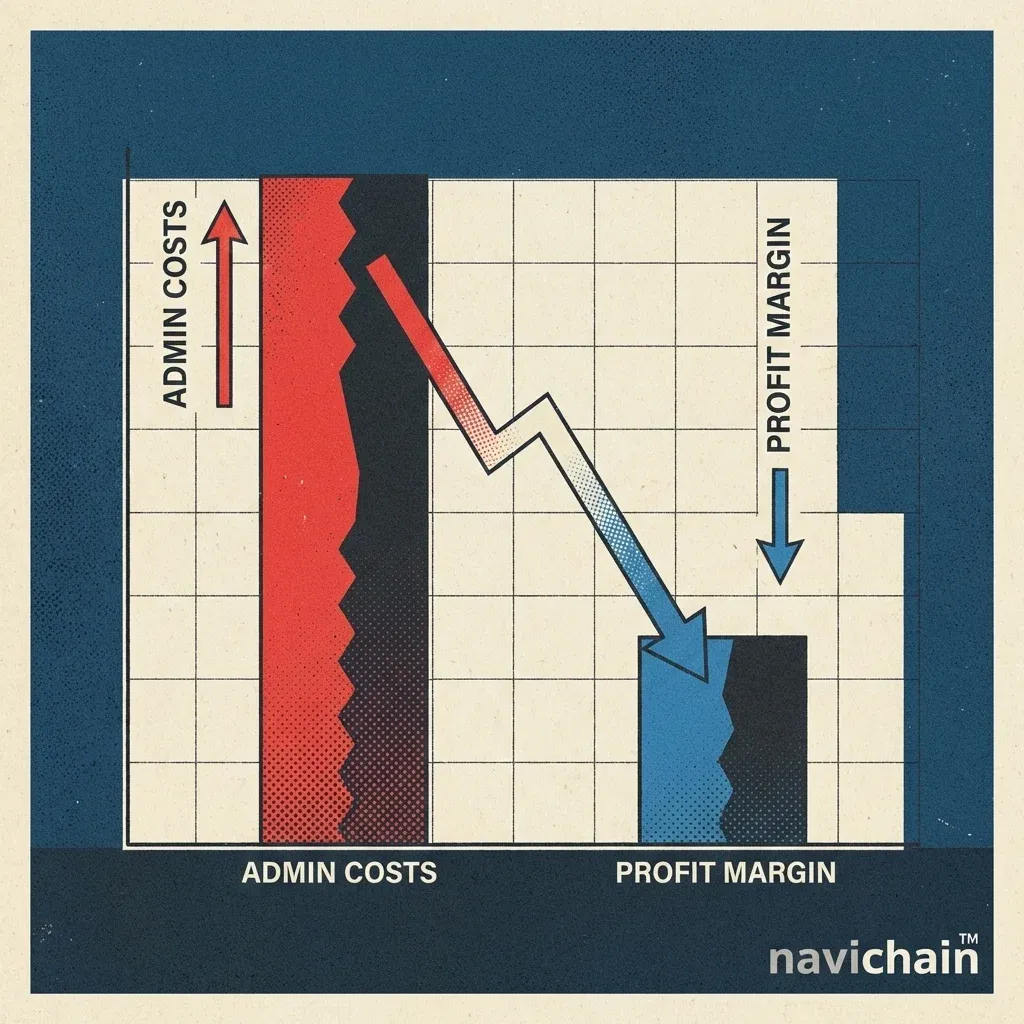
The consequences of a failed systems integration extend far beyond the initial frustration. It's not just a temporary irritation, but a threat to the haulage company's long-term profitability and competitiveness.
Long-term implications include:
- Lost competitiveness: Inefficient processes and high administrative costs reduce the haulage company's competitiveness in the market.
- Difficulties expanding: Limited liquidity and resource constraints hinder the ability to invest in new vehicles or expand operations.
- Damaged reputation: Delayed payments and poor service damage the haulage company's reputation among customers and partners.
- Increased risk of mistakes: Manual processes increase the risk of human error, which can lead to costly mistakes and damages.
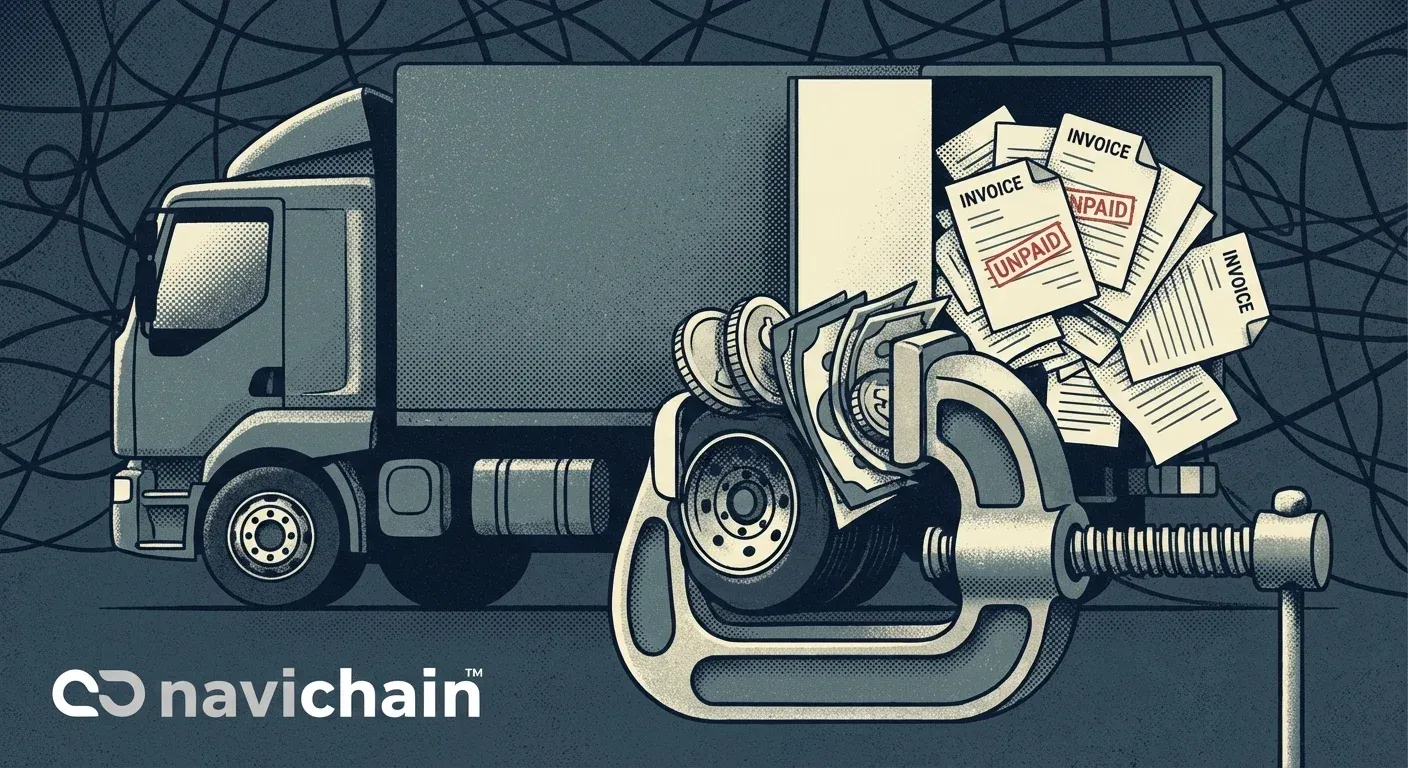
A Scenario: Imagine a driver delivers a load of timber, but the data from the weighbridge ticket gets stuck somewhere between the weighbridge, the TMS, and VIOL3. The invoice cannot be sent until the error is corrected. In the meantime, piles of unpaid invoices grow, and the haulage company is forced to take out an expensive overdraft to cover ongoing expenses. The driver is annoyed at having to spend time on administrative tasks, and the customer complains that the invoice is overdue. This is not just a hypothetical scenario – it's a reality for many haulage companies today.
Enabling the Blueprint: Navichain SaaS Unified Logistics Platform
The Navichain SaaS platform is designed to be the tool that enables this blueprint for European SMEs.
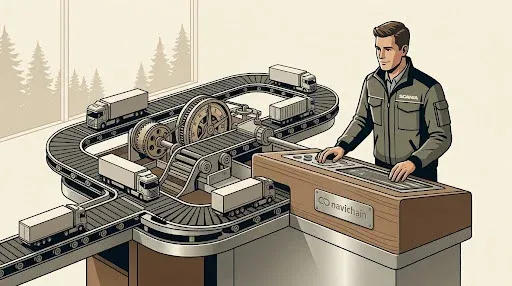
We directly embody the three core principles required for a truly resilient logistics operating system: 1. Unified Operational Fabric: Navichain is not a collection of integrated modules; it is a single, unified logistics operating system. Your Transport Management (TMS), Warehouse Management (WMS), invoicing, and order management all work as one unit, creating a single source of truth. This eliminates data silos and enables seamless workflows. 2. Secure Data Architecture & Control: We believe you should own and control your own data. Our entire platform is hosted on our own secure, Self-Hosted infrastructure in Sweden. This is our key differentiator. By keeping your data strictly within Swedish/EU jurisdiction, we ensure maximum data security, straightforward GDPR compliance, and complete freedom from the complexities of international data transfers. 3. Embedded Analytical Intelligence: Because your data is unified and secure, we can apply our Integrated AI to it safely. This AI runs on our own Swedish infrastructure, analyzing your unified operational data to unlock unique efficiency gains and drive continuous improvement.
Our mission is to democratize logistics technology for the SMEs that form the backbone of the European economy. We provide the powerful, unified, and secure platform you need to stop fighting fires and start building a more efficient, resilient, and profitable future.
Conclusion: Invest in a Trouble-Free Future
The transition to centralised systems like VIOL3 does not need to be a source of frustration and liquidity problems. With the right integration solution, you can transform the challenge into an opportunity to optimise your processes, increase your competitiveness, and create a smoother, more profitable operation. Navichain is your partner in ensuring a trouble-free future. Contact us today to find out how Navichain can help your haulage company thrive in the digital age.
References
- Ti Insight (2024). European Road Freight Market 2024. https://ti-insight.com/reports/european-road-freight-market-2024/
- International Road Transport Union (IRU) (2024). Digitalisation key to solve EU driver shortage. https://www.iru.org/resources/news-and-events/digitalisation-key-solve-eu-driver-shortage
- Eurostat (2024). Digital adoption in EU enterprises. https://ec.europa.eu/eurostat/statistics-explained/index.php?title=Digital_adoption_in_EU_enterprises
- SchrezenGubler, H. (2023). The True Cost of Poor Quality (COPQ) in Supply Chain Management. Journal of Supply Chain Excellence.
- European Data Protection Board (EDPB). Guidelines on Data Transfers. https://edpb.europa.eu/our-work-tools/our-documents/guidelines/
Want to see how profitable your operation can be with Navichain?
navichain Insights Newsletter
Join the newsletter to receive the latest updates in your inbox.